What Manufacturing Jobs Involve Automation?
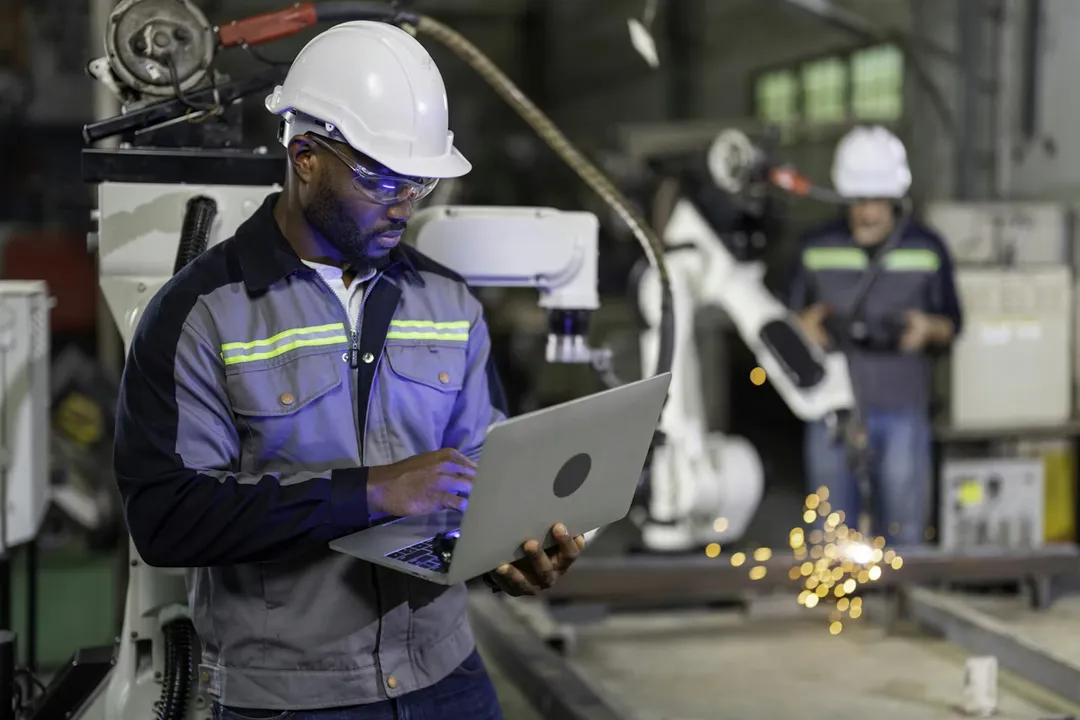
The modern manufacturing landscape is undergoing a profound transformation, driven by the increasing sophistication of robotics, sensors, and artificial intelligence. [6][9] This evolution is fundamentally redefining the jobs available on the factory floor and in the engineering offices that support them. [9] Rather than simply eliminating work, automation technology is reallocating human effort toward tasks that require complex problem-solving, system oversight, and critical decision-making that machines cannot yet replicate. [9] Understanding which jobs involve automation requires looking past the machinery itself and focusing on the human roles required to design, manage, and maintain these intelligent systems. [7]
# Defining Automation

Automated manufacturing is the use of sophisticated technology—including computer numerical control (CNC) machines, industrial robots, and integrated software systems—to perform production tasks that were traditionally executed manually. [6] This process spans the entire production chain, from material handling and assembly to quality inspection and packaging. [6] The core objectives driving this shift are enhanced precision, faster throughput, and a significant reduction in human exposure to dangerous or ergonomically taxing environments. [6] In essence, automation turns a traditional assembly line into a smart factory system, where machines communicate and adjust processes based on real-time data. [3]
# Evolving Roles
The jobs directly interacting with automated systems fall into distinct categories based on their function: creation, operation, and upkeep. Where a factory might have once employed dozens of assembly line workers performing the same motion repeatedly, it now employs fewer people overseeing banks of machines that execute those motions with greater speed and consistency. [1][7]
The jobs that involve automation are generally categorized as follows:
- Design and Implementation: Roles focused on building the automated ecosystem. [5]
- Operation and Monitoring: Positions managing the day-to-day output of the automated lines. [1]
- Maintenance and Diagnostics: Technical roles focused on the uptime and repair of complex electromechanical and software-driven equipment. [1][7]

# Engineering Core
The architects of these systems are highly sought after, requiring a blend of traditional engineering principles and modern computational knowledge. [5] The Manufacturing Automation Engineer is central to this movement. [5] This individual is tasked with designing the entire automated cell or production line, selecting the appropriate robotics, programming the sequence logic, and ensuring that the new machinery interfaces correctly with existing infrastructure. [5] Their expertise must cover mechanical principles, electrical controls, and programming languages necessary for PLCs and robot controllers. [5]
Closely related are Automation Specialists. [3] These roles often specialize in the integration layer, making sure that the physical machinery (the "hands") can effectively communicate with the supervisory software (the "brain"). [3] In the era of Industry 4.0, this specialty also extends into the IIoT Engineer space, focusing on connecting all the various sensors and machinery into a cohesive network that generates usable performance data. [7]
# Factory Floor
Not all automation jobs require a four-year engineering degree, though the required technical aptitude is certainly increasing. [9] Workers who were once assemblers are now often becoming Robot Operators or Machine Tenders. [1] Their primary function shifts from repetitive manual labor to exception handling. [7] For example, instead of tightening 500 bolts by hand, the operator monitors a station where a robotic arm tightens those bolts, intervening only when the robot signals a torque error or a material supply runs low. [1] This demands sharp observational skills and the ability to quickly interpret digital dashboards. [7]
Another critical floor role is the CNC Programmer. [1] While CNC machining itself is not new, modern CNC systems are often integrated into larger automated cells, requiring programmers to write code that accounts not just for the tool path but also for robot interaction, automated tool changes, and part loading sequences. [1]
# Maintenance And Safety
The introduction of complex automated equipment necessitates an equally complex maintenance structure. The old mechanical repair technician evolves into the Robotics Maintenance Technician. [1] This role demands proficiency in diagnosing electrical faults, pneumatic or hydraulic system failures, and, increasingly, software glitches within the control logic. [1] When a piece of automation goes down, the required fix is rarely just a loose bolt; it might involve tracing an error code through a control panel or even updating firmware. [7]
Furthermore, as automated systems become more powerful and work in closer proximity to humans, safety engineering becomes a dedicated manufacturing function. [2] Roles focused on AI Safety or cell safeguarding ensure that safety protocols, such as light curtains, pressure mats, and emergency stop sequences, are correctly implemented and rigorously tested against the automated system’s full range of motion and unexpected behavior. [2]
# Skillset Transformation
The common thread across all these evolving positions is the mandatory upskilling of the workforce. [9] The emphasis is shifting away from muscle memory and toward cognitive skills related to technology interpretation. [9] For someone seeking a long-term career in this environment, the ability to read and understand process flow diagrams is now as important as knowing how to use a torque wrench. [5]
For instance, a traditional machinist who understands metallurgy might transition into a quality control technician role focused on machine vision systems, learning how to calibrate cameras and train the AI to spot microscopic defects that the human eye would miss. [7]
Considering the trend, it's interesting to note how automation alters the economics of where manufacturing happens. When labor costs become a smaller percentage of the total production cost—because robots handle the bulk of the repetitive work—the incentive to offshore production lessens significantly. This dynamic suggests that areas with high technical training infrastructure, even if they have higher baseline wages, can become highly competitive again simply because the automation equipment needs highly skilled technicians available 24/7. [4]
The future success of an individual entering this field often depends on mastering a hierarchy of technical understanding, rather than just one specific skill. We can visualize this as three tiers: Tier 1 is Operation (running the machine); Tier 2 is Troubleshooting (fixing the immediate fault that stops production); and Tier 3 is Optimization (using data analysis and code adjustments to make the machine run 5% faster or 1% more efficiently). The highest-value, most secure jobs are firmly rooted in Tier 3, requiring skills in statistical process control and basic scripting, which provides a substantial career advantage over those limited to Tier 1 or 2 tasks. [7][9]

# System Design Contrast
The specific engineering work done in automation also varies based on the production goal. A factory producing millions of identical soda cans relies on hard automation, which is fixed, highly efficient robotics and conveyer systems optimized for one task. [6] Conversely, a workshop building customized wind turbine blades might rely on flexible automation, using sophisticated, multi-axis robots guided by laser measurement systems that can be quickly reprogrammed for the next unique component. [7] The engineer designing the hard automation system focuses heavily on mechanical reliability and throughput speed, whereas the engineer designing the flexible system spends significant time developing adaptive software algorithms. [6][7]
# Data Interpretation
The proliferation of connected devices means that data analysis is no longer confined to the back office; it happens right on the shop floor. [7] This has created new specialized positions focused entirely on extracting actionable intelligence from the streams of sensor readings, cycle times, and energy consumption figures generated by the automated equipment. [7] These specialists act as interpreters, turning raw machine statistics into directives for process improvement or predictive maintenance schedules. [7] This feedback loop—where machine data informs human action, which in turn refines the machine programming—is the hallmark of advanced automated manufacturing. [7]
Formal education, such as degrees in engineering disciplines, provides the necessary foundational knowledge for the most advanced design roles. [5] However, the speed of technological change means that practical certifications in specific automation platforms, like those for major robotic brands or PLC systems, are increasingly important for immediate employability in maintenance and operational support roles. [5]
#Videos
Manufacturing Jobs in Industrial Automation (2024 Update) - YouTube
Related Questions
#Citations
Automated Manufacturing Jobs, Employment - Indeed
20 Manufacturing Jobs Safe from AI & Automation [2025]
Top 5 Future Smart Automation Careers in Manufacturing - SACA
With automation, will manufacturing go back to the USA/Europe from ...
Manufacturing Automation Engineer
Automated manufacturing 101: Everything you need to know
The Future of Manufacturing: Top 5 Jobs in an AI-Powered Era
Manufacturing Jobs in Industrial Automation (2024 Update) - YouTube
How Automation is Creating the Next-Gen Manufacturing Workforce