Do Manufacturing Jobs Require Degrees?

The current state of manufacturing employment presents a complex picture regarding formal education. While the traditional image of a factory worker involved minimal classroom time, the reality today is that the necessary education level varies significantly based on the specific role, the technological sophistication of the facility, and the employer's internal hiring philosophy. [4][5] It is inaccurate to issue a blanket statement that all manufacturing jobs require a four-year college degree; conversely, it is equally untrue to claim that no role in the sector demands one. [4]
# Industry Shift
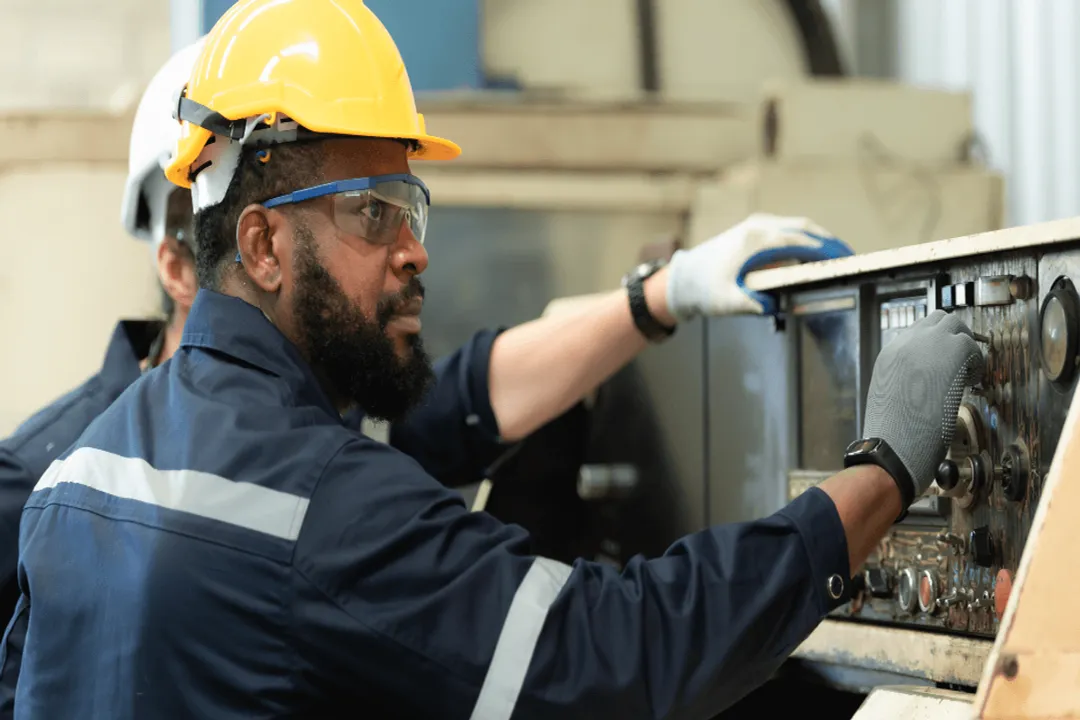
The manufacturing sector has undergone massive technological transformation over the past few decades, moving away from purely manual assembly toward advanced processes that rely on automation, data analysis, and complex machinery. [9][5] This shift has certainly raised the floor for certain specialized positions. [4] Some employers, especially those filling roles in research, high-level process engineering, or complex systems integration, may indeed look for candidates holding a bachelor's degree. [4]
However, this change has not eliminated pathways for those who enter the workforce without traditional academic credentials. Advanced manufacturing, in particular, is seeing an industry-wide emphasis on tangible skills rather than relying solely on a degree as a proxy for competence. [5] Many roles essential to keeping production lines running—from operating sophisticated computer numerical control (CNC) machines to overseeing quality control—are often better filled by individuals with technical certifications or extensive hands-on experience. [2][3]
# Entry Paths
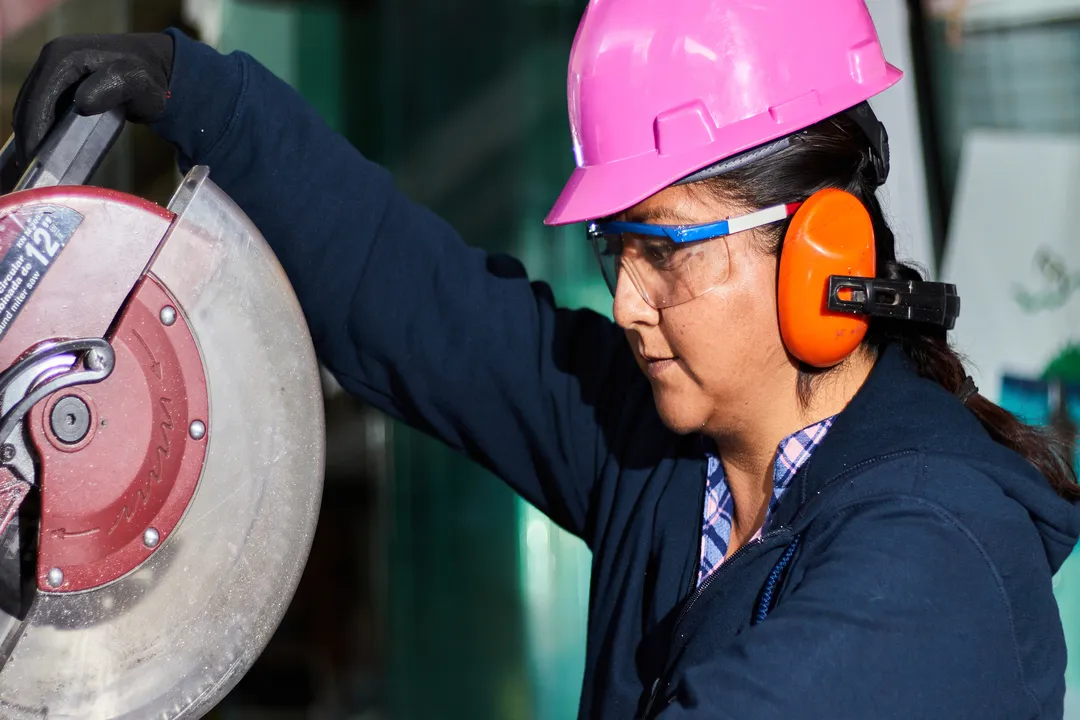
For many positions, the minimum requirement remains a high school diploma or a General Educational Development (GED) certificate. [8] From that baseline, the employer generally determines the next step, which could involve extensive on-the-job training. [8]
There are numerous in-demand manufacturing jobs where a four-year degree is not a barrier to entry. [2] These roles are the backbone of production and often require specialized, job-specific knowledge gained outside of a standard university setting. [2]
Consider these common roles that typically prioritize practical ability over a bachelor's degree:
- CNC Machinist [2]
- Welder [2]
- Maintenance Technician [2]
- Quality Inspector [2]
- Production Supervisor (often promoted from within) [2]
While these positions do not require a bachelor’s degree, they are far from unskilled. A Quality Inspector, for example, needs deep knowledge of measurement tools and industry standards, while a CNC Machinist must be proficient in reading blueprints and programming complex equipment. [2][7] These roles frequently favor an associate’s degree or a specialized technical certificate over a general liberal arts degree. [7]

# Credentials Over College
The substitute for a four-year degree in modern manufacturing is almost always a recognized, rigorous credential that proves mastery of a specific, applicable skill set. [5] These alternatives can include industry certifications, licenses, or successful completion of an apprenticeship program. [8][5]
The timeline for entering a high-earning technical role via the credential route can be remarkably fast. Consider the return on investment (ROI) calculation for a prospective worker. A specialized certification program, perhaps costing a few thousand dollars and taking six to twelve months to complete, might qualify an individual for a position starting around $60,000 annually. [2][7] This speed to employment and immediate income generation is a significant advantage when compared to the four-plus years required to complete a bachelor's degree before even beginning the job search process in the same field. The direct financial and time trade-off makes these non-degree paths extremely appealing for candidates ready to enter the workforce immediately. [7]
Apprenticeships bridge the gap between classroom learning and real-world application better than almost any other structure. [7] These programs combine structured classroom instruction with paid, on-the-job learning, providing the candidate with both theoretical knowledge and documented work experience simultaneously. [7]
# Employer Viewpoints
The perspective from the owner’s chair often clarifies the actual hiring standard. Many factory owners or decision-makers report that when evaluating candidates for technical or supervisory production roles, they focus intensely on what the applicant can do, rather than where they went to school. [6] If an applicant demonstrates they possess the exact technical competence required—perhaps through previous direct experience or by passing an intensive practical skills evaluation—the absence of a four-year diploma becomes a minor point, if noted at all. [1][6]
For individuals coming from different careers, demonstrating applied competency is key. One person shared an experience where they transitioned into engineering roles without a college degree simply by showing extensive practical experience and a history of successfully solving complex mechanical problems for their previous employers. [1] The demonstrated ability to troubleshoot and maintain critical systems often holds more weight than academic proof for these hands-on positions. [6]

# Essential Non-Academic Skills
Even when technical skills are proven via certification, employers consistently highlight the importance of transferable "soft" skills. In the high-stakes environment of advanced production, workers must be capable thinkers. [5]
Key competencies often sought include:
- Problem-Solving: The ability to diagnose unexpected machine failures under pressure. [7]
- Critical Thinking: Analyzing production data to identify inefficiencies. [5]
- Attention to Detail: Essential for quality assurance and precision machining. [7]
- Teamwork: Coordinating maintenance or changeovers with other departments. [7]
These attributes are necessary across the board, whether the employee has a Ph.D. or just a vocational certificate. [5]
# Navigating the Modern Entry
For those without a four-year degree looking to secure high-value manufacturing positions, the strategy should be hyper-focused on demonstrating expertise rather than just listing education. [8] Do not simply list "Attended technical school" on a resume. Instead, for roles requiring software proficiency like CAD or PLC programming, create a dedicated section titled Core Competencies. In this section, list the specific software versions you are proficient in (e.g., "AutoCAD 2024 Proficiency," "Allen-Bradley ControlLogix Certified") or the specific machine certifications you have obtained. [8] This approach positions you immediately as a specialist who can contribute value on day one, making your practical expertise directly comparable, and often superior, to a generalist degree holder for floor operations. [1]
If you are aiming for a technical role that does list a four-year degree as "preferred," take the initiative to match every listed technical requirement with a corresponding, documented certificate or portfolio piece. By proactively closing the skills gap with focused training, you reframe the conversation away from the missing degree and toward your proven readiness for the work itself. [5]
Related Questions
#Citations
Anyone else out here without a college degree? : r/womenEngineers
10 In-Demand Manufacturing Jobs That Don't Require a Degree
Can You Have a Career in Manufacturing Without a Degree?
Want a factory job? You may need a college degree - CBS News
Advanced manufacturing: Industry emphasis on skills, not degrees
Manufacturers Answer Your Questions About Manufacturing Careers
The Best Entry-Level Manufacturing Jobs - Aerotek
Got skills? Think manufacturing - Bureau of Labor Statistics