What Are the Highest-Paying Manufacturing Jobs?
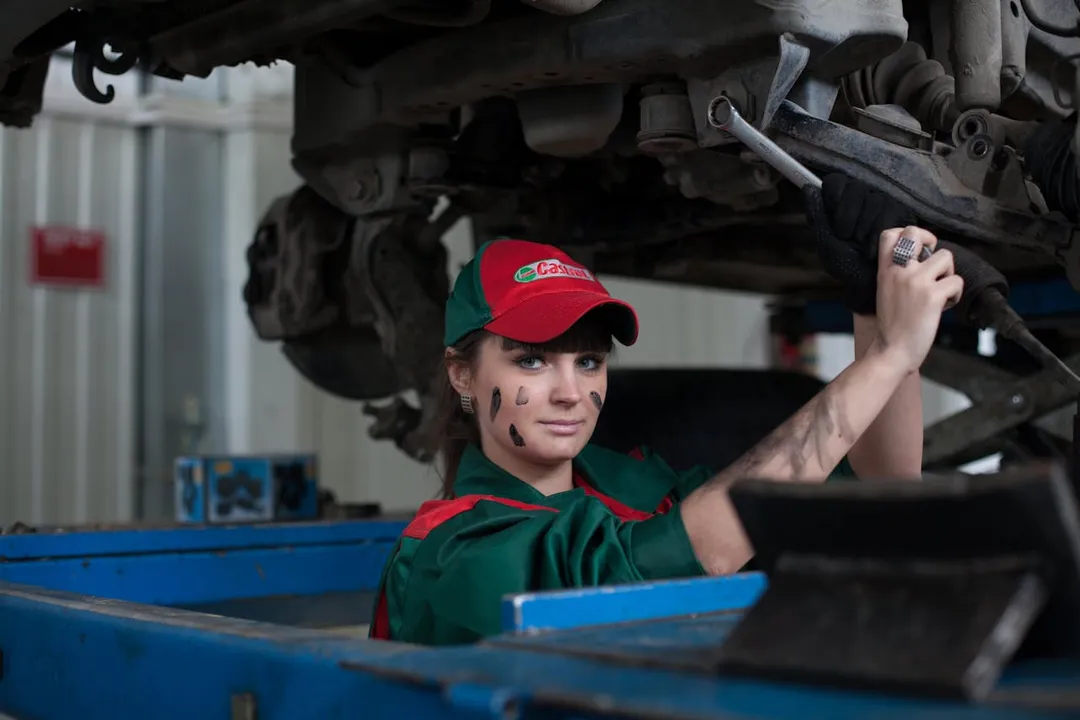
The pursuit of high wages in the industrial sector often leads people to think only of executive suites, but significant earnings exist deep within the production floor and engineering departments. Manufacturing encompasses a vast range of specialized roles, many of which command salaries comparable to, or even exceeding, those in white-collar fields, often demanding unique technical expertise or proven leadership ability. [1][6] The highest compensation is generally reserved for those managing complex processes, maintaining critical machinery, or designing the systems that make production possible. [10]
# Top Roles

Several positions consistently appear at the upper end of the manufacturing pay scale. Roles like Industrial Production Manager and Operations Manager frequently top the lists, often offering annual salaries well into the six figures for experienced professionals. [1][10] These leaders are responsible for the overall efficiency, budgeting, and output of an entire facility or production line, meaning their compensation reflects the massive financial impact of their decisions. [2][5]
Another high-value category involves specialized technical oversight, such as Maintenance Manager or Quality Control Manager. While a Maintenance Manager might not oversee as many direct reports as a Production Manager, their expertise in keeping complex, high-capital equipment running without costly downtime makes them indispensable. Similarly, Quality Control roles, particularly those dealing with highly regulated industries like aerospace or medical devices, require deep expertise to ensure compliance and prevent catastrophic failures, justifying substantial pay packages. [1][10]
# Engineering Salaries

Engineers form the technical backbone of modern manufacturing, and their earnings reflect this critical function. A Manufacturing Engineer, for example, bridges the gap between product design and mass production. They optimize workflows, select and implement machinery, and troubleshoot production bottlenecks. [1][3] The expected salary for these roles often requires at least a bachelor's degree in engineering, but the technical skills developed provide excellent long-term earning potential. [3]
When looking at earning spikes, process-focused roles often excel. A Process Engineer dedicated to continuous improvement—someone focused on stripping out waste, improving cycle times, or integrating new automation—can see significant salary boosts. While the baseline pay is strong due to the required technical background, the ability to demonstrate quantifiable savings through process refinement is what pushes compensation to the top tier. [1][4]

# Management Track

Advancing into management within manufacturing is a clear path toward higher earning potential, provided one has the right blend of technical understanding and people skills. [1] The Plant Manager role is perhaps the apex of operational leadership. This person oversees everything: safety, personnel, budget, compliance, production schedules, and quality across an entire site. [2][10] Compensation here is directly tied to the scale and complexity of the plant they manage.
It is worth noting that the market values demonstrable results in management roles over simple longevity. A key differentiator for maximum pay in manufacturing management isn't just years of service, but proven success in implementing lean principles or major automation upgrades. An operations manager who successfully reduces scrap rate by 15% across a site can often negotiate compensation far exceeding standard managerial pay scales based on realized savings. [5] This focus on tangible financial outcomes differentiates high-paying manufacturing managers from those in less metrics-driven environments.
# Skilled Trades Pay
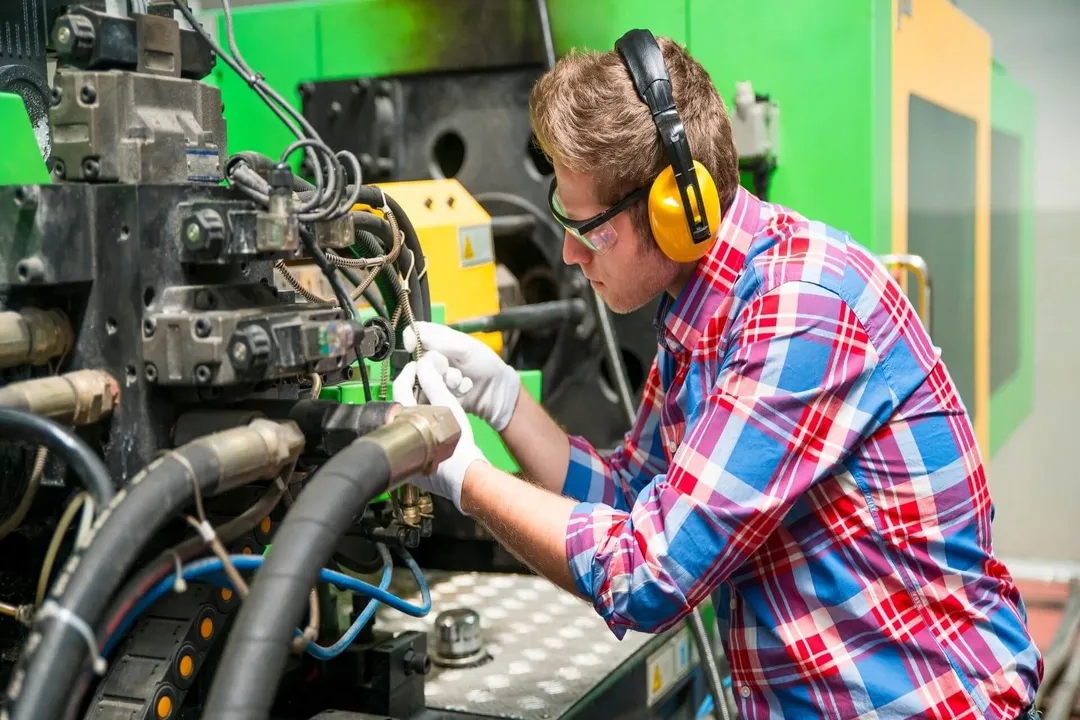
One of the most surprising aspects of high-paying manufacturing careers is the earning potential available without a traditional four-year university degree, often relying instead on apprenticeships, vocational training, and specialized certifications. [3] Highly skilled tradespeople are frequently among the best-compensated workers on the floor, particularly when their skills are rare or specialized. [6]
Roles like Tool and Die Maker, Master Welder (especially those certified for high-pressure or exotic material applications), and Industrial Maintenance Mechanic command high hourly wages. For example, a tool and die maker who can create custom tooling for a new product run saves the company the cost of outsourcing that intricate work, directly contributing to the bottom line. [3]
In areas experiencing rapid industrial growth, like certain Midwestern manufacturing hubs, the shortage of certified industrial mechanics or robotics technicians can cause effective hourly wages to spike. If a facility relies heavily on complex CNC or robotic equipment, contracting specialized maintenance on an emergency basis can cost five times the in-house rate, driving the value of in-house experts up considerably. [5] These specialized technicians are often paid premium rates to remain salaried employees rather than being tempted by higher, intermittent contract work. [3]

# Career Progression
For those starting at the technician or entry-level production role, understanding the progression ladder is key to maximizing earnings. Moving from a general assembly role to a CNC Programmer or Robotics Technician requires investment in specific software proficiency or hardware expertise, but it represents a significant leap in earning power. [6]
The demand for these technically adept individuals is expected to remain strong. One analysis projects that manufacturing jobs could see significant growth, signaling sustained demand for skilled labor across the board, which generally supports higher wages. [4] Furthermore, geographic location plays a major role. Manufacturing jobs in metro areas with high costs of living or large, specialized industrial bases, such as Chicago, often carry higher baseline salaries to compensate for local economic factors. [2] A high salary in one region might equate to a lower real wage compared to a slightly lower listed salary in a lower cost-of-living manufacturing center. [5]
# Certifications Value
In manufacturing, specific certifications often act as direct multipliers on salary potential, regardless of the formal degree held. For a quality role, certification by organizations like the American Society for Quality (ASQ) can unlock management tiers. [1] Similarly, certifications in specific automation platforms or advanced welding processes instantly signal expertise that commands a premium wage. [3]
Consider the example of a welder. An entry-level welder earns one rate, but once they achieve certification in, say, underwater welding or high-pressure pipe welding for power generation, their earning potential shifts dramatically, often putting them in a top-tier earning bracket comparable to some salaried supervisors. [6] This highlights that the highest pay often rewards specialized knowledge that is difficult to replace or train quickly, whether that knowledge comes from a university or a rigorous trade program. [3]
Related Questions
#Citations
The 25 Highest Paying Manufacturing Jobs in 2025 - ZipRecruiter
High-paying manufacturing Jobs in Chicago (with Salary) - Indeed
Ditch the Degree, Land a Great Job: High-Paying Manufacturing ...
Manufacturing Jobs Projected To Grow By 30%: Top 7 High-Paying ...
What industries are booming/stable for those who are planning to ...
18 Manufacturing Jobs with $100K+ Salaries - Xometry
14 Highest-paying Manufacturing or Warehouse Jobs to Consider ...
Manufacturing Jobs That Pay $25+ an Hour or More | Randstad USA
25 High Paying Manufacturing Industry Jobs [2025] - DigitalDefynd
Top 10 Highest Paying Manufacturing Jobs in the US 2022 | Apptree