What Manufacturing Jobs Offer Career Growth?

The manufacturing sector today looks vastly different from the shop floors of previous decades; it is a field increasingly defined by technology, data, and complex systems, which inherently translates to more sophisticated career progression opportunities. [1][3] Far from being a static environment, modern manufacturing offers defined pathways for upward mobility, both vertically into management and laterally into highly specialized technical expertise. [4] Understanding where the industry is investing its resources reveals which jobs are not just secure but are primed for significant advancement.
# Sector Growth
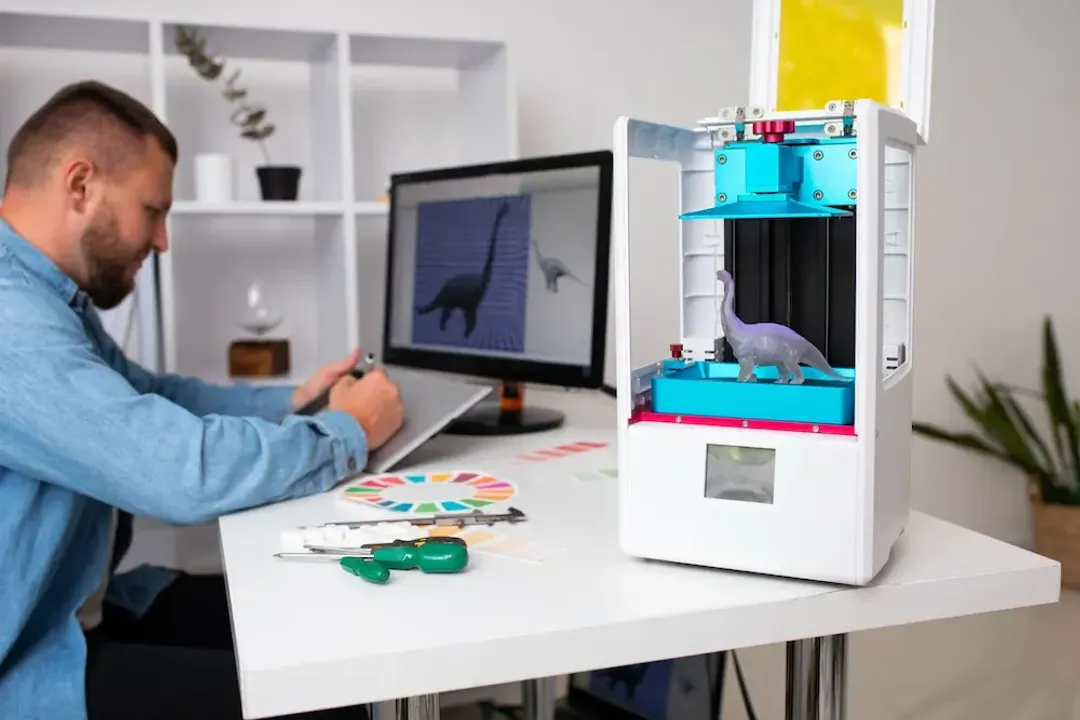
The outlook for manufacturing employment suggests substantial expansion, with projections indicating that the industry could see growth of around 30% in certain areas, signaling a high demand for skilled workers across the board. [3] This growth is reflected in lists of the fastest-growing jobs, which frequently include roles directly related to implementing and managing advanced production methods. [2] For those entering the field, this demand often means faster onboarding and clearer routes to promotion because companies are actively looking to fill senior positions vacated by retiring workers or created by new technological demands. [1][4] The entire career cluster spans design, production, maintenance, and processing, giving individuals multiple entry points into a field that rewards specialized knowledge. [7]
# Management Paths

For many, the clearest path to career growth involves moving from direct production into supervisory or managerial roles. The Production Manager position is frequently cited as one that offers significant upward movement and strong earning potential. [1][3] These roles require hands-on experience combined with management acumen, often starting with an entry-level or floor supervisor position before moving up. [4]
Similarly, the Industrial Production Manager role is positioned for growth, involving the oversight of scheduling, budgeting, and the coordination of personnel to meet output targets. [3] Growth here means moving from managing a single line or cell to overseeing entire facilities or multi-site operations. An individual starting as a line operator might gain the necessary floor expertise and then pursue further education or specialized certifications in project management or business administration to step into these higher-level planning and coordination positions. [4]
This management track often requires strong soft skills—communication, team leadership, and decision-making under pressure—which become more critical the higher one climbs the organizational chart. [1]

# Engineering Roles
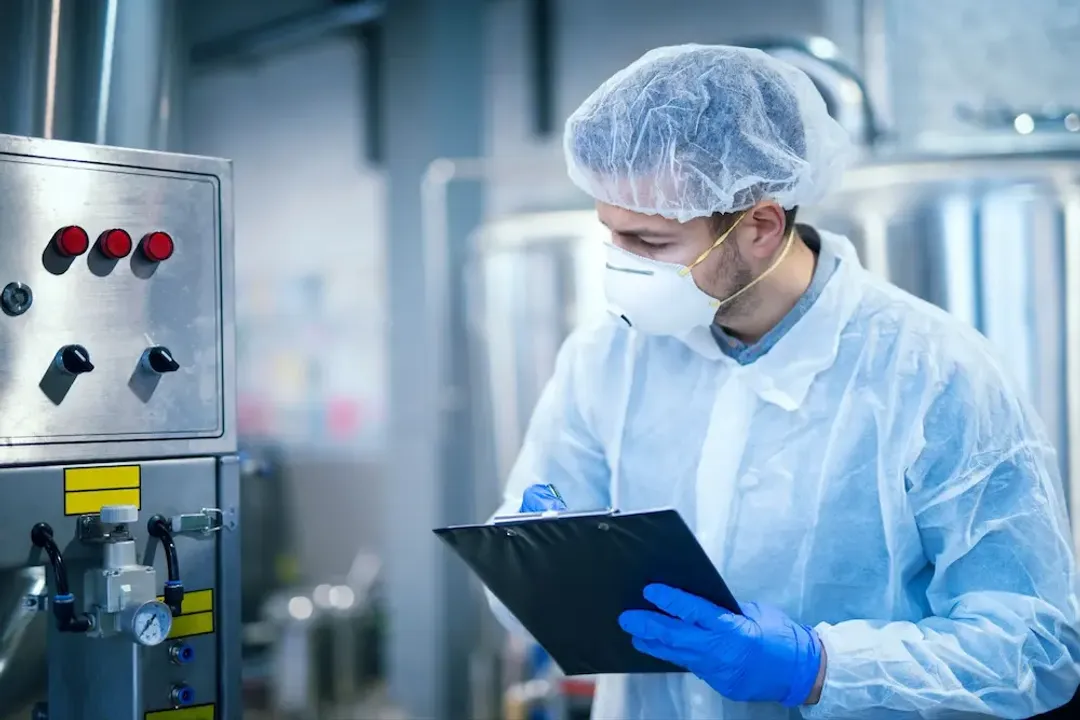
Engineering is a backbone of manufacturing, and several disciplines offer direct lines to senior innovation and operational leadership positions. [5] Mechanical Engineers and Electrical Engineers are foundational, designing and optimizing the machinery and power systems that run the factory. [3] Their growth trajectory often involves specializing in automation, advanced materials, or moving into Chief Engineer roles where they dictate long-term technological strategy. [9]
Industrial Engineers stand in a unique position that blends technical aptitude with process efficiency, focusing on how systems interact. [1][5] They are often tasked with finding ways to reduce waste and increase throughput. Growth for an Industrial Engineer often transitions them toward Lean Manufacturing consulting roles within the company or into senior planning positions, bridging the gap between engineering design and daily operational realities. [9] A key transition point often occurs when an engineer moves from designing a single machine to designing the entire production cell or integrating different automated systems.
# Technical Specialists
While engineering focuses on design, technical specialists focus on keeping the complex systems running reliably. The modern maintenance role, for instance, has evolved considerably from simple mechanical repair. The Maintenance Technician is now expected to diagnose issues across electrical, hydraulic, pneumatic, and computerized control systems. [1][8] Career advancement here means transitioning into advanced specialties like Predictive Maintenance or Reliability Engineering.
This evolution requires a deep understanding of sensors, data acquisition, and control logic, often facilitated by acquiring specialized certifications in programmable logic controllers (PLCs) or robotics. [2][8] A technician with strong PLC troubleshooting skills can advance to a Robotics Technician or Automation Specialist, roles that are explicitly listed among the fastest-growing in the sector. [2][5] These roles command higher pay because they directly support the deployment and uptime of high-capital automated equipment. [3]

# Quality Focus
Quality control and assurance are non-negotiable in high-stakes manufacturing, and these functions provide excellent pathways for analytical individuals. [1] A Quality Assurance Technician begins by inspecting parts and documenting variances, but the career progression lies in moving from detection to prevention. [5]
Advancement often means becoming a Quality Manager or specializing in process control methodologies like Six Sigma or Total Quality Management (TQM). [4] These experts aren't just checking finished goods; they are designing the inspection protocols and training production staff on defect minimization strategies. This specialization allows professionals to transition into roles that impact supplier management and final product certification, giving them influence across the supply chain. [1]
A crucial area for growth, often overlooked, is the intersection of IT and manufacturing operations, sometimes called Operational Technology (OT). As machines become more connected and generate streams of performance data, the need for professionals who can manage this data flow becomes paramount. This creates a clear ladder for advancement: an experienced technician who learns data analysis and network security specific to the factory floor can become a valuable bridge between the traditional IT department and the core production systems. This hybrid role is vital for ensuring data integrity and protecting proprietary process information, making those individuals indispensable as manufacturing leans into Industry 4.0 concepts. [9]
# Future Skills
The jobs projected to see the highest growth often require expertise in emerging technologies. Roles like Data Scientists or analysts who specialize in manufacturing data are becoming increasingly important. [2][9] While these roles might not have started on the factory floor, manufacturing companies are actively recruiting these analytical experts to optimize everything from material flow to energy consumption. An existing manufacturing employee who pursues training in data visualization and statistical modeling can pivot into a lucrative analytical role within the same organization, essentially creating a new vertical path based on digital literacy. [9]
Furthermore, the increasing focus on sustainable and efficient operations means roles centered on Energy Management and Environmental Compliance are gaining prominence. Companies recognized for their forward-thinking practices often prioritize these areas, offering internal growth opportunities for personnel who can ensure compliance while reducing operational overhead. [6]

# Career Ladders
It is helpful to view career progression in manufacturing not just as a ladder—a single vertical climb—but as a lattice or web. Because so many functions (engineering, maintenance, production, quality) interact daily, cross-training and lateral moves are highly valued and often prerequisites for senior roles. [4] For example, a maintenance supervisor who spends time shadowing the production planning team gains institutional knowledge that makes them an ideal candidate for an Operations Superintendent role over someone who only moved up within the maintenance hierarchy.
Consider a mid-career shift: someone with five years as an industrial engineer focuses on optimizing equipment layout, realizes the biggest bottleneck is supplier inconsistency, and then deliberately moves into a supply chain analyst role for two years. This combination of process design and external logistics expertise becomes a highly competitive profile for a Director of Operations position, where managing the entire upstream and downstream process is required. This type of deliberate, multi-disciplinary growth path is where substantial, long-term career capital is built in modern manufacturing, rewarding those who seek experience across functional boundaries rather than staying siloed in one area. [4]
The best companies, those noted for being good places to work, often support this lattice structure by investing heavily in internal training academies and mentorship programs that pair seasoned managers with emerging talent in different departments. [6] Observing which companies prioritize continuous technical certification and cross-departmental shadowing can be a strong indicator of where an individual’s investment of time and effort will yield the highest return in career growth.
Related Questions
#Citations
12 In-Demand Manufacturing Jobs (Plus Salary and Job Outlook)
10 Fastest Growing Jobs in Manufacturing - BigFuture
Manufacturing Jobs Projected To Grow By 30%: Top 7 High-Paying ...
The Many Opportunities For Career Growth In Manufacturing - NAMC
15 In-Demand Job Opportunities in Manufacturing - Unmudl
The Best Types of Manufacturing Companies to Work For 2025
Manufacturing career cluster | Explore Careers - CareerOneStop
Reddit, What manufacturing job you worked for is great? : r/jobs
7 Key Job Categories Driving the Future of the Manufacturing Industry