Are careers in manufacturing AI growing?

The integration of Artificial Intelligence into the factory floor isn't just a theoretical future concept; it's actively reshaping the roles and opportunities available in the sector right now. Rather than a simple straight line of growth, the career landscape is best described as a rapid transformation, emphasizing new skills and new types of employment within the traditional walls of manufacturing. Existing data suggests that while AI and automation may displace certain repetitive tasks, the overall effect points toward an augmentation of the existing workforce and the creation of entirely new, specialized careers dedicated to managing these advanced systems. [2][5]
# Workforce Shift

The narrative around automation and jobs in manufacturing often leans toward contraction, citing reports of overall job decline in the sector. [1] However, looking closer at the impact of technologies like AI reveals a more nuanced reality. The actual growth isn't necessarily in the sheer volume of traditional assembly or manual inspection positions, but in the demand for individuals who can develop, deploy, and govern the AI tools themselves. [9][5]
For established manufacturers, the adoption rate of AI might initially be slow due to high upfront investment costs, relatively low current utilization rates of existing equipment, or the perceived complexity of integrating new systems. [1] Nevertheless, organizations like the National Association of Manufacturers (NAM) and The Manufacturing Institute (MI) firmly believe that AI will strengthen the manufacturing workforce by making current workers more capable, not simply replacing them. [2] This strengthens the overall competitive position of the industry. [2]
This reshaping means that for someone looking to start or pivot a career, the focus must shift from general labor to specific technical interaction with intelligent systems. [5] Where previous automation cycles replaced mechanical labor, AI is targeting cognitive tasks, requiring a corresponding upgrade in the human skill set to match. [4]
# New Skill Demand

The expansion of AI careers in manufacturing translates directly into a sharp increase in demand for particular technical competencies. Reports indicate that as AI systems become more common, there will be a growing need for roles specifically built around artificial intelligence and machine learning expertise within manufacturing firms. [9] These new openings are appearing across the board, demanding not just coders, but also specialists who understand both the technology and the physical process. [5]
This demand profile often includes roles such as:
- AI Model Developers: Creating the algorithms that drive quality control or predictive maintenance systems. [3]
- Data Scientists: Analyzing the massive datasets generated by smart machinery to extract actionable insights. [9]
- Robotics and Automation Engineers: Integrating physical robots with AI decision-making software. [4]
- AI System Integrators: Bridging the gap between legacy operational technology (OT) and new AI software platforms. [7]
McKinsey Global Institute research suggests that AI adoption could, in certain scenarios, lead to an increase in the U.S. manufacturing share of the economy, partly by making domestic production more cost-competitive against lower-wage countries. [4] This potential reshoring or increased domestic capacity would further fuel the need for the specialized technical workforce required to run these advanced domestic plants. [4] A key insight here is that the most valuable new employees will likely be those possessing hybrid skills—those who can communicate fluently between the shop floor experts and the data science teams. [5][7] A person with five years of experience in tooling and CNC programming who then acquires a specialization in machine learning has an immediate, high-value pathway into a growing career field. [7]

# AI Practical Uses
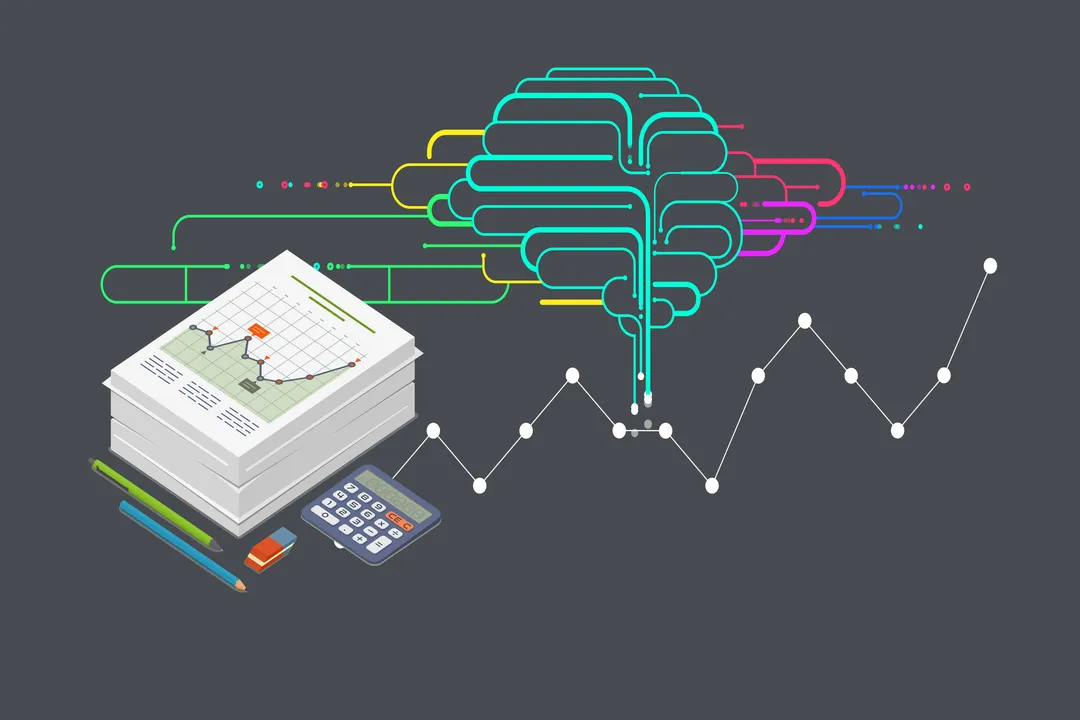
To understand the growth in associated careers, one must look at where AI is actually being applied on the floor. The applications themselves are what create the need for new job functions, as these systems require setup, monitoring, and iteration. [3]
Common areas of AI application creating job opportunities include:
- Predictive Maintenance (PdM): Using machine learning models to analyze sensor data (vibration, temperature, acoustics) to predict equipment failure before it occurs. [3] This creates roles for analysts who monitor PdM dashboards and troubleshoot false positives or diagnose emerging issues identified by the AI. [3]
- Quality Control and Vision Systems: High-speed cameras linked to AI vision systems inspect products for defects far more quickly and accurately than humans. Careers grow here in setting up the camera calibration, labeling initial training data, and fine-tuning the algorithms to distinguish acceptable variance from actual defects. [3]
- Process Optimization: AI agents can run thousands of simulations on variables like temperature, pressure, and material feed rates to find the most efficient settings for a given output, minimizing waste and energy use. [3] This necessitates engineers who can translate manufacturing constraints into model parameters. [3]
When considering the career trajectory, it's useful to think of these systems as requiring continual partnership. One actionable approach for current mid-career professionals is to identify their current operational specialty and pair it with an emerging AI competency. For instance, a veteran Process Engineer should begin focusing training on Python scripting for data analysis or Bayesian statistics, skills that directly feed into Process Optimization roles. [7] This targeted effort transforms existing expertise into future employability rather than trying to start from scratch in pure software development. [7]
# Economic Outlook
The broader economic view suggests that while AI will automate some tasks, the productivity gains it unlocks can stimulate overall job growth. J.P. Morgan research indicates that AI could boost global labor productivity, which, historically, has been correlated with an increase in overall demand and, subsequently, job creation across the economy. [8] Even as AI alters the composition of the manufacturing workforce, the net effect might favor growth if the technology drives enough efficiency to increase output significantly. [8]
In the Boston area, for example, the evolution of the manufacturing and engineering job market shows this pattern clearly: while traditional mechanics may see fewer openings, there is a notable rise in positions requiring expertise in data science, machine learning engineering, and related fields to support advanced manufacturing initiatives. [9] This regional observation supports the national trend: growth is occurring, but it is highly concentrated in the technical specialties needed to manage the AI layer. [9]

# Preparation Tips
For those looking to secure or advance their careers in this evolving space, preparation is paramount. The shift requires a proactive approach to upskilling and role evolution. [7]
One core strategy involves bridging the knowledge gap between domain expertise and digital fluency. This often means focusing on how AI supports production goals rather than just the technology itself. Manufacturers are looking for workers who can connect the dots between a complex production issue and the data required to train an AI solution. [5][7]
This preparation can be structured:
- Identify AI Touchpoints: Pinpoint the two or three areas in your current role most likely to be impacted by AI (e.g., quality checks, inventory forecasting, machine upkeep). [2]
- Acquire Data Literacy: Seek training in fundamental data concepts, such as data governance, cleaning, and basic statistical analysis, even if coding is not the final goal. [7]
- Champion Small Projects: Volunteer for any internal pilot programs involving new sensors or data collection efforts. Practical experience in feeding a digital system is invaluable. [3]
Ultimately, the data suggests that careers in manufacturing AI are not just growing; they are becoming the new core of high-value manufacturing employment. The sector is actively seeking individuals who can partner with intelligent machines to drive the next wave of productivity and innovation. [2][4]
Related Questions
#Citations
Manufacturing jobs keep going down. Is AI responsible?
NAM and MI: AI Will Strengthen the Manufacturing Workforce
How AI is helping in manufacturing projects. Actual real ...
AI: Work partnerships between people, agents, and robots
How Artificial Intelligence Is Reshaping the Manufacturing ...
AI job growth in Design and Make: 2025 report | Autodesk News
Prepare Your Industrial Manufacturing Workforce to Embrace AI
AI's Impact on Job Growth | J.P. Morgan Global Research
How AI Is Shaping Boston's Manufacturing and ...