What Energy Careers Offer Long-Term Growth?

The energy sector is undergoing a profound transformation, moving away from older systems toward cleaner, more sustainable sources, which inherently signals long-term career viability for those entering the field now. This shift creates a dynamic landscape where traditional roles remain necessary while new, specialized positions rapidly emerge. Understanding where the growth is occurring—in terms of both hiring demand and compensation—is key to selecting a career path that promises stability and advancement for years to come. The modern energy career cluster encompasses everything from the refinement and transmission of traditional fuels to the design, installation, and maintenance of solar arrays and wind turbines.
# Sector Evolution

The energy career cluster involves occupations related to the exploration, extraction, processing, distribution, and utilization of energy resources, including electricity, natural gas, petroleum, and renewables. Historically, this industry has been foundational to global infrastructure, but today’s focus is increasingly on sustainability and mitigating climate impact. This pivot means that careers tied solely to finite resources may face long-term uncertainty, whereas those concentrating on renewable energy sources—solar, wind, geothermal, and hydro—are positioned for sustained expansion.
For example, while roles like petroleum engineers remain high-paying, the long-term growth trajectory is visibly accelerating in areas supporting the transition. One observation one can make when reviewing industry trends is that the highest long-term security often lies not just in the source of energy, but in the infrastructure that supports its transmission and efficient use. Careers focused on grid modernization, battery storage technologies, and energy efficiency consulting are likely to see consistent demand regardless of which specific generation method dominates in a given decade, as all forms of energy require sophisticated movement and management. This perspective suggests that skills in electrical engineering, data analytics related to load balancing, and advanced materials science offer broad applicability across the evolving energy spectrum.
# High Earners
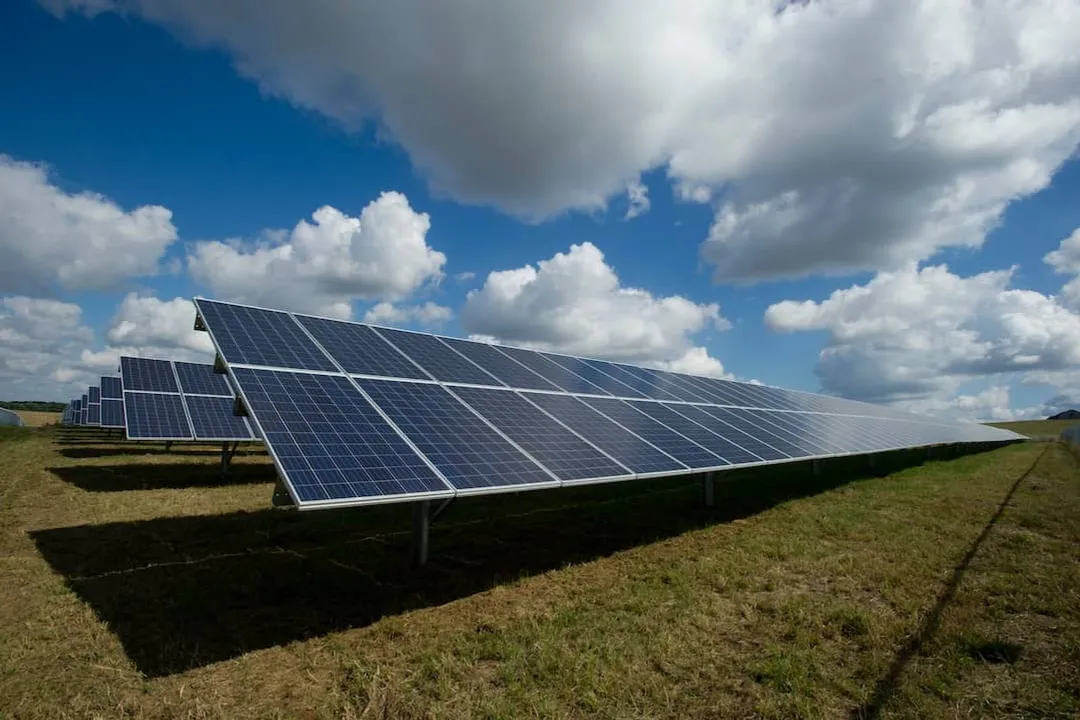
The energy industry features some of the highest compensation packages available across the US economy, often rewarding deep technical expertise and high levels of responsibility. Roles that require advanced degrees, significant operational oversight, or deep specialization command the top salaries.
For instance, Petroleum Engineers consistently rank among the best-paid, with typical salaries easily surpassing $150,000, reflecting the complexity and high-stakes nature of hydrocarbon exploration and extraction. Similarly, Geoscientists who analyze subsurface data crucial for both traditional extraction and emerging geothermal projects also command high compensation due to their specialized analytical skills.
Other high-paying technical positions include Chemical Engineers, who are vital in refining processes and increasingly in developing advanced battery materials and biofuels. Electrical Engineers working on grid design and renewable integration also sit comfortably in high-earning brackets.
It is useful to compare compensation across the different sub-sectors. While the highest peak salaries might still be found in traditional upstream oil and gas, the average salary across the entire renewable sector is rapidly catching up, especially for roles requiring specialized renewable integration knowledge. A mid-career wind turbine technician, for example, can earn significantly more than many entry-level roles in other industries, demonstrating that high pay isn't exclusive to traditional executive or engineering tracks.

# Green Growth
The fastest growth in the energy sector is undeniably centered on clean and renewable energy sources. This expansion is driven by both government policy and falling technology costs, leading to a substantial increase in job creation across solar and wind industries.
Solar Photovoltaic (PV) Installers and Wind Turbine Technicians are frequently cited as two of the fastest-growing occupations in the entire economy, let alone just the energy sector. Wind turbine technicians are in particularly high demand; their job is projected to grow much faster than the average for all occupations. These roles require specialized training, often through certifications or associate degrees, making the pathway quicker than a traditional four-year engineering degree while still offering excellent long-term prospects.
The work environment for these roles often differs significantly from traditional energy jobs. Wind turbine technicians, for example, spend considerable time working at heights and require physical fitness, whereas solar installers focus more on construction and electrical integration at ground level or on rooftops.
Beyond the physical installation, the data and planning side of renewables is exploding. Professionals needed to forecast energy production, manage utility-scale solar farms, and design microgrids are seeing high demand. Companies leading this charge in the renewable space, such as NextEra Energy, Orsted, and Ørsted, are actively recruiting across all levels of expertise, signaling organizational stability and long-term commitment to these sectors.
# Skilled Trades
The perception that energy growth is solely about advanced degrees misses a critical component: the demand for skilled tradespeople. The physical construction, maintenance, and repair of energy infrastructure—whether it's a gas pipeline, a transmission line, or a large solar farm—requires certified, highly skilled workers. This is a key area offering long-term security because these skills are hands-on and often difficult to automate or outsource internationally.
The fastest-growing skilled trade jobs in energy often fall into areas supporting transmission and distribution networks. Key roles include:
- Electricians: Essential for connecting new renewable generation sources to the existing grid and for modernizing internal commercial and residential energy systems.
- Heavy Equipment Operators: Needed for site preparation for large-scale projects like wind farms or new transmission corridors.
- Plumbers and Pipefitters: While often associated with water, they remain necessary for natural gas distribution infrastructure and, increasingly, for geothermal or hydrogen transport systems.
If you are considering a trade path, focusing on certifications that specifically mention grid modernization or renewable integration—for instance, becoming a master electrician with high-voltage DC training—will future-proof your career faster than a general certification. The high retirement rate among the existing skilled workforce exacerbates the demand for these newer entrants, providing a strong negotiating position for wages and benefits.

# Future Preparation
To secure a position with genuine, multi-decade growth potential in the energy sector, individuals should adopt a cross-disciplinary approach. It is no longer sufficient to be just a mechanical engineer or just a technician; the most valuable professionals can bridge domains.
Consider the concept of the Energy Transition Translator. This is an individual who understands the engineering realities of wind power (requiring complex gearboxes and high-altitude work) and the regulatory and financial frameworks needed to secure a Power Purchase Agreement (PPA) for that wind farm. While sources don't explicitly name this role, the demand for individuals who can speak the language of both the field technician and the corporate strategist is growing exponentially. Being able to translate a site's physical constraints into a bankable project plan is a powerful differentiator.
For those looking at traditional energy careers, long-term growth hinges on pivoting toward roles that involve carbon capture, utilization, and storage (CCUS) or the conversion of existing facilities to handle cleaner fuels like hydrogen. Even in established industries, the commitment to reducing environmental impact requires new engineering solutions that pay well and are expected to grow as regulatory pressure increases.
A practical step for anyone aiming for longevity is continuous, specialized upskilling. Many energy companies now partner with educational institutions to offer stackable credentials. Instead of immediately committing to a four-year degree that might date itself quickly, pursuing an associate's degree or technical certificate combined with multiple vendor-specific certifications (e.g., from specific turbine manufacturers or solar inverter producers) allows for quicker entry and more flexible adaptation as technology changes. This layered approach maximizes immediate earning potential while building a foundation for future specialization.
# Compensation Overview
While exact figures shift based on location and experience, the compensation tiers in energy are generally high across the board when compared to the national average for other sectors.
A simplified view of career value might look like this:
| Career Track | Typical Entry Barrier | Long-Term Earning Ceiling | Core Growth Driver |
|---|---|---|---|
| Specialized Engineering | Master’s Degree/Ph.D. | Very High | Grid optimization, new material science |
| Skilled Trades | Associate's/Certification | High | Infrastructure replacement/expansion, high retirement rates |
| Renewable Operations | Technical Degree/Apprenticeship | High/Growing | Solar/Wind deployment volume |
| Management/Sales | Bachelor’s + Experience | Very High | Project financing and large-scale procurement |
This table highlights that high earning potential exists at multiple educational entry points. A highly skilled wind turbine mechanic with ten years of experience and specialized high-voltage certification might out-earn a generalist engineer two years out of university, illustrating that experience and specific, in-demand skills often drive compensation as much as academic pedigree.
The global nature of the energy market also means that opportunities are not confined to a single geographic area. While some roles, like drilling engineering, cluster near resource deposits, the renewable sector requires labor everywhere—from desert solar installations to offshore wind farms in coastal regions. This geographic diversity provides a degree of economic resilience that might not be present in localized industries.
Ultimately, careers offering long-term growth in energy are those that solve the next generation's problems: how to store energy cheaply, how to transmit it efficiently across long distances, and how to generate it without emissions. Whether through advanced physics, complex electrical systems, or highly specialized physical labor, the common denominator for success is an alignment with this fundamental transition.
Related Questions
#Citations
Top 10 Best Paying Jobs in Energy (Renewable & Conventional) 2026
The 15 Best Paying Jobs in Energy: Your Complete Salary Guide for ...
The 15 Fastest-Growing Green Jobs for 2025 (and What They Pay)
Energy career cluster | Explore Careers - CareerOneStop
Careers in Sustainable Energy - Johns Hopkins University
Powering the future: explore the rise of renewable energy jobs
The 5 Fastest Growing Skilled Trade Jobs in Energy - RigUp
Highest Paid Jobs in the US Energy Industry
15 Best Renewable Energy Companies to Work For in 2025