Is Marketing a Good Long-Term Career?
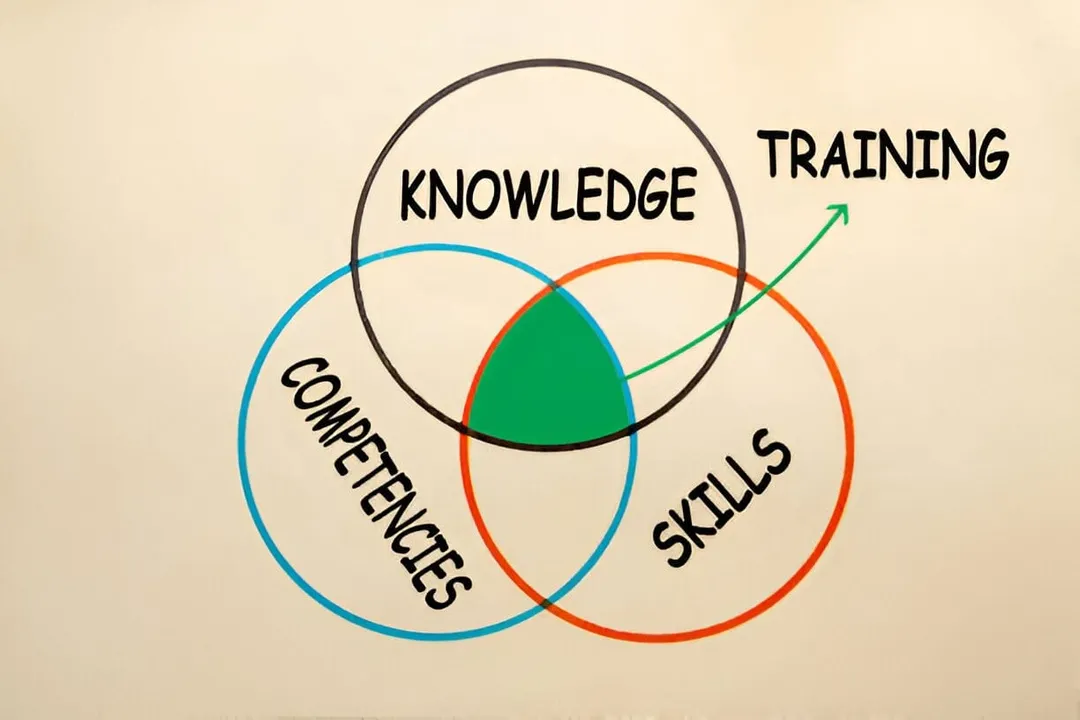
Choosing a career path that remains rewarding and stable for decades requires careful consideration, and marketing often finds itself at the center of this debate. It is a field constantly reshaped by technology, consumer behavior shifts, and economic trends, leading many prospective students and early-career professionals to wonder about its long-term viability. [5][7][10] The reality is that marketing is not a single static job; rather, it is a dynamic function essential to nearly every business, which inherently suggests longevity, provided one is willing to evolve alongside it. [2][4]
# Job Outlook

The general outlook for marketing careers appears positive, driven by the fact that businesses, regardless of size or industry, must communicate their value proposition to potential customers. [2][10] Demand remains steady because nearly every sector, from healthcare to finance, needs skilled individuals to manage their outreach and customer relationships. [4][10] For instance, a reputable institution notes that marketing roles are expected to see growth over the coming decade, reflecting the ongoing need for professionals who can navigate complex digital and traditional channels. [3]
However, this growth isn't uniform across all marketing sub-disciplines. Some roles might see slower growth or increased competition compared to others. [1] The key differentiator for long-term success is understanding where the industry is moving. As data collection and automation become more sophisticated, the value shifts from simply executing tasks to possessing strategic oversight and specialized analytical skills. [1][9] The need for strong generalists who understand the whole customer lifecycle remains, but specialists in areas like data science integrated with marketing or advanced customer experience design are increasingly sought after. [1]
# Diverse Roles

One significant strength of marketing as a long-term career is its sheer breadth. It is rarely confined to one narrow specialization, allowing professionals to pivot their focus without entirely leaving the field. [6][7] If one path becomes saturated or less interesting, options abound elsewhere.
Consider the spectrum of roles available:
- Creative & Content: This includes copywriting, video production, graphic design, and content strategy, focusing on brand storytelling. [4][6]
- Analytical & Data: Roles centered on performance marketing, marketing analytics, A/B testing, and attribution modeling, requiring comfort with numbers and tools. [1][2]
- Strategy & Management: Positions involving overall marketing planning, product marketing management, brand stewardship, and team leadership. [2][4]
- Digital Channels: Specialists managing SEO, SEM, social media platforms, email campaigns, and website optimization. [6]
The ability to transition between these areas provides career resilience. A content strategist who learns robust conversion rate optimization (CRO) techniques, for example, becomes significantly more valuable than one who only focuses on article writing. [1] This inherent adaptability often leads to stable career prospects. [5]

# Essential Skills

To ensure a career spans decades, professionals must cultivate a core set of skills that transcend current platform trends. While knowing how to use the latest social media platform is important for immediate employability, deeper competencies ensure longevity. [7][9]
The most enduring skills generally fall into two categories: strategic thinking and human understanding. [6]
# Customer Insight
At the heart of good marketing is psychology—understanding why people buy, what motivates them, and how they make decisions. [1][6] This understanding of human behavior is much harder for technology to replicate than, say, programmatic ad buying. [5] A marketer who truly grasps customer pain points and desires can apply that knowledge whether they are marketing through a billboard, a TikTok ad, or a virtual reality interface. [6]
# Business Acumen
Marketing is a business discipline, not just a creative one. Long-term success demands an understanding of finance, sales processes, and overall business objectives. [2][7] Being able to articulate marketing spend in terms of revenue generated or market share gained is crucial for career progression into senior leadership roles. [2]
When assessing long-term viability, it is useful to think about a personal skill depreciation rate. Technical proficiencies, such as mastery over a specific marketing automation platform, might have a shelf-life of three to five years before a significant update or replacement renders them partially obsolete. Conversely, deep expertise in consumer psychology, ethical negotiation, or translating complex ideas into simple language has a depreciation rate closer to fifteen or twenty years, making it the true bedrock of a long-term career. [5]
# Navigating Change

The primary challenge cited by those questioning marketing’s future is the rapid pace of technological change, especially concerning artificial intelligence and data privacy. [1] It is true that AI can automate basic tasks like drafting initial ad copy or segmenting email lists. [1] This shift means the entry-level role might look very different in five years than it does today. [5]
Instead of fearing automation, long-term marketers see it as an opportunity to move up the value chain. If AI handles the tactical execution, the human role becomes focused on setting the strategy, defining the ethical boundaries, validating the creative output, and interpreting the complex, ambiguous results. [1][9]
As one professional noted on a discussion forum, "If you only know how to run Facebook ads, you're in trouble. If you know how to use the data Facebook provides to inform your overall product messaging, you’re invaluable". [1]
This adaptability requires a commitment to continuous learning. Marketing professionals must budget time and resources not just for conferences or certifications on new tools, but for deepening their foundational knowledge in areas like statistics or behavioral economics, which provide the durable context for new technologies. [2][9]
# Practical Application Check
For those in regional or smaller markets, the long-term outlook can seem cloudier than in major tech hubs. While the national reports might show growth, job volume and salary ceiling can be heavily influenced by the local economy's structure. [10] For example, a marketing role focused on B2B software sales support in a major technology corridor will likely offer higher compensation ceilings and more exposure to cutting-edge platforms than a similar-titled role managing local retail promotions in an area dominated by older industries. A proactive professional recognizes this and either seeks out projects that mimic higher-level work or actively builds a specialized, transferrable portfolio that allows them to eventually relocate or work remotely for organizations in higher-growth sectors. [2][7]

# Career Progression
A good long-term career path offers increasing responsibility, compensation, and impact. Marketing generally delivers on this, with clear avenues for advancement. [4] Early roles often focus on execution—managing social posts, tracking campaign results, or writing blog drafts. [6]
Progression usually follows a pattern:
- Specialist/Coordinator: Deep dive into one area (e.g., SEO, Email).
- Manager: Overseeing a specific channel or small team, owning budget for that area.
- Director: Managing a larger function (e.g., Demand Generation, Brand Marketing) and focusing on cross-departmental alignment.
- VP/CMO: Setting the overarching strategy, tying marketing performance directly to corporate financial health.
This structure means that if you enter the field with a strong analytical foundation, your career trajectory can quickly move toward leadership that dictates company direction, rather than simply executing someone else’s vision. [2][7] The move from execution to strategy is the key long-term progression point, and marketing provides fertile ground for this transition due to its direct link to revenue generation. [2]
# The Intrinsic Rewards
Beyond stability and salary, the enjoyment of the work plays a major role in long-term career satisfaction. [6] Marketing offers tangible rewards that keep people engaged. You get to see the direct result of your efforts—a product launch that succeeds, a customer acquisition target hit, or a brand perception shifting positively. [4]
For those who thrive on variety, marketing is rarely boring. The need to constantly refresh creative angles, test new channels, and respond to real-time market feedback prevents stagnation. [6] If the day-to-day work feels less like a grind and more like solving puzzles, the career is more likely to last. [5]

# Final Assessment
Marketing is a viable, often excellent, long-term career path, not despite its constant change, but because of it. [9] It will not be a good long-term career for those who seek rigid, unchanging processes or who prefer to master one specific, narrow technical skill and stop learning. [5] Success belongs to the adaptable generalist or the deeply specialized strategist who prioritizes understanding human motivation and business outcomes above mastering any single software interface. [7][10] Those who treat their skill set as a portfolio that requires active, continuous reinvestment will find marketing offers security through flexibility and a constantly evolving set of interesting challenges. [2][9]
Related Questions
#Citations
Is marketing a viable career path in today's changing landscape?
Why You Should Consider Marketing As a Career - Indeed
Is the Marketing Job Outlook Strong? Trends You Need to Know
Is Marketing a Good Career? Why Choose a Career in Marketing
Is marketing a good career? I'm studying it in college. - Quora
Would I like marketing as a career? A guide for students - Prosple
Is marketing a good major? - Central Michigan University
Is marketing a good career path for me - Torrens University Australia
Is Marketing a Good Career? - Altera Institute
Is Marketing a Good Career? | CSU Global