Is aquaponics a viable long-term career?
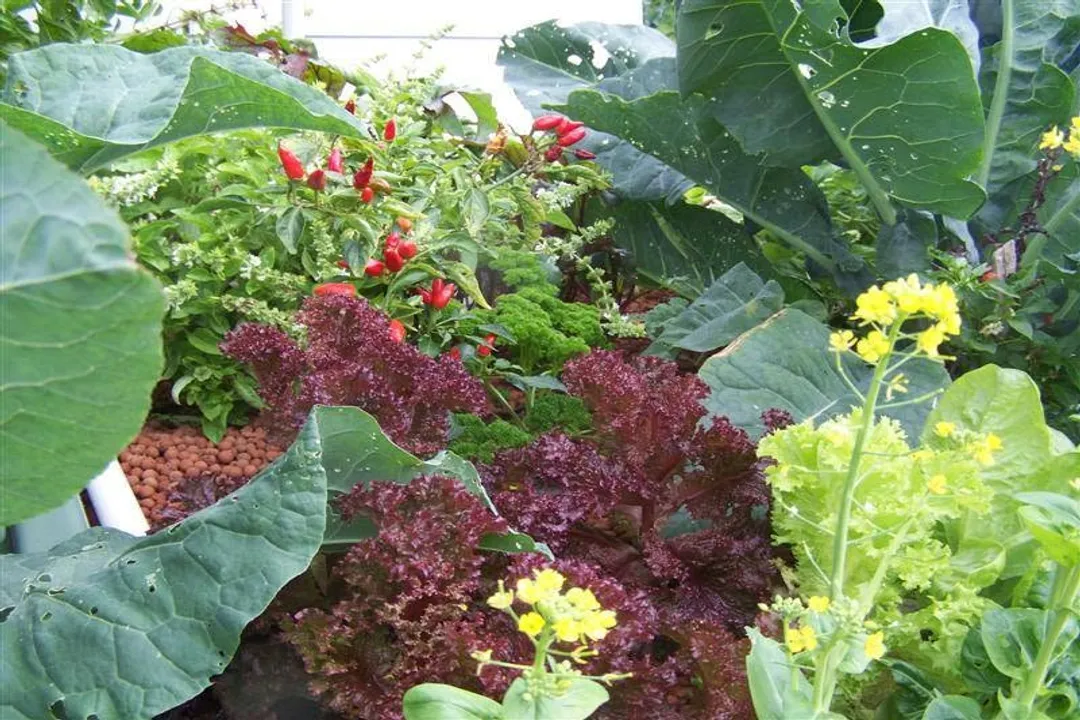
The decision to pursue aquaponics as a long-term career path involves balancing genuine excitement for the technology with a sober assessment of its complex economics and required expertise. Many people are drawn to the concept of combining aquaculture and hydroponics into a symbiotic, resource-efficient growing system, imagining a future where food production is localized and sustainable. [2][10] However, translating that vision into a reliable income stream requires navigating significant operational hurdles, market acceptance, and initial capital outlay. [7][8]
# Market Scope
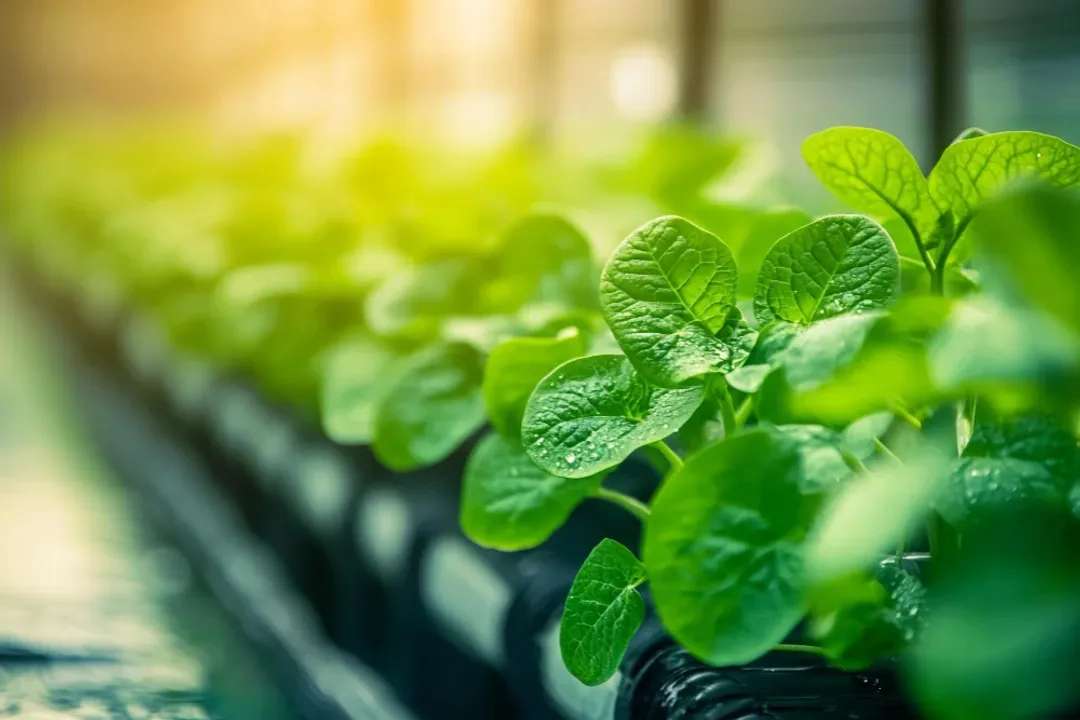
The current landscape shows increasing interest in commercial aquaponics, suggesting a growing, albeit specialized, business case. [10] Opportunities exist across various scales, from small urban setups targeting local restaurants to larger commercial ventures. [2][8] Some discussions highlight the potential for significant yield in a small footprint, which is attractive for operations facing land constraints. [4] Furthermore, the ability to grow high-value crops in combination with fish provides a diversified revenue stream that traditional farming might lack. [9]
For instance, while one approach focuses on maximizing leafy greens and tilapia—a common starting point—the true long-term viability often hinges on cultivating specialty crops or higher-value species. The market for products grown using these methods, often perceived as cleaner or more sustainable, can sometimes command a premium, though this pricing power is not guaranteed. [2] The sheer variety of what can be grown, from herbs to strawberries and various finfish, suggests a flexible model, as evidenced by community discussions where producers share what they are successfully cultivating, such as trout, catfish, and various lettuce types. [5]
# Economic Hurdles
Profitability in aquaponics is not automatic; it requires careful financial planning and often necessitates a shift in perspective from hobbyist to seasoned business operator. [7] A major point of contention revolves around scale. Can a large-scale operation succeed purely on the sale of fish and vegetables without other revenue streams? The consensus leans toward difficulty. [3] If a system is designed solely for standard production (e.g., large amounts of basic lettuce and tilapia), the margins can be razor-thin, making it hard to cover the costs associated with energy, labor, and initial infrastructure. [3][7]
The economic structure of aquaponics often means that operational costs can be surprisingly high relative to the revenue generated by commodity crops. [7] Energy consumption for pumps and aeration, for example, represents a constant, non-negotiable expense that must be budgeted for meticulously. [4] To mitigate this, adopting a low-cost, high-yield business plan that focuses on efficiency from the start is crucial. [4]
One original observation regarding cost structure is the importance of energy source diversity. A farm relying solely on grid electricity faces significantly higher risk and operating costs than one that can incorporate solar or wind energy, even if the upfront capital investment for renewables is higher. Calculating the payback period on energy infrastructure based on local utility rates is far more critical to long-term viability than simply calculating the return on the fish tanks themselves. A farm generating its own power can effectively lower its ongoing variable costs, creating a margin buffer that commodity-based competitors simply cannot match. [7]
# Essential Skillsets
A successful career in aquaponics demands a multidisciplinary skill set that goes well beyond simply knowing how to feed fish or mix nutrients. Aspiring professionals often seek advice in forums, looking for a clear career path, and the responses invariably point to the need for deep, practical knowledge across biology, engineering, and business management. [8]
First, there is the biological expertise: understanding the nitrogen cycle, diagnosing plant diseases, managing fish health, and mastering water quality parameters like and dissolved oxygen is fundamental. A failure to control these variables can lead to rapid crop or fish loss. [1] Experience in one area, like traditional soil gardening, does not automatically translate to success in an aquatic environment. [8]
Second, systems management and engineering are non-negotiable. This involves plumbing, pump maintenance, electrical troubleshooting, and climate control. When things fail—and they will—the ability to quickly diagnose a plumbing leak or a failing pump without professional help can save the entire harvest. [1]
Finally, and perhaps most overlooked by newcomers, is the business acumen. This includes marketing, accounting, securing consistent sales channels, and navigating local regulations. [7] One commenter noted the steep learning curve when transitioning from the act of growing to the business of selling, emphasizing that you must know your market before you stock your tanks. [1]
# Diversifying Revenue Streams
Because relying solely on bulk sales of standard produce is precarious, long-term viability often hinges on diversification and added value. [3]
# Value-Added Products
One approach is to move beyond selling raw fish and vegetables into value-added products. If one is growing herbs, perhaps drying and packaging them is the next step. If selling fish, offering fillets or smoked products, instead of only whole fish, captures more of the consumer dollar. [3] This moves the product out of direct competition with large-scale, cheap importers and into a premium or niche market segment. [2]
# Biological Culture Sales
Profitability can dramatically increase when the system sells biological culture rather than just its outputs. [3] This means becoming a supplier of high-quality starter fish (fingerlings) or established seedlings to other growers. This niche requires even higher biological expertise but often yields a better return on investment because the price per unit of biological material is much higher than the price per pound of mature harvestable product. [3]
For established farm owners looking to integrate aquaponics, the potential is often found by applying the system to existing high-value crops rather than replacing established, profitable lines with lower-margin fish/veg combos. [9]
# Operational Models
A common career entry point involves working within an existing operation to gain experience before striking out independently. [8] Some successful models focus on direct-to-consumer sales, like setting up at farmers' markets or operating a Community Supported Agriculture (CSA) program specifically for aquaponic produce. This cuts out the middleman, ensuring the farmer captures a greater portion of the retail price.
This leads to a second original consideration: the "Experience Tax" versus "Education Income." Many hobbyists seek advice, absorbing the time and knowledge of established operators for free on public forums. A sustainable career path must account for monetizing this knowledge transfer. For example, a viable, small-scale commercial operation might dedicate 10% of its labor budget to creating and selling a high-quality, locally specific "Beginner's System Setup Guide" or hosting paid workshops on pest management specific to their region. This turns the unavoidable need to answer basic questions into a small, reliable revenue stream, offsetting the "experience tax" paid by every new entrant in the field. [1][4]

# System Longevity
Long-term viability in aquaponics is less about the system itself—which is fundamentally sound—and more about the operator's relationship with the market and the environment. [10]
# Climate and Geography
The viability of a year-round career is heavily influenced by location. A system in a climate that requires extensive heating and cooling year-round (high energy input) will face vastly different economic realities than one located in a temperate zone where supplemental heating or cooling is only minimally required for short periods. [7] Attempting a large-scale, non-tropical aquaponics operation in a region with high seasonal temperature swings, without robust and cheap energy access, is a formula for high operational expenditure and potential failure when capital runs low during off-seasons. [7]
# Market Niche Selection
The systems that appear most durable are those that serve a specific, defensible market niche. [9] This could be supplying rare, high-demand microgreens to top-tier chefs year-round, or focusing exclusively on producing specialty ornamental fish fry. When the entire business plan hinges on selling commodity lettuce at the local grocery store price point against massive soil-based farms, the business is vulnerable. The competitive edge of aquaponics is usually consistency, location, and quality control, not sheer volume or lowest price. [2]
Ultimately, while aquaponics is viable as a long-term career, it functions more like a specialized manufacturing and agricultural hybrid than traditional farming. Success demands treating the biological components as delicate machinery requiring constant tuning and preventative maintenance, coupled with a sharp, localized business strategy focused on premium or niche product delivery rather than mass-market competition. [10] It remains a career path that demands significant upfront investment in both capital and specialized education, rewarding those who master the intersection of engineering, biology, and commerce. [8]
#Videos
Can You Make Money with Aquaponics? The Truth About Profitability
Related Questions
#Citations
Beginning a Career in Aquaponics - Reddit
Opportunities in Aquaponics Business | A Profitable Business Model
Can aquaponics be profitable in large scale without the added value ...
Small-Scale Aquaponics Business Plan for Urban or Backyard ...
Aquaponics | Dear members, I really need some advice here. I fell in ...
Can You Make Money with Aquaponics? The Truth About Profitability
Economics of Aquaponics - Oklahoma State University Extension
Career path help! - The Aquaponics Association Community
Unlocking Aquaponics Farming Potential for Farm Owners in 2026
The growing business case for commercial aquaponics