Is HR a Good Long-Term Career?

The determination of whether Human Resources truly constitutes a sound, enduring career path often depends less on the function itself and more on where an individual positions themselves within that function and what they prioritize in their professional life. [2][4] While HR has long served as the organizational backbone for everything from hiring to compliance, the scope of the work is undergoing significant transformation, meaning that the type of HR work someone does today heavily dictates their prospects for the next decade or two. [10] For many, the appeal lies in being directly involved in the human element of business, acting as a confidant, strategist, and culture steward. [8] For others, the administrative grind and frequent exposure to organizational friction present significant barriers to long-term job satisfaction. [3]
# Career Longevity

The perceived safety of an HR career is often debated, hinging on the balance between necessary strategic oversight and potentially automatable administrative tasks. [2] Fundamentally, organizations cannot eliminate the need for human capital management; as long as people are employed, there will be a need for functions related to employment law, compensation, training, and culture. [5] This foundational necessity suggests a reliable, enduring demand for HR professionals overall. [10]
However, the structure of the roles is changing. [4] Transactional HR—the processing of payroll, managing basic benefits enrollment, and updating personnel files—is increasingly being handled by sophisticated software systems or outsourced entirely. [2] Professionals whose primary value rests solely on executing these repeatable tasks face a genuine risk of redundancy or severe downward pressure on their value proposition. [1] Conversely, roles that require deep expertise in organizational design, change management, workforce planning, or complex employee relations become more critical as companies seek agility. [10] These strategic positions are difficult, if not impossible, to automate and will continue to grow in importance. [2]
One way to look at this longevity is through a specialization lens. If you view HR purely as a cost center managing paperwork, its future is precarious. If you view HR as the intelligence unit responsible for maximizing organizational performance through people—linking talent strategy directly to P&L outcomes—then the field is not just viable, but increasingly essential. [5][9] The market demands professionals who speak the language of business, using data derived from HR operations to advise executive decisions, a shift many sources highlight as the key to career endurance. [2]
# Job Rewards

People who thrive in HR frequently point to the intrinsic satisfaction derived from helping both the organization and its employees succeed simultaneously. [8] This is not a monolithic field; the variety available is often cited as a major positive. [3] One day might involve designing an executive leadership program, and the next might involve navigating a delicate disciplinary conversation that ultimately preserves a high-performing team member's tenure. [4]
The ability to influence culture is a compelling draw. [8] HR professionals are often the architects of the employee experience, shaping everything from onboarding processes to internal communication strategies. [8] For individuals motivated by purpose, seeing tangible improvements in employee morale, engagement scores, or witnessing a new hire grow into a company leader provides significant fulfillment. [8] The role is inherently people-centric, which appeals to those who derive energy from interpersonal interaction and problem-solving involving human dynamics. [3][4]
Furthermore, HR can serve as an excellent launchpad for other business functions. [5] Because HR professionals interact with nearly every department—finance, operations, sales, and legal—they gain broad organizational exposure that few other roles offer. [5] This cross-functional knowledge is invaluable if one later decides to transition into general management or operations. [9] For those staying within HR, this breadth allows for specialization later, moving from a generalist role into focused areas like compensation and benefits, learning and development, or talent acquisition. [10]

# Career Hurdles

Despite the fulfilling aspects, the path is not without significant professional hazards and frustrations that can derail a long-term commitment. [3] A persistent challenge is the management of conflict and emotional labor. [3] HR acts as the necessary intermediary when management decisions conflict with employee desires, or when personal disputes arise between colleagues. [2] This means absorbing stress, delivering unwelcome news, and managing intense emotions across the entire workforce. [3] For those sensitive to constant interpersonal friction, this can quickly lead to burnout. [1]
Another common complaint involves the perception of HR's authority within the wider organization. [1] Sometimes, HR is relegated to the role of "enforcer" or "personnel police," tasked only with ensuring rules are followed, rather than being viewed as a strategic partner consulted before major business decisions are made. [1][3] This can feel frustratingly administrative, leaving professionals feeling undervalued despite handling mission-critical tasks. [1] In organizations where HR lacks executive support, professionals can find themselves implementing policies they know will fail due to lack of buy-in, yet being blamed for the failure. [2]
The administrative load remains a heavy anchor for many generalist roles. [3] If a company structure is inefficient, HR can become buried in paperwork, compliance tracking, and manual data entry, pulling time away from strategic initiatives that actually drive business value. [4] It can feel like constantly putting out fires rather than designing fireproof buildings.
# Evolving Skillset

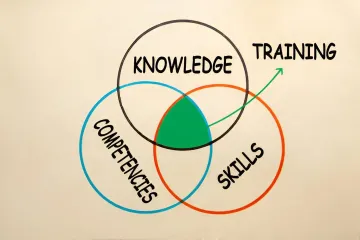
To secure a future in HR, the skillset must evolve away from purely procedural knowledge toward analytical and consultative expertise. [2] The modern HR professional needs to be digitally fluent, understanding not just how to use HRIS platforms, but how to interpret the data they generate to forecast attrition or measure training ROI. [10]
A critical development is the requirement for genuine business acumen. [9] This involves understanding the company’s industry, competitive landscape, revenue streams, and primary operational costs. [2] If an HR leader cannot effectively articulate how a new performance management system will save the company money or increase market share, they are unlikely to be seen as a strategic asset. [9]
Consider the rise of specialized data roles. While generalists might feel squeezed, specialists like People Analysts or HR Technology Managers are seeing surging demand and compensation. These roles require a background that blends human insight with quantitative analysis, often demanding proficiency in tools like SQL, advanced Excel, or dedicated analytics dashboards. [2]
If you are charting a long-term course in this field, actively seek opportunities to map your initiatives to financial or operational outcomes. For instance, instead of just reporting on turnover rates, you should be prepared to calculate the cost of turnover across different departments and propose specific, measurable interventions based on that cost. [9]
# Personal Alignment
Ultimately, deciding if HR is a good long-term career comes down to a personal assessment of risk tolerance and interpersonal motivation. It is a sector characterized by high-touch interaction and constant organizational change, which suits some personalities immensely while draining others. [4][5]
If your ideal work environment involves clear, defined processes, predictable outcomes, and minimal exposure to interpersonal disputes, HR, particularly in heavily regulated or transactional roles, may prove exhausting over two decades. [3] Conversely, if you thrive on complexity, enjoy being the person who can bridge gaps between disparate groups, and find satisfaction in shaping organizational potential, the field offers incredible longevity and impact. [8]
One area worth scrutinizing early on is your relationship with organizational politics. HR professionals are often tasked with implementing unpopular decisions that stem from executive leadership—layoffs, restructuring, or mandatory policy shifts. [1] A successful, long-term career requires the resilience to execute decisions you may not personally agree with, always maintaining professional impartiality. [3] If maintaining personal ideological purity over organizational mandate is a core requirement for your happiness, the constant need for ethical neutrality in HR can become a breaking point. [2]
To truly test your fit for the long haul, examine not just what you enjoy doing, but how you handle stress related to people. If your preference is strictly task-based conflict resolution—such as fixing a broken system or process—the constant, high-stakes people-based friction inherent in HR may lead to burnout faster than in fields focused purely on technical execution. [3] The long-term sustainability of an HR career hinges on embracing the messiness of human interaction as a core, rewarding part of the job, not just a necessary evil to get to the paperwork.
# Growth Trajectories
The path upward in HR usually involves transitioning from managing day-to-day execution to shaping long-term strategy. [5] Early career roles, such as HR Coordinators or generalist positions, focus heavily on administration, compliance, and employee support. [5] These roles provide essential foundational experience in employment law and basic operational cadence. [1]
Progression typically moves toward specialized functions or senior generalist/HR Business Partner (HRBP) roles. The HRBP model, in particular, requires embedding within a specific business unit (like Sales or R&D) to act as their dedicated strategic advisor. [9] This shift demands a deep understanding of that unit’s specific challenges, market position, and talent pipeline needs. [2] Success here means being seen as a genuine business partner rather than just an administrative support function. [9]
The apex roles—VP of HR or Chief People Officer—involve significant board interaction, risk management at the highest level, and direct accountability for organizational effectiveness tied to shareholder value. [10] Reaching this level demands not only deep HR expertise but also proven financial literacy and exceptional communication skills to translate talent strategy into business results. [9]
It is also worth noting that movement out of HR is a common and viable long-term trajectory for those who gain broad experience. [5] An experienced HR Director who has overseen several large-scale organizational changes may be perfectly positioned to step into a Chief Operating Officer (COO) role, given their comprehensive view of how people, process, and structure interact to deliver organizational performance. [5] Thus, HR can be both a destination career and an excellent, high-trust staging ground for other executive roles. [9]

# Navigating the Digital Shift
The technological landscape presents both the biggest threat to certain HR jobs and the greatest opportunity for others. [2] The industry is moving toward predictive analytics and automation in areas like recruiting screening, performance tracking, and compliance audits. [4] This transition requires HR professionals to become adept consumers of technology, even if they are not the developers. [2]
For instance, knowing which metrics truly indicate flight risk versus simple dissatisfaction requires skill in data cleaning and interpretation—skills often found outside traditional HR training. [10] A professional who embraces this data fluency can pivot from being an administrator of processes to an architect of insights. [4]
This technological imperative creates a gap: the need for HR technologists who can bridge the gap between IT infrastructure and employee needs. [2] If you possess a knack for systems implementation or data visualization, you are moving toward a high-growth sub-specialty within the broader HR ecosystem. [10] The long-term winner in the HR field will likely be the one who masters the human side of technology adoption, ensuring new tools actually improve the employee experience rather than just complicate workflows. [8]
Related Questions
#Citations
Is HR still a viable career path, or should I pivot back to tech? [N/A]
Is HR a Good Career for You? All The Info You Need To Decide - AIHR
The Pros and Cons of a Career in HR | Human Resources
Is HR Still a Good Career Path in 2025? | Human Resources
Is HR a Good Career? - Six Signs It Suits You
How is HR as a career option for the next 10-20 years? - Quora
HR Management: Is Human Resources a Good Career Choice?
6 Reasons Why People Love Working in HR | Cezanne Blog
Is HR a Safe Career Option? [10 Key Factors][2025] - DigitalDefynd
What I Wish I Knew When I Started A Career in HR