Is Manufacturing a Good Long-Term Career?
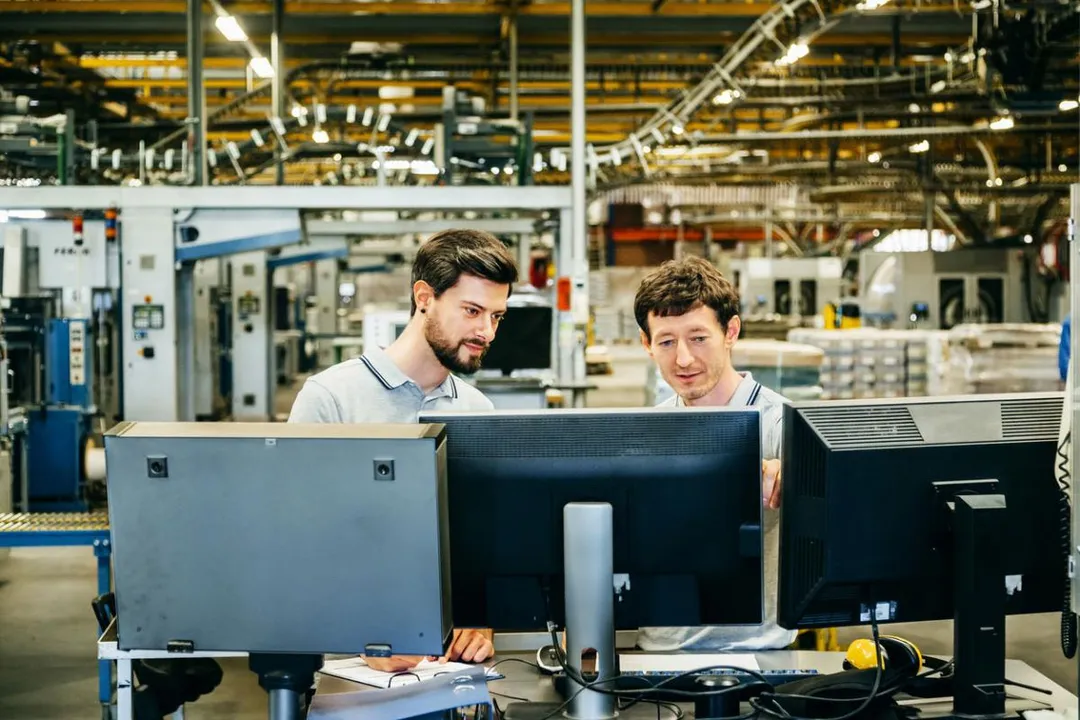
The question of whether a career in manufacturing offers long-term security and fulfillment is far more complex today than the public perception might suggest. For many, the image conjured is one of repetitive, low-skill factory floors reminiscent of decades past. However, the modern manufacturing sector is rapidly transforming into a highly technical, automated, and essential component of the global economy, presenting compelling arguments for its viability as a long-term professional path. [3][7] The continued presence of manufacturing jobs across various sectors, from aerospace to food production, underscores its fundamental nature in supporting daily life and infrastructure. [4][6]
# Stability Focus

Manufacturing remains one of the most reliable career paths available, often providing a bedrock of employment stability that other industries may lack during economic fluctuations. [6] While certain sectors may experience dips, the fundamental need for producing tangible goods means the industry as a whole rarely vanishes; it merely shifts. [1] For those seeking longevity, the consistent demand for goods—whether consumer staples or specialized industrial components—offers a built-in degree of job security. [9]
A key factor underpinning this stability is the current workforce dynamic. Many experienced workers are approaching retirement age, creating a significant talent gap that employers are actively trying to fill. [5] This demographic shift creates opportunities for new entrants to secure positions and advance relatively quickly, as the immediate need for skilled labor is high. [1] The transition period is essentially forcing employers to look for reliable, long-term commitments from new hires. [6]
This reliability also translates to competitive compensation, especially when factoring in the total benefits package. While starting wages might vary, those who commit to developing specialized skills often see significant increases in earning potential over time. [2] Furthermore, many manufacturing environments offer structured work schedules, which, while sometimes involving shift work, can provide a predictable framework for personal planning that is highly valued by employees seeking consistent income and work-life boundaries. [2] In fact, for many skilled roles, the combination of pay, benefits, and schedule predictability creates a highly favorable compensation profile when compared to similar entry points in other industries. [1]
# Technology Shift

One of the most significant changes shaping manufacturing careers is the integration of advanced technology, often referred to as Industry 4.0 or smart manufacturing. [3][5] The factory floor is no longer solely about manual labor; it is increasingly about programming, operating, maintaining, and troubleshooting sophisticated machinery, robotics, and data systems. [7][9] This modernization elevates the intellectual demands of the roles available, shifting the required skillset toward technical proficiency. [5]
The evolution from manual operator to technician often requires mastery over programmable logic controllers (PLCs), computer numerical control (CNC) machines, and advanced data analytics used for quality control and process optimization. [3] The ability to work with these digital tools is what transforms a temporary job into a sustainable, long-term career path. [5] When considering career longevity, it is crucial to recognize that a machine operator who learns to calibrate, repair, and program the robot they previously only loaded materials for is exponentially more valuable and less replaceable than one who cannot. [3] The industry is moving away from pure physical output and toward intellectual output applied to physical processes.
It’s worth noting the contrast between older and newer facilities. A plant built before 2000 might still rely heavily on mechanical maintenance and manual oversight, while a new facility might have complex, integrated SCADA systems where troubleshooting requires network diagnostics as much as mechanical aptitude. [1] Choosing to enter a company that invests heavily in modernization is a strong indicator of long-term career viability, as these firms are preparing for the next few decades of production, not just the next fiscal year. [3]
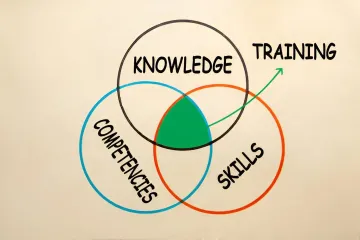
# Career Pathways
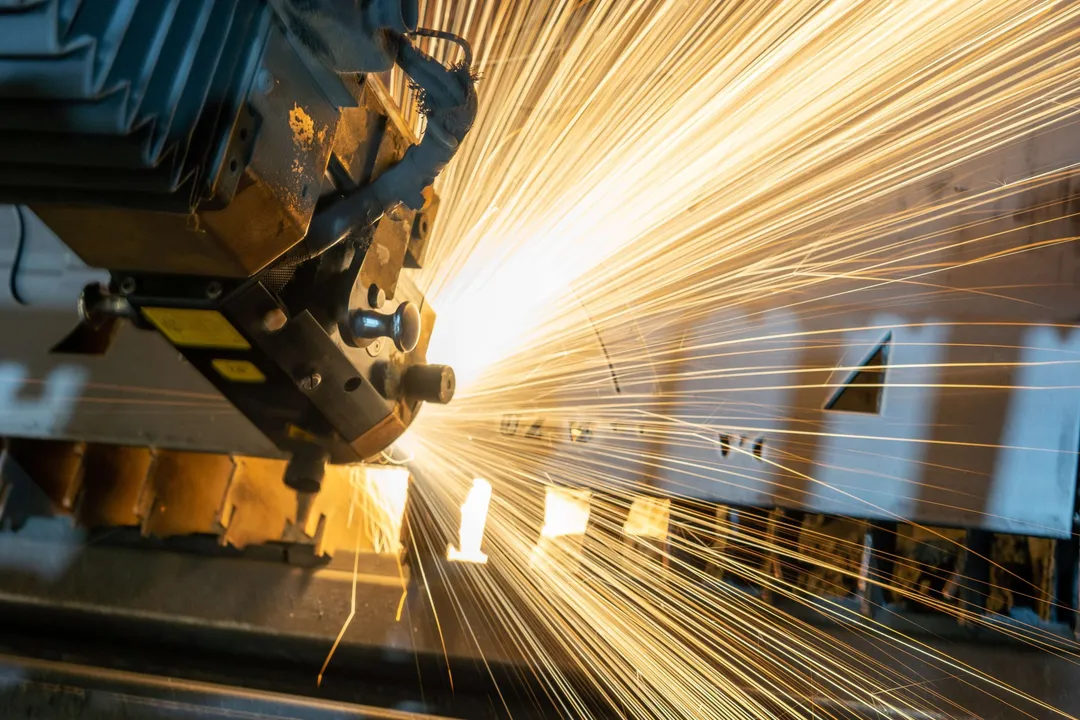
Manufacturing offers surprisingly diverse avenues for long-term professional growth, extending far beyond the direct assembly line. [8] For those who start in an entry-level production role, the opportunities to move upward are often clearly defined, providing a roadmap for advancement. [2][5]
# Advancement Tracks
Career progression in manufacturing typically follows a few established tracks:
- Technical/Skilled Trades: This path involves deepening expertise in a specific area like welding, electrical maintenance, mechanical repair, or quality assurance. Certifications and continuous technical training are key here. [8] A Maintenance Technician II advancing to a Master Electrician or PLC Specialist represents a clear, well-compensated career ladder. [2]
- Supervisory/Management: Individuals demonstrating strong leadership, problem-solving abilities, and process understanding can move into roles like Team Lead, Production Supervisor, or Plant Manager. [5] This track values experience gained on the floor combined with soft skills like communication and conflict resolution. [1]
- Engineering Support: As plants modernize, there is an increasing need for individuals who bridge the gap between R&D/Engineering and the shop floor. Roles like Manufacturing Engineer, Process Improvement Specialist, or Robotics Coordinator require the foundational understanding of production coupled with engineering principles. [8]
Millennials and younger workers are often drawn to the sector because these clear structures allow them to see exactly what steps they need to take to achieve a higher salary bracket or more responsibility within five to ten years. [5] It is less ambiguous than some careers where promotion is based on tenure alone, as technical mastery often accelerates one's trajectory. [2]
# Diverse Roles
The best career options in manufacturing are not limited to the assembly line itself. The sector demands professionals across the entire operational spectrum: [8]
- Quality Control/Assurance: Professionals ensuring products meet exacting specifications, often involving statistical process control (SPC). [8]
- Supply Chain and Logistics: Managing the flow of raw materials in and finished goods out, which is critical for timely production. [4]
- Health and Safety: Ensuring compliance with strict safety regulations, a role that becomes more technical as machinery evolves. [9]
- Automation and Controls: Experts designing, installing, and maintaining the automated systems that run the modern facility. [3]
# Financial Outlook
Compensation is a critical element when assessing long-term career value. While the perception often centers on low entry wages, the reality for skilled manufacturing workers can be quite competitive, especially when benefits are included. [2] Many manufacturing firms offer benefits packages that can significantly boost the total compensation value, including strong health insurance, retirement matching (like 401(k) programs), and paid time off. [1][6]
When looking at the earning potential, consider the data: while the Bureau of Labor Statistics noted in 2014 that the average manufacturing worker earned slightly less hourly than the average for all private-sector production and nonsupervisory jobs, this hides the significant variance across specialized roles. [7] The difference between a baseline assembler and a certified welder or CNC programmer can be substantial, often exceeding a 50% wage gap for equivalent hours worked. [1]
If you map out a 15-year plan where initial education (perhaps a technical certificate or associate's degree) costs significantly less than a four-year university degree, and you enter the workforce sooner and begin accruing retirement benefits earlier, the net long-term financial advantage can swing favorably toward manufacturing. For example, if an individual enters a 75,000/year specialized role by age 28, they have gained eight years of work experience and savings accumulation over a peer who spent those same eight years in college. [5]

# Addressing Common Concerns
No career path is without its drawbacks, and honest assessment requires acknowledging the potential negatives associated with manufacturing work. [2] Understanding these points allows a prospective employee to select a company or role that mitigates the most undesirable aspects.
# Work Environment
One frequent complaint involves the work setting itself. Manufacturing environments can be loud, sometimes subject to temperature variations, and physically demanding. [2] However, modern facility design and OSHA regulations have drastically improved working conditions. [6] For instance, many contemporary plants feature advanced climate control, better lighting, and ergonomic workstations designed to reduce strain compared to older facilities. [2] If you are sensitive to noise, prioritizing roles in quality labs or supervisory offices within a plant, or targeting firms that have heavily invested in sound dampening technology for their machinery, can make a huge difference in daily comfort. [1]
# Scheduling Demands
Shift work—nights, weekends, or rotating schedules—is common in 24/7 production environments. [2] This can be a major hurdle for those prioritizing fixed social schedules. On the flip side, some workers prefer compressed schedules (four 10-hour days) or the consistent night shift premium pay. It is essential to be realistic about one's tolerance for non-standard hours when evaluating job offers. [2] A good strategy is to inquire during interviews about the typical rotation frequency and management's flexibility regarding shift swaps, as policies vary widely. [1]
# Stagnation Perception
The perception that manufacturing jobs become stagnant is perhaps the most misleading aspect for long-term planners. [6] While some low-skill, repetitive jobs may indeed stagnate, these are precisely the roles being automated or outsourced. [3] The long-term, high-value careers in modern manufacturing are characterized by continuous learning. A technician must constantly stay current on new machine operating systems, safety protocols, and material science advancements. [5] If an individual views their training as ending upon hiring, stagnation is guaranteed; if they view their career as one of perpetual upskilling, the opportunities are plentiful. [9]
# The Future Outlook
The outlook for manufacturing careers is not just positive; it is foundational to national economic health. [4][6] Governments and industry leaders recognize that a domestic manufacturing base is crucial for supply chain resilience and technological leadership. [4] This recognition translates into sustained investment, which directly supports job creation and wage growth for skilled workers. [9]
The transition towards advanced manufacturing means that the type of worker needed is changing, not that the need for workers is disappearing. [7] The skills valued tomorrow—data interpretation, automation maintenance, process engineering—are precisely the skills that offer the best long-term career insulation against obsolescence. [3][5] Manufacturing is no longer just about making things; it is about smartly making things. [7]
Ultimately, whether manufacturing is a good long-term career depends less on the industry itself and more on the individual's commitment to adaptation. For the person willing to step away from outdated stereotypes, embrace technical training, and see the factory floor as a living laboratory for process improvement, the sector provides stability, clear advancement, and meaningful work in essential industries. [4][9] The longevity is there, provided the worker commits to being part of the next generation of manufacturing expertise. [5]
Related Questions
#Citations
Is a job in a manufacturing field worth it? - Reddit
Pros and Cons of Working in Manufacturing | Goodwin University
5 Reasons to Start a Career in Manufacturing - Verstela
Manufacturing Is Still the Best Career You've Probably Overlooked
7 Reasons to Consider a Career in Manufacturing - GBCTechtraining
Manufacturing - Hot Career Paths - Cardinal Staffing Services
Got skills? Think manufacturing - Bureau of Labor Statistics
What Are The Best Career Options In Manufacturing? | Find Out
Top 5 Reasons to Choose a Career in Manufacturing - AtWork