What Manufacturing Careers Are Physically Demanding?

The manufacturing sector, often portrayed through the lens of high-tech automation and robotics, still retains a significant core of occupations that require substantial physical exertion every single day. While modern factories look vastly different than they did decades ago, the foundational work of building, assembling, moving, and maintaining physical goods places considerable strain on the human body. [10] Understanding which roles demand the most physically is important for anyone considering entering the field or those already on the factory floor trying to manage their long-term health. [9]
# Labor Intensity
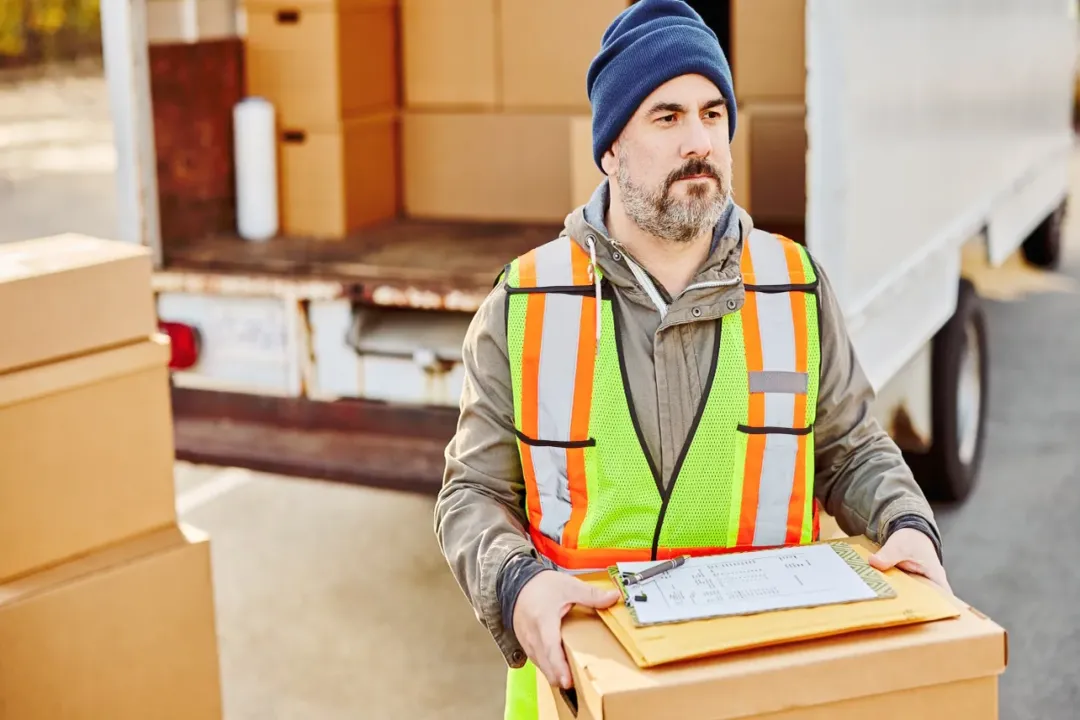
Many fundamental manufacturing roles inherently involve tasks that tax physical limits, primarily through lifting, carrying, and repetitive motion. [9] Jobs that require workers to handle materials directly without relying on mechanical assistance will invariably top the list for sheer physical output.
Material Handling
Moving raw materials to the line, or finished products off the line, is a foundational activity where physical strain is concentrated. Roles like Material Handler or Production Worker often involve moving heavy items manually or operating equipment like forklifts, which requires constant alertness and sometimes involves abrupt stops or maneuvers that affect the body. [1] While some might categorize forklift operation as specialized, the constant transition between sitting, lifting, and walking keeps the body under varied, non-static stress.
Assembly Work
The Assembler role, while sometimes involving detailed work, frequently demands the repetitive manipulation of components, often overhead or in awkward, constrained positions. [1] If a part must be held in place while another is fastened, the body must maintain a static load, leading to muscle fatigue far quicker than dynamic movement might. When analyzing industries that generate the most musculoskeletal (MSK) pain, manufacturing consistently appears, suggesting that the cumulative effect of these repeated actions is significant. [9]
Welding and Fabrication
Welders and fabricators face a unique combination of physical challenges. They must often work in confined spaces or adopt uncomfortable postures to achieve the precise angle required for a strong bead. [1] Beyond the posture, the environment itself contributes to the physical demand. Welders are exposed to heat, fumes, and often have to carry their own welding equipment or materials across the shop floor, making the job physically taxing even before the actual welding begins. [10]
# Posture Strain

The physical demands aren't always about brute strength; often, they relate to how long the body must remain in a non-neutral position. This type of strain can be insidious because it doesn't involve immediate heavy lifting but results in chronic issues over time. [9]
# Machine Operation
Machine Operators and CNC Machinists are central to modern production, but their physical requirements can be demanding in subtle ways. [1][4] They must frequently load and unload machinery, which might require bending, reaching into tight spaces, or standing for twelve-hour shifts next to a running machine. [1] A key difference in strain exists here compared to pure assembly: an operator might spend hours standing in the same spot, watching gauges or managing feeds, leading to static load fatigue in the lower back and legs. [4] In contrast, an assembler might move between stations, distributing the stress more widely, even if the tasks are more repetitive. If you are assessing a career path for long-term physical sustainability, consider the required duration of a specific posture, not just the intensity of the movement. For instance, a job requiring six hours of stationary standing while performing fine motor control tasks can be more debilitating than a job with three hours of moderate lifting spread throughout the day. [9]
# Maintenance Roles
Maintenance Technicians face perhaps the most unpredictable physical challenges. While they are essential for keeping the complex machinery running—a role that is highly in demand—their work often involves climbing, working under equipment, or fixing a breakdown during an unexpected stoppage. [10] This unpredictability means they might have to perform heavy, awkward lifts or contort into cramped engine bays under the pressure of keeping the production line moving, often in less-than-ideal lighting or temperature conditions. [1] Their physical demands are less about repetitive production quotas and more about emergency physical problem-solving.
# Environmental Factors

Physical demand in manufacturing extends past the direct interaction with the product or machine; the ambient environment plays a huge role in how taxing a shift feels. [10]
# Heat and Noise
Many industrial settings involve significant noise levels that necessitate constant use of hearing protection. While this doesn't cause immediate muscle strain, prolonged exposure to high noise levels can increase stress hormones and lead to fatigue, which in turn lowers the threshold for physical strain tolerance. [10] Similarly, working near large furnaces, ovens, or high-friction machinery exposes workers to intense heat. Working in elevated temperatures forces the body to divert significant energy toward cooling mechanisms like sweating and increased cardiovascular output, meaning that a task requiring moderate effort in a cool room might feel intensely demanding in a hot environment. [4] This systemic physiological stress compounds the localized physical strain from lifting or standing.
# Pace and Duration
The expectation of speed often defines the physical difficulty of a manufacturing job. In environments described as "lean" or "high-volume," the pace is relentless. [4] For instance, a Production Worker on a fast-moving line has a fixed cycle time to complete their task, leaving no room for recovery between repetitions. This constant, high-tempo pressure is a significant physical demand. It forces workers to develop highly efficient, yet often physically compromised, movements just to keep up with the line speed dictated by the production schedule, not the worker's body. [10]
# Comparing Demands Across Roles
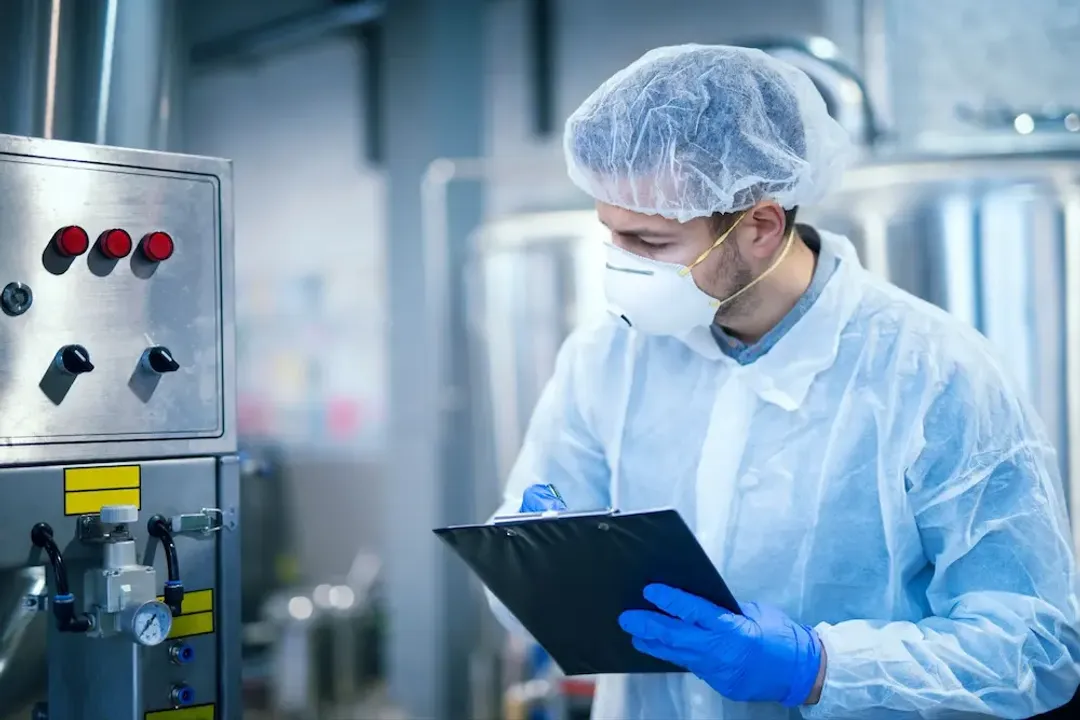
It is helpful to look at the differences in physical strain based on the required experience level, as this often correlates with the type of physical activity expected. Entry-level positions that require minimal experience often place the worker directly into manual, highly physical roles. [5]
| Job Type (Low Experience Focus) | Primary Physical Demand | Duration/Repetition | Potential MSK Risk Area |
|---|---|---|---|
| Assembler/Packer | Repetitive fine/gross motor skills | High | Wrist, Shoulder, Back |
| Material Handler | Lifting, pushing, pulling | Moderate to High | Lower Back, Legs |
| Machine Attendant | Standing, monitoring, minor adjustment | High | Feet, Hips, Static Posture |
| Cleaner/Janitorial Support | Bending, scrubbing, moving supplies | Intermittent Intensity | Knees, Shoulders |
While the role of a Quality Assurance Technician is listed as in-demand, and often requires less heavy lifting than a Material Handler, the QA role places a high physical burden on visual acuity and fine motor control maintained over hours. [1] If a QA inspector must hold a component under a microscope or constantly manipulate small samples, the strain shifts from large muscle groups to the stabilizing muscles in the neck, shoulders, and wrists. This subtle but sustained exertion is a factor many overlook when comparing a "heavy" job to a "light" job in manufacturing.

# Navigating Physical Careers
For those drawn to the tangible output of manufacturing, understanding the physical reality is the first step toward a long, healthy career. It requires proactive management, often before the employer addresses it.
# Ergonomic Self-Assessment
A crucial step for any worker in a physically demanding manufacturing role is a personal ergonomic self-assessment. Instead of waiting for an injury, workers should actively monitor their own bodies. Pay close attention to where fatigue sets in first—is it your lower back from bending to feed the feeder, or your dominant shoulder from repetitive reaching? Documenting this allows for targeted conversations with supervisors or safety officers. [9] For example, if you find that the height of the workbench causes you to hunch by the end of the shift, request an adjustable platform or use shims if the company budget is tight. Think about how a slight adjustment, even just a few inches in tool placement or material height, can save thousands of micro-strains over a year.
# Skill Diversification
Another strategic move within a physically taxing environment is to seek cross-training that diversifies the type of physical demand placed on the body. [10] If you are currently a production line worker spending ten hours performing the same three motions, see if you can apprentice briefly with the maintenance team or train on a different, slower assembly cell during down times. [5] By rotating the physical stressor—shifting from high-speed repetition to low-speed precision, or from static standing to dynamic walking—you allow stressed muscle groups and joints time to recover during the workday itself, substantially reducing long-term wear and tear. [9]
# The Future of Physical Work
The increasing demand for skilled trades and technical roles suggests that while the nature of physical work is changing, the need for physically capable workers is not disappearing. [2][6] The introduction of robotics doesn't eliminate the need for human interaction with the physical world; it often just moves the human worker to a supervisory, troubleshooting, or setup role, which still requires moving around the floor, lifting test pieces, and climbing to access machine controls. [10] The roles that require minimal experience today—such as basic assembly or packaging—are precisely the roles most likely to face automation tomorrow, pushing new entrants toward technical skills which still carry physical demands, just of a different nature. [5] The manufacturing landscape, whether viewed through the lens of temporary staffing needs or permanent placements, continues to rely heavily on personnel who can meet immediate, tangible physical requirements. [6] The physical component of the job is inextricably linked to the reliable output the industry demands. [8]
Related Questions
#Citations
12 In-Demand Manufacturing Jobs (Plus Salary and ...
15 In-Demand Job Opportunities in Manufacturing
Honestly, i don't know how people make manufacturing ...
Top 10 In-Demand Manufacturing Jobs in 2024
5 In-Demand Manufacturing Jobs that Require Minimal ...
Top 13 In - Demand Temporary Roles in Manufacturing
What is considered the most physically demanding job in ...
Manufacturing - Hot Career Paths
The Top 5 Industries for MSK Pain—and What to Do About It
13+ Top Jobs in Manufacturing: From Entry-Level to ...