How Do You Switch Into Manufacturing Careers?
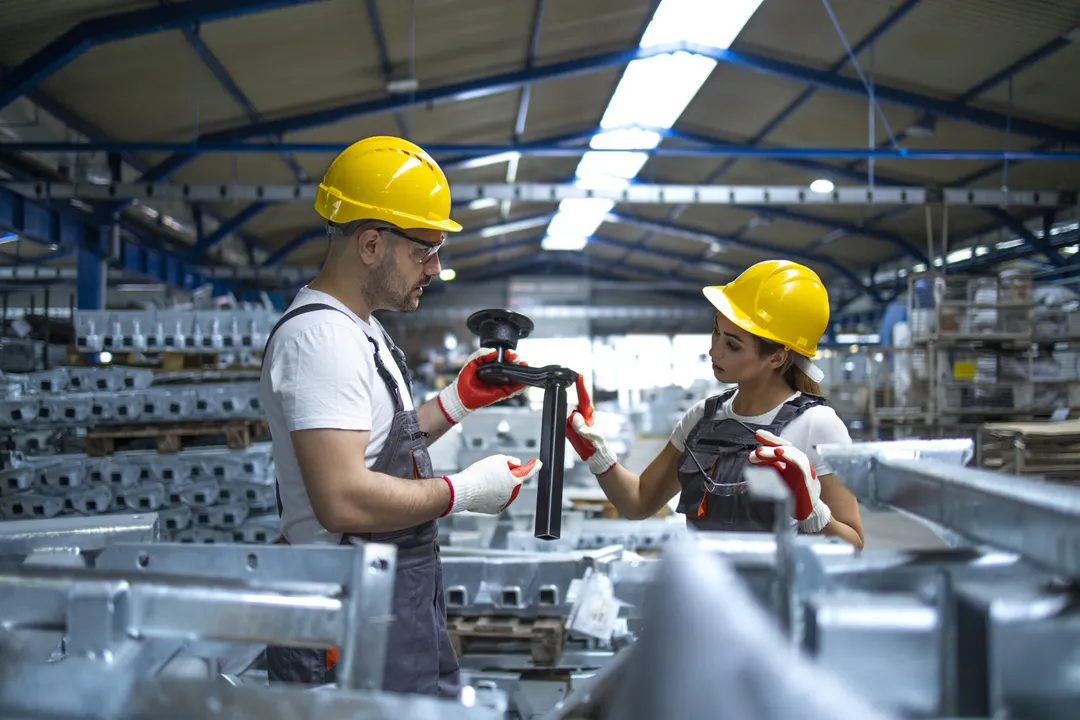
Making a switch into a manufacturing career path can feel like moving into a new world, especially if your background is in an entirely different field like service or traditional office work. This sector is vast, encompassing everything from high-tech semiconductor fabrication to traditional metalworking, and it constantly needs new talent bringing fresh perspectives. [4][6] The perception that manufacturing is solely low-skill, repetitive labor is outdated; modern manufacturing is driven by automation, data analysis, and advanced machinery, demanding a wide array of technical and soft skills. [8] Understanding the specific steps to bridge your current experience with the industry's needs is the key to a successful career change.
# Industry Diversity
Manufacturing is not a monolith; it’s a collection of dynamic sub-sectors, each with distinct demands and opportunities. [6] Before committing to a transition, it is beneficial to examine the landscape to see where your existing aptitudes might fit best.
For instance, aerospace manufacturing requires extreme precision and adherence to strict regulatory standards, making quality assurance and detailed engineering backgrounds highly valued. [7] Conversely, consumer goods manufacturing might prioritize supply chain efficiency, process optimization, and high-volume throughput. [2] Other areas include medical device manufacturing, automotive production, and advanced materials science. [6]
When considering where to land, think about your comfort level with technology. Some roles are directly on the production floor, involving operating advanced Computer Numerical Control (CNC) machines or overseeing automated assembly lines. Other positions are centered around the process itself, such as quality control, maintenance engineering, or production planning. [4] Knowing that you can move from a traditional quality role into a technology-focused role within manufacturing, or shift from logistics into operations management, shows the transferability inherent in the sector. [7]
# Transferable Skills
A common concern for career switchers is feeling unqualified because their resume lacks the precise job titles of the manufacturing world. However, many essential skills needed in modern manufacturing are universal. [5] The crucial step is reframing your previous experience to highlight these transferable capabilities.
Think about skills like problem-solving, attention to detail, and adhering to procedures. If you have managed a complex customer service queue, you understand process flow and pressure; this translates well to meeting production quotas or handling unexpected machine downtime. [3] If you’ve worked in finance, your experience with meticulous record-keeping and adherence to compliance rules is directly applicable to inventory management or regulatory documentation in a regulated manufacturing environment. [5]
Here is a brief mapping of common non-manufacturing experiences to manufacturing needs:
| Previous Area | Manufacturing Equivalent Skill | Potential Manufacturing Role Area |
|---|---|---|
| Project Management | Scheduling, resource allocation, deadline management | Production Planning, Shop Floor Supervision |
| IT Support | Troubleshooting complex systems, documentation | Automation Maintenance, PLC Programming Support |
| Customer Service | Conflict resolution, high-stakes communication | Supplier Relations, Floor Team Lead |
When structuring your resume, instead of listing what you did, focus on the results and the processes you managed. [2] For example, instead of saying "Managed a team of five," try phrasing it as, "Maintained a consistent output flow for five team members, achieving a 98% on-time delivery rate for completed tasks," which highlights efficiency and reliability—qualities prized on the shop floor. [5]

# Entry Tactics
Finding the initial foothold is often the hardest part of a career change. People interested in manufacturing frequently start by seeking ways to get a basic understanding of the environment before committing to a significant educational investment. [1] There are several proven methods for breaking in.
One effective approach is to target entry-level positions that act as gateways. These might not be your final destination, but they offer essential, on-the-ground exposure that formal training often cannot replicate. [9] Roles such as production associate, material handler, or quality inspector provide direct insight into the rhythm, pace, and safety protocols of a facility. [1] Once inside, you gain institutional knowledge and can begin pursuing internal training or apprenticeships for advancement. [9]
Another avenue involves targeted upskilling. While a four-year degree isn't always necessary, specialized technical certifications can be game-changers. [3][4] Credentials in areas like Six Sigma, Lean Manufacturing, industrial automation software, or specific welding/machining techniques can significantly shorten your transition timeline. When comparing the investment needed for a certification versus a full degree, look closely at local manufacturing demands. In regions heavily invested in CNC machining or advanced robotics, a six-month technical certificate might offer a higher, faster return on investment than a broader management degree that still requires on-the-job training to apply. [4]
Many successful transitions start by identifying companies that actively recruit career changers or those with established internship or apprenticeship programs. [5] Organizations committed to developing their workforce are often more forgiving of non-traditional backgrounds, prioritizing attitude and aptitude over a specific previous job title. [8] Look specifically for postings that mention "cross-training opportunities" or "new career hires."
# Key Transition Rules
Successfully moving into a new industry requires adherence to certain "dos" and a clear understanding of what not to do. [2] Getting these fundamentals right saves time and avoids making poor first impressions.
The primary Do is to embrace the learning curve. Manufacturing often operates under strict standard operating procedures (SOPs) because deviation can lead to costly errors, safety incidents, or defective products. [8] Show genuine willingness to follow instructions exactly as laid out, at least initially. Humility in learning is highly respected. [2] A second key Do is networking within the industry. Attend local manufacturing association meetings or career fairs. Talking directly to people currently working in the roles you want provides invaluable insight into daily realities that online job descriptions omit. [3]
Conversely, there are critical Don'ts. One major pitfall is failing to tailor your application materials. [2][5] Do not simply copy your old resume wholesale. If you are applying from a non-manufacturing background, you must explicitly connect your past achievements to the manufacturer’s needs, emphasizing reliability, precision, and process adherence. [2] Another significant Don't is overlooking safety culture. If an interviewer senses you view safety rules as optional suggestions rather than mandatory requirements, your transition will likely stall immediately. [8]

# Professional Growth
A career in manufacturing offers significant potential for long-term growth, moving beyond the initial entry point into specialized or supervisory positions. [9] Success isn't just about getting the job; it's about establishing a trajectory that utilizes your evolving expertise.
One strategy for long-term success is proactively seeking out knowledge about the entire production system, not just your immediate task. [9] If you are hired as a machine operator, learn about the preceding step (material staging) and the subsequent step (quality inspection). Understanding how your work impacts the larger material flow—an analysis often called "value stream mapping" in Lean circles—positions you as someone thinking systemically, which is essential for promotion into supervisory roles. [4]
Another area for advancement involves the intersection of production and information technology. As facilities become more digitized, roles focused on managing the Manufacturing Execution Systems (MES) or integrating the Industrial Internet of Things (IIoT) devices are emerging rapidly. [7] Individuals who can bridge the gap between the physical machinery on the floor and the data collected on the network often find themselves on the fastest track to leadership. [8]
To maintain momentum, regularly assess what new skills the local industry is demanding. For example, if you notice several job postings in your region suddenly mentioning specific robotic programming languages or advanced metrology equipment, prioritize acquiring basic competence in those areas through online courses or community college workshops. This targeted self-development demonstrates initiative and ensures your skills remain relevant as the technology evolves. [9] This proactive approach helps ensure your manufacturing position remains a career, not just a temporary job. [9]
Related Questions
#Citations
I'm interested in starting a career in manufacturing but don't ... - Reddit
Manufacturing Career Transition Dos & Don'ts - NAMC
Why Now is the Time to Make the Leap - Women in Manufacturing
4 Steps to Start or Switch to a Successful Career in Manufacturing
What You Need to Do for a Successful Career Transition into ...
What Are The Best Career Options In Manufacturing? | Find Out
How to transition from a quality role in manufacturing to another field ...
How to Succeed in a Manufacturing Career - Aerotek
How to Transition into a Successful Manufacturing Career