What Certifications Help Manufacturing Careers?
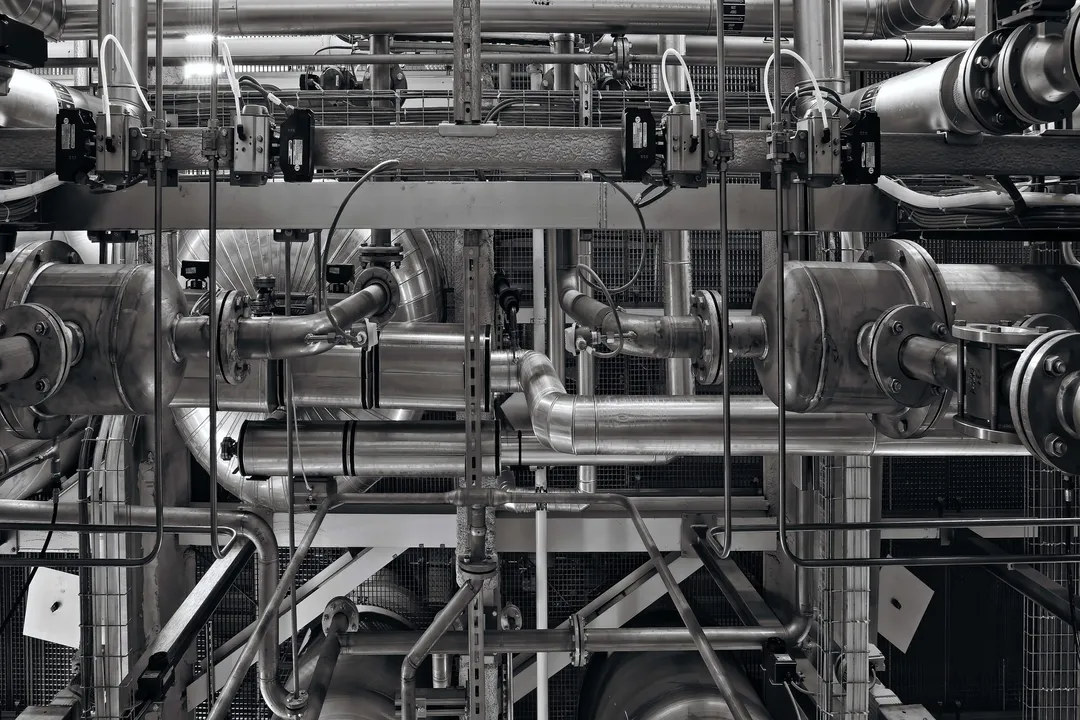
The modern manufacturing floor is rapidly evolving, demanding a workforce equipped not just with on-the-job experience but also with verifiable credentials. These certifications serve as standardized proof of competency, often translating directly into better job prospects and higher compensation across various industrial sectors. [1][9] For professionals looking to secure high-paying industrial jobs, obtaining relevant certifications is a direct route to advancement. [6] While a degree provides a foundation, specialized certifications often signal immediate readiness for complex tasks or leadership responsibilities. [3]
# Skill Validation

In a field where precision and adherence to standards are paramount, certifications act as an industry-recognized benchmark. [5] They confirm that an individual possesses the specific knowledge required to operate machinery, manage quality systems, or ensure workplace safety according to established best practices. [3] For employers, these credentials offer a fast, reliable way to vet candidates without extensive, in-house testing for every fundamental skill set. [1] For the employee, holding these credentials shows initiative and a commitment to professional development that goes beyond minimum job requirements. [5]
A key differentiator in today's competitive environment is the strategic stacking of certifications. Instead of focusing on just one qualification, building a portfolio that combines a foundational credential, such as a broad manufacturing associate level, with a specialized skill, like a specific safety rating or a quality belt, can create a uniquely valuable candidate profile. [3][4] This layering demonstrates both breadth and depth of knowledge, signaling readiness for roles that require cross-functional understanding.
# Core Credentials
Several entry and mid-level certifications are designed to cover the essential knowledge base required in nearly any modern facility. One such credential is the Certified Manufacturing Associate (CMfgA), offered through organizations like the Society of Manufacturing Engineers (SME). [4] This certification validates a baseline understanding of lean manufacturing principles, safety regulations, quality control, and general production processes. [4] It is often positioned as an excellent starting point for those new to the industry or seeking to standardize skills across a team. [1]
Another vital baseline is the Certified Production Technician (CPT+). [3] While specific requirements can vary, these foundational certifications are excellent for confirming knowledge across core manufacturing areas, often including math, measurement, safety, and production and process knowledge. [3] Earning one of these early on helps an individual quickly demonstrate baseline competence across multiple disciplines. [1]
| Certification Example | Focus Area | Typical Impact |
|---|---|---|
| CMfgA | Foundational Principles, Lean | Entry to Mid-Level Readiness [4] |
| OSHA 10/30 | Workplace Safety Compliance | Immediate Compliance Requirement [7] |
| Welding Certifications | Specialized Skill, Trade | Direct Hourly Rate Increase [6] |
| Six Sigma Green Belt | Process Variation Reduction | Mid-Level Project Leadership [3] |

# Quality Focus
The pursuit of near-perfection in output drives significant career advancement, making quality-focused certifications particularly lucrative. [9] The methodologies associated with quality improvement are highly sought after, especially in high-stakes industries. [6]
Six Sigma is perhaps the most recognized quality discipline. Certifications here are typically tiered, similar to martial arts belts: Green Belt and Black Belt being the most common targets for career growth. [3][6] A Six Sigma Green Belt signifies the ability to lead smaller improvement projects or actively participate in larger, complex ones, focusing on reducing process variation. [3] Moving to the Black Belt level indicates expertise in advanced statistical analysis and the capacity to manage significant, cross-departmental improvement initiatives. [3]
Beyond Six Sigma, certifications offered by the American Society for Quality (ASQ) carry considerable weight. Credentials such as the Certified Quality Engineer or Certified Quality Technician are directly tied to maintaining and improving quality assurance systems across the production lifecycle. [3] Demonstrating proficiency in these internationally recognized standards opens doors to roles focused entirely on process integrity. [3]
# Safety First
Worker safety is non-negotiable, and demonstrating a thorough understanding of safety protocols is often a prerequisite for supervisory or operator roles on the plant floor. [7] The most recognized training in this area comes from the Occupational Safety and Health Administration (OSHA). [2][7]
Earning an OSHA 10-Hour card proves basic awareness of workplace hazards and regulations, often required for entry-level positions. [7] For those moving into lead roles, supervisors, or contractors who need to oversee compliance, the OSHA 30-Hour card is essential. [6][7] Having a 30-hour certification immediately signals to management that an individual can manage safety expectations on a shift, which can justify a higher starting pay rate than those with only the 10-hour training. [2] While these are training standards rather than professional certifications in the traditional sense, their consistent requirement in industrial settings places them on the must-have list for career progression. [7]

# Technical Roles
While process and quality certifications address how things are run, technical certifications confirm the ability to do the specialized mechanical and digital work that keeps production lines running. [6] These often lead to the highest immediate wage increases because they validate scarce, hands-on skills.
Welding certifications are a prime example. Depending on the industry—aerospace, pressure vessels, or structural fabrication—specific American Welding Society (AWS) certifications can dramatically increase earning potential because certified welders are indispensable for critical joining tasks. [2][6] Similarly, proficiency in operating Computer Numerical Control (CNC) machines is highly valued. [2] Certifications or documented training in advanced CNC programming and setup ensure a direct fit for modern machining centers, which rely heavily on digital precision. [2]
Furthermore, as automation becomes standard, skills in robotics and automation are growing in importance. [2] Certifications from specific equipment manufacturers or broader industrial automation bodies show that a technician can program, maintain, and troubleshoot automated systems, a skill set that commands a premium wage. [6]
# Process Control
Beyond day-to-day safety and technical execution, manufacturing success hinges on efficient material flow and project execution. This is where process management credentials come into play.
Lean Manufacturing principles focus on eliminating waste in all forms—time, inventory, motion, defects—to streamline production. [3] While the CMfgA covers basics, more advanced Lean training validates a deeper ability to implement Value Stream Mapping and 5S programs effectively. [3]
When manufacturing initiatives require significant capital investment or cross-departmental coordination, project management skills are essential. The Project Management Professional (PMP) certification, though traditionally associated with IT or construction, is increasingly relevant for leading large-scale manufacturing upgrades, new equipment installations, or facility expansions. [3]
Equally important is the management of the inputs and outputs: Supply Chain Management. Certifications like the Certified in Production and Inventory Management (CPIM) or Certified Supply Chain Professional (CSCP) demonstrate expertise in managing inventory levels, forecasting demand, and optimizing logistics—critical factors affecting working capital and production continuity. [3]
If we consider the immediate financial impact, one practical analysis shows that while a baseline certification like CPT+ confirms readiness, the specialized trade certs (like advanced welding) often yield a higher immediate return on investment in terms of hourly wage adjustments, whereas management certifications (like PMP or Six Sigma Black Belt) tend to unlock higher salaried positions or bonuses later in a career track. [6][9]

# Career Paths
The utility of a certification often depends on the career stage and desired trajectory. A production operator might prioritize OSHA 30 and a foundational skill cert like CPT+ to secure a steady, safe job with predictable shifts. [3][7] A process engineer, however, would gain more by pursuing a Six Sigma Black Belt and potentially the PMP to qualify for roles managing continuous improvement departments or major capital projects. [3]
For those aiming for management, credentials that span technical knowledge and people leadership are key. For example, someone with a strong technical background who obtains a Green Belt might find themselves tapped to lead a team implementing a Kaizen event, gaining leadership experience quickly. [3] Reddit discussions among manufacturing professionals frequently point to the value of recognized safety training (OSHA) and specific machine operation expertise as immediate boosts to employability, particularly in smaller shops where formal training budgets are limited. [2]
The breadth of possibilities means that career planning must align certification goals with personal aptitude. Are you better at statistical problem-solving (Six Sigma), adherence to strict codes (Welding/OSHA), or managing timelines and budgets (PMP)? The answer should guide the investment of time and money. [1]
# Getting Started
Selecting the right certification requires due diligence and an honest assessment of current standing and future goals. [5] Start by reviewing job postings for the role you want in the next two to five years. What credentials appear repeatedly in the "preferred qualifications" section?[1]
Next, investigate the certifying body. Is it an industry-recognized leader like SME, ASQ, or AWS, or is it an internal company standard? External, nationally or internationally recognized credentials generally carry more weight when moving between employers. [4]
Finally, consider the time commitment and cost. Foundational certifications might take weeks of dedicated study, while advanced belts or PMP preparation can require months of rigorous training and often mandate documented professional experience before sitting for the exam. [3][8] A smart approach is to secure a mandatory or highly desired safety certification first, then layer on a process improvement credential to bridge the gap toward supervisory roles. [7][3]
Related Questions
#Citations
Game-Changing Certifications for Manufacturing Professionals in ...
What are some relevant certifications/training to get? : r/manufacturing
The Best Manufacturing Certifications 2023 | Goodwin University
Certified Manufacturing Associate (CMfgA) - SME
Skills and Certifications for a Thriving Career in Manufacturing
How to Get Certified for High-Paying Industrial Jobs - FurstStaffing
7 Certifications That Can Help Boost Your Manufacturing Career
Manufacturing Certifications | Tooling U-SME
The Top-Paying Manufacturing Certifications for Professionals