What Careers Are Best for People Who Like Helping Others?
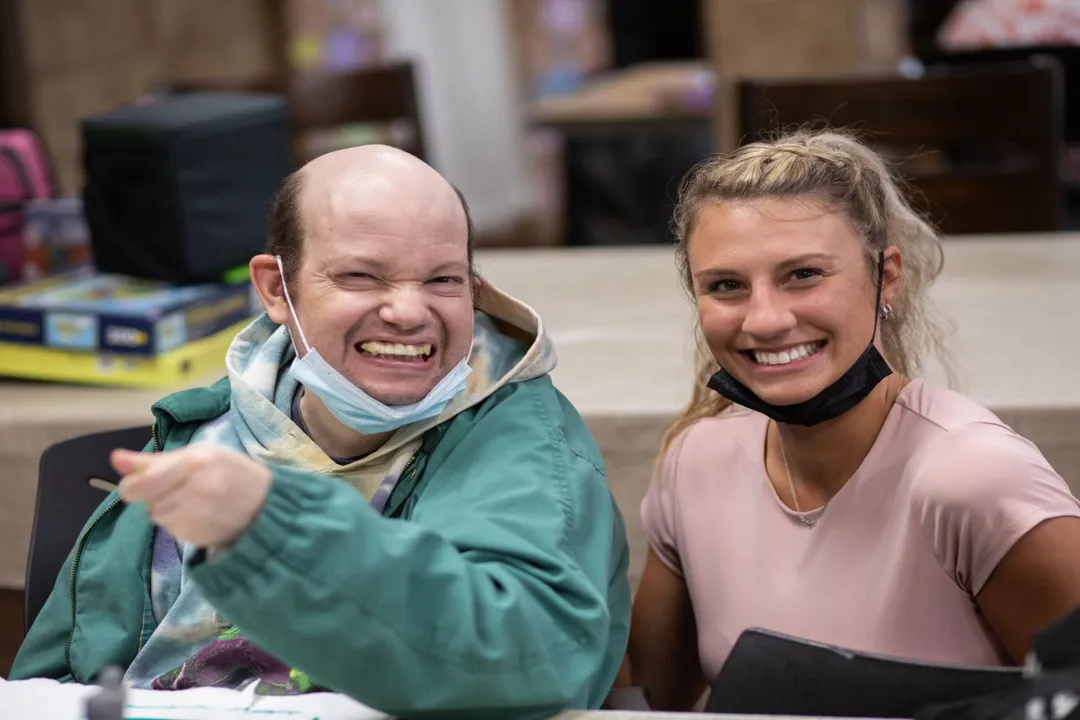
Finding a career path where your daily efforts directly translate into positive change for others is a deep-seated human desire. For many, the most rewarding work is that which involves serving, supporting, or improving the lives of individuals, families, or entire communities. This calling manifests across a vast spectrum of industries, from the high-stakes environment of emergency medicine to the quiet dedication required in an educational setting. The common thread among these roles is the genuine desire to make a tangible difference, moving beyond mere transactional work into something more meaningful.
# Medical Support

Careers rooted in healthcare offer perhaps the most immediate and measurable impact on well-being. These roles often demand significant emotional stamina alongside technical proficiency, as practitioners deal with people during vulnerable moments.
In direct patient care, the registered nurse stands out as a frontline professional, often serving as the primary coordinator of care and a crucial emotional anchor for patients and their families. Beyond nursing, various specialized medical roles allow professionals to help others through precise technical skill. Dental hygienists, for instance, focus on preventative care that supports long-term health and comfort. Similarly, physical therapists and occupational therapists assist individuals in regaining mobility, independence, and quality of life after injury or illness, which requires intense, focused one-on-one interaction and customized problem-solving. A career as a physical therapist involves guiding patients through exercises and treatments aimed at restoring function, an inherently helpful task.
Another area within the medical field is the role of the pharmacist, who not only dispenses necessary medications but also counsels patients on proper usage and potential interactions, acting as an accessible health resource. For those interested in quicker entry into direct support, roles like Medical Assistants or Home Health Aides provide essential daily assistance, helping people with fundamental needs ranging from taking vital signs to personal care at home. These aides, often working in the patient's home environment, build close relationships, offering companionship alongside physical support.
If high-stress, immediate intervention appeals to you, becoming an EMT or Paramedic places you at the critical intersection of crisis and compassionate response. These individuals are often the first helpers to arrive, making life-altering decisions under pressure.
# Mental Wellness
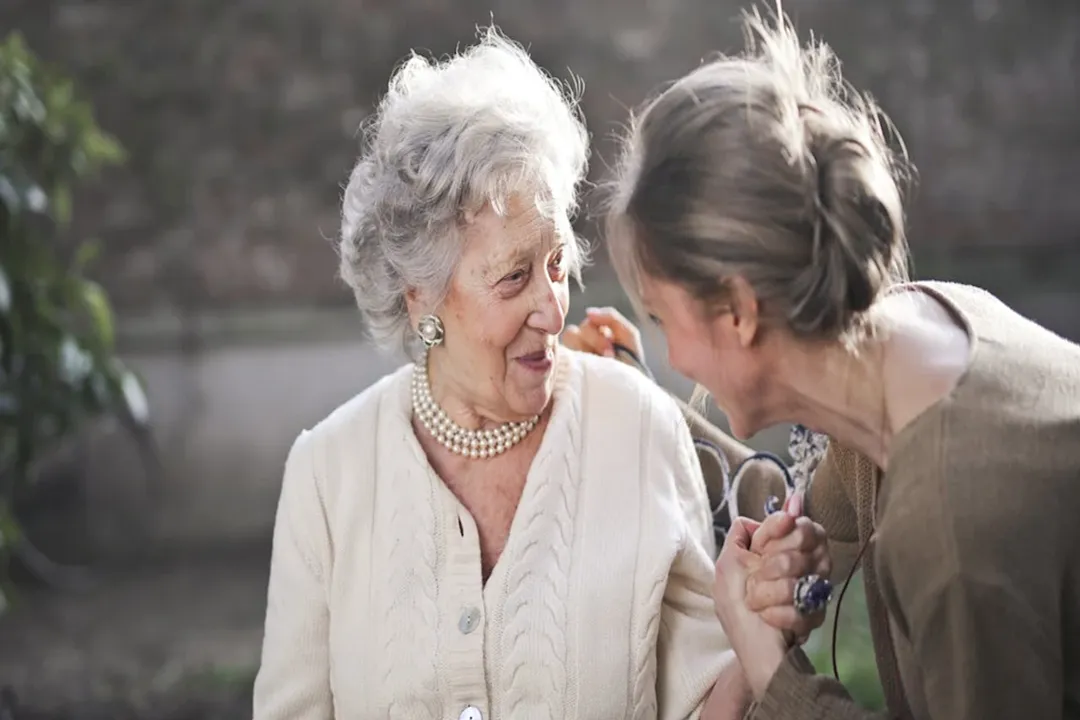
Helping others isn't always about physical health; supporting mental and emotional resilience is equally vital. Careers focused on counseling and psychological well-being offer profound, though sometimes slower-developing, impacts.
Mental health counselors and therapists are trained to guide individuals through personal struggles, trauma, and life transitions. This work requires deep listening skills and the capacity to maintain professional boundaries while offering genuine empathy. In the education sector, school counselors serve a similar function for students, addressing academic, personal, and career concerns, effectively helping to shape a young person’s trajectory before challenges become entrenched.
Life coaches represent a less clinical but still supportive path, focusing on helping individuals set and achieve personal or professional goals. While distinct from licensed therapy, this career centers entirely on guiding another person toward their preferred future state.
When considering these roles, it is worth noting that self-care becomes a professional necessity rather than a luxury. The emotional weight carried in mental health professions is substantial, meaning that establishing strong personal support systems and practicing diligent boundary setting is essential for longevity in the field. This contrasts slightly with some high-action roles like EMT, where the immediate crisis passes, allowing for a different type of decompression.
# Community Service

For those drawn to systemic support and advocacy, careers in social services and community outreach provide pathways to help people navigate complex societal structures and access resources. These roles often focus on vulnerable populations, working to ensure fairness and stability.
Social workers are central figures in this area. They advocate for clients, connect them with housing, financial aid, or specialized care, and intervene in situations involving neglect or abuse. The specific setting—whether child welfare, medical, or psychiatric—determines the focus, but the core mission remains advocacy and resource mobilization. A Human Services Worker often performs related duties, serving as a direct link between an individual in need and the available community support infrastructure.
Other impactful roles include probation officers, who supervise individuals reintegrating into society, aiming to reduce recidivism through guidance and monitoring. Victim advocates offer crucial, trauma-informed support to survivors of crime, helping them understand legal processes and access necessary resources. In the nonprofit world, many people find fulfilling work organizing efforts around a specific cause, whether environmental protection or local aid distribution, effectively helping many by focusing on the collective good.
If you are considering a path in community support, understand that bureaucracy can be a significant hurdle. A key part of the "helping" process here involves mastering the administrative and regulatory language required to unlock assistance for your clients, often necessitating patience far beyond what is needed for direct care.
# Shaping Futures Through Education
Educators are inherently helpers, tasked with imparting knowledge, fostering critical thinking, and nurturing personal development. This is a sector where the help provided extends across decades, influencing future generations.
Teachers, especially those in elementary or special education settings, often see themselves as mentors and caregivers as much as instructors. Special education teachers require exceptional adaptability and patience to tailor curricula to meet diverse learning needs, providing fundamental scaffolding for success. Even outside traditional classrooms, roles such as tutors or corporate trainers help individuals bridge skill gaps, improving their employability and self-efficacy. The act of successfully teaching a difficult concept or skill is a powerful form of assistance.
In higher education or vocational training, positions like academic advisors or career services staff directly help individuals make informed decisions about their next steps, acting as guides through confusing institutional landscapes.

# Direct Public Safety Roles
Some helping professions involve maintaining the safety and order necessary for a community to thrive. Firefighters and police officers routinely put themselves in harm's way to protect others, which is arguably one of the most direct forms of aid one can offer. While these are highly structured careers, the decision-making process in the field is often one of instantaneous problem-solving for another person’s crisis.
# Aligning Personal Skills with Service
The best career for someone who wants to help others is one that matches their innate aptitudes with the required service delivery style. People who enjoy detailed, analytical work might gravitate toward research roles that inform better public policy, while those thriving on immediate action will find satisfaction in emergency services.
One way to evaluate fit is by considering the type of interaction you prefer:
- Interpersonal Depth: Do you prefer deep, continuous relationships? (e.g., Social Work, Therapy).
- Task Orientation: Do you prefer solving a defined, acute problem? (e.g., EMT, Technician).
- Instructional Impact: Do you gain satisfaction from seeing someone learn how to help themselves? (e.g., Teaching, Physical Therapy).
It’s important to recognize that helping others isn't always glamorous; it often involves significant administrative tasks, paperwork, or dealing with resistance from those you are trying to assist. For example, a case manager might spend half their day documenting compliance for funders before spending the other half directly counseling a client. Success in these service-oriented fields often hinges on mastering the mundane necessities that allow the helping to occur. Someone considering a long-term commitment to service might benefit from budgeting not just for professional training, but for ongoing professional development in areas like conflict resolution and stress management, as these soft skills often determine career sustainability more than technical knowledge alone.
If you find yourself motivated by personal success stories but perhaps shy away from constant emotional exposure, look toward careers where the outcome is visible and measurable, such as physical rehabilitation or specialized education, where progress is tracked incrementally. Conversely, if you are energized by emotional processing and complex human dynamics, counseling or psychiatric social work may be a better match, even though the progress may feel less linear.
Ultimately, the wealth of options available—from direct, hands-on care like nursing and aide work to advocacy roles like social work and firefighting—demonstrates that the desire to help others is too broad to be confined to a single category. It’s about finding the method of helping that aligns best with your personal energy reserves and preferred work environment.
Related Questions
#Citations
Careers where you can actually help people : r/findapath - Reddit
12 Jobs That Help People and Support Communities | USAHS
20 Jobs That Focus on Helping People and Communities | Indeed.com
15 Best Jobs That Help People in 2025 | Careers | U.S. News
What are some good careers for someone who wants to help people?
49 of the best careers in helping people & making a difference
What career path works best for me? - Career Village
8 Important Jobs that Help People in Need | Goodwin University
Best Careers Helping People: Find Meaning & Make a Difference