What is the best career to help others?
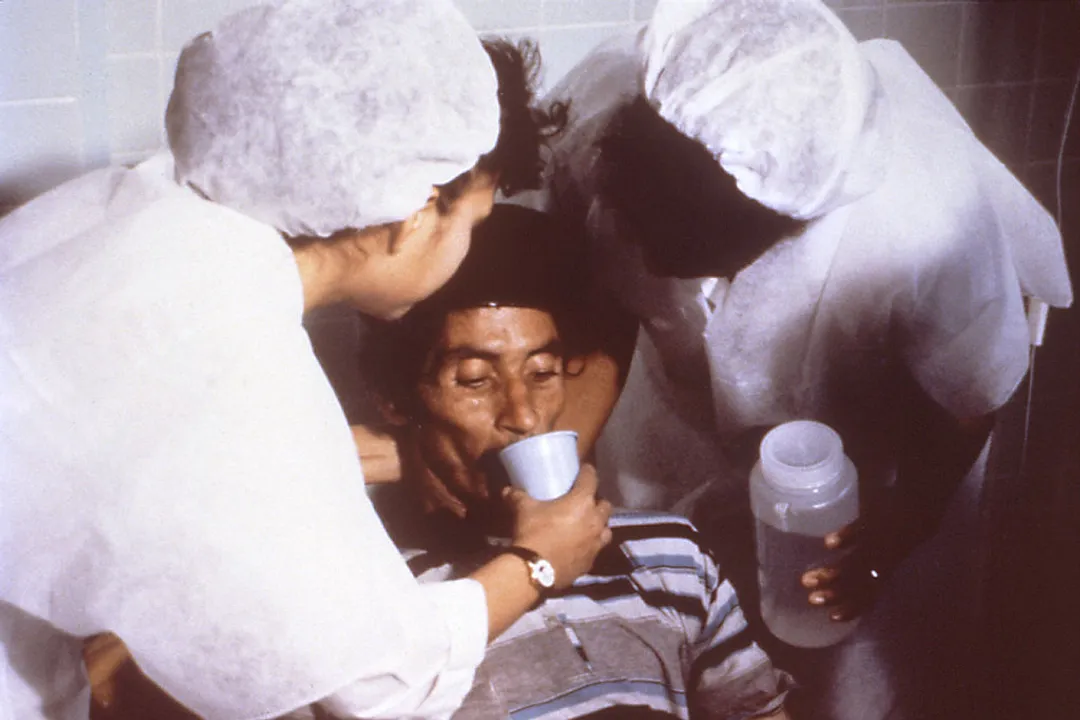
The desire to dedicate one's professional life to assisting others is a powerful motivator, leading countless individuals toward meaningful work across various sectors. [1][3][8] Determining the "best" career for helping people is highly subjective, depending entirely on whether one prefers direct, intensive personal intervention, or large-scale, systemic influence. [9] The spectrum of impact is broad, encompassing everything from immediate crisis response to long-term advocacy for policy change. [4]
# Clinical Health

Many who seek to help gravitate toward the clinical health fields, where the work involves direct intervention to alleviate suffering and promote well-being. [1][3] These roles often require significant specialized training and carry a high degree of personal responsibility for patient outcomes. [4]
Medical careers such as Physicians and Registered Nurses offer deep, continuous involvement in patient care, addressing acute and chronic needs. [3][4] The physician’s role involves diagnosis and treatment planning, while nurses often provide the crucial bedside care and coordination that keeps patients on the path to recovery. [1]
Beyond immediate medical intervention, therapeutic roles focus on mental and emotional health. Psychologists and Mental Health Counselors work to help individuals navigate psychological distress, offering talk therapy and coping strategies. [4][8] Similarly, Physical Therapists and Occupational Therapists directly assist people in regaining physical function, offering tangible, measurable improvements in daily living capabilities. [1][3] These professions often require advanced degrees, reflecting the depth of knowledge needed to affect deep, personal change.
# Community Support

For those whose helping impulse leans toward social structure and immediate community needs rather than hospital settings, social services and support roles are excellent avenues. [4][7] These careers often involve navigating bureaucratic systems, advocating for resources, and providing emotional scaffolding for vulnerable populations. [8]
Social Workers are central to this area, often working with families, children, or the elderly to ensure access to housing, financial aid, and safety. [1][4] This work can be emotionally taxing, as social workers frequently encounter challenging circumstances daily, requiring resilience and strong ethical grounding. [5]
Another critical area is Counseling and Mentoring, which overlaps with clinical health but often occurs in school, community center, or non-profit settings. [8] Roles like Substance Abuse Counselors offer specialized support to individuals fighting addiction, helping them rebuild their lives step-by-step. [1][3] In educational settings, School Counselors guide students not just academically, but through personal and social challenges, setting the stage for future success. [4]
A key difference in this area compared to clinical medicine is the focus on context. While a doctor fixes a biological problem, a social worker addresses the environmental and systemic factors contributing to that problem. [5]

# Shaping Futures
The act of teaching is perhaps one of the most fundamental ways to help others, as it equips them with the tools for self-sufficiency and critical thinking. [4] Teachers, from K-12 to post-secondary levels, invest in human capital. [8] A skilled educator does more than convey facts; they inspire curiosity and build confidence. [7]
For those who find profound satisfaction in shaping the next generation, careers in education—particularly in underserved or high-needs districts—can feel like the most direct investment in the future of a community. [1] This path requires patience, adaptability, and a belief in the inherent potential of every student. [7]
When considering where educational impact is highest, look not just at public school teaching but also at roles in Adult Education or Special Education. These fields often target individuals whose circumstances have created significant barriers to learning, making the impact of overcoming those barriers highly visible and transformative. [1]
# System Change
Not every meaningful contribution requires direct, one-on-one interaction. Some of the greatest good can be achieved by altering the rules of the game—the systems, policies, and research that affect millions, even if the helper never meets an end-user. [9] This appeals to those who are drawn to analysis, large-scale strategy, and long-term thinking. [9]
Public Policy Analysts and Government Officials work within administrative structures to create regulations that protect consumers, ensure fair housing, or allocate necessary funds for public health initiatives. [4] This work is often less visible but shapes the environment in which everyone lives.
The concept of Effective Altruism, often discussed in philosophical and high-impact career circles, emphasizes choosing paths that maximize positive outcomes across the largest possible scale, sometimes pointing toward Public Health Research or top-tier Economic Policy as ways to save or improve the most lives per hour worked. [9] This perspective prioritizes measurable, global impact over personal interaction. [9]
# Impact vs. Interaction: A Personal Trade-Off
When assessing the "best" career for helping, it is useful to map your preferred mode of action against the required emotional investment. Consider the difference between the social worker dealing with a family crisis today and the policy advisor working for two years to change a law that will prevent thousands of future crises.
| Career Type | Primary Impact Mechanism | Typical Emotional Demand | Education Barrier |
|---|---|---|---|
| Clinical/Direct Care | Immediate relief; individual transformation | High, risk of burnout | Moderate to High |
| Social/Community Support | Resource navigation; stabilization | High, requires managing complex contexts | Moderate to High |
| Systemic/Policy | Large-scale prevention; structural improvement | Lower direct exposure; high intellectual demand | High (often advanced degrees) |
When you weigh these paths, remember that direct interaction careers, while immediately rewarding, often carry higher risks of compassion fatigue or burnout because the emotional load is constant and immediate. [5] Conversely, systemic roles require a longer time horizon before results are visible, which can be frustrating for those needing immediate confirmation of their helpfulness. [9]
# Building and Fixing Aid
It is a common misconception that helping others must exclusively involve emotional labor or clinical expertise. Many individuals who enjoy tangible, hands-on work, such as building or fixing things, can find deeply rewarding ways to serve their communities. [5]
For example, Skilled Tradespeople who volunteer their time or build affordable housing through organizations are directly addressing fundamental needs—shelter and infrastructure—which are prerequisites for stability. [5] Similarly, roles in Environmental Engineering or Disaster Relief Logistics require strong technical problem-solving skills to repair damaged systems, whether that means restoring clean water access after a flood or designing more sustainable community infrastructure. [5] These careers blend the satisfaction of technical accomplishment with the moral imperative to serve. Thinking about this intersection—where your favorite technical skill meets a critical community gap—can reveal surprisingly fulfilling career paths that are often overlooked in general discussions about "helping jobs". [5]

# Self-Assessment Checklist
Before committing years to specialized training, a prospective helper should engage in honest self-reflection. The best career is one you can sustain long-term without sacrificing your own well-being. Ask yourself:
- What is my threshold for emotional intensity? Can I handle daily exposure to trauma, or do I need distance and analytical processing? (This helps differentiate between nursing and research). [5]
- How quickly do I need to see results? Am I motivated by seeing a patient walk again this week, or am I content working on a report for six months that might save ten community programs next year?. [9]
- Do I prefer ambiguity or structure? Social work often involves navigating chaotic, unstructured crises, whereas medical diagnostics follow established protocols. [4]
Ultimately, success in a helping career is measured by sustainability. A career that constantly pushes you past your natural limits will lead to attrition, meaning you stop helping altogether. The most impactful helpers are the ones who find a role that aligns with their intrinsic needs, allowing them to serve consistently over decades, whether that is as a full-time volunteer, a frontline therapist, or a quiet policy analyst shaping future legislation. [8] High impact is rarely about choosing the hardest job; it is about choosing the right job for you. [9]
Related Questions
#Citations
12 Jobs That Help People and Support Communities | USAHS
Careers where you can actually help people : r/findapath - Reddit
15 Best Jobs That Help People in 2025 | Careers | U.S. News
20 Jobs That Focus on Helping People and Communities | Indeed.com
What would be a good career if you want to help others and ... - Quora
What career path works best for me? - Career Village
49 of the best careers in helping people & making a difference
8 Important Jobs that Help People in Need | Goodwin University
Part 6: Which jobs help people the most? - 80000 Hours