What Jobs Are Best for People With Disabilities?

The search for meaningful and sustainable employment presents unique considerations for individuals navigating life with a disability, yet a vast landscape of opportunity is opening up, accelerated by technological shifts and evolving workplace compliance standards. While unemployment rates among people with disabilities have shown a positive downward trend, sometimes falling under 8 percent as of 2022, the focus must remain on finding roles that align with individual strengths, required accommodations, and desired work environments. The right job isn't about restriction; it’s about identifying where unique abilities can best contribute, whether that requires sitting, utilizing specialized software, or working completely remotely.
# Remote Flexibility
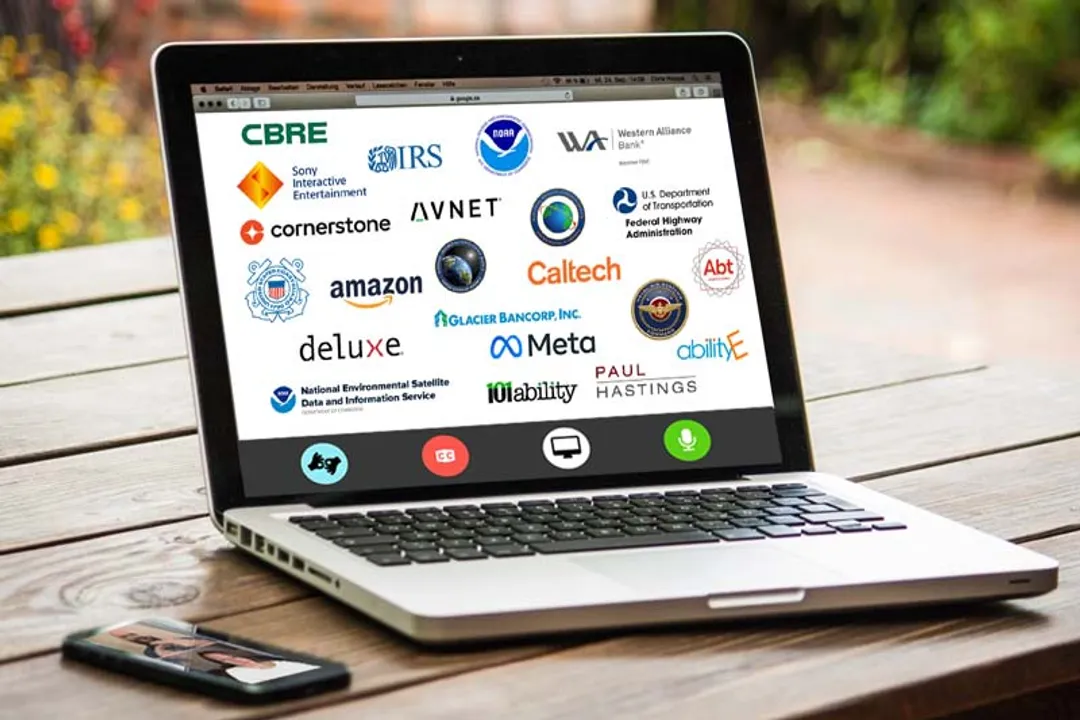
The dramatic expansion of remote work options has arguably created the single largest shift in employment accessibility in recent history. For many, working from home means eliminating environmental barriers related to commuting, physical accessibility in office buildings, and exposure to illness, while offering control over the immediate workspace.
Many high-earning, growth-oriented careers are now accessible via a home office setup. For instance, roles in Information Technology—such as IT Professionals, Web Designers, Software Developers, and Information Security Analysts—are well-suited to remote work and often offer high salaries. Similarly, high-level Business Careers like Marketing Managers, Financial Managers, and Computer and Information Systems Managers can frequently be performed remotely, provided the work is analytical and independent.
Beyond the high-skill IT sector, numerous roles cater to those seeking desk-based, remote work:
- Customer Service/Call Center Agent: Businesses globally hire remote agents to handle queries via phone, email, or chat. Some communities note that jobs like Dispatcher can also be sedentary desk jobs.
- Administrative Support: Roles like Virtual Assistant, Data Entry Clerk, and Medical Transcriptionist are commonly performed from home. Medical transcription, for example, requires strong listening skills and accurate typing, converting audio notes into written records.
- Creative/Content Roles: Content Writers, Freelance Designers, Social Media Managers, and Online Researchers rely primarily on digital tools and internet access.
- Specialized Consulting: The growing need for digital inclusion has created demand for Accessibility Consultants, a role often performed remotely, which can pay well.
It is crucial to recognize that while remote work offers unparalleled environmental control, it may shift the burden of setup. A significant reality for job seekers today is that enabling the remote setup—acquiring specialized, ergonomic equipment or high-speed, reliable internet—often falls to the employee, potentially creating a hidden financial barrier to entry even when the job itself is advertised as remote [original insight 1]. Therefore, when pursuing these roles, it is wise to research potential upfront technology costs or inquire about employer-provided equipment stipends during the interview process.
# Office Sitting

For those whose disabilities impact mobility or stamina but who prefer a structured, in-person setting, many traditional office environments are surprisingly accommodating, especially when covered by legal protections like the Americans with Disabilities Act (ADA). Employers are required to make reasonable accommodations. In an office, this might involve ensuring the space is mobility-limited, providing specific assistive technology, or offering schedule flexibility.
Roles highlighted as suitable for those with physical limitations generally require minimal manual labor and are desk-based.
- Accounting and Finance: Accountants and Financial Analysts perform analytical, often solitary work that can be done from a desk, with salaries often being high, especially in auditing specialties.
- Human Resources (HR): This field, focused on administrative functions and interpersonal skills, is largely office-based and often pays well.
- Paralegal Work: Tasks like document preparation, research, and administrative duties fit well within an office structure.
- Government Work: State and local government jobs are frequently mentioned as being highly supportive of workplace accommodations, sometimes offering flexible schedules or even hybrid remote options depending on the department. In the US Federal Government, there are special hiring authorities like Schedule A that allow non-competitive appointments for persons with disabilities.

# Structured Tasks

Individuals with learning or developmental disabilities often thrive in roles that benefit from structure, routine, and repetitive tasks, allowing them to build confidence and expertise without being overwhelmed by rapid change or intense cognitive switching.
For those with mental or learning disabilities, suitable roles include:
- Office Administration: Tasks like data entry, filing, or general clerical work benefit from organization and routine.
- Hospitality and Food Services: Roles such as restaurant hosting or working as a Cafeteria Worker offer structured environments and team interaction.
- Manufacturing and Assembly: Packaging, quality control, or product assembly are inherently repetitive and process-driven.
- Retail Support: Stock Clerks responsible for organizing merchandise or assisting in the backroom, or Grocery Store Clerks assisting with bagging, provide clear, definable tasks.
For those with intellectual disabilities, the focus shifts toward roles where following clear instructions and performing physical/organizational duties are paramount:
- Organizational Duties: Housekeeping or organizing files in an office setting.
- Animal Care: Working on farms, in pet stores, or as a Dog Walker or pet sitter can be calming and task-oriented.
- Assistant Roles: Supporting office managers, physicians, or dentists by memorizing and organizing supplies.
When looking at these structured jobs, it is important to remember that management support is key. One community member noted that while the job itself (housekeeping) was fine, a lack of management willingness to provide accommodations caused them to leave. This underscores that the employer's culture often matters more than the job title itself.
# Creative Paths
Many sources emphasize that unique skills often flourish in creative arenas, which often allow for self-directed work and schedule autonomy. These fields can be excellent fits for people with various physical, visual, or hearing impairments because the output is product-focused rather than process-dependent.
- Art and Design: Graphic Design, Multimedia Animation, and roles for Artists often allow for high earning potential and flexible work settings. Even individuals with visual impairments can thrive in these computer-centric roles with the aid of assistive software.
- Filmmaking and Media: Adults who enjoy storytelling and puzzles, sometimes found among those with dyslexia, can find fulfilling careers in film and video production.
- Counseling: Professional counseling, often conducted virtually from home, is noted as a fulfilling field that can utilize strong interpersonal skills, regardless of physical limitations.

# Utilizing Resources and Support
Finding the "best" job often involves navigating the support systems designed to bridge the gap between skills and opportunity. These resources are essential for training, accommodation requests, and direct job placement.
# Government Pathways
Federal and state agencies provide specific entry points:
- Vocational Rehabilitation (VR) Agencies: These state-level agencies offer help with job skills, job searching, and connections to local support centers.
- Ticket to Work Program: For those receiving Social Security disability benefits (SSDI/SSI), this is a free program that supports job searching, skill acquisition, and work experience while benefits continue temporarily. It is vital to check the specific income caps related to SSDI/SSI before starting work.
- Federal Hiring: The US Federal Government actively seeks to hire people with disabilities, often through the Schedule A non-competitive appointment authority, which bypasses some traditional competition. Job seekers should look at USAJOBS and connect with an agency’s Selective Placement Program Coordinator (SPPC) for guidance.
- State Programs: For California residents, the Department of Rehabilitation (DOR) and the Limited Examination and Appointment Program (LEAP) offer alternate routes to state employment.
# Specialized Job Search Tactics
While general boards like Indeed and LinkedIn list positions, specialized platforms focus solely on disability employment, providing a pre-vetted environment where employers are already committed to hiring disabled talent. AbilityJobs is highlighted as a leading job board dedicated to this connection.
When direct application seems to fail, especially after gaps in employment or when facing initial physical barriers, proactive networking and leveraging intermediary services can be effective. Community discussion suggests that connecting with a Temporary Staffing Agency can be an excellent tactic; they often help evaluate current skills and place candidates in temp-to-perm clerical or remote positions, effectively breaking the barrier of needing "one year of experience".
Furthermore, an often-overlooked strategy involves framing personal experience as professional competency. If a job application requires previous experience you don't formally possess, articulating how managing a chronic health condition, caregiving responsibilities, or mastering assistive technology has built demonstrable skills—such as resilience, complex problem-solving, or independent project management—can be a powerful way to address resume gaps or required qualifications in an interview [original insight 2].
# Navigating Disclosure
A recurring theme in personal accounts is the difficulty of whether, when, and how to disclose a disability. Some individuals feel compelled to hide their condition to avoid discrimination, which ironically proves the workplace is not yet truly disability-friendly. Others find that working in environments where colleagues also have disabilities—such as within disability advocacy nonprofits or specialized support service centers—naturally minimizes the need for disclosure and stigma, as mutual understanding is already present. The ADA mandates reasonable accommodations, but ultimately, the applicant must weigh the need for accommodations against the perceived risk of bias. Contacting resources like the Job Accommodation Network (JAN) can provide objective, confidential advice on specific accommodation requests before an offer is made.
Ultimately, the best job for a person with a disability is one where the employer respects the law, provides necessary aids, and values the specific contribution the individual is prepared to make, leading to fulfilling and stable work.
Related Questions
#Citations
Breaking Barriers: Top 20 Jobs for People with Disabilities in 2025
Disability friendly jobs? What do you do for work? - Reddit
abilityJOBS
Job training and employment programs for people with disabilities
Best Careers For People With Physical Disabilities 2025
Employment Services for People with Disabilities - EDD - CA.gov
Best Jobs for Individuals With a Developmental Disability
Disability Employment - OPM