What Skills Are Needed in Manufacturing Careers?

The manufacturing sector today is undergoing a significant transformation, moving beyond older, purely manual methods into an era defined by advanced technology and sophisticated processes. [8] This evolution means that the skills employers seek are shifting rapidly, creating both opportunities and a recognized skills gap. [5][3] Landing a rewarding position in this essential industry now requires a carefully balanced portfolio of abilities, combining hands-on technical expertise with modern digital literacy and crucial interpersonal capabilities. [2][6]
# Core Technical
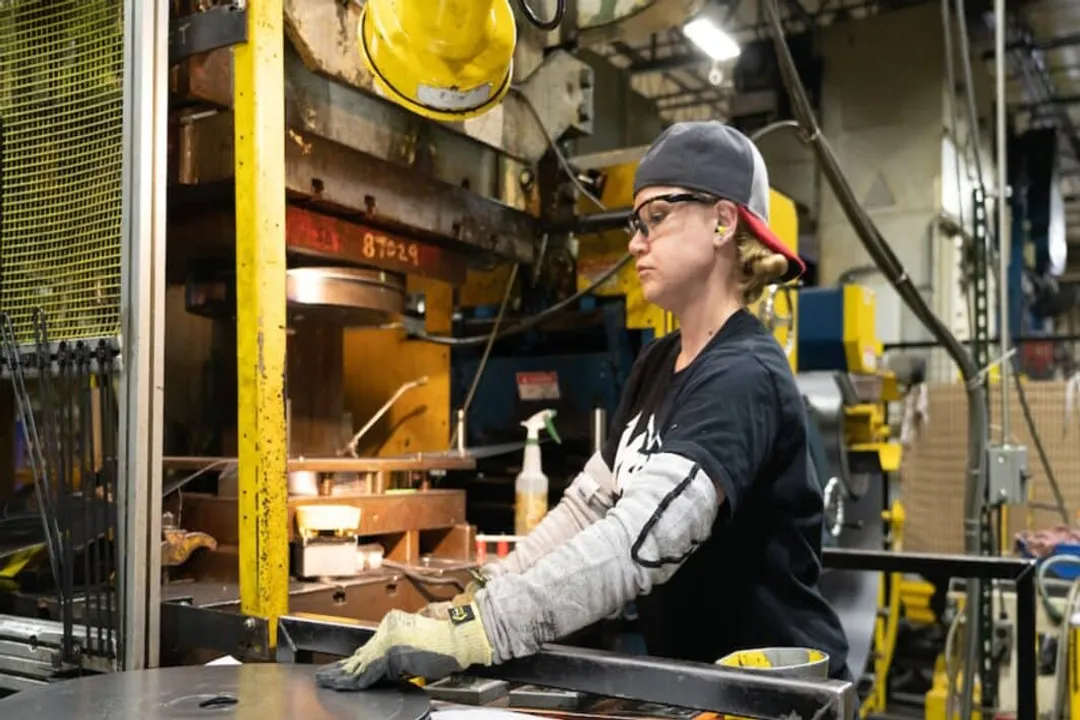
Practical, hands-on proficiency remains the bedrock for many roles on the factory floor. [8] These are the hard skills that ensure production lines keep moving and products meet exact specifications. [1] While the industry relies less on sheer manual labor due to automation, the demand for workers who can operate, maintain, and program the sophisticated equipment has increased.
Specific technical abilities are highly sought after. For instance, expertise in CNC Machining—encompassing the setup, operation, and programming of computer-controlled machines—is crucial for producing precision components. [8] Similarly, skills in Welding and Fabrication are indispensable across sectors like aerospace and automotive where creating strong, durable metal assemblies is necessary. [8] For quality assurance and initial setup, the ability to accurately read complex Blueprints and perform Precision Measurement is vital to maintaining required standards and ensuring product quality. [8]
For those focused on process improvement roles, a working knowledge of specific machinery and equipment upkeep is expected. [2] Beyond operating machinery, modern manufacturing demands competence in programming devices, often using software like CAD (Computer-Aided Design) and CAM (Computer-Aided Manufacturing) to translate digital designs into physical output. [5][8] Furthermore, as robotics become more integrated, skills in Robotic Monitoring—which includes programming automated systems and assessing their long-term performance—are growing in importance. [5]
| Skill Category | Example Competency | Source Reference |
|---|---|---|
| Precision Trades | CNC Operation & Programming | [8] |
| Quality/Setup | Blueprint Reading, Measurement | [8] |
| Digital Integration | CAD/CAM Software Proficiency | [5][8] |
| Process Support | Equipment Maintenance/Upkeep | [2] |
| Emerging Tech | 3D Printing, Robotic Monitoring | [5][8] |
# Digital Literacy
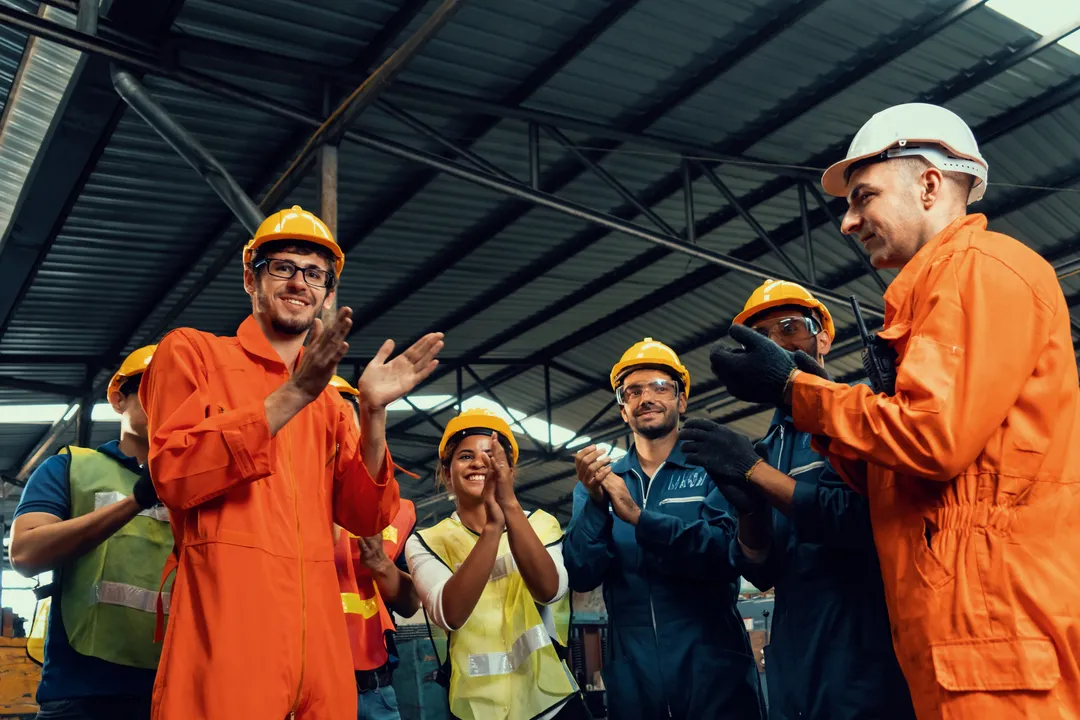
The shift toward Industry 4.0 concepts means that comfort with digital integration is no longer optional but foundational, particularly for next-generation roles. [3][6] Workers are increasingly required to understand and interact with the Digital Tools prevalent on the floor, including new platforms, systems, and software that handle digital data. [5] This is closely linked to the growing need for individuals with Data Analysis Skills who can interpret the vast amounts of information generated by these new technologies. [3]
A move is occurring where the need for manual machine operation lessens, being replaced by the need for personnel who can program and manage advanced engineering software and AI-driven systems. [5] This digital fluency is what separates candidates in today’s competitive landscape, opening doors to roles in engineering, management, and advanced process control. [5] For entry-level candidates, demonstrating basic computer aptitude and an interest in learning computer operation can be a significant initial advantage.
# Human Attributes
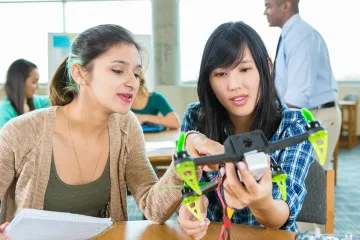
Even as technology advances and automates repetitive physical labor, the necessity of human skills—often termed Soft Skills or Adaptive Skills—remains strong across all manufacturing levels. [3][6] These are the cross-discipline enablers that allow individuals and teams to change their capabilities as job demands and environments shift. [6]
# Interaction Quality
Communication is repeatedly highlighted as essential, whether conveying complex instructions or raising immediate safety concerns. [1][2] Manufacturing environments are often loud and physically demanding, which makes clear, effective communication a unique skill that requires practice and experience to master. [1] This goes beyond simply speaking; it involves listening intently to feedback, especially from experienced operators on the shop floor, to understand how systems truly function. [7] A great team member is one who can collaborate effectively within a larger production network, where coordination directly impacts efficiency and schedule adherence. [2][1]
# Focus and Acuity
Attention to Detail takes on unique importance in manufacturing. While necessary everywhere, in production, it must be maintained consistently throughout long, repetitive shifts. [1] A lapse in focus can be dangerous when dealing with large machinery, making detail orientation a critical component of workplace Safety. [2][1]
Critical Thinking and Problem Solving move beyond simple troubleshooting; they involve analyzing the bigger picture to spot bottlenecks and innovating solutions without constant escalation to supervisors. [2] When new hires begin, demonstrating an eagerness to ask why and questioning processes labeled as "We've always done it that way" signals the capacity for future process improvement. [7] This thoughtful approach is what frees up personnel from repetitive tasks so they can apply creativity and ingenuity to manufacturing challenges. [3]
# Process Mastery
Beyond the direct interaction with machinery or people, understanding the overall flow of production is key to adding value. [5] Lean Manufacturing principles are a highly valued set of process-related competencies. [5] Learning these concepts, which include understanding the 8 Wastes, practicing 5S, and analyzing Time Studies, allows an employee to strategically evaluate production flow and eliminate waste without sacrificing product quality. [5][7] This strategic thinking elevates a worker from simply following instructions to actively improving the system they work within. [5]

# Building Career Capacity
The modern manufacturing professional often embodies what experts call the "manufacturing T" of capability. [6] This model suggests that success relies on two main components: a deep, specialized set of Role-based Enablers (the vertical bar of the T), which are the technical skills specific to a job (like welding or programming), and a broad set of Cross-discipline Enablers (the top bar of the T), which are the transferable skills like critical thinking and communication. [6] Organizations must strategically decide where to invest their training resources based on their transformation goals, but possessing both depth and breadth is the ultimate goal for career mobility. [6]
It is fascinating to consider how the soft skills translate into direct operational advantages. For example, in engineering or supervisory roles, the ability to communicate effectively with shop floor staff—learning their processes and understanding their difficulties—directly informs better design and efficiency choices. When an engineer is patient, asks questions respectfully, and focuses on solving operator problems rather than asserting technical dominance, the resulting process improvements are often adopted faster and more completely, making the engineer far more valuable than one who only relies on academic knowledge. [7][2] This direct translation of interpersonal trust into operational results is a powerful, often overlooked, requirement for success in plant leadership roles. [7]
For those entering the field, whether fresh from school or returning after a break, developing these skill sets involves intentional action. [5] Since many core manufacturing skills are learned through sustained practice, seeking out opportunities to shadow experienced staff or volunteer for new machine training is essential. [5] Even in roles requiring less initial formal training, such as an assembler, the willingness to learn computer operation and quality control practices ensures adaptability, as modern jobs often require workers to perform differing tasks across the plant floor rather than sticking to one routine indefinitely. A commitment to continuous learning, whether through formal courses or active engagement on the job, is the engine that keeps an individual’s skill set relevant in this evolving landscape. [5][3]
Related Questions
#Citations
8 Manufacturing Skills To Master and How To Own the Skills Gap
New Report Dives into the Skills Needed for Modern Manufacturing
The Most In-Demand Skills in Manufacturing Today - NAMC
Prioritizing next-generation skills for manufacturing | EY - US
Most important skills to work on at first IE job? : r/industrialengineering
5 Skills Manufacturers Need to Land a Job | LaborMax Staffing
6 Production Skills You Need on Your Manufacturing Resume
Got skills? Think manufacturing - Bureau of Labor Statistics