What skills are needed for underwater welding careers?
The path to becoming an underwater welder requires a rare combination of high-level trade expertise and rigorous physical and mental conditioning associated with commercial diving. [1][2][3] This is not a career one simply decides to pursue after a weekend certification course; it demands mastery in two demanding disciplines working in tandem. [7] Successful saturation divers and hyperbaric welders must possess technical proficiency, unwavering self-discipline, and an inherent comfort operating in harsh, high-risk environments far removed from dry land. [1][3]
# Surface Welding Base

A common misconception is that underwater welding training begins with diving lessons. In reality, foundational expertise in traditional welding is the essential prerequisite. [2][9] Before a student is ever submerged, they must first become an expert welder on the surface. [3] This means achieving certification in standard welding processes, often including Shielded Metal Arc Welding (SMAW), which is the primary method used for underwater work. [1][6]
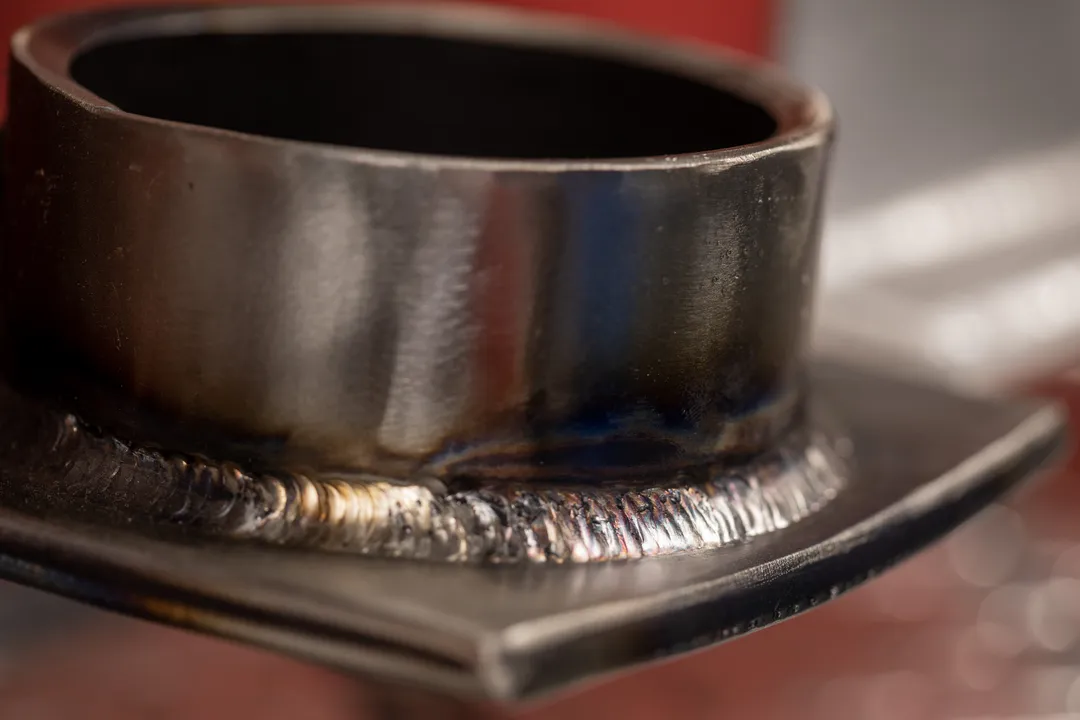
Proficiency means understanding the science behind the arc, managing heat input, recognizing signs of poor fusion, and ensuring structural integrity through perfect bead formation. [6][9] An underwater welder must have exceptional attention to detail, as flaws that might be easily spotted and corrected on dry land become magnified and potentially catastrophic when performed meters below the surface. [7] Many training paths mandate that candidates already hold basic welding credentials before entering specialized commercial diving schools. [2][3]
# Underwater Techniques
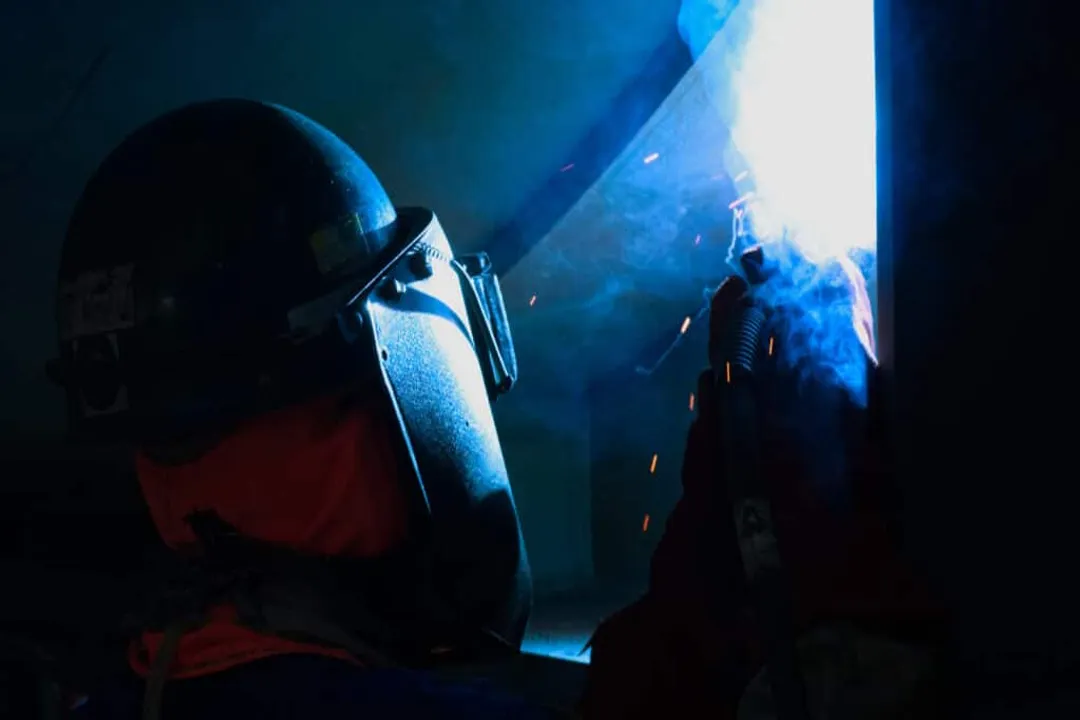
Once surface competence is established, the focus shifts to adapting those skills to the aquatic setting. [9] The primary technical challenge is the presence of water, which conducts heat away from the weld zone rapidly and interferes with the arc. [2][6] This necessitates the use of specialized, waterproof electrodes and flux coatings designed to resist moisture. [6]
Underwater welding is broadly categorized into two environments, each demanding a different technical approach:
- Wet Welding: This is performed directly in the water. It is generally used for less critical repairs, such as maintaining pipelines or simple structural fixes. [2] The process is incredibly difficult because the weld pool is cooled by the surrounding water, requiring extremely high amperage and very fast travel speeds to prevent immediate solidification or poor bonding. [6]
- Dry Hyperbaric Welding: For critical structures, such as bridges, offshore platforms, or ship hulls where absolute strength is required, a habitat or chamber is sealed around the weld area, allowing the welder to work in a dry, pressurized gas environment. [2] While this method allows for much higher quality welds approaching surface standards, it introduces the complex skill set of operating within a complex life-support system. [6]
Mastering the physical manipulation of the torch and electrode under water—while fighting currents, maintaining position, and managing buoyancy—is a skill that takes hundreds of hours to refine. [1][7]

# Diving Acumen
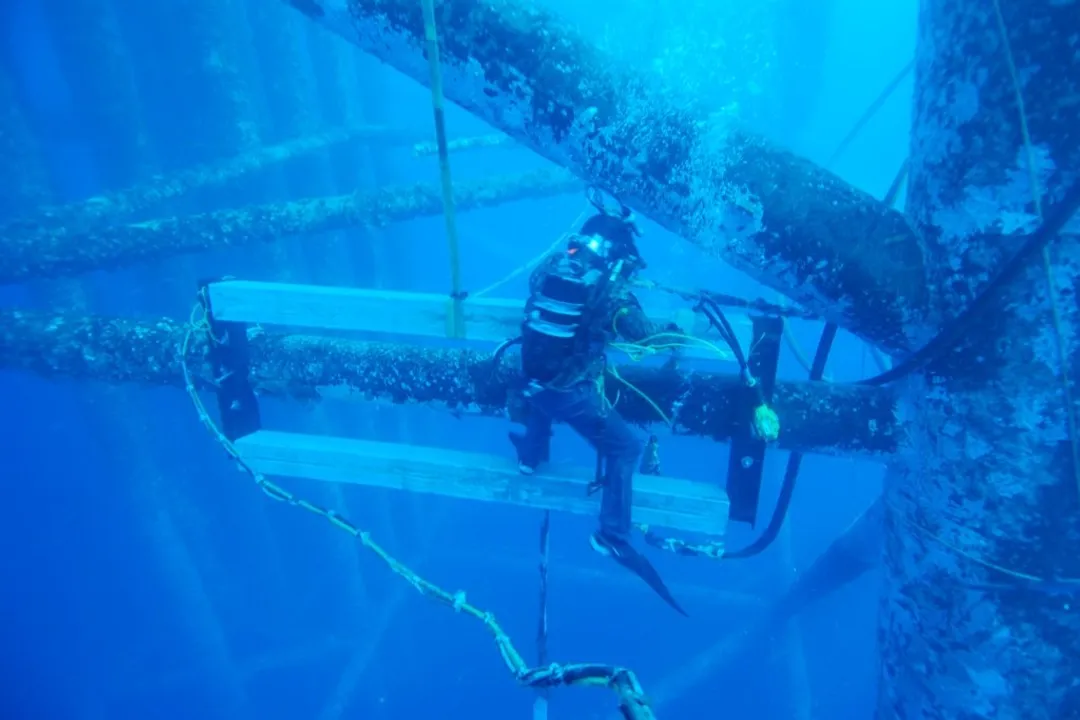
The other half of the job description is being a highly competent commercial diver. [1][7] This is distinct from recreational diving; commercial divers must be able to perform strenuous labor under hazardous conditions. [3]
Key diving competencies include:
- Rigging and Cutting: Welders frequently need to cut corroded metal away before welding or lift/position heavy equipment around the repair site. This requires expertise in using underwater cutting tools (like arc-air gouging) and complex rigging techniques. [1][8]
- Decompression Theory: Because repairs often happen at significant depths, understanding and adhering to proper ascent and decompression schedules is a life-saving necessity. [3][7]
- Equipment Management: Welders must know how to maintain, troubleshoot, and repair their own diving gear, including umbilical lines, helmets, and communication systems, often while working remotely. [3][8]
The ability to remain calm and execute intricate tasks while wearing heavy, cumbersome gear, breathing through a regulator, and dealing with zero visibility is a learned behavior that distinguishes a professional underwater operator from a novice diver. [4]
# Mental Toughness
While the physical demands are high, the psychological requirements are arguably higher. Underwater welding is often solitary work, requiring extreme self-reliance. [3] Welders must cope with isolation, pressure, and the inherent danger of their workplace, which often involves working near heavy machinery or in rapidly changing currents. [1][4]
A critical aspect of this mental fortitude involves prevention through methodical repetition. Because rectifying an error underwater can mean ascending, de-rigging, regrouping, and attempting the entire process again—losing valuable time and resources—the mental preparation before striking the arc must be absolute. [5] This translates into an almost ritualistic approach to setup and inspection. Think of it this way: on the surface, a bad 12-inch weld might cost an hour of rework; underwater, that same error, compounded by decompression stops and equipment mobilization, can result in a multi-day setback. Therefore, the skill isn't just making the weld; it's making the first weld perfect under duress. [1]

# Gaining Credentials
Transitioning from trainee to certified professional requires navigating a specific educational and certification roadmap. [7] The educational journey typically starts with enrolling in a recognized commercial diving school, which will provide the necessary deep-water survival and technical diving skills. [3][9] Following this, the candidate will seek specific training on hyperbaric and underwater welding techniques, often offered as specialized add-ons or through dedicated trade programs. [1][7]
The pinnacle of certification for structural work is often the American Welding Society (AWS) D3.5M/D1.1 standard for underwater welding. [3][9] Achieving this certification proves competence to perform welds that meet specified structural requirements, which is non-negotiable for most large-scale marine construction or offshore energy projects. [7] Furthermore, holding general commercial diving certifications recognized by bodies like the Association of Commercial Diving Educators (ACDE) is necessary for employment eligibility. [1]
# Physical Demands
The career is physically taxing, requiring stamina that exceeds general physical fitness. [7] Welders must frequently lift and maneuver tools and equipment weighing significant amounts while battling water resistance and buoyancy effects. [1]
Key physical requirements include:
- Exceptional lung capacity and cardiovascular health to handle the stress of pressurized breathing apparatuses. [3]
- The ability to work effectively in constrained spaces or awkward postures for extended periods. [7]
- Tolerance for extreme temperature variations, as deep or northern waters can be near-freezing, even with dry suits. [1]
It is important to recognize that physical conditioning is not just about being strong; it's about being enduring and adaptable to constant physical resistance from the environment itself. [7]

# Weld Environment
Understanding the difference between wet and hyperbaric procedures is also a skill in itself—knowing when to push for a high-quality, dry weld versus accepting a less perfect, but faster and cheaper, wet repair is an important business and safety calculation. [2] While wet welding is often faster to deploy, its limitations mean that high-stakes infrastructure relies on dry hyperbaric habitats. [6] The welder needs the judgment to advise the supervisor on the most appropriate method based on structural necessity and the existing conditions of the structure being repaired. [2]
Beyond the primary welding skill, successful professionals also integrate non-destructive testing (NDT) knowledge into their daily routine. [8] Because inspections of underwater welds can be invasive or delayed, the welder must be an exceptionally keen visual inspector of their own work, often checking for subtle surface defects that indicate underlying weaknesses like lack of fusion or porosity. [7] This self-inspection habit, coupled with familiarity with ultrasonic testing procedures, becomes an essential second skill, ensuring documentation and long-term asset integrity, which is always a major concern for owners of submerged infrastructure. [8] This immediate, ingrained NDT awareness saves immense costs down the line.
Related Questions
#Citations
A Career in Underwater Welding: Your Ultimate Guide | UTI
Underwater Welding Guide: Techniques, Careers, and Safety
Necessary Equipment and Skills in Commercial Diving
Looking to start underwater welding. Does anyone know ... - Reddit
How to become an underwater welder? - Facebook
[PDF] Underwater Welding Career and Salary
[PDF] Careers in Underwater Welding - Santa Barbara City College
What are the key skills and qualifications needed to thrive in the Oil ...
How to Become an Underwater Welder: Training & Requirements