Is Construction a Physically Demanding Career?
The reality of working in construction involves a significant physical commitment that shapes the daily experience for nearly everyone on site. It is a career category where the physical requirements are front and center, directly impacting output, safety, and long-term health. Statistics consistently show that construction workers experience a higher incidence of injuries and report more chronic pain when compared to workers in many other industries. This is not a subtle aspect of the job; it is fundamental to the tasks performed, ranging from the laborer clearing debris to the specialized tradesperson working overhead for hours.
# Physical Burden
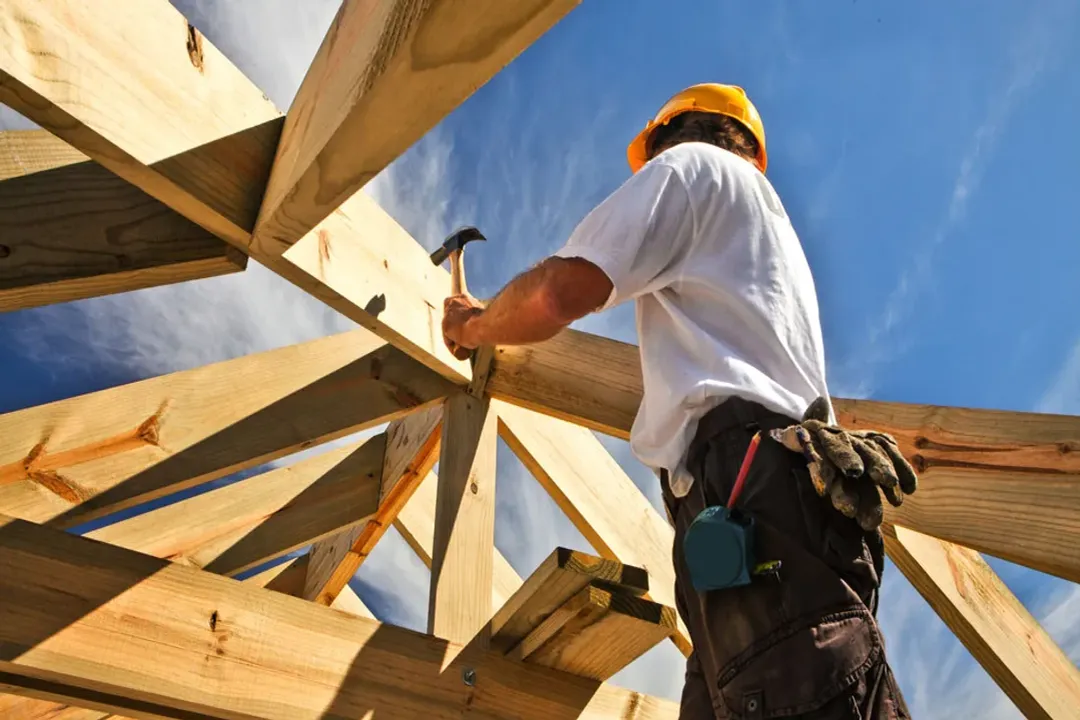
The baseline for physical demand is established early, particularly for entry-level roles. Construction laborers, for instance, are frequently tasked with the most overtly strenuous work, such as lifting heavy objects, digging trenches, carrying building supplies, and mixing materials like concrete. Official job requirement data supports this, indicating that workers must regularly stand, walk, climb, and often carry or lift objects weighing 50 pounds or more. These actions aren't performed occasionally; they constitute the core of the workday, demanding continuous physical exertion.
The nature of the physical toll is often tied to repetition and posture. Workers note that repetitive tasks, coupled with the necessity of maintaining awkward or strenuous positions, truly impact the body over time. While the strength to lift a beam is obvious, the hidden strain comes from the constant, smaller movements—the repetitive hammering, the twisting while driving fasteners, or the sustained overhead reach while installing ductwork or running electrical conduit.
# Task Requirements
When looking at the necessary skills, it becomes clear that construction requires more than just brute strength. While physical strength is essential, stamina is perhaps even more critical, as energy reserves must be maintained across long shifts, often regardless of external conditions. Furthermore, balance and coordination are vital for safely maneuvering across uneven surfaces, scaffolding, or high elevations.
The daily activity set involves a diverse range of motions:
- Bending and stooping to manage low-level materials or tasks.
- Climbing ladders or stairs repeatedly throughout a shift.
- Operating a variety of hand and power tools, which requires sustained grip strength and controlled movement.
- Maneuvering materials across the site, demanding constant transportation of weight.
Even when operating machinery, such as an excavator or a skid steer, the job remains physically taxing due to the vibration transmitted through the equipment, the need for constant situational awareness, and the physical ingress/egress from the cab many times a day.

# Wear Consequences
The cumulative effect of these demands manifests over the years as chronic pain and persistent injuries. It is common for workers to point to specific areas that bear the brunt of the work. The lower back, the shoulders, and the knees frequently surface as problem areas among veteran construction professionals. Because the work is so physically intensive, finding adequate relief from chronic pain can be a significant challenge for those remaining in the field.
Medical analyses confirm this strain, categorizing many construction injuries as overuse injuries resulting from the musculoskeletal system absorbing repetitive stress over long periods. This stress profile distinguishes construction from many office-based careers where acute injuries might be rarer, but the physical strain is negligible. In construction, the strain is constant, leading to accelerated wear on joints and connective tissues.
For example, consider a seasoned carpenter who spends years leaning back slightly while using a circular saw or constantly bending to fit subflooring. While each individual movement is manageable, the thousands of repetitions compound, leading to issues that require early intervention or career modification.
# Job Grading
It is important to recognize that physical demand exists on a spectrum even within the construction industry. Not every job requires the same level of immediate, heavy lifting. A survey tracking the toughest jobs in the industry often reveals differences based on the inherent risk, exposure to the elements, and the sheer physical volume of work required. While data varies, roles like ironworking, heavy equipment operating, or traditional framing often rank near the top due to the height, weight, and environmental exposure involved.
To offer a simple comparison of effort allocation across generalized roles:
| Role Type | Primary Physical Focus | Endurance Requirement | Key Risk Factor |
|---|---|---|---|
| Laborer | Lifting, carrying, digging | High stamina for sustained, varied output | Acute injury from heavy loads |
| Finisher (e.g., Painter, Drywaller) | Repetitive fine motor skills, awkward overhead/low posture | Moderate stamina for sustained focus | Chronic overuse injuries |
| Site Supervisor | Walking, inspecting, some material handling | High mental endurance, low heavy physical endurance | Slip/trip/fall hazards |
This hierarchy shows that even though a supervisor walks the site frequently—which involves constant walking and standing—their day-to-day exposure to 50-pound lifts is significantly lower than that of a general laborer.
When you consider the entire site workflow, the physical requirements of the initial phases set a high bar. The rough-in work, involving demolition, site grading, and laying foundations, establishes the physical baseline for everyone who follows. If site preparation involves manually hauling significant amounts of earth or rubble, that foundational physical output dictates the overall atmosphere of exertion for the entire project.
# Worker Resilience
Building a career in this demanding environment requires proactive management of one's physical capacity. While the industry relies on strength and stamina, recognizing the limits is crucial for longevity. Beyond traditional safety training focused on preventing immediate accidents, there is an ongoing, personal responsibility to manage physical wear.
A critical aspect often overlooked in purely physical assessments is the environment itself. The required physical exertion is amplified significantly by adverse weather. Carrying materials in extreme cold or working under a direct summer sun adds an extra layer of physiological stress that elevates the cardiovascular demand far beyond the simple mechanics of lifting. Therefore, the required stamina mentioned in job analyses must account for operating at peak capacity while dehydrated or battling the cold, a factor that elevates the difficulty far beyond a climate-controlled setting.
Furthermore, physical preparedness must include flexibility and core strength, not just muscle mass. A strong core helps stabilize the spine during twisting motions and heavy lifts, directly mitigating the primary risk factor for debilitating back pain. Workers who integrate routine stretching or targeted strengthening exercises—even brief sessions before the shift begins—often find they can sustain the physical demands for more years without succumbing to the chronic issues reported by their less-prepared colleagues. Longevity in construction, therefore, often depends as much on how you move as what you can lift.
Related Questions
#Citations
Does Construction Really Take A Toll on Your Body? - Reddit
Construction workers experience more injuries—and pain—than ...
Construction Laborers - Physical Demands - illino is work net
Survey ranks toughest construction jobs
What is considered the most physically demanding job in ... - Quora
Physical activity levels at work and outside of work among ... - NIH
Construction Laborers and Helpers : Occupational Outlook Handbook
What Does a Construction Worker Do? Duties, Skills, and Growth
What Are The Skilled Required In Construction Jobs?