What Transportation Jobs Are Physically Demanding?
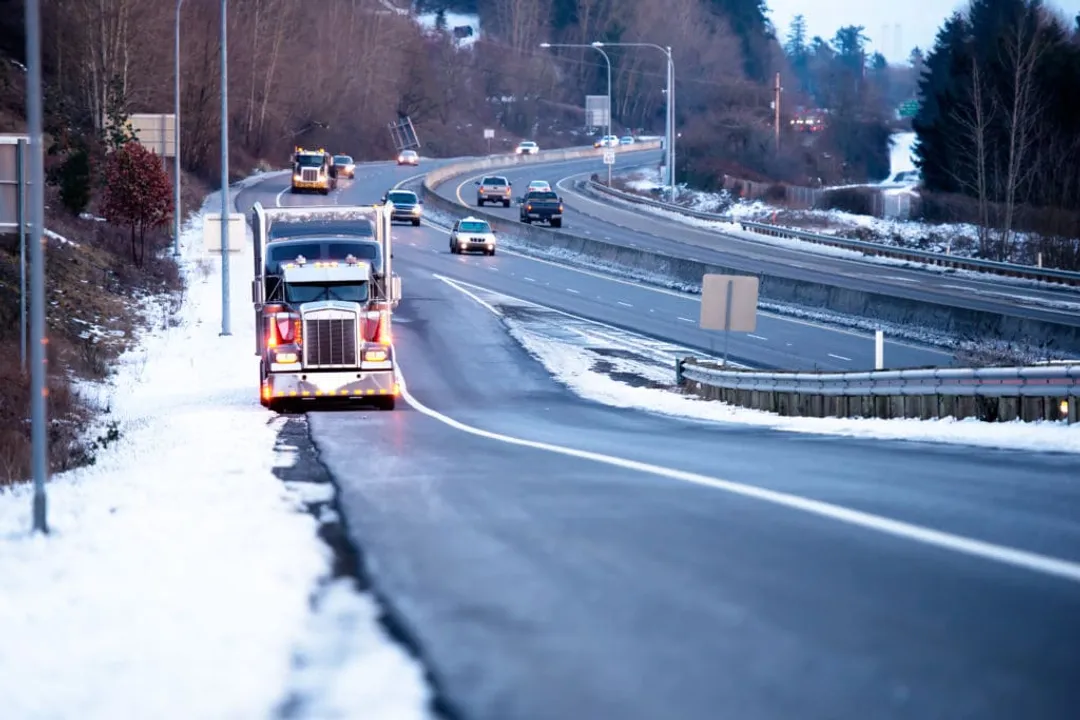
The transportation industry moves the economy, but that movement often comes with a significant physical cost to the workers involved. While many picture long-haul drivers spending their days primarily behind the wheel, the reality across various roles, from local delivery to specialized hauling, involves substantial physical exertion. Understanding which jobs demand the most from the human body requires looking past the vehicle and focusing on the cargo and the delivery environment.
# Physicality Defined
The physical demands in transportation are not monolithic; they stem from a combination of heavy lifting, repetitive motion, prolonged awkward positioning, and environmental factors. For delivery truck drivers specifically, the U.S. Bureau of Labor Statistics notes that the job is physically demanding, requiring frequent lifting, carrying, and walking when managing the loading and unloading of cargo. This continuous physical stress contributes to occupational hazards; light truck drivers, for instance, exhibit one of the highest rates of injuries and illnesses across all occupations, stemming from both lifting incidents and accidents.
Beyond direct cargo handling, the daily operations of driving large commercial vehicles add their own strain:
- Sustained Posture: Sitting for extended periods taxes the back and legs.
- Vehicle Operation: Operating pedals, turning the steering wheel, and manually shifting gears (in non-automated trucks) requires consistent use of the feet, legs, arms, and upper body.
- Pre-Trip/Post-Trip Duties: Drivers must frequently climb in and out of the cab, inspect the vehicle, which may involve bending and reaching, and secure loads using straps or chains. Even the simple act of cranking the landing gear up and down when dropping or picking up a trailer is a physical requirement.
A key point often missed is that even "no-touch freight" roles still require a baseline of physical capability, such as lifting the hood for mandatory pre-trip inspections or simply lifting oneself into and out of the truck cab. The industry is built around physical capability, making a truly zero physical activity job rare, even for administrative or highly specialized transport roles.
# Labor Intensive Freight
The most overtly physically demanding transportation jobs are generally those where the driver is directly responsible for manual loading and unloading, or managing cargo that cannot be moved with standard mechanical aids like pallet jacks.
# Food Service Deliveries
Roles involving food and beverage distribution consistently appear in discussions about the most taxing driving jobs. The physicality here comes from volume and repetition. Drivers often have to "fingerprint every single box" in the trailer, sometimes twice, often involving maneuvering two-wheel dollies across varied surfaces. While the heaviest individual boxes might be under 60 pounds, the sheer number of stops and the required case count—with some operators reporting 1,500 case days—leads to high cumulative strain.
# Building Materials
Jobs that involve transporting construction supplies are frequently cited as being far worse than food service delivery, especially when the drop-off point is not a clean warehouse dock.
- Drywall and Trim: Hauling items like drywall, metal studs, or 16-foot-long pieces of trim presents challenges related to weight, awkward size, and material fragility. If the delivery location is a construction site, the driver may have to maneuver these materials through mud or snow without the benefit of concrete floors or dollies.
- Shingles and Similar Goods: One driver noted that running a truck for a shingle distributor was significantly tougher than delivering beer.
# Moving and Specialty Cargo
Beyond standard freight, jobs that intersect with the moving industry carry a high physical toll. Residential moving services are often highlighted, involving extreme cardio and heavy, awkward lifts like pianos or gun safes, frequently requiring navigating stairs.
For those driving specialized equipment, the physical demand shifts from volume to sheer exertion and coordination:
- Flatbed Securement: Flatbed driving requires significant physical exertion to load and secure cargo, involving extensive strapping and unstrapping. Drivers hauling oversized loads often face the strenuous task of dragging out and tightening heavy chains and binders—sometimes requiring the handling of 600 pounds of tensioning gear—with no mechanical assistance like a pallet jack available for that specific task.
- Hazardous/Specialized Hauling: While some specialized roles like bulk limestone pellet transport are noted as physically minimal, others—like unloading noxious chemicals while wearing a full chemical suit in high heat and humidity—are extremely demanding on the body due to environmental stress combined with the load itself.

# Locality vs. Distance
The physical demands often vary based on whether the job is local, regional, or Over-The-Road (OTR).
# Local and LTL
Local and Less Than Truckload (LTL) jobs are often singled out as the most physically demanding because they frequently require the driver to perform multiple drops and pickups daily, necessitating repeated loading and unloading maneuvers. An LTL driver might load their own trailer in the morning with 10 to 15 drops, deliver those throughout the day, and then execute several pickups in the afternoon, touching nearly every piece of freight involved. This high-frequency, stop-and-start physical activity can be more taxing on joints and the back than long, steady driving.
# OTR and Linehaul
Conversely, many Over-The-Road (OTR) or linehaul positions focus more on the driving aspect and less on manual labor. These roles often involve "dock-to-dock" service, where the driver hooks up to an already loaded trailer, drives a long distance, drops it, and hooks to another. In these scenarios, the physical work is often limited to securing the load with bars or straps that are manageable, or perhaps dealing with light administrative paperwork or tire chains. If a driver secures a dedicated route that guarantees this scenario—often referred to as "no-touch freight"—the physical exertion related to moving freight is drastically reduced.
This contrast suggests an inherent trade-off: jobs with lower physical demands related to handling cargo often require a greater commitment of personal time away from home (OTR), while jobs that allow you to be home daily (local/LTL) usually require more physical output.
# Beyond the Driver Seat
While truck driving dominates discussions about physical transport jobs, other roles in the sector also require stamina and strength. For instance, roles like Cargo Handler/Forklift Operator within logistics hubs are inherently physical, involving loading, moving, and organizing freight within a terminal setting. Furthermore, specialized roles like Non-Emergency Medical Transportation require drivers to assist or move patients, demanding careful physical handling and strong customer service under potentially stressful time constraints. Even roles in general logistics or coordination might require physical checks of equipment or stock, like walking large yards or checking on trailer integrity.

# Gauging True Physical Workload
If you are evaluating a transportation job where the physical requirements seem vague, relying solely on a job title is insufficient, as demonstrated by the wide range of demands within the general "truck driver" category. A driver looking to avoid heavy lifting must investigate the specific type of freight and the delivery infrastructure of the potential employer.
Here is a way to gain insight into the expected daily physical activity of a role:
- Ask About Freight Handling Policy: Directly inquire if the role is "no-touch freight," "touch freight," or if the driver is responsible for securing/unsecuring the load. If the company uses lift gates, that lessens the demand, but if it is manual unloading at every stop, expect high physical strain.
- Investigate Destination Types: Instead of asking "How much lifting?" ask, "Over the last ten deliveries, how many were dropped at a commercial loading dock versus a construction site or residential porch?" This query reveals the context of the physical work. A job described as "light LTL" might still be demanding if the stops are consistently non-standard locations requiring maneuvering heavy items over uneven ground.
- Examine Load Securement Method: If the job involves open deck or specialized hauling, ask about the process for load securement. If it requires deploying heavy chains and binders manually, this task alone can be the most physically taxing part of the day, even if the rest of the driving is easy.
The key insight here is that the physical toll is not just about the weight of the object, but the frequency and the terrain over which it must be moved. Moving a 500-pound pallet on a smooth warehouse floor with a forklift is fundamentally different from maneuvering 15 boxes weighing 50 pounds each up three flights of icy residential stairs. Cumulative strain from high-repetition tasks, common in local delivery, can often lead to career-limiting injuries faster than the occasional heavy lift associated with specialized long-haul securement.
# High Pay versus High Demand
While some drivers pursue specialized, high-paying roles—such as those hauling hazardous materials or oversized loads—which require more certification and knowledge, these positions do not automatically equate to the highest physical demand. In fact, many of the highest-earning jobs focus on skills that translate to less manual labor, such as specialized certifications (like HAZMAT endorsements) or running complex, permitted heavy-haul jobs that might involve a higher degree of technical oversight rather than continuous lifting.
For instance, roles involving transporting commodities like liquid foodstuffs via tanker may offer good compensation but require minimal heavy lifting, perhaps only dragging hoses to a silo. High earning potential is often tied to responsibility, specialized equipment knowledge, or demanding schedules (like OTR), rather than purely brute strength. For example, many high-six-figure opportunities in trucking rely on knowledge of complex logistics or equipment maintenance, not physical unloading. This implies that if a job is exceptionally difficult and highly paid, it is likely due to the combination of intense physical work and specialized skill/risk, such as the specialized building supply delivery mentioned earlier.
When considering transportation careers, the term "physically demanding" must be broken down into its components: heavy lifting (e.g., furniture moving), repetitive loading/unloading (e.g., LTL/food service), or strenuous preparation/securement (e.g., flatbed chaining). An informed job seeker will match their physical tolerance not just to the industry, but to the specific cargo and delivery routine of the potential employer.
Related Questions
#Citations
Most physically demanding trucking specialty/company?
What is the most physically demanding local job?
7 Truck Driving Jobs That Are Always In Demand
Delivery Truck Drivers and Driver/Sales Workers
Are there truck driving jobs where I don't have to lift anything?
$14-$50/hr Transportation Provided Jobs in Las Vegas, NV
TRUCK DRIVERS – IT IS A PHYSICAL JOB