What Energy Jobs Are in Demand?
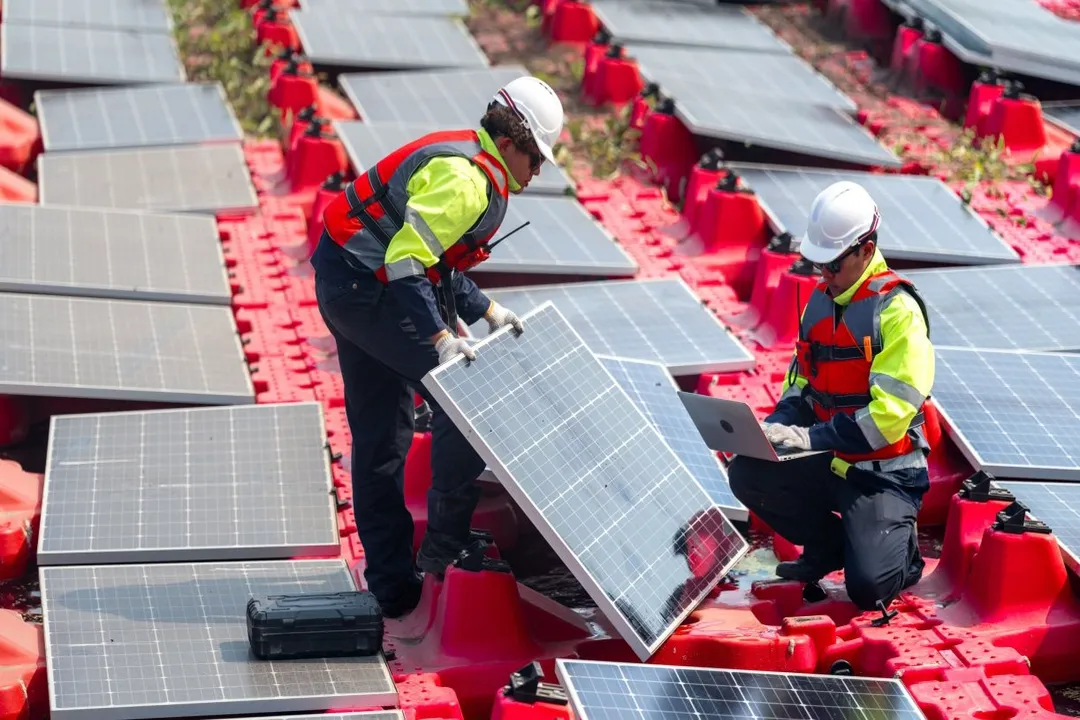
The energy industry today is less a single monolithic field and more a vast, evolving ecosystem, driven by rapid technological advancement and a global push toward sustainability. This dynamic environment naturally creates distinct pockets of high demand across traditional, renewable, and supporting technical sectors. Rather than a simple replacement of old jobs with new ones, what we are seeing is a massive re-skilling and expansion of the overall energy workforce, pulling in professionals from diverse backgrounds. [2][3]
# Sector Growth
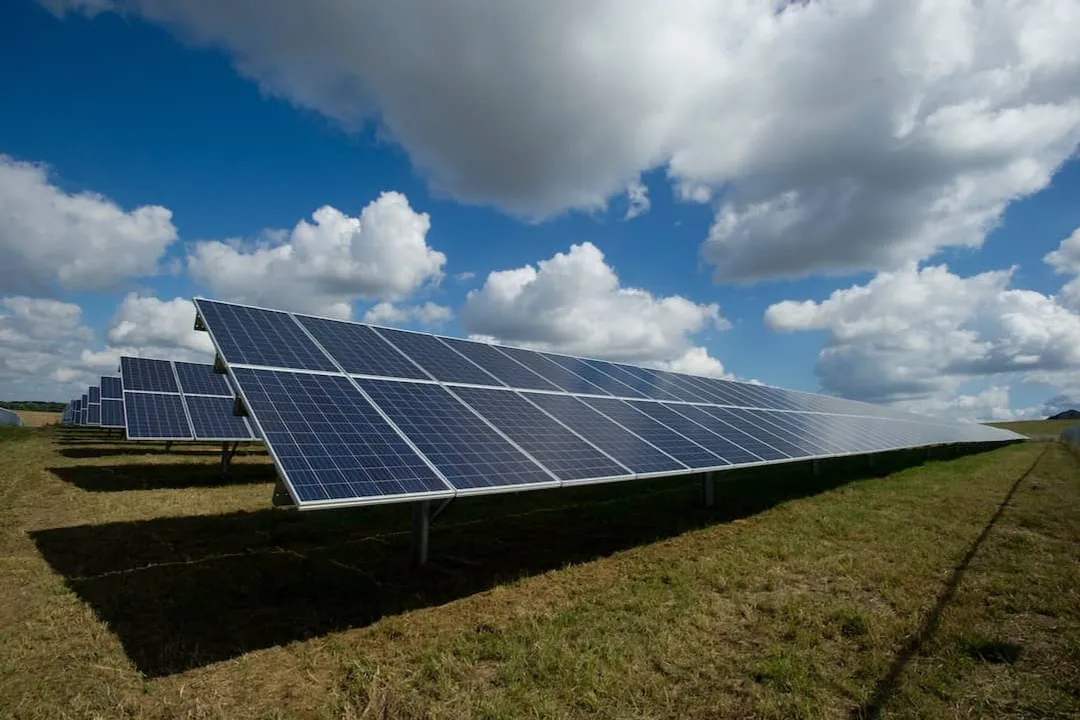
The clean energy sector is experiencing significant, measurable growth. Reports indicate that renewable energy jobs in the US alone have seen substantial increases, often outpacing job growth in other sectors. [6] This expansion is not uniform; it is concentrated in specific areas like solar, wind, and energy efficiency improvements. [4][6] However, it is a misconception that traditional energy sources are shedding all their labor overnight. Oil, gas, and nuclear sectors continue to require skilled workers for existing infrastructure maintenance, decommissioning, and ongoing operations, often offering some of the highest compensation packages available. [5][9]
The transition means that while a wind turbine technician role might be rapidly expanding, a petroleum engineer role, though perhaps fewer in number overall compared to peak years, remains highly compensated due to the specialized expertise required for extraction and refining processes. [1][5] Understanding this duality—growth in volume versus high compensation in established fields—is key to navigating the modern energy job market.
# Renewable Careers
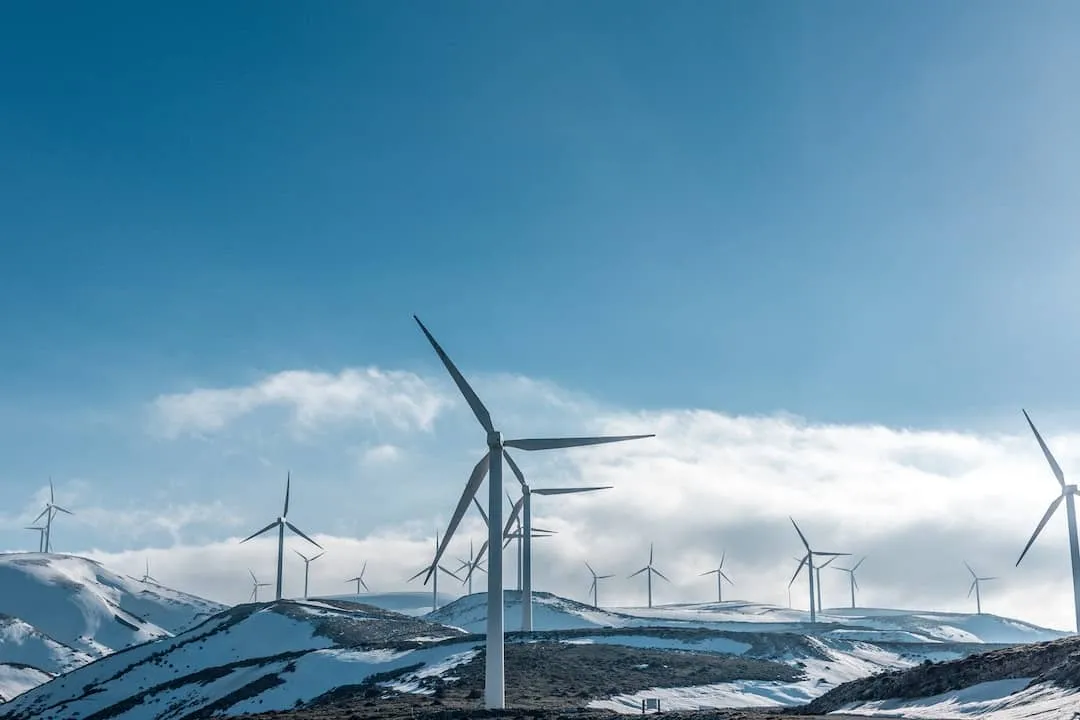
The backbone of the energy job boom rests squarely on renewable technologies. Solar and wind power, in particular, require a significant workforce from conception to operation. [4][8] This ranges from the initial design and manufacturing phases to on-site installation and long-term maintenance.
# Technical Roles
Specific technical roles in renewables are seeing near-constant hiring. Wind turbine technicians and solar photovoltaic (PV) installers are consistently mentioned as roles with high demand and good projected growth. [4][8] These positions often require specialized training, sometimes involving working at heights or complex electrical systems, which naturally limits the immediate applicant pool and drives up the need for trained personnel. [4]
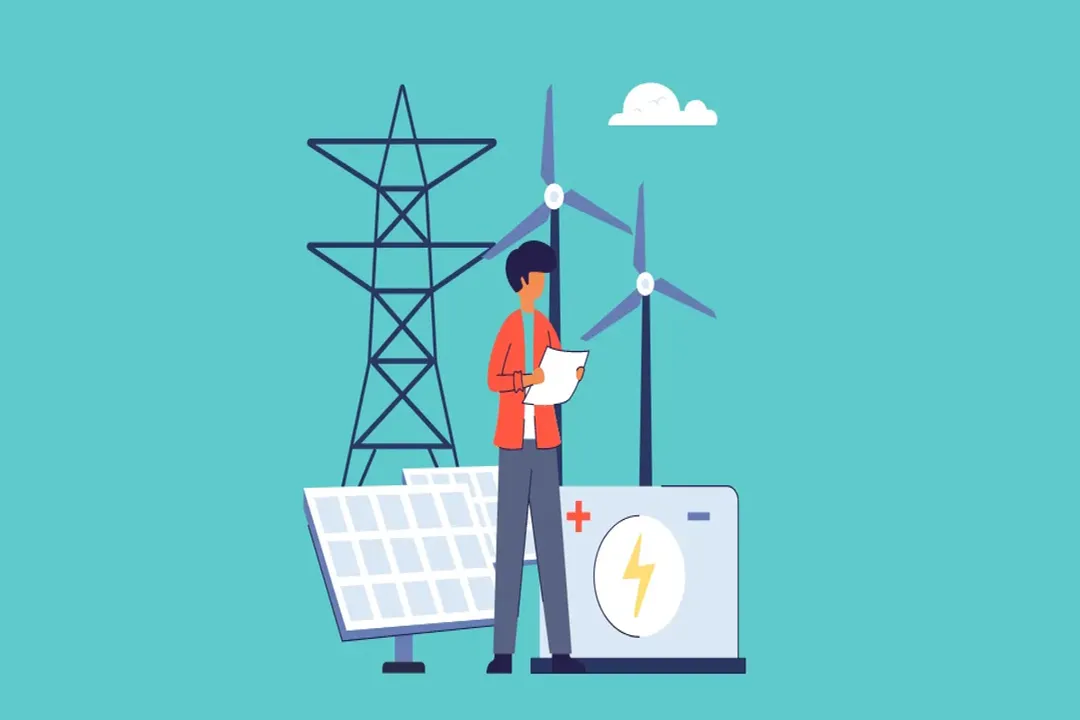
Furthermore, the existing electrical grid needs significant modernization to handle intermittent renewable sources. This creates demand for electrical engineers specializing in grid modernization, transmission planners, and smart grid technicians who can integrate decentralized power sources efficiently. [2] If you look at the energy career cluster map, you see roles dedicated explicitly to energy efficiency and transmission, indicating that the delivery and consumption sides of energy are just as job-rich as the generation side. [3]
# Specialized Disciplines
Beyond the physical installation, the clean energy push requires specialized knowledge in areas that were once niche. Geothermal energy specialists, biofuel researchers, and experts in hydropower operations round out the renewable demand profile. [8] While perhaps smaller in sheer volume than solar or wind, these roles often require advanced degrees and command premium salaries because the expertise is scarce. [1][7]

# Traditional Energy Needs
Despite the focus on clean energy, established sectors remain critical to the current energy supply and offer very lucrative career paths. These jobs often fall into the Operations and Maintenance or Engineering Design categories within oil, gas, and nuclear power generation. [5]
# High Payoffs
Roles like Petroleum Engineers, Geoscientists, and Drilling Engineers frequently appear at the top of lists for the highest-paying jobs in the energy industry across the US. [1][5][9] This high compensation reflects the intense capital investment, the inherent risks involved, and the deep technical knowledge required to manage complex extraction and processing facilities. [5] Even as the world transitions, global energy demands mean these roles aren't disappearing soon; they are simply changing focus, perhaps moving toward carbon capture integration or efficiency improvements within existing assets. [6]
It is an interesting tension: the new jobs are growing in quantity and accessibility (often requiring certifications or associate degrees), while the highest-paying jobs often still sit within the established hydrocarbon sectors, requiring advanced degrees and decades of field experience. [1][7]
# Support Infrastructure
Energy is more than just generation; it is also about policy, finance, data, and project execution. A crucial area of demand, often overlooked, is the supporting infrastructure that allows any energy project—renewable or traditional—to move from concept to reality.
# Project Management and Finance
Every large-scale energy build requires Project Managers who understand the complex regulatory environment, permitting processes, and capital budgeting cycles unique to energy infrastructure. [3] Furthermore, as renewable projects become increasingly reliant on tax incentives, power purchase agreements (PPAs), and complex financing structures, demand surges for Energy Financial Analysts and Policy Advisors. [6] These individuals bridge the gap between the engineering team and the investors, ensuring projects are both technically feasible and financially viable.
# Data and Digitalization
The modern grid relies on data, creating a pipeline for Data Scientists and IT Security Specialists within utility companies and energy firms. [2] Smart meters, grid sensors, and predictive maintenance software all rely on clean data streams. Professionals who can analyze performance data to optimize turbine output or forecast peak demand are exceptionally valuable. This crossover between traditional IT/Data Science and energy operations is a fantastic entry point for those without direct field experience in power generation.

# Skill Demand Analysis
To better visualize where the market is heading, consider the specific competencies that employers are actively seeking, as noted across various career guides. These can be grouped by the required educational level or experience path. [3]
| Career Path Cluster | Primary Skill Focus | Typical Entry Requirement |
|---|---|---|
| Installation & Maintenance | Technical troubleshooting, safety certifications, field work | Certification/Associate Degree |
| Engineering & Design | Modeling, simulation, material science, fluid dynamics | Bachelor's/Master's Degree |
| Business & Management | Risk assessment, regulatory compliance, procurement | Bachelor's Degree + Experience |
| Energy Efficiency | Auditing, building science, behavioral science | Certification/Specialized Training |
| Resource Exploration | Geology, reservoir modeling, subsurface analysis | Master's/Doctorate Degree |
| [3][5][7] |
One important observation for job seekers is the sheer breadth of necessary skills that don't require a traditional "engineer" title. For instance, a background in environmental compliance or supply chain logistics is highly transferable. The demand for Environmental Health and Safety (EHS) Managers remains high because large-scale projects, regardless of energy source, must adhere to strict safety and environmental standards. [2]
Thinking about the geographical realities, a key consideration is that job creation and job location are often separated. For example, large-scale battery manufacturing facilities might cluster in the Midwest due to logistics and incentives, while the specialized solar panel installation workforce might be concentrated in the Southwest or California. [6] This means that while the type of job might be in demand nationally, an applicant's willingness to relocate or engage in long-haul travel significantly impacts their success in landing a position, especially in field operations roles. [4]
# Path to Employment
Transitioning into this high-demand environment requires a strategic approach, particularly for experienced professionals moving between energy sub-sectors. Simply having "experience" isn't enough; the experience must be framed in the language of the desired role.
# Translating Expertise
For someone moving from traditional oil and gas engineering into a renewable energy firm, the primary challenge is demonstrating an understanding of renewable-specific challenges. Instead of focusing solely on maximizing extraction yields, the new focus should be on demonstrating proficiency in asset reliability and cost optimization—concepts directly applicable to extending the lifespan of a wind farm or solar array. [9]
Here is a short checklist for professionals reorienting their resumes for the modern energy sector:
- Identify Transferable Core Skills: Pinpoint skills like project management, large-scale budgeting, safety leadership, or complex systems troubleshooting. These are sector-agnostic. [3]
- Translate Terminology: Convert sector-specific jargon into universally understood terms. For instance, change "Reservoir Modeling" to "Complex System Simulation and Predictive Analysis" if aiming for grid modeling roles. [7]
- Acquire Digital Credentials: Even if you aren't pursuing a full degree, obtaining certifications in specific renewable technologies (like battery storage standards) or data analytics platforms shows current commitment and capability. [4]
- Network Strategically: Focus networking efforts on the areas experiencing the highest growth volume, such as solar installation firms or energy efficiency consulting groups, rather than only established utilities. [2]
The increasing prevalence of specialized training programs and career clusters highlights an industry-wide recognition that the necessary workforce expansion will rely heavily on upskilling existing talent rather than waiting for a new generation of graduates alone. [3]

# Compensation Insights
When examining the best-paying jobs, a clear pattern emerges: the highest salaries are tied to accountability, specialized technical risk, and management oversight. [1][5] While solar installers earn competitive wages, the Chief Technology Officer at a major utility, or a highly experienced Nuclear Power Plant Manager, will command significantly higher pay due to the sheer scale of the assets they oversee and the potential financial or safety ramifications of error. [7][9]
Salaries are not static across the board. For example, while a Wind Turbine Technician in the plains states might earn a very respectable living, that same role in a high-cost-of-living area or one with intense local labor shortages could see a 15-20% premium simply due to geographic pressure. [1] This hyperlocal competition for skilled trades is a significant factor that job seekers should investigate when researching compensation, often more so than national averages suggest. The growth in demand is so swift in certain technical trades that companies are having to offer retention bonuses just to keep their experienced installers from being poached by competitors building a new solar farm down the road. [4]
Ultimately, the energy sector is not shrinking; it is diversifying at an unprecedented speed. The jobs in highest demand are those that either directly enable the clean energy buildout—the installers, the grid modernization engineers—or those who manage the immense capital and complex compliance surrounding all energy production, regardless of the fuel source. [6] Success in this market belongs to those who can see the common threads of engineering, finance, and reliability that tie a coal power plant manager's experience to that of a geothermal project lead. [3]
Related Questions
#Citations
The best paying jobs in energy in 2025 - PowerToFly
Map a Career in Energy
Energy career cluster | Explore Careers - CareerOneStop
Careers in Renewable - Get Into Energy
2026 Best Paying Jobs in the Energy Industry | Research.com
5 Key Insights on the State of US Clean Energy Jobs
Top 10 Best Paying Jobs in Energy (Renewable & Conventional) 2026
8 exciting career possibilities in renewable energy - PVcase
Highest Paid Jobs in the US Energy Industry