What Safety Challenges Exist in Energy Jobs?
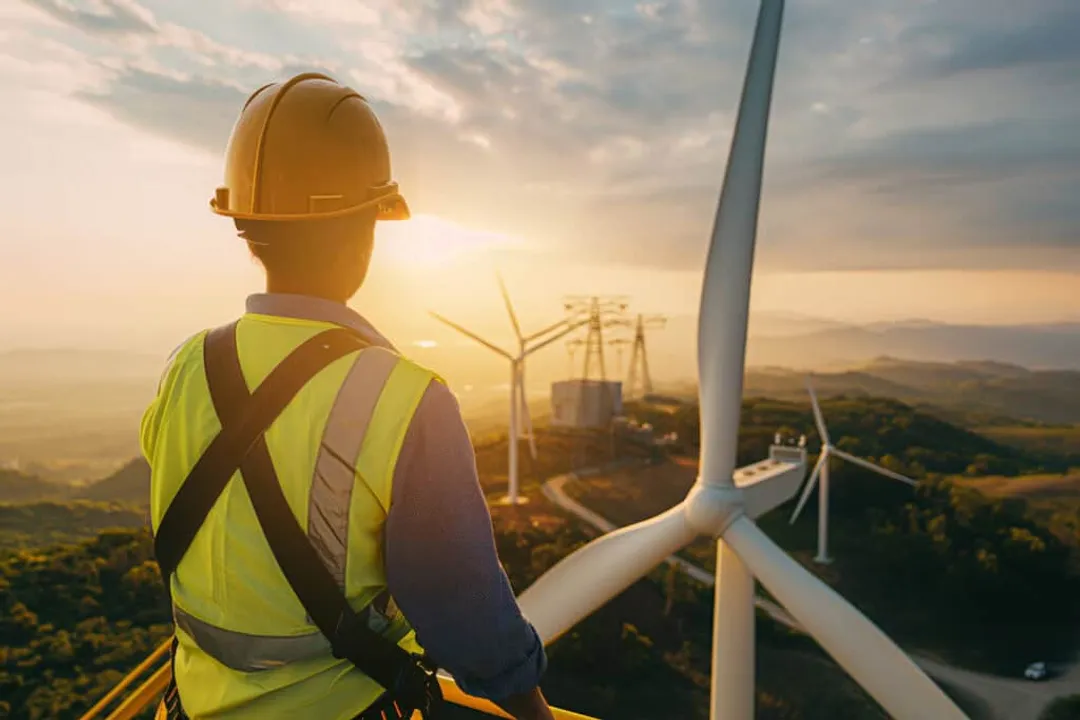
The energy sector, spanning from traditional fossil fuels to rapidly expanding renewable sources, presents a unique and demanding landscape for worker protection. The sheer scale, complex machinery, and inherent environmental risks mean that safety vigilance is not just a requirement but a fundamental operating principle. [1] Understanding the specific dangers across different energy domains—whether dealing with the high-pressure systems of oil and gas or the elevated structures of wind power—is the first step toward mitigating serious incidents.
# Oil Gas
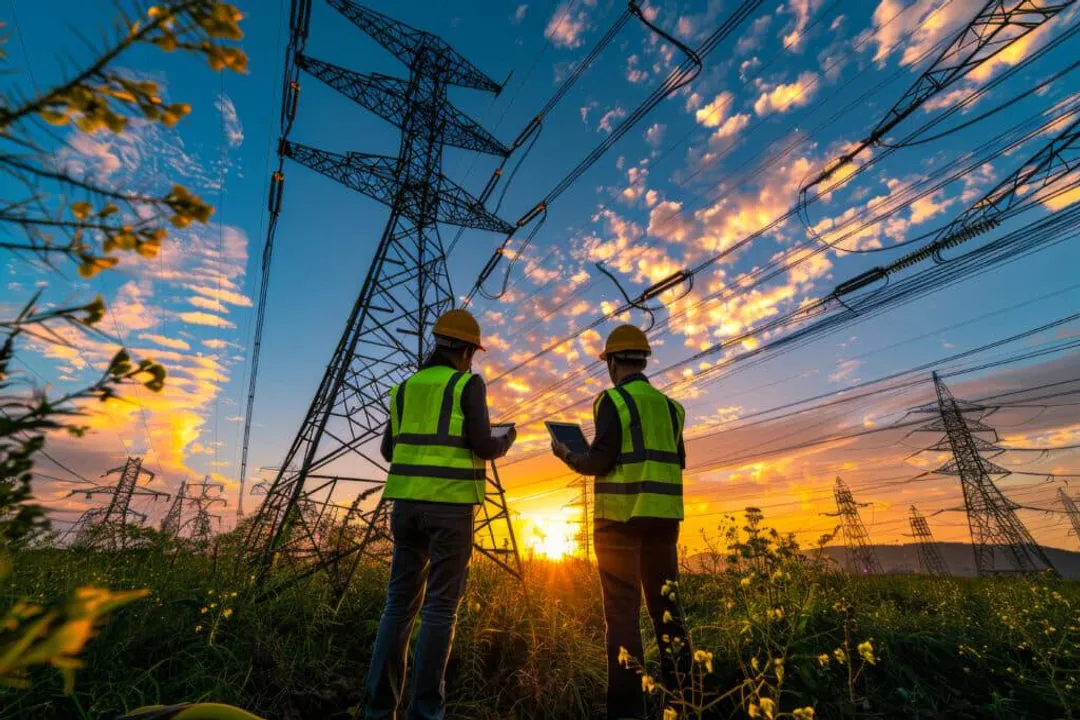
In the realm of oil and gas operations, the risks are often tied to the volatile nature of the materials handled and the industrial scale of the equipment involved. Hazards such as explosions and fires stemming from flammable gases and liquids represent a primary threat. [4] Operations frequently involve working with high pressures, introducing risks of equipment failure or line rupture that can cause severe injury or fatality. [4]
A less obvious but frequently cited danger in this sector relates to the physical work environment itself. Workers often encounter confined spaces such as tanks, pits, or process vessels, where atmospheric hazards—like oxygen deficiency or the presence of toxic gases—can quickly become life-threatening if not rigorously managed through air monitoring and proper permitting. [4] Furthermore, the reliance on heavy machinery, large piping, and complex lifting operations means that being struck by or caught in moving equipment remains a constant consideration, necessitating strict adherence to lockout/tagout (LOTO) procedures and exclusion zones. [4]
# Renewables Hazards
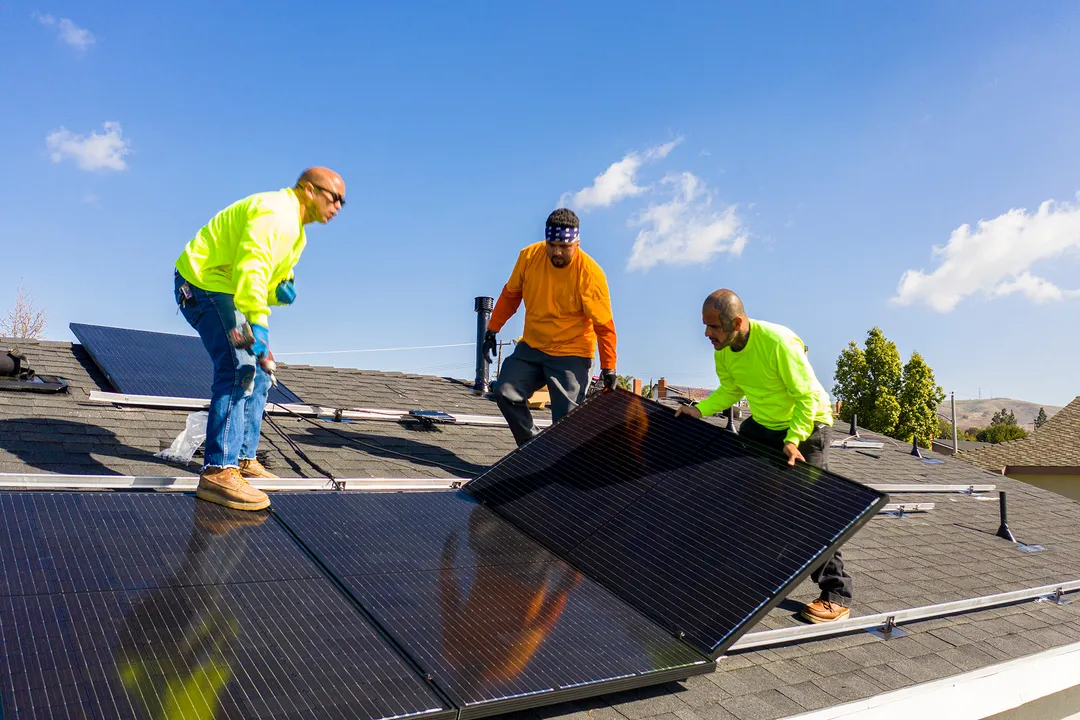
The renewable energy sector, while generally perceived as cleaner, introduces its own set of distinct and sometimes novel safety challenges, particularly in the installation and maintenance phases of solar and wind projects. [3] Industry reports frequently identify several key areas of concern. The most common serious hazards across wind and solar installations often include falls from height, electrical contact, being struck by moving objects, and entry into confined spaces. [3]
Wind energy technicians, for instance, face extraordinary risks related to working hundreds of feet in the air. [9] Accessing turbines requires navigating complex logistics, and even minor weather shifts can turn a manageable task into a perilous one. [9] Similarly, solar installers frequently work outdoors on rooftops or large arrays, increasing exposure to hazards like falls and severe weather. [6] When installing photovoltaic systems, workers must manage ergonomic risks related to lifting heavy panels and repetitive motions, issues sometimes overlooked in the rush to complete large-scale deployments. [6]

# Electric Shock Risks
Electricity forms the common denominator of risk across nearly every energy job, yet the contexts differ significantly. In traditional power generation and transmission, high voltages pose obvious dangers. [1] However, renewable energy introduces unique electrical safety considerations, especially in solar installations. [2] Workers installing photovoltaic (PV) arrays must recognize that DC voltage can be present even when the system appears to be shut down or during non-production hours. [2]
Solar installations present risks from arc faults, which can occur due to damaged wiring or improper connections, generating intense heat and fire hazards. [2] Effective control of these electrical hazards requires meticulous adherence to safety protocols like LOTO, ensuring all energy sources are de-energized and verified before work begins. [2] For general electrical work, establishing clear communication protocols, such as designated personnel confirming isolation status before a coworker proceeds, adds a critical layer of human verification that supersedes relying solely on signage. [7]
# Site Dangers
Site management presents a collective challenge regardless of the energy source, though the specifics vary. In oil and gas, site hazards often involve managing unstable ground, slippery surfaces from drilling mud or oil spills, and managing the interface between mobile drilling rigs and stationary infrastructure. [4]
In green energy projects, especially solar and wind farms, the hazard profile shifts toward the physical structure and environment of the installation site. [9][10] For wind projects, the interaction between construction equipment and the massive turbine components requires careful planning to prevent workers from being struck or crushed by enormous moving parts or hoisted materials. [3] An original safety check many sites overlook is the impact of project pacing on environmental safety; when deadlines push schedules, the time dedicated to clearing debris, stabilizing access roads, or ensuring proper drainage often gets compressed, leading to avoidable slips, trips, and falls. [10] This suggests that safety planning must scale not just with the physical complexity but also with the schedule intensity of the project.
# Leadership Culture
Addressing these technical and environmental hazards relies heavily on the strength of an organization's safety culture, driven from the top down. [5] Safety leadership in the alternative energy sector needs to be agile, recognizing that the workplace is evolving rapidly with new technologies and installation methods. [5] Leaders must be prepared to anticipate hazards associated with emerging energy sources before they become common causes of incidents. [5]
A strong safety leadership strategy involves more than just enforcing rules; it means actively encouraging workers to report near misses and unsafe conditions without fear of reprisal. [1] This proactive reporting allows management to adjust protocols before an incident occurs. Furthermore, aligning safety management systems with operational realities is key. [8] Modern trends point toward integrating safety analysis directly into workflow technology, moving away from paperwork-heavy systems that slow down site progress but fail to capture real-time risk data. [8] Good leadership ensures that safety isn't seen as an obstacle to production but as an integrated component of high-quality work. [5]
# Mitigation Trends
To counter the inherent risks, the industry is seeing several targeted safety improvements take shape. [8] Six key trends are emerging to bolster worker protection in renewable energy roles. [8] These include enhanced training focused on high-risk tasks, better use of specialized Personal Protective Equipment (PPE), and improved accident investigation techniques to extract maximum learning from every event. [8]
Specific preventive actions for renewable energy construction often circle back to thorough planning. For instance, conducting detailed Job Hazard Analyses (JHAs) before work commences helps identify potential issues like fall hazards or necessary lockout points. [6] Another practical step involves strictly controlling tools and equipment access; for instance, ensuring that only properly inspected and tagged harnesses are used for fall protection, or that only authorized personnel have access to electrical disconnect keys. [7]
When it comes to improving worker safety during installation of solar and wind systems, an important factor is the structure of the deployment teams themselves. [10] Small, cross-functional teams often benefit from clearer lines of communication than large, sprawling site operations. Creating "Isolation Verification Checklists" specific to the energy type—one checklist focused on confirming zero pressure/energy in a gas line, another focused on verifying zero voltage across PV lines—and requiring sign-off from two separate team members, adds a beneficial redundancy that simple adherence to a single sign-off sheet often lacks. This dual verification standard, while seemingly a minor procedural addition, drastically reduces the chance of human error when energy isolation is critical. [2][4]
The commitment to continuous safety improvement requires embracing the fact that older models of safety compliance may not fully address modern energy challenges. [5] For a solar installer navigating array layouts, the risk might not be a single large hazard but the cumulative strain of repetitive twisting and lifting panels all day, which demands regular micro-breaks or team lifting strategies to prevent long-term musculoskeletal injuries. [6] The effectiveness of any safety program ultimately hinges on translating broad policies into concrete, daily actions performed correctly by every worker on site. [1]
Related Questions
#Citations
On-Job Safety in the Renewable Energy Industry
Green Job Hazards - Solar Energy: Electrical
Top Four Workplace Hazards in Renewable Energy
Workplace Safety in Oil and Gas: Hazards, Causes, and ...
Ready for the safety challenges of alternative energy?
Tips to Reduce Risk of Worker Injuries in Renewable Energy
Renewable Energy Occupational Safety
6 Trends for Renewable Energy Job Safety
Addressing Work Site Hazards in Renewable Energy ...
How To Improve Worker Safety in Green Energy Solar and ...