What Safety Concerns Exist in Manufacturing Jobs?
The manufacturing sector, the backbone of production for countless goods we rely on daily, operates under a unique set of inherent risks that demand constant vigilance from both employers and employees. Unlike typical office environments, the factory floor is characterized by heavy machinery, moving parts, chemical exposure, and repetitive physical demands, all contributing to a landscape where safety concerns are a top priority. Understanding these dangers is the first step toward creating environments where productivity does not come at the expense of worker well-being. A key distinction often made in industry analysis is between acute physical hazards—the immediate, visible dangers—and chronic occupational health risks, which develop slowly over time through exposure or strain. Both categories present significant challenges to workplace safety management.
# Physical Hazards
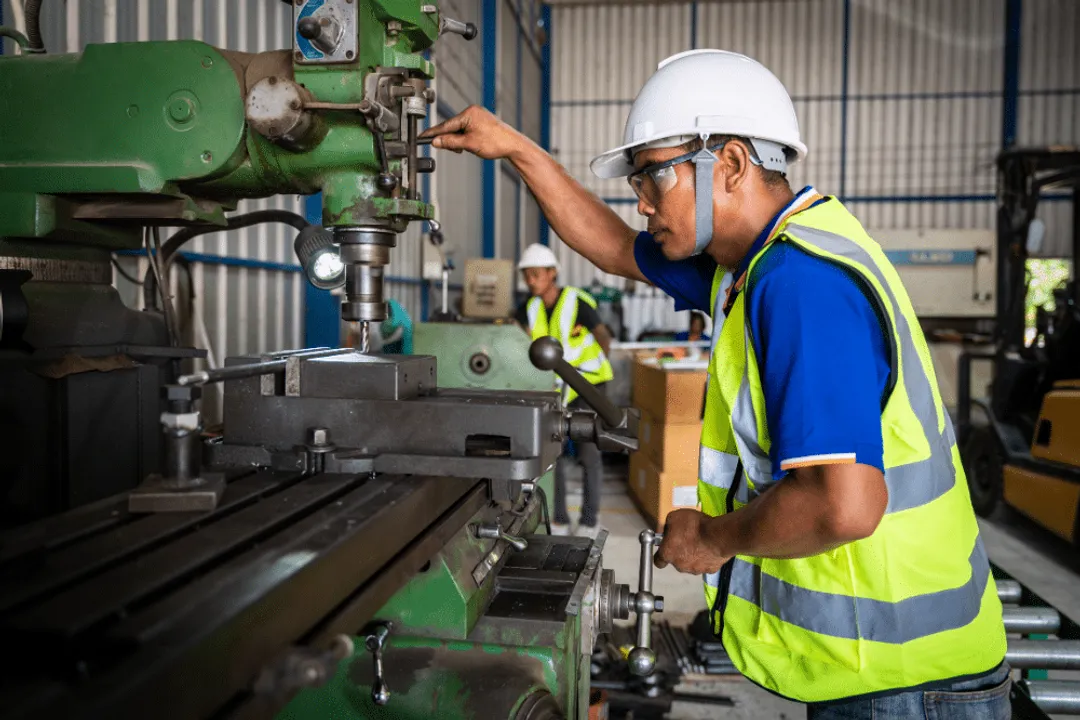
The most immediate threats on the production line often involve machinery and the physical layout of the workspace. Failure to properly guard equipment can lead to devastating injuries involving caught-in/between hazards, amputations, or severe lacerations. Sources consistently highlight the danger posed by operating machinery, especially when lockout/tagout procedures—intended to de-energize equipment during maintenance—are ignored or improperly executed. Furthermore, the presence of moving components, such as conveyor belts or rotating shafts, necessitates strict adherence to safety protocols to prevent entanglement.
Slips, trips, and falls represent another prevalent, though sometimes less dramatic, category of physical danger. In environments where liquids, oils, debris, or materials are frequently present on the floor, maintaining clear, dry pathways is a persistent battle. Poor housekeeping directly correlates with increased risk in this area. Beyond floor-level hazards, working at heights, common in maintenance or material handling operations involving ladders or scaffolding, introduces the risk of serious falls if fall protection equipment is not used or secured correctly.
Another critical area of concern involves material handling itself. Lifting heavy items or operating forklifts and other powered industrial trucks introduces risks of crushing injuries or struck-by incidents. The sheer volume and weight of materials moved daily mean that even minor errors in load securing or equipment operation can have severe consequences.
# Equipment Risks
Beyond the simple presence of machinery, the condition and interaction with that equipment define many safety issues. Electrical hazards, including exposed wiring or faulty grounding, pose risks of shock or arc flash, particularly in older facilities or where maintenance has been deferred. These often require specialized training for authorized personnel to manage safely.
Machine guarding, as mentioned, is paramount, but the effectiveness of these guards relies on their integrity. If guards are easily bypassed, removed for minor repairs, or poorly designed, they become little more than a suggestion rather than a physical barrier. When considering high-hazard manufacturing, such as metalworking or chemical processing, the risks multiply. For instance, exposure to high heat, sparks, or pressurized systems demands specialized engineering controls that must be regularly inspected and maintained. A comparative look at various plant types shows that while a light assembly plant might focus heavily on ergonomics and housekeeping, a heavy fabrication shop must place equal or greater emphasis on fire suppression systems and heavy rigging safety.
It is often the case that injuries stem not from the primary function of the machine, but from ancillary components or ancillary tasks. Consider the failure to isolate pneumatic or hydraulic power before clearing a jam; the stored energy, even after the main power switch is off, can cause unexpected movement, resulting in injuries that might otherwise be categorized simply as "struck-by" when they are specifically energy control failures.

# Occupational Health
While acute injuries grab immediate attention, occupational health risks often create the longest-lasting burdens on a worker's life. These concerns frequently involve exposure to substances that, in small doses over long periods, lead to chronic conditions. Chemical exposure is a primary driver, encompassing everything from solvents and adhesives to fine dusts like silica or metal particulates. Workers must be protected through appropriate ventilation, personal protective equipment (PPE), and clear hazard communication. Understanding the Safety Data Sheets (SDS) for every chemical on site is non-negotiable for supervisors, yet training often falls short, leaving workers unaware of long-term risks.
Noise exposure presents another pervasive, yet often overlooked, hazard. Continuous, high-decibel environments cause cumulative, irreversible hearing loss, a health outcome that cannot be undone by later intervention. While hearing protection is mandatory, compliance can suffer due to discomfort or if the necessary fit testing and maintenance of protection devices are neglected.
Perhaps the most widespread occupational health concern in modern manufacturing relates to ergonomics. This involves the interaction between the worker and their job tasks, focusing on preventing musculoskeletal disorders (MSDs). Tasks involving repetitive motions, awkward postures, or forceful exertions—common in assembly lines or material handling—can lead to conditions like carpal tunnel syndrome, tendonitis, or chronic back pain. In fact, when looking at long-term disability claims in manufacturing, MSDs often eclipse traumatic injuries in terms of financial and human cost over a decade. Addressing ergonomics is not just about reducing pain; it directly impacts quality, as fatigued or strained workers are more prone to making mistakes that lead to acute incidents.
For example, when analyzing assembly work, one can see a trade-off: automating a task entirely might introduce noise or vibration hazards but eliminate a repetitive strain risk. Conversely, relying solely on manual assembly to maintain flexibility introduces high MSD risk. A facility looking to improve its safety profile might implement a Job Rotation Matrix that ensures no single employee performs the same high-risk repetitive task for more than two hours in an eight-hour shift, regardless of production needs, thereby spreading the ergonomic load across the team [Original Insight 1]. This strategy shifts the perceived burden of risk management from pure engineering to operational planning.
# Common Injuries
The consequences of these hazards manifest as specific types of injuries that are statistically common across the industry. Understanding the what helps target the how of prevention.
The most frequently cited injury categories generally include:
- Strains and Sprains: Directly tied to ergonomic failure, improper lifting, and overexertion.
- Cuts, Lacerations, and Punctures: Often result from contact with sharp tools, unfinished metal edges, or unguarded blades.
- Bruises and Contusions: Usually stemming from slips, trips, or being struck by falling or swinging objects.
- Fractures: Typically the result of severe falls or crushing incidents involving heavy machinery or materials.
- Burns: Related to hot surfaces, molten materials, or chemical splashes.
It’s interesting to note the subtle differences in reported injury prevalence based on the reporting source's focus. Legal injury reports tend to emphasize fractures and amputations because they lead to severe litigation, while general safety audits might show a much higher frequency of minor slips and strains, which can indicate a culture where minor discomfort is tolerated until it escalates.
# Safety Culture and Management
Beyond the physical environment, the systems and culture governing the workplace determine how effectively hazards are controlled. Safety compliance is not merely about having written procedures; it is about the consistent application and reinforcement of those procedures. A common pitfall identified across various professional discussions is the gap between documented safety requirements and shop-floor reality. For instance, a Personal Protective Equipment (PPE) matrix might mandate safety glasses, but if supervisors routinely fail to wear theirs or if the supplied glasses are uncomfortable, compliance rapidly degrades.
Effective management involves proactive risk assessment, moving beyond reacting to accidents—a reactive stance—to anticipating failure modes. High-hazard industries, in particular, need structured management systems that go beyond basic compliance checks. This includes process hazard analyses (PHAs) and rigorous management of change (MOC) protocols to ensure that when new equipment, raw materials, or processes are introduced, their associated risks are fully understood before they impact the worker.
Another significant component is ensuring workers feel safe reporting hazards without fear of retribution or being labeled as slow or uncooperative. If an employee is penalized for stopping a line to fix a minor electrical issue or report a loose guard, the organization is essentially incentivizing them to work unsafely to meet production quotas. Building trust and open communication around safety issues is crucial for identifying the smaller, everyday risks that often precede major accidents.
# Training Gaps
Training quality and frequency are constant points of failure in manufacturing safety programs. Training must be task-specific, hands-on, and multilingual when necessary, moving beyond simple classroom lectures. Simply handing an employee a manual or watching a video about machine guarding does not equate to understanding how to safely operate a specific press brake. Furthermore, training efficacy decays over time, meaning refresher courses are essential, not optional.
A specific challenge arises when veteran employees mentor new hires. While experience is invaluable, if the veteran has developed unsafe shortcuts over years of successful, but technically non-compliant, operation, they effectively teach the new worker bad habits. For example, a veteran might know how to bypass a two-hand control system on a machine because the manufacturer's required sequence is slow, but this bypass represents a severe hazard that must be actively unlearned and corrected through targeted intervention [Original Insight 2]. This underscores the need for training that focuses not just on what to do, but why the rule exists, connecting the procedure directly back to the potential injury consequence.
# Physical Strain and Exhaustion
The physical demands of manufacturing jobs, often discussed outside formal reports, contribute significantly to overall risk. Workers frequently describe their roles as physically exhausting, involving standing for long periods, heavy lifting, and repetitive motion, which strains the body even without a specific, sudden accident. This chronic physical depletion lowers a worker’s ability to react quickly or safely when an unexpected situation arises, directly linking fatigue to acute injury risk.
When you combine the physical strain of the job with factors like shift work, which disrupts natural sleep cycles, the level of mental alertness required for safety compliance decreases significantly. A worker battling fatigue is more likely to misread a gauge, forget a pre-shift check, or misjudge the clearance of a moving load. This is why occupational health management, which addresses rotation, rest breaks, and environmental controls (like heat/humidity management), becomes an intrinsic part of acute injury prevention. Facilities that do not account for the cumulative physical toll on their workforce are essentially engineering a higher accident rate, even if their equipment maintenance is perfect.
# Control Implementation
Mitigating these risks requires a layered approach, often conceptualized as the Hierarchy of Controls, though the sources frame it slightly differently by emphasizing management systems. The most effective controls are generally elimination or substitution—removing the hazard entirely or replacing a dangerous substance/process with a safer one. Where hazards cannot be removed, engineering controls, like machine guards, ventilation systems, or automated material transfer systems, are preferred over administrative controls (like procedure changes) or PPE, because they do not rely on constant worker compliance.
For specialized, high-hazard operations, specific measures like advanced fire suppression, inert gas blanketing, or pressure relief valve monitoring become essential engineering requirements. These systems require intensive, documented preventative maintenance schedules, often audited by external bodies or insurance providers. The cost of this preventive maintenance is almost always lower than the cost of a single major incident involving regulatory fines, lost production time, and worker compensation.
Ultimately, while hazards are inherent to the production environment, the severity and frequency of negative outcomes are management decisions reflected in resource allocation, training quality, and cultural reinforcement. The commitment to safety must permeate every level, from the CEO setting the budget for new machine guarding to the line operator taking the extra minute to complete a Lockout/Tagout procedure correctly.
Related Questions
#Citations
8 Common Safety Hazards in Manufacturing | BradyID.com
Top 10 Common Manufacturing Hazards | SafetyCulture
Addressing Top Safety Concerns in Manufacturing - Intrepid Industries
How hard and physically exhausting and unsafe is factory work even ...
Managing Occupational Health Risks in the Manufacturing Industry
High Hazard Manufacturing: Mitigating Risks for Worker Safety
Common Manufacturing Safety Problems: Learning From Prosecutions
5 Manufacturing Safety Topics for a Safer Workplace - Vector Solutions
8 Most Common Workplace Injuries for Factory Workers