What jobs exist in plastic alternatives manufacturing?
The manufacturing sector dedicated to replacing conventional plastics is rapidly evolving, creating a distinct set of career opportunities that blend traditional chemical engineering with cutting-edge material science and sustainability mandates. As industries pivot toward biodegradable, compostable, and more easily recyclable materials, the demand is shifting away from purely petroleum-based processes and toward novel polymer development and circular economy infrastructure. [7][8] This transition doesn't eliminate established manufacturing roles; rather, it redefines them, requiring expertise in new feedstock management, processing of non-traditional polymers, and regulatory compliance unique to alternative materials. [2]
# Material Discovery
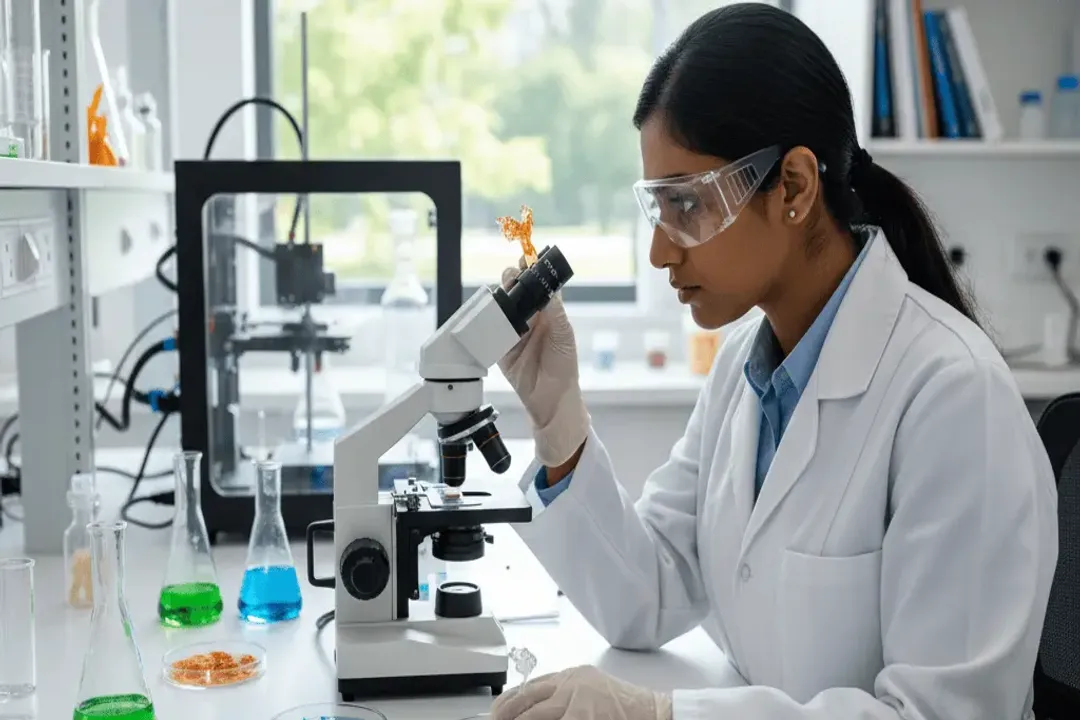
The genesis of plastic alternatives lies in the laboratory, where scientists are developing the next generation of sustainable polymers. This area demands high levels of expertise in chemistry and material composition. [3]
# Researchers
At the forefront are Polymer Scientists and Material Researchers. These professionals are responsible for synthesizing new polymers from renewable resources, such as starches, cellulose, or algae, or for innovating chemical recycling processes that allow existing plastics to enter a truly circular stream. [3][4] Their work involves understanding polymer structure property relationships to ensure the alternative materials meet performance specifications previously dominated by fossil-fuel plastics—think durability, barrier protection, and shelf life. [9] A key difference from traditional roles is the focus on end-of-life characteristics, meaning degradation pathways and compostability must be engineered into the material from the start. [8]
# Formulation Specialists
A critical, specialized role emerging is the Biomaterials Formulation Specialist. This job exists because simply swapping one plastic for a bio-based one rarely works without adjustments to additives, colorants, and stabilizers. [2] These specialists ensure that the alternative resin, whether a PLA (polylactic acid) or PHA (polyhydroxyalkanoate), functions correctly in real-world applications like food packaging or medical devices. [8] They must possess deep knowledge of both the new biopolymer matrix and the legacy chemical components they are attempting to replace or match.
Editor's Observation: One interesting dynamic in this segment is the required skill overlap. A traditional polymer chemist moving into alternatives needs to spend significant time retraining in areas like industrial biotechnology or feedstock sourcing (e.g., understanding agricultural byproducts), which weren't primary concerns in a fully petrochemical manufacturing environment. This creates an immediate need for cross-disciplinary training programs within established firms.
# Production Engineering
Once a viable alternative material is created, scaling it up from the lab bench to commercial production introduces another set of specialized positions centered on process efficiency and quality control adapted for the new materials.
# Process Roles
Jobs like Manufacturing Engineers and Production Supervisors remain essential, but their focus shifts significantly. [1][6] When working with bioplastics, processing temperatures, shear rates, and humidity control can be far more sensitive than with traditional thermoplastics like PET or HDPE. [2] Therefore, manufacturers need engineers experienced in retrofitting or designing new extrusion, injection molding, or thermoforming lines specifically optimized for these sensitive feedstocks. A Process Control Technician in this sector spends less time troubleshooting conventional polymer crystallization and more time monitoring bioreactor outputs or the purity of bio-derived monomers. [3]
# Equipment Specialists
With the rise of new materials comes the need for experts who understand the equipment designed to handle them. This gives rise to roles such as Biopolymer Extrusion Specialists. These technicians possess the specific, practical experience required to operate and maintain machinery that processes materials prone to hydrolysis (breakdown by water) or thermal degradation if mishandled—a common challenge with starch-based alternatives. [7] Their expertise is not just in machinery maintenance but in material-specific machine operation.
# Circularity and End-of-Life
The shift to alternatives is intrinsically linked to circular economy principles, necessitating roles focused on designing for disassembly, reuse, and managed disposal, whether composting or advanced recycling. [5]
# Design for Sustainability
A growing area is Design for Circularity Engineer. This person works upstream, collaborating with product designers to ensure that packaging or products made from alternatives can successfully complete their intended life cycle. [5] If a product is designed to be industrially compostable, this engineer ensures the material choice and thickness allow for proper microbial breakdown within the required timeframe, preventing contamination in other recycling streams. [8] This contrasts sharply with traditional roles that focused primarily on maximizing material lifespan and minimizing immediate production cost.
# Waste Management Interfaces
The public perception of biodegradable items often clashes with the reality of waste infrastructure. Therefore, roles that bridge manufacturing and waste management are becoming prominent. Compostability Program Managers or Alternative Material Certifiers liaise between the manufacturer and industrial composting facilities or municipal waste collection services. [4] They must stay current on evolving standards like ASTM D6400 or EN 13432 to ensure compliance, which is vital for market access and consumer trust. [8]
# Business and Regulatory Functions
Introducing novel materials into the supply chain requires specialized business acumen to navigate new regulatory landscapes and establish entirely new supply chains for non-fossil feedstocks.
# Supply Chain
The supply chain for bioplastics often starts on a farm or in a biorefinery, not an oil well. This necessitates Renewable Feedstock Procurement Managers. These professionals need skills in agricultural commodities trading, supply chain logistics for bio-based inputs, and managing the seasonal variability inherent in natural resources, unlike the relatively stable sourcing of petrochemicals. [7]
# Quality and Compliance
Quality assurance in alternatives is complex. Beyond standard mechanical testing, quality roles must now verify claims of "bio-based content" or "compostability." Sustainable Materials Auditors or Green Claims Specialists are becoming necessary to ensure marketing and production align with environmental standards, providing the necessary verification for consumers and regulators. [5]
# Staffing and Talent Acquisition
Even the process of hiring for these evolving roles is specialized. Staffing agencies focusing on the polymer sector are now actively seeking candidates with cross-functional skills. [3] Recruiters specializing in this niche market are filling roles like Bio-based Polymer Technicians and Sustainable Packaging Developers, emphasizing that traditional plastics recruiters must adapt their sourcing strategies to find candidates familiar with biopolymer processing limitations. [3]

# Synthesis of Job Types
The job market in plastic alternatives manufacturing is best understood as a spectrum where established technical roles are being infused with sustainability and biology expertise.
| Category | Traditional Role Example | Alternative/Emerging Role Example | Core Focus Shift |
|---|---|---|---|
| Research | Organic Chemist | Polymer Scientist (Bio-based) | From fossil feedstocks to renewable/renewable chemistry. [3][9] |
| Production | Injection Molding Supervisor | Biopolymer Processing Engineer | From high-temperature stability to thermal/hydrolytic sensitivity. [2] |
| Design | Product Design Engineer | Design for Circularity Specialist | From maximizing durability to ensuring defined end-of-life pathway. [5] |
| Support | Quality Inspector | Compostability Compliance Officer | From material strength to verified degradation certification. [8] |
If we consider a mid-sized company transitioning its packaging line, the immediate staffing needs might look like this: one senior engineer to lead the process retooling, two new technicians trained specifically on the new material's operating window, and one compliance manager dedicated solely to tracking the regulatory acceptance of the new material in target markets. [1][6]
Original Insight: For established professionals in the conventional plastics sector, a pragmatic action item is to focus professional development on Life Cycle Assessment (LCA) software proficiency. Even if a current role is production-focused, understanding how a material choice impacts the final LCA score—which often dictates future business investment—is becoming a prerequisite for promotion into management in alternative material operations. This knowledge bridges the gap between the plant floor and the corporate sustainability office.
The growth in this area is not just about replacing a substance; it's about changing the industrial mindset from a linear take-make-dispose model to a system prioritizing resource regeneration. [5] This fundamental change drives the demand for roles that bridge engineering, biology, and public policy, making the career path in plastic alternatives manufacturing far more interdisciplinary than its predecessor. The future workforce will need to be adept at navigating both the precision required for high-performance materials and the ecological considerations demanded by a circular economy. [7]
Related Questions
#Citations
12 Plastics Industry Jobs (With Duties and Salaries) | Indeed.com
Exciting Careers in the Bioplastics Industry
Polymer Innovation Jobs 2026: Skills, Careers & Opportunities
Job Opportunities in alternative plastics/plastics recycling ... - Reddit
Our Positions - Global Partners For Plastics Circularity
Plastics Manufacturer Careers - The Princeton Review
The Future of Plastics Jobs: Trends and Opportunities
What new jobs do you expect will be created with the shift to ...
What are the jobs available after finishing plastic engineering? - Quora