What jobs exist in infrastructure robotics?
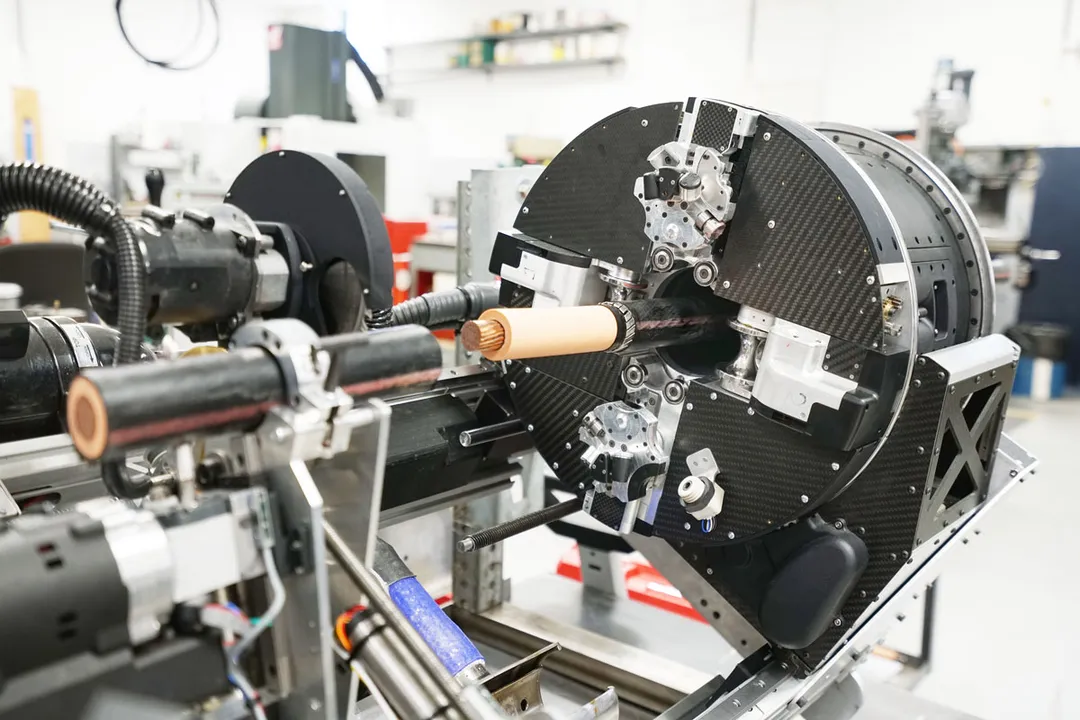
The field of robotics is rapidly expanding beyond the confines of automotive assembly lines and predictable warehouse floors, increasingly focusing on the massive, complex, and often harsh environments that constitute physical infrastructure. Careers in this specialized sector revolve around deploying automated systems for tasks like inspecting bridges, maintaining underground utilities, monitoring remote pipelines, or automating heavy civil construction. [6] This shift creates demand for professionals who understand both advanced control systems and the physical realities of the world outside a clean room.
# Building Systems

At the foundation of infrastructure robotics are the core engineering roles responsible for designing and programming the machines themselves. A Robotics Engineer is central to this effort, often tasked with integrating hardware, software, and control systems to perform specific physical tasks. [1][5] In an infrastructure context, this engineer might focus on making a robotic crawler capable of navigating rough subterranean pipes or designing a drone system that can reliably map a remote transmission line, requiring deep knowledge of dynamics and kinematics. [2]
The hardware development requires specialized Mechanical Engineers who must design components capable of surviving extreme temperatures, vibrations, and potential physical wear that standard industrial robots might never encounter. [4] Similarly, Electrical Engineers are essential for designing the reliable power systems, sensor arrays, and communication links needed for autonomous operation in locations with limited or no connectivity. [5] Unlike enterprise software roles, where hardware failure often means a simple reboot, infrastructure robotics demands an upfront investment in component ruggedness and redundancy because remote repairs can be costly or dangerous. [6]
Software development in this sphere branches into several critical areas. Beyond the core navigation and control algorithms, there is a significant need for Software Developers focused on the specific programming languages and environments required for real-time performance and integration with specialized hardware. [4][5] The programming often involves lower-level interactions with actuators and sensors, demanding precision that general application development rarely requires.
# Field Operations

When considering the application of these robots to physical assets, distinct operational and maintenance jobs emerge. Robotics Technicians become indispensable here, acting as the on-site experts who install, calibrate, troubleshoot, and repair autonomous assets once they are deployed in the field. [5][9] Their expertise bridges the gap between the controlled engineering lab and the unpredictable job site. [2] A technician working on pipeline inspection robots, for example, needs familiarity with non-destructive testing equipment alongside their understanding of robotic joint diagnostics.
Another critical job category involves Inspection and Monitoring Specialists. While traditional inspectors rely on visual checks, these roles now involve operating sophisticated robotic platforms to gather data. [6] They are responsible for mission planning, ensuring the robot captures high-quality data (like LiDAR scans or thermal imagery), and managing the initial data upload. [1] This role is less about building the robot and more about wielding it effectively as an advanced data-gathering tool to assess structural integrity or compliance.
For tasks involving heavy lifting or ground preparation, there is growing demand for roles focused on Construction Automation. This includes managing autonomous heavy machinery or specialized ground-based robots that handle repetitive or hazardous tasks on construction sites, increasing precision and safety while reducing reliance on manual labor for high-risk activities. [6]
# Data Intelligence
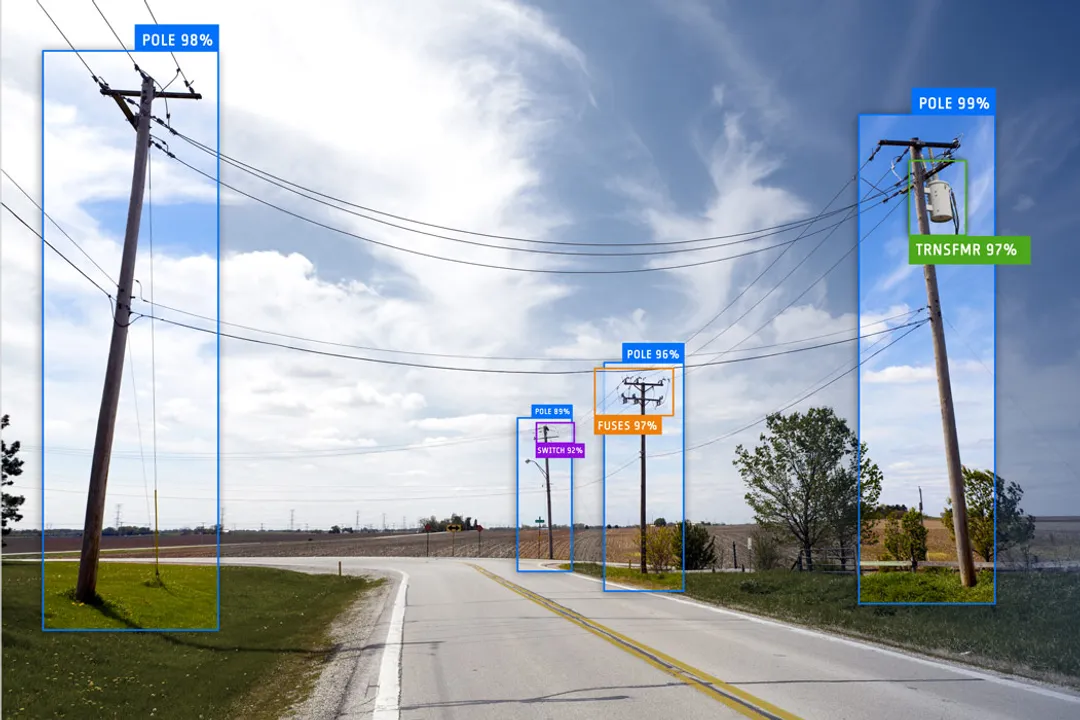
The value of infrastructure robotics lies not just in the physical action, but in the data collected during that action. This creates a significant need for roles specializing in data processing and artificial intelligence. [2][5]
AI/Machine Learning Engineers are tasked with teaching these robots how to interpret the world they are observing. [2][9] For instance, an AI model needs to be trained to recognize minute hairline cracks on concrete or subtle changes in gas sensor readings that humans might miss. [6] This requires expertise in computer vision, sensor fusion, and predictive modeling to move beyond simple data collection to proactive maintenance recommendations. [2]
The sheer volume of data generated by continuous robotic monitoring—terabytes of imagery, telemetry, and environmental readings—necessitates Data Scientists and Data Analysts. [5] Their function is to structure this raw output into actionable intelligence for infrastructure managers. If a bridge inspection robot detects slight anomalies across hundreds of support pillars over several months, the data scientist must distill that into a prioritized maintenance schedule, effectively translating robotic observations into economic decisions. [4]
If we map the required skill sets, we see a clear division: the Control Loop roles (Engineers, Developers) need speed and real-time programming skills, while the Analytical Loop roles (Data Scientists, AI Specialists) need depth in statistical modeling and large-scale data management. [4]
# Path Forward
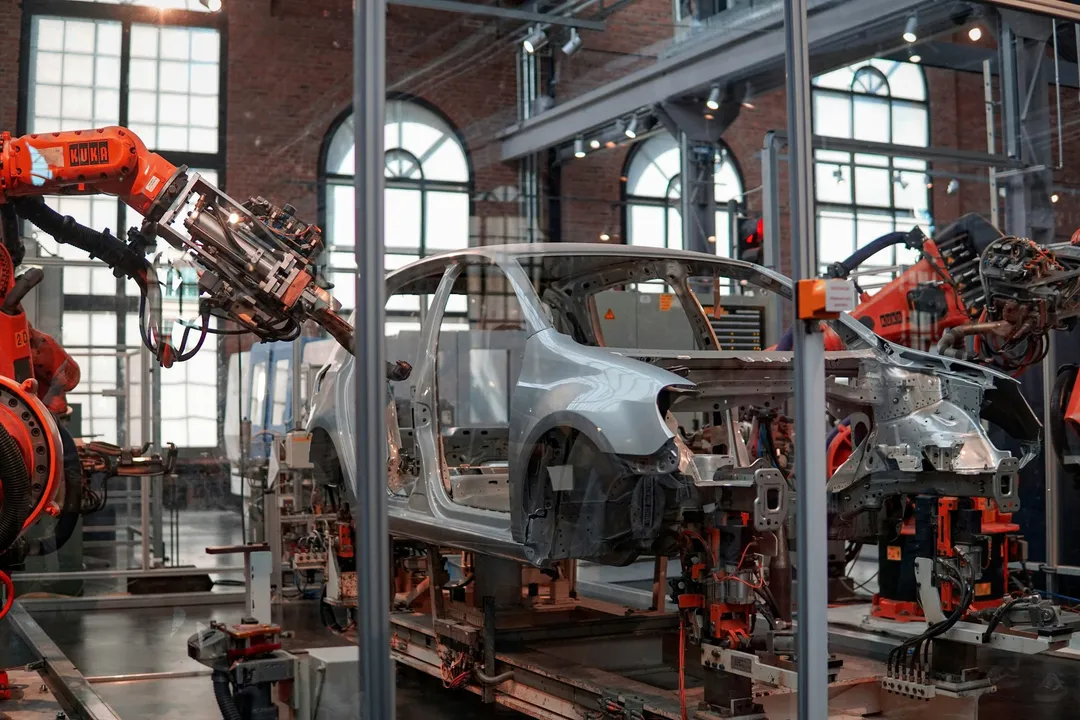
Entering a career in infrastructure robotics requires a targeted approach, as employers are looking for candidates who possess both fundamental engineering knowledge and an appreciation for real-world operational constraints. [8][9] Many professionals come from established engineering backgrounds—mechanical, electrical, or computer science—and then specialize through advanced degrees or certifications in automation and robotics. [1][2]
For someone looking to transition or start fresh, focusing efforts where the physical and digital worlds intersect offers an advantage. While general robotics knowledge is good, demonstrating experience with ruggedized communication protocols, GPS/GNSS systems used in challenging topography, or experience with specific industrial standards for things like Supervisory Control and Data Acquisition (SCADA) systems will set a candidate apart from those with only academic or light industrial robotics exposure. [8] In the coming decade, those who can effectively fuse multi-sensor data streams (like fusing thermal data with high-resolution visual data for anomaly detection) will be highly sought after across infrastructure sectors, as the ability to accurately interpret complex, noisy environmental inputs remains the chief bottleneck for full autonomy. [3] Furthermore, understanding regulatory frameworks for deploying autonomous systems in public works—such as airspace restrictions for drones or right-of-way requirements for ground robots—will transition from a secondary concern to a primary requirement for deployment engineers. [9]
Related Questions
#Citations
What Are The Top 10 Careers in Robotics in 2025?
10 Careers in Robotics | GCU Blog
Is there a career in robotics? How does a 10-15 yr ...
8 Careers in Robotics To Consider (With Salaries and Duties)
What Types of Jobs Are in Robotics?
5 Examples of Robotic Infrastructure Automation
Best Robotics Jobs in Denver & Boulder, CO 2025
Top Careers in Robotics and Automation
Top Jobs in Robotics: Advance Your Career Now