What Safety Challenges Exist in Construction Jobs?

Construction trades are frequently cited as some of the most dangerous occupations globally, a reality backed by sobering statistics where the industry accounts for a disproportionately high share of workplace fatalities. While the work is fundamentally demanding—involving physical strain, harsh weather, and complex coordination—the challenges extend far beyond simple exhaustion or weather exposure. Safety professionals and contractors must contend with a wide spectrum of recognized hazards, many of which remain persistent year after year, alongside less obvious risks that slip through the cracks of routine inspections. Understanding these risks requires looking past simple compliance checklists to examine the deep-seated cultural and operational factors that contribute to unsafe environments..
# Major Threats
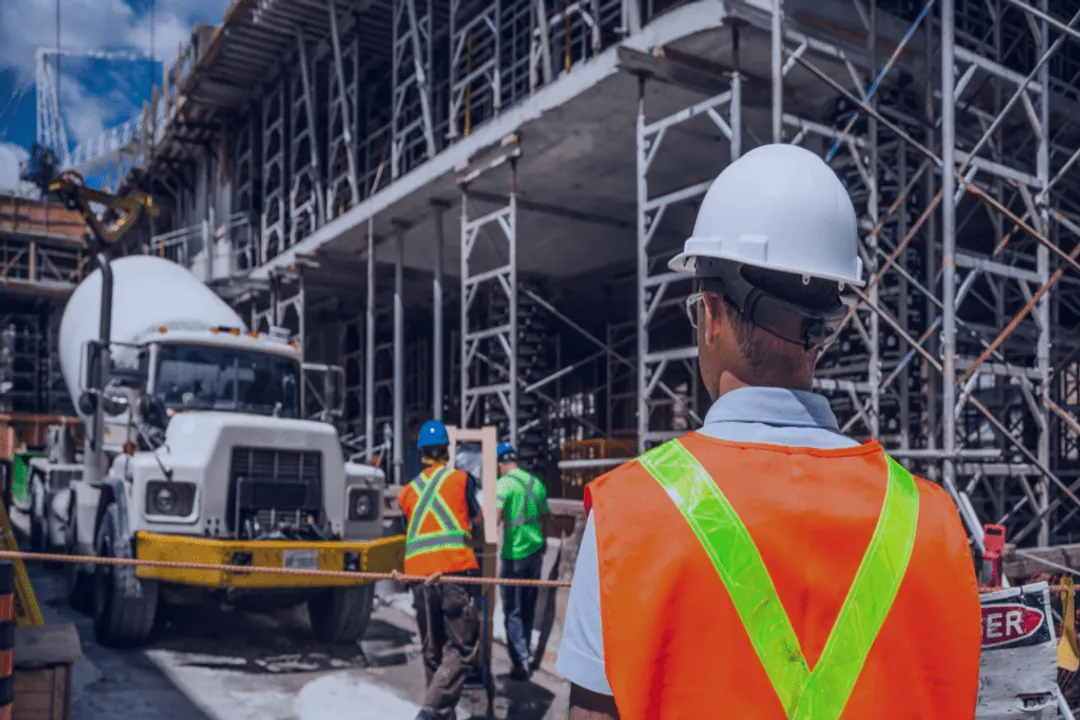
The foundation of construction safety discussions often centers on what safety bodies refer to as the "Focus Four" or "Fatal Four," hazards consistently responsible for the majority of serious injuries and deaths in the sector. Among these, falls from height stand out as the undisputed leader, accounting for over a third of all fatalities in some reporting periods. This risk isn't confined to massive drops; falls from ladders, even those only a few feet off the ground, are often where complacency sets in and result in serious harm, like fractured heels or broken vertebrae. The remedy involves planning, rigorous use of fall arrest systems, guardrails, and nets, especially when work exceeds even low thresholds, such as six feet above ground in some regulations.
Beyond vertical hazards, being struck by or caught in/between objects comprises the other core lethal threats. Struck-by incidents involve heavy equipment, swinging crane loads, or improperly secured materials falling from above. One user noted the terrifying reality of a tape measure falling 50 stories, illustrating how even seemingly light, unsecured items near an edge can be deadly to those below. Caught-in or caught-between accidents often occur around moving machinery or during structural instability. Furthermore, electrical hazards remain a constant danger. Inadequate grounding, damaged cords running through puddles, overloaded circuits, or, critically, a failure to properly lock out and tag out electrical panels before maintenance, can lead to severe shocks, burns, or electrocution.
# Invisible Hazards
While the risks of falling or being hit are visually apparent, the long-term or immediate, unseen threats often impact worker health profoundly. This category includes exposure to dust, chemicals, noise, and vibration.
# Airborne Contaminants
The construction site is a perpetual producer of fine particulate matter. Cutting concrete, grinding stone, or sanding drywall releases silica dust, the chronic inhalation of which can lead to silicosis, a debilitating and incurable lung disease. This danger is compounded by the presence of materials like asbestos in older structures, which can cause mesothelioma and other fatal respiratory conditions. The challenge here is often cultural: workers may forgo required respiratory protection due to discomfort, beards interfering with respirator seals, or management dismissing the dust as a minor inconvenience. Furthermore, exposure isn't limited to respirable particles; workers may encounter volatile organic compounds (VOCs) from adhesives and coatings, or even breathe in microplastics from cutting PVC.
# Physical Stressors
The physical toll is exacerbated by noise and vibration. Construction sites regularly subject workers to excessive noise, leading to significant hearing loss—an estimated 35% of construction workers in the EU suffer from substantial hearing impairment. Simultaneously, the constant use of heavy machinery like jackhammers and drills induces vibration, leading to Hand-Arm Vibration Syndrome (HAVS), which causes permanent nerve and blood vessel damage, severely impacting dexterity. Mitigation requires strict adherence to noise monitoring and providing vibration-dampening tools and gloves, often requiring a review of whether a mechanical or automated alternative exists to remove the source entirely.
# Environmental Extremes
Outdoor work exposes crews to environmental stressors that compromise judgment and health. Extreme heat and humidity increase the risk of dehydration, heat exhaustion, and potentially fatal heat stroke, necessitating mandatory hydration breaks and shade access. Conversely, cold weather brings risks like frostbite and cold stress.
# Site Integrity Failures
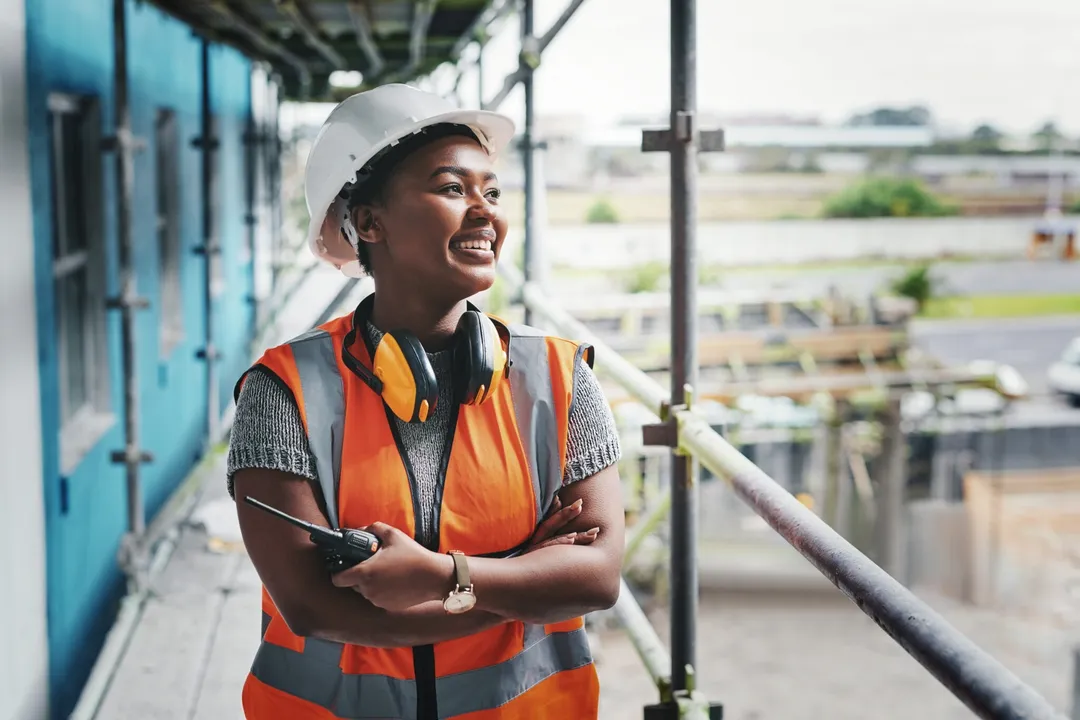
Many incidents stem from failures in maintaining the physical stability or organization of the work area, leading to collapses or avoidable trips.
# Ground Instability
Trench and excavation collapses are recognized by OSHA as exceptionally dangerous, often resulting in swift, fatal engulfment because there is virtually no chance for escape once the earth moves. The key factors include improper sloping, lack of soil supports, or placing spoil piles too near the edge. Workers frequently hop into unsecured trenches, ignoring the critical need for proper shoring or benching, often due to perceived time constraints. It is a stark reminder that a few extra scoops of dirt to properly secure a wall can mean the difference between going home safe and a fatal burial.
# Housekeeping and Tool Negligence
Poor housekeeping is a massive contributor to lower-level accidents. Debris, slick surfaces, uneven terrain, and tripping hazards like cables or rakes left lying face-up create conditions where slips, trips, and falls at ground level become inevitable.
Beyond simple clutter, carelessness with tools introduces specific, sharp dangers. Exposed rebar ends—often cited as a hazard needing protective caps—have caused severe impalement injuries. Even the disposal of small items shows a lapse in attention; screws or blades left on the ground create puncture hazards for anyone wearing less protective footwear, or even walking in soft-soled shoes. An interesting, yet serious, oversight involves the storage of power tools: leaving batteries attached to drills or grinders can lead to accidental activation during transport, potentially causing a fire that consumes an entire toolbox or truck.
# The Culture of Safety
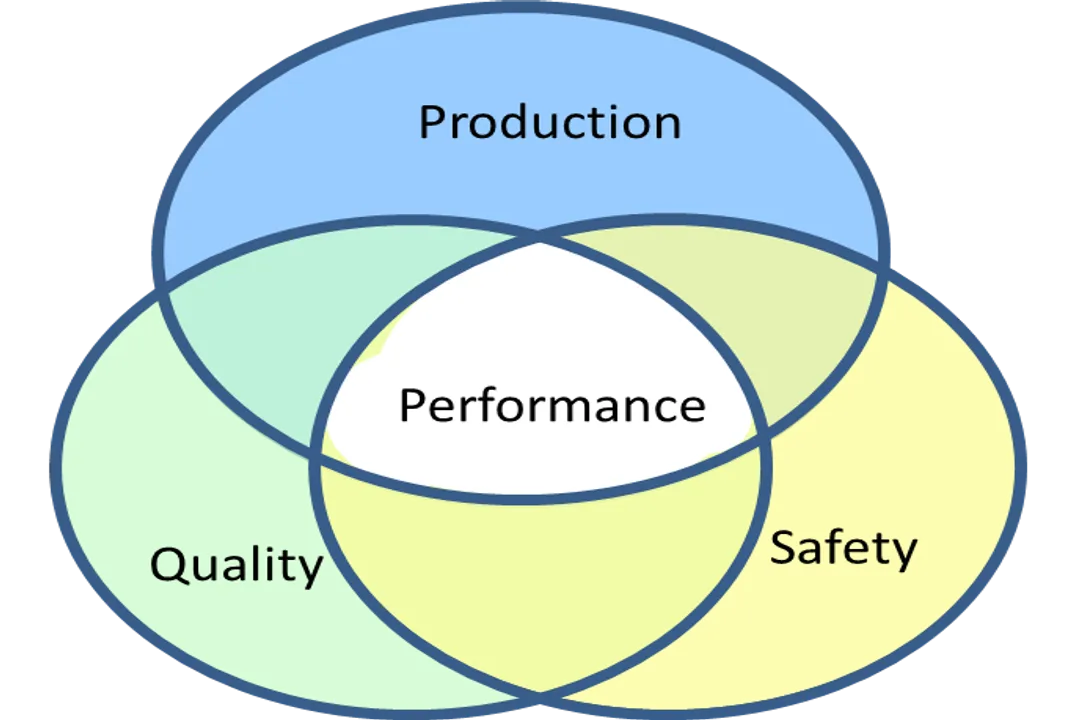
The persistence of these challenges points to systemic issues often revolving around management priorities and worker perception. While many organizations claim safety is "number one," the operational reality often shows that production trumps protection. Safety practitioners are sometimes expected to improve metrics without control over the operational planning that sets production goals, meaning safety often becomes an afterthought or a reactive 'cop' function rather than an integrated part of how the work is designed.
# Hierarchy Override
The established Hierarchy of Controls dictates that eliminating or substituting a hazard is superior to relying on administrative controls or, especially, Personal Protective Equipment (PPE). However, in construction, there is a mindset that PPE is the default solution. This over-reliance on gear masks underlying design flaws. For instance, if a worker must unhook their fall arrest system to reach a few extra feet—a common scenario—it shows the lift placement or the job plan was flawed from the start, not that the worker simply forgot a rule. The safety professional’s best contribution is getting involved in the planning stage to address risks before work methods are solidified, rather than just inspecting enforcement afterward.
# Competence and Communication
The transient nature of the workforce means that newer employees may lack familiarity with site-specific hazards or company protocols, necessitating continuous, task-specific education like daily toolbox talks. However, communication flows both ways. A critical failure occurs when workers feel unable to report unsafe conditions without fear of retribution or being seen as uncooperative. This is particularly true when supervisors prioritize schedule adherence over immediate hazard resolution.
One essential, yet frequently ignored, aspect of working at heights involves rescue preparedness. Workers may correctly use a harness, but if they fall, they face suspension trauma—a rapid, life-threatening condition occurring when hanging motionless in the harness. The true safety challenge isn't just being saved from the fall, but having an established, practiced rescue plan before the fall happens, ideally using equipment with deployable foot straps to allow the worker to stand and delay the onset of trauma while waiting for rescue. If a crew lacks this plan, the harness simply becomes a mechanism for a slow death. A simple, actionable step management can take is requiring every crew using a new fall protection setup to briefly practice the recovery scenario, even if it just involves simulating the rescue procedure on the ground, ensuring everyone understands the steps involved in saving a dangling colleague.
# Beyond OSHA Compliance
While regulatory adherence is necessary, truly safe sites are built on a stronger foundation. Consider the simple requirement for rebar caps; these are often overlooked because they are small items, yet they prevent catastrophic impalement. Furthermore, safety culture hinges on every individual's willingness to intervene. If a worker sees a colleague performing a dangerous shortcut—like bypassing ventilation when cutting concrete or using an extension cord improperly sized for the load—silence is complicity. A practical tip for fostering this proactive mindset is to shift the conversation during morning briefings away from merely listing violations to actively discussing prevention mechanics. Instead of listing "Do not use damaged cords," ask: "How can we, as a team, ensure every cord we pick up today is inspected for cuts before plugging it in, and what is the clear procedure for immediately tagging out and removing a damaged cord when one is found?" This frames accountability around collective action rather than individual policing. Focusing safety conversations on tangible, peer-enforced protocols for small, frequent errors—like ensuring angle grinder blade guards are never removed, or that extension cords are never left lying across scaffolding edges—can often yield better results than focusing solely on high-level regulations that feel distant from the daily grind.
The safety landscape in construction is complex, reflecting the dynamic, high-risk nature of the work itself. Mitigating these challenges demands more than just providing the right gear; it requires a fundamental alignment of project planning, supervisory leadership, and worker participation to ensure that productivity goals are pursued without compromising the singular objective: that every worker goes home safely at the end of the day.
Related Questions
#Citations
5 Important Issues in Construction Safety - ASSP
Top Construction Industry Safety Challenges & Solutions - NASP
10 Critical Safety Tips for Construction Work
What are some uncommon but serious safety risks on construction ...
Building a Safer Tomorrow: Prioritizing Health and Safety for ...
Construction Safety Opportunities and Challenges - IRMI
Hazards in Construction Work Sites & Unsafe Practice Examples
The 10 most common health and safety risks in the construction ...
About Construction - CDC