Is Agriculture a Physically Demanding Career?
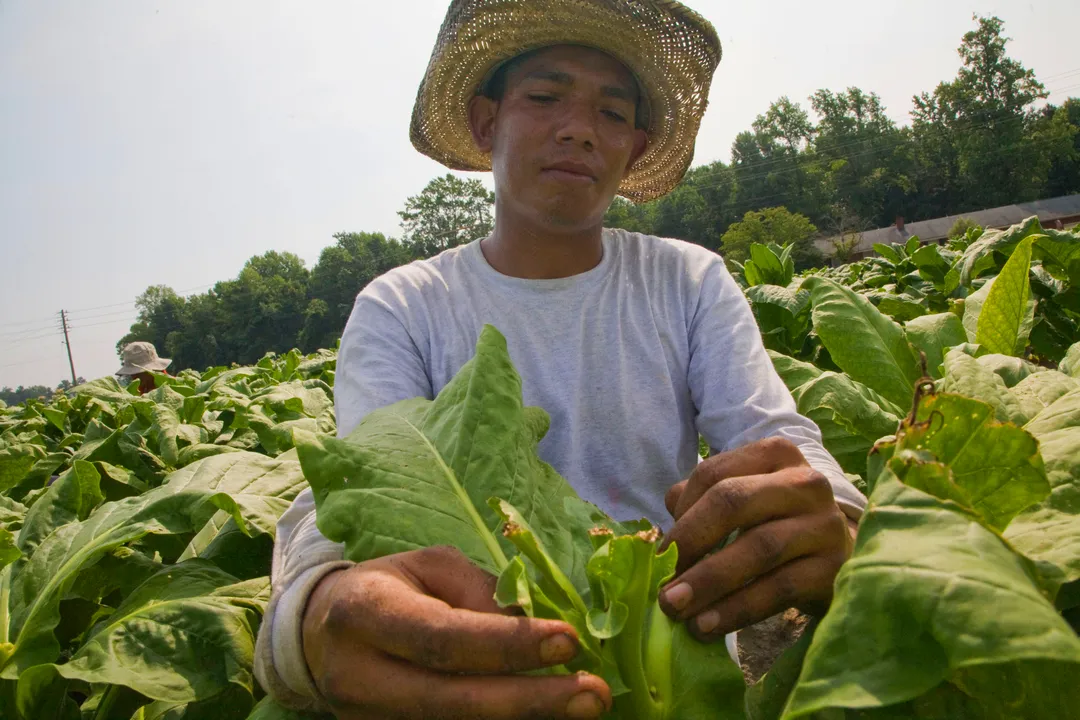
The life of a farmer or agricultural worker is fundamentally tied to the physical world—the soil, the weather, and the creatures they tend. It is an occupation widely recognized as being physically demanding. [7] The daily reality often involves long hours spent in the field, performing tasks that require significant physical output, regardless of the size or technology level of the operation. [6][7]
# Physical Nature
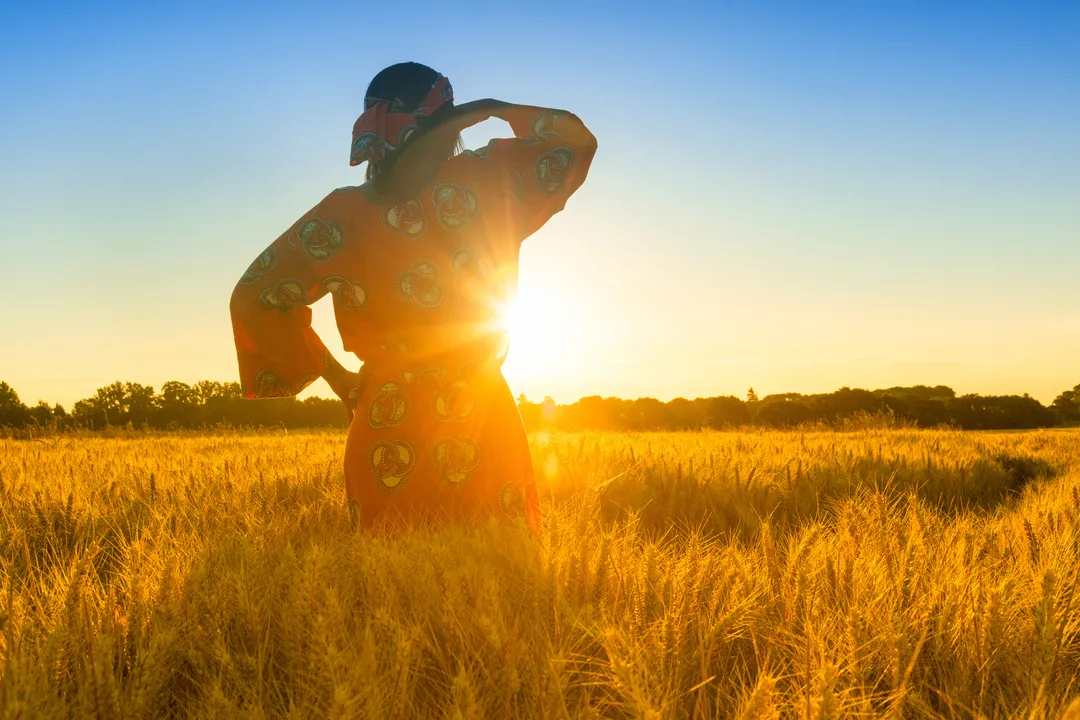
The physical requirements in agriculture span a wide spectrum, depending heavily on the specific role, whether one is managing crops, raising livestock, or working in specialized areas like aquaculture or nurseries. [7] A common thread across the sector is the sheer amount of time spent active. Farmers and growers frequently face "long days in all types of weather". [7] This activity often translates into cardiovascular benefits; the constant walking involved in checking livestock or patrolling the farm keeps the blood pumping, which supports heart health and can mitigate risks like high blood pressure. [4] Furthermore, manual tasks such as carrying equipment or stock contribute positively to muscle and bone health. [4]
However, the nature of the physical work is often functional rather than structured. While a farmer might spend all day moving, lifting, and bending, this may not equate to the balanced exercise recommended for optimal health. [1] A livestock comparison sometimes suggests that while construction might involve more intense, short bursts of pure physical effort, livestock agriculture demands a commitment that results in "never getting a break". [2]
# Task Breakdown
The physical labor manifests in several key ways:
- Repetitive Motion and Posture: For many workers, especially those involved in harvesting, the job involves repetitive motions, such as picking, or maintaining a stooped posture for hours at a time. [5] This type of sustained, non-varying activity is a prime contributor to wear and tear.
- Lifting and Carrying: Moving heavy items, like buckets of produce, is a routine part of the physical demands. [5]
- Equipment Operation: Even in highly mechanized environments, operating machinery like tractors for long hours is physically and mentally taxing. Fatigue from intense concentration while driving equipment can lead to accidents, underscoring that the demand isn't always about brute strength but endurance and focus. [6]
It is important to realize that even with modern advancements, the physical burden remains significant. While technology has introduced labor-saving machines, many essential tasks, particularly on smaller or start-up farms, still require the use of hand tools—pry bars, shovels, or chainsaws—necessitating considerable physical effort. [6] The challenge for a new farmer, especially one older or managing limitations, is assessing whether their current physical capacity matches the intense workload of establishing a new business. [6]
# Hidden Physical Toll
The constant activity inherent in farming creates a paradox: while farmers are active, they often neglect the structured activity needed for holistic health, potentially leading to specific physical ailments. [1]
# Injury Risk
The combination of strenuous tasks, long hours, and exposure to various hazards makes agriculture one of the most dangerous occupations in some regions. [5] The physical stress frequently results in repetitive strain injuries. [1] Beyond acute injuries from machinery accidents—which are a real threat due to fatigue impacting concentration—the cumulative effect of daily motions takes a toll. [6]
For the owner-operator, or those less able to delegate, the pressure to continue working often means ignoring minor aches and pains until they become significant issues. [1] A common pitfall is that the type of physical activity inherent in farm tasks doesn't always build balanced muscle groups, potentially creating underlying weaknesses that lead to chronic issues like muscle imbalances or exacerbating old injuries. [1]
# The Fitness Deficit
The World Health Organization recommends a minimum of 150 minutes of moderate aerobic activity paired with muscle-strengthening exercises two or more days a week. [1] While farming activity is exercise, it rarely meets this balanced standard perfectly. A farmer might accumulate many walking minutes but lack the specific strengthening or flexibility work required to maintain joint health and injury resilience.
One practical analysis suggests that a farmer's day is often structured around production necessity rather than physical optimization. For example, a 10-minute stretch session before the day begins might be more beneficial for preventing lower back strain from an upcoming day of bending than simply pushing through a physically demanding chore first thing in the morning. This intentional, rehabilitative approach, which treats the body as a specialized tool requiring maintenance, is what separates daily activity from beneficial fitness. [1]
This need for balance is a critical insight for anyone considering the career or looking to sustain a career in it: the physical demand requires active management of personal fitness separate from the job's duties. [1]

# Beyond Muscle Strain
To fully assess if agriculture is a demanding career, one must look past the physical labor. The sources highlight that the challenges extend deeply into health, safety, and mental strain, adding layers of difficulty that surpass mere physical exertion. [2][5]
# Environmental and Chemical Hazards
The physical environment itself presents severe risks:
- Heat Stress: Working outdoors exposes farmers to the elements, and heat-related illness is a leading cause of work-related death among farm workers in some contexts, occurring at a rate significantly higher than in other civilian sectors. [5] The economic pressure to skip water or shade breaks to maximize yield only exacerbates this danger. [5]
- Toxicity: Exposure to toxic pesticides is a widespread and serious issue. Direct spraying, premature field re-entry, and chemical residue carried home on clothing all contribute to chronic exposure, linked to severe long-term health conditions. [5]
- Crop-Specific Illnesses: Certain crops introduce unique physical hazards. For example, tobacco harvesters can suffer from Green Tobacco Sickness (GTS), a form of nicotine poisoning absorbed through the skin from wet leaves, which causes nausea and weakness, further increasing vulnerability to heat stroke. [5]
# Stress and Unpredictability
The comparison between agriculture and other hard jobs often points to the unique stressors of farming. While hard labor is common in many blue-collar fields, agriculture combines it with high business risk and unpredictable external factors. [2] Farmers must contend with market price volatility, equipment failure, animal sickness, and the absolute dependence on weather patterns that dictate success or failure for the season. [2] This blend of intense physical work and pervasive business anxiety creates significant mental strain. [2]
An original consideration when evaluating the physical demand is the mechanization gap between large-scale and small-scale enterprise. A massive, corporate grain farm might see its primary physical demand shift from lifting to sitting for twelve hours straight driving complex, vibrating machinery, increasing risks related to posture, vibration-induced nerve damage, and fatigue-related errors. [6] Conversely, a small, direct-market vegetable farm relies far more heavily on traditional manual labor like hand-weeding, bending, and lifting, bringing the risk profile closer to the descriptions of repetitive strain and heavy lifting mentioned by farm worker advocates. [5] The "physical demand" is evolving, not disappearing. [6]
# Sustaining the Physical Career
Given the established demands—both physical and external—maintaining fitness and managing health are not optional for a long career in agriculture. [1]
# Health Management Strategies
For those wanting to stay in the demanding physical work of farming, proactive health integration is key: [1]
- Structured Exercise: Incorporating short, frequent exercise sessions is more manageable than trying to carve out one long gym block. [1]
- Functional Integration: Using daily farm activities as a form of exercise, but supplementing them with specific routines like stretching or bodyweight exercises (squats, lunges) in the morning or evening. [1]
- Rehabilitation Focus: Working with professionals, such as physiotherapists, can help design routines that specifically target existing aches or imbalances caused by years of farm work, ensuring functional fitness for daily tasks. [1]
# Career Diversity
It is also important to recognize that not all agricultural careers are defined by manual labor. While the Farmer/Grower role is inherently physical, the broader sector includes many paths that are less demanding on the body. [7] Roles such as agricultural engineers, agronomists, inspectors, and research scientists often involve office or laboratory work, focusing instead on the science, technology, or business administration aspects of food production. [7] These alternative roles require higher education but offer a way to contribute to the industry without facing the daily strain of field work. [7]
Ultimately, while farming is undeniably physically demanding, the experience of the work also offers unique physical and mental rewards, like time outdoors and satisfaction from the tangible outcome of one's labor. [4] The key differentiator for a sustainable career is acknowledging the physical toll and strategically integrating health maintenance to match the high standards of the work itself. [1]
# Farmer Archetypes
The daily physical requirement shifts depending on the specialization within the agricultural sector. While all require dedication, the physical activities vary significantly. [7]
| Farmer Type | Primary Physical Demands | Key Time Constraint |
|---|---|---|
| Livestock/Rancher | Feeding, cleaning enclosures, herd management, lifting feed bags | Year-round, daily care requirements |
| Crop/Vegetable Grower | Bending, repetitive picking/planting, operating tractors, manual harvesting [5][7] | Highly seasonal (planting/harvest intensity) |
| Dairy Farmer | Milking (manual or machine monitoring), herd movement, equipment cleaning | Early mornings and late nights regardless of season |
| Greenhouse/Nursery | Repetitive planting, moving pots/trays, environment control checks [7] | Controlled environment management demands |
In summary, the physical demands of agriculture are high, rooted in long hours, repetitive action, lifting, and operating machinery in often adverse weather. [5][6] This physical reality is compounded by high occupational risk and significant business stress. [2][5] Success in the field demands more than just physical stamina; it requires a conscious effort to balance that work with structured rest and rehabilitation to avoid injury and ensure longevity in this vital, hard-working profession. [1]
Related Questions
#Citations
Agricultural and farming jobs are good for your mental and physical ...
What's more physically demanding and tougher job, construction or ...
Farming & Agriculture - Seeds to Success
Why Farmers Need More Than Farm Work to Stay Fit | UPMC Ireland
Health & Safety - NFWM - National Farm Worker Ministry
Am I up to the physical labor of starting a new farming business?
What does a farmer do? - CareerExplorer