What Is the Career Path in Agriculture?
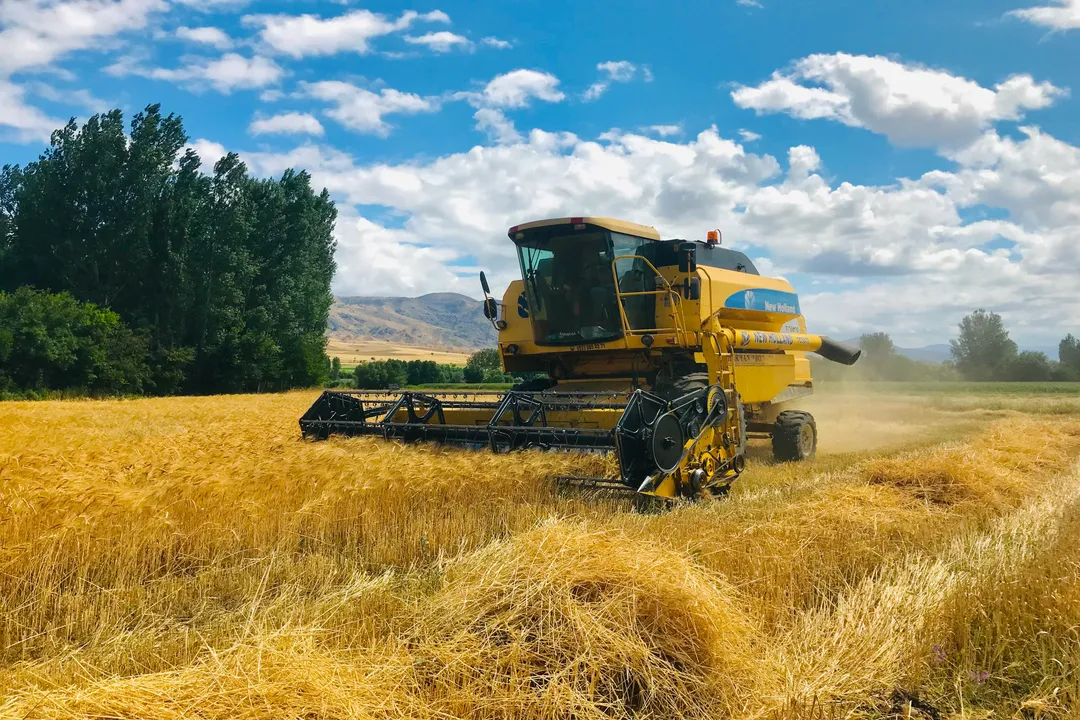
The field of agriculture today extends far beyond the traditional image of planting and harvesting. Modern agriculture is an interconnected system encompassing science, technology, business management, and environmental stewardship, offering a wide array of career paths suitable for different skill sets and educational backgrounds. [1][7] For those considering this sector, it’s important to recognize that opportunities exist in production, research, sales, marketing, engineering, and policy-making, often requiring proficiency in advanced data analysis and machinery operation just as much as fieldwork experience. [3][2]
# Scope Defined
Agriculture is fundamentally about producing food, feed, fiber, and fuel, but the modern approach involves complex processes managed through sophisticated means. [7] Career pathways are frequently grouped into distinct clusters, illustrating the diversity available. [4] These clusters often include areas like agriscience, plant and animal systems, agribusiness, natural resources, and agricultural technology. [4][1] This structure helps individuals navigate where their interests—whether scientific curiosity, business acumen, or mechanical aptitude—might best fit within the industry. [3]
Unlike past generations where a family farm was the most direct entry point, today’s agricultural professional might work for a seed company, a government agency regulating food safety, a firm developing precision irrigation systems, or directly on a large, high-tech production operation. [1][6] For instance, roles in agriscience might involve plant pathology or soil chemistry, while agribusiness careers focus on global trade, finance, or supply chain logistics. [3]
# Education Needs
The necessary education for an agricultural career varies significantly depending on the specific role one targets. [6] Entry into some hands-on or operational roles might require a high school diploma supplemented by specialized technical training or industry certifications. [6] Programs associated with organizations like the FFA (Future Farmers of America) and state programs like Georgia Ag Experience offer valuable foundational knowledge and practical skills, which can serve as an excellent launchpad for immediate employment or further schooling. [2][9]
However, specialized careers, particularly those in research, regulation, advanced consulting, or high-level management, demand higher education. [6] Many roles in agricultural engineering, plant breeding, or advanced food science require at least a bachelor’s degree, often sourced from institutions with strong agricultural colleges. [1][3]
Interestingly, certain specialized areas strongly favor postgraduate study. For example, careers in areas like advanced animal nutrition, regulatory affairs, complex soil science, or specialized agricultural economics often require a Master’s degree for entry or significant advancement. [5] These advanced degrees are crucial when the work involves independent research or leading sophisticated analytical teams. [5] A Master’s degree in areas like agricultural economics or consumer sciences opens doors to roles in policy development or highly technical consulting that entry-level positions simply don't access. [5]

# Job Archetypes
The actual job titles within this sector are incredibly varied. We can broadly categorize them based on function:
- Production and Management: This is the most recognized area, involving the direct management of crops or livestock. A Farm Manager oversees daily operations, while a Crop Consultant advises on everything from pest control to nutrient application. [6] Many involved in direct production now require a deep understanding of data interpretation; for example, a modern dairy operations manager must interpret sensor data on animal health and yield patterns just as much as they manage labor schedules. [4]
- Agribusiness and Sales: These roles connect the farm to the market. Examples include Agricultural Sales Representatives, who market inputs like seeds or equipment, or Food Marketing Specialists who help move the finished product through the retail chain. [3][6]
- Science and Research: This category requires strong scientific credentials. Roles like Plant Pathologists, Food Scientists, or Environmental Scientists work to improve yields, ensure safety, or manage resource sustainability. [1][3]
- Technology and Engineering: With the rise of precision agriculture, roles such as Agricultural Technicians specializing in GPS guidance systems, drone operation, or developing variable-rate application technology are increasingly common. [4]
One point worth noting is how digital literacy is becoming a baseline requirement, not just a specialty. A farm hand today may be tasked with calibrating sensors or downloading data logs from an autonomous tractor. This isn't a specialized engineering job; it’s a production requirement. Farmers and managers need staff comfortable with the operational aspects of software management, which bridges the traditional mechanical skill set with modern computational literacy in a way that wasn't necessary even two decades ago. [4]
# Essential Aptitudes
Success in agriculture today demands a blend of technical knowledge and adaptable soft skills. [2] Beyond the specific degree required for a given post, certain aptitudes are universally valuable across the sector. [4]
A strong foundation in mathematics and statistics is critical, whether you are calculating fertilizer blends, analyzing market futures, or modeling irrigation needs. [3] Similarly, communication skills are paramount, as scientists need to translate complex findings for producers, and sales roles require building trust with clients. [2]
Furthermore, those considering careers in production or agribusiness management must cultivate an understanding of the entire supply chain. It is not enough to know how to grow a superior product; one must understand the regulatory environment, the consumer demand drivers, and the financial risks associated with commodity pricing. [7]
# Growth Trajectories
Career progression in agriculture often follows distinct ladders, which may involve specialization or broadening managerial scope. [6] A common trajectory might start with an entry-level technical role, perhaps as a Lab Assistant or Field Technician, after earning a bachelor’s degree. [1] After gaining hands-on experience—perhaps three to five years—an individual might move into a supervisory role, such as a Production Supervisor or a Technical Sales Representative, where client interaction and team leadership become more prominent. [6]
For those aiming for senior scientific or executive positions, further education, as noted, becomes a differentiator. [5] Moving from a Regional Sales Manager to a National Director of Product Development, for instance, frequently necessitates the analytical depth provided by postgraduate study. [5]
Another area showing significant, often overlooked, growth is in localized and regional food systems. While large-scale corporate roles dominate discussions, there is a rising need for professionals focused on local supply chain resilience. This includes logistics coordinators, small-to-mid-size processing managers, and food safety auditors who specialize in direct-to-consumer or local institutional purchasing. These roles require specific knowledge of regional regulations and shorter, more complex distribution networks than those managed by multinational commodity groups. [9][1] These positions often blend business knowledge with a practical understanding of localized production constraints, making them highly specialized and valuable within their geographic areas. [3]
# Industry Support
Various entities work to support and define these pathways. Agricultural organizations often promote the sector's dynamic nature and the variety of opportunities available. [2][9] State departments of agriculture frequently provide resources outlining required certifications and educational standards for in-state careers. [1] Furthermore, industry associations and career profile databases give concrete examples of what daily work looks like across different specializations, helping candidates match their skills to real-world jobs. [6] Navigating this landscape effectively means aligning one’s passion—whether it’s environmental protection, mechanical problem-solving, or financial trading—with the appropriate educational credential and hands-on internship experience. [4] The future agriculturalist is defined not by a single farm, but by their capacity to apply science and business sense to the vital task of feeding the world. [7]
Related Questions
#Citations
Preparing for Careers in Agriculture / Education / Home
Cultivate a Career in Agriculture | National FFA Organization
Career Pathways - Center Of Agriculture
People with careers in ag, What's the best job you've ever ... - Reddit
10 Agriculture Careers That Require a Master's Degree
Career Profiles | Careers in Agriculture and Food - AgCareers.com
Farming & Agriculture - Seeds to Success
Agriculture - Advance CTE
Careers in Agriculture - The Georgia AG Experience