What Agriculture Careers Offer Stability?
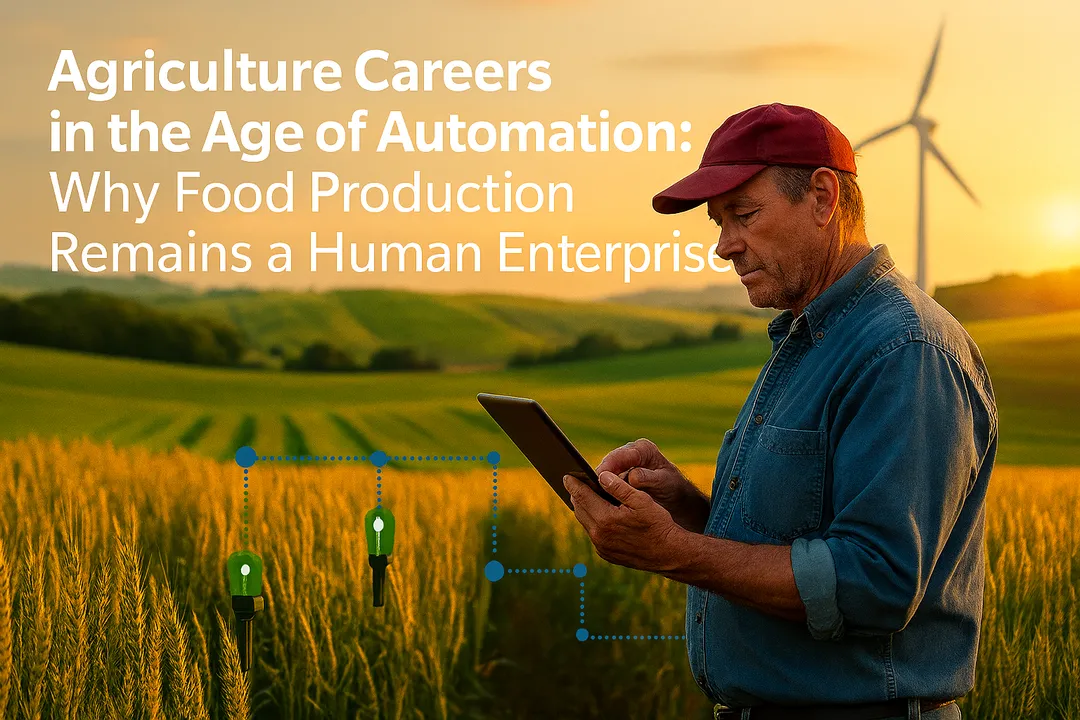
The foundational stability of agriculture careers stems from one simple, unshakeable truth: humanity must eat. While the methods of production and distribution constantly evolve, the requirement for consistent, safe, and abundant food ensures that the entire ecosystem supporting this process remains vital, regardless of broader economic fluctuations. [9][10] This inherent essentiality means that many roles within the sector are inherently more recession-resistant than those in less fundamental industries. [9]
The workforce itself reflects this essential nature. Historically, the structure comprised self-employed operators and their family members, alongside hired workers. Between 1950 and 1990, mechanization drove down the need for self-employed labor significantly, but employment levels for hired workers have stabilized and even gradually increased since 2010. [7] Crop-support services and the livestock sector have shown notable job additions in recent years, suggesting that while the type of labor changes, the overall need for human capital in production support remains strong. [7] Even roles that seem far removed from the physical farm, such as those in finance, sales, or research, derive their stability from the constant cycle of planting, growing, and distributing necessities. [5][2]
# Diverse Occupations

The perception that agriculture only offers roles involving manual fieldwork is outdated. Modern agriculture demands a wide array of expertise, moving far beyond the farm gate into labs, corporate offices, regulatory bodies, and technology development centers. [3][6][9] This diversity is a major factor in career stability, as specialization shields professionals from risks localized to a single aspect of production.
For instance, careers explicitly focused on sustainability and climate adaptation are seeing rapid growth, driven by the dual pressures of climate change and resource conservation. [6][8] Professionals focused on designing water-efficient irrigation, developing drought-resistant crops, or implementing regenerative soil health programs are becoming increasingly crucial as agricultural systems must adapt to environmental variability. [6][8]
Here is a look at several high-demand and specialized career paths that demonstrate this stability:
| Career Path | Primary Focus | Stability Driver | Typical Setting |
|---|---|---|---|
| Agronomist/Crop Scientist | Optimizing crop production, soil health, and input management [3][8] | Essential knowledge for yield maximization and sustainability [5][8] | Field research, consulting firms, seed corporations [3] |
| Agricultural Engineer | Designing efficient machinery, irrigation, and water control systems [1] | Need for technical solutions to improve efficiency and water use [1][6] | R&D, equipment manufacturers [1] |
| Food Scientist | Ensuring food safety, quality, and innovating product development/preservation [1][9] | Unwavering regulatory and consumer demand for safe, quality food [1] | Labs, food manufacturing, regulatory bodies [1][3] |
| Agricultural Economist | Analyzing market trends, policy impacts, and advising on farm finance [1][3] | Navigating complex global commodity markets and policy shifts [6] | Government agencies, agribusiness, consulting [1] |
| Precision Agriculture Specialist | Integrating GPS, drones, and sensors for optimized resource use [5][6] | Driving productivity gains in large-scale, data-driven operations [6] | AgTech firms, large commercial farms [5] |
Many non-traditional roles exist that rely on the core needs of the industry. A Meat Scientist, for example, focuses on everything from animal welfare to final product quality, ensuring the integrity of the supply chain. [3] Similarly, GIS Analysts translate complex spatial data into actionable farm management insights, a role that is fundamentally dependent on large-scale data interpretation which requires human expertise. [3]
# Technology Roles Resilient to Change

A common fear in many industries is that artificial intelligence and automation will eliminate jobs. However, within agriculture, technology often creates new, specialized roles that augment human decision-making rather than replacing it entirely. [6] The adoption of precision agriculture technologies, while increasing, is not universal, creating a gap where skilled professionals are needed to bridge the divide between high-tech potential and on-the-ground application. [6]
Roles centered on technology implementation are often highly stable because they require a synthesis of digital literacy and deep agricultural context—a combination difficult for generalized AI to master. [6] For instance, a Data Scientist building predictive models for crop yields or optimizing resource allocation using machine learning is essential to a modern operation. These professionals are using technology that requires human oversight to interpret and act upon. [6]
Furthermore, certain highly specialized technical roles are inherently human-centric. Consider the Agricultural Equipment Technician. While modern tractors have advanced automation, the complex machinery still requires specialized maintenance and troubleshooting when things go wrong. [2] This hands-on, diagnostic skill set, especially for newer, more complex equipment, is a source of consistent demand, often resulting in high job satisfaction as noted by those working in dealership technical support roles. [2][4]
The sheer necessity of adaptation to climate change also creates a firewall against pure automation. Climate-smart agricultural roles require professionals who can design adaptive solutions—things like developing new crop varieties or creating carbon credit verification protocols—tasks that demand strategic thinking and continuous learning, elements AI supports but does not yet lead. [6]
It is interesting to note that while precision agriculture adoption rates are high on large farms (e.g., 70% use autosteering on large crop farms), they remain lower on smaller farms, partly due to the high upfront costs of technology. This dynamic suggests a bifurcated job market: large operations drive demand for high-level integration specialists, while smaller operations still need consultants and technicians focused on simpler, proven, or cost-effective improvements. [6]

# Economic and Business Assurance
Stability isn't just about production; it is about profitability and navigating the complex economic environment surrounding agriculture. Roles focused on the financial health and market access of farming operations offer robust stability because economic volatility always requires expert navigation. [5]
Agricultural Economists are key here. They analyze markets, policy shifts, and advise on investment strategies. [1][3] As global commodity markets fluctuate and trade policies change—often quite suddenly, as seen in international market shifts—the need for skilled interpreters of these dynamics remains paramount. [6] Similarly, Agribusiness Managers handle the operational side, overseeing strategy, budgets, and supply chain logistics for everything from seed producers to food processors. [1]
For individuals with business acumen, financial roles offer high stability. An Ag Loan Officer, for instance, spends significant time directly engaging with farm operations, combining financial knowledge with rural flexibility, making it a rewarding path for those who value both money and proximity to the core industry. [4] Even within sales, professionals who build strong, long-term relationships with producers selling essential inputs like seed or machinery find stability because their success is directly tied to their clients' operational continuity. [5][4] A strong client base built on trust provides resilience against short-term market dips. [4]
# Industry Deep Dive: The Poultry Sector
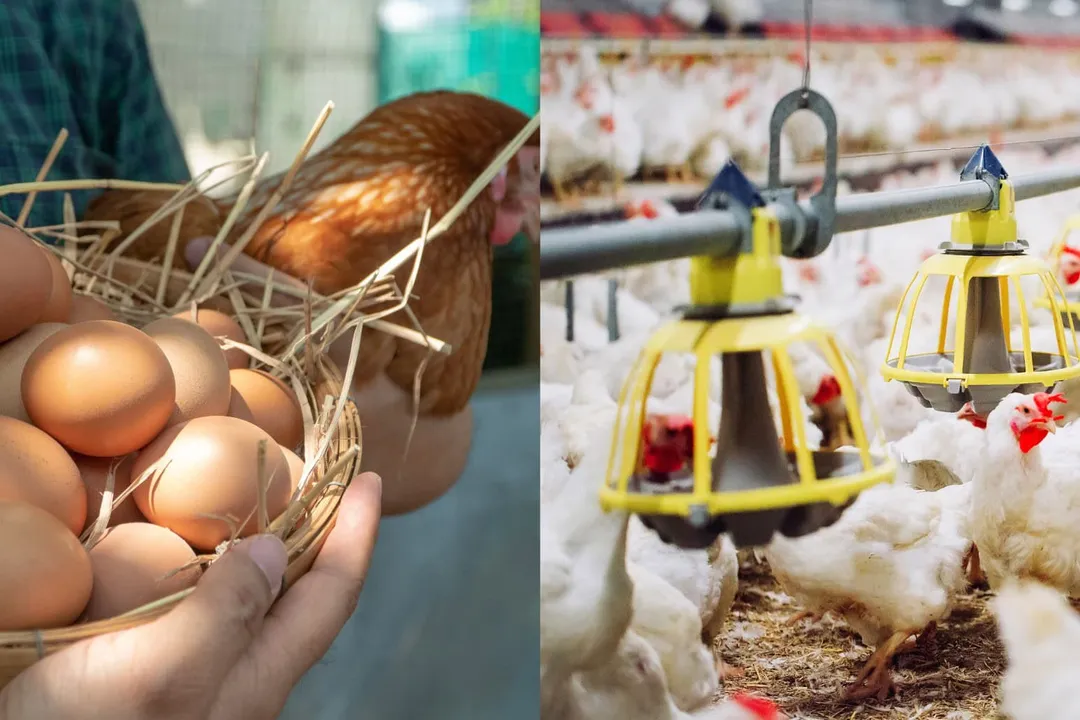
Examining a specific, essential sub-sector like poultry production illustrates the breadth of stable careers available. The poultry industry, supplying eggs and meat, is consistently called out as being incredibly stable because food consumption is a non-negotiable daily requirement, even during economic downturns. [9]
Careers here span the entire spectrum. On the production side, specialized roles like Poultry Production Managers are needed to oversee flock health, operational efficiency, and biosecurity measures. [9] These roles require significant management experience combined with biological understanding. [4] Simultaneously, the business side requires International Trade and Compliance Officers to navigate the global movement of products, ensuring regulatory adherence across borders. [9] Supply chain roles, focused on logistics, procurement, and market analysis, ensure that the high volume of product moves efficiently from farm to consumer. [9] The necessity of maintaining this supply line underscores the long-term security of employment within this foundational food segment. [9]
When looking at the structure of stability across the sector, one often finds a trade-off between specialization and accessibility. Roles requiring advanced degrees, such as Agricultural Engineers or Food Scientists, often command higher average salaries (130,000 for engineers). [1] These high barriers to entry mean fewer candidates, which can translate to very high job security for those who qualify. [1] In contrast, roles like Agricultural Equipment Technicians require specialized, non-degree training but support the mechanical backbone of the entire system, ensuring consistent demand even if the salary ceiling is lower than R&D roles. [2]
To apply this knowledge practically, aspiring professionals should consider the local context of their chosen specialty. A regulatory entomologist working for a state government, for instance, noted that their primary skill set (Horticulture degree plus on-the-job training) made them flexible enough to pivot between research and outreach, and their stability came from the government backing for essential tasks like invasive species control—a function that persists regardless of crop prices. [4] In contrast, a sales representative who leaves a stable corporate job to run a small, localized seed distribution company finds stability in the direct, personal client relationships they cultivate within a tight geographic area, a model that bypasses some corporate volatility but requires significant personal investment and entrepreneurial skill. [4]
# Pathways to Long-Term Security
Achieving career stability in agriculture means adopting a mindset of continuous skill acquisition, blending traditional agricultural knowledge with modern tools. [6] Professionals who excel often bridge disciplines. An individual with a computer science background who minors in Agricultural Mechanics, for example, can find extremely stable work as a software developer for an agricultural cooperative, managing middleware and leveraging cloud infrastructure like AWS. [4] This hybrid skill set—tech-focused but anchored in agriculture—offers excellent pay, favorable work schedules, and benefits like pensions, as described by one software developer at a large coop. [4]
For those seeking stability through purpose, sustainable agriculture pathways are expanding. [8] An Agronomist focused on soil science and genetics might see stable employment because improving soil health is a long-term investment that resists short-term market pressures. [8] Similarly, even a Restaurant Manager can contribute to sustainability by strategically sourcing from local farms and designing plant-centered menus, illustrating how even off-farm positions connect to the essential, stable core of food supply. [8]
Ultimately, the most secure career choice in agriculture is one that adapts to technological advances while remaining tethered to the non-negotiable need to feed the world. Whether through high-level data analysis, complex engineering solutions, or essential supply chain management, stability is found where human judgment meets the enduring requirement of production. [6] Professionals who cultivate deep subject matter expertise and maintain geographic flexibility tend to find the most enduring success within this dynamic sector. [6][9]
#Videos
Top 10 Best Career Jobs In Agriculture With High ... - YouTube
Related Questions
#Citations
People with careers in ag, What's the best job you've ever ... - Reddit
10 careers in agriculture you might not know about
High Demand Jobs in Agriculture | Farm Bureau Financial Services
Unlock Lucrative Careers In Agriculture in 2025: A Detailed Guide
Agriculture Technology Jobs That AI Can't Replace
Farm Labor | Economic Research Service - ers.usda.gov
Sustainable Agriculture Jobs - Unity Environmental University
Top 10 Best Career Jobs In Agriculture With High ... - YouTube
Working in the Agriculture & Poultry Industry - Eggs Unlimited
5 Agriculture Careers That Pay $100K+ per Year - Ladders