What Agriculture Careers Are Export-Focused?
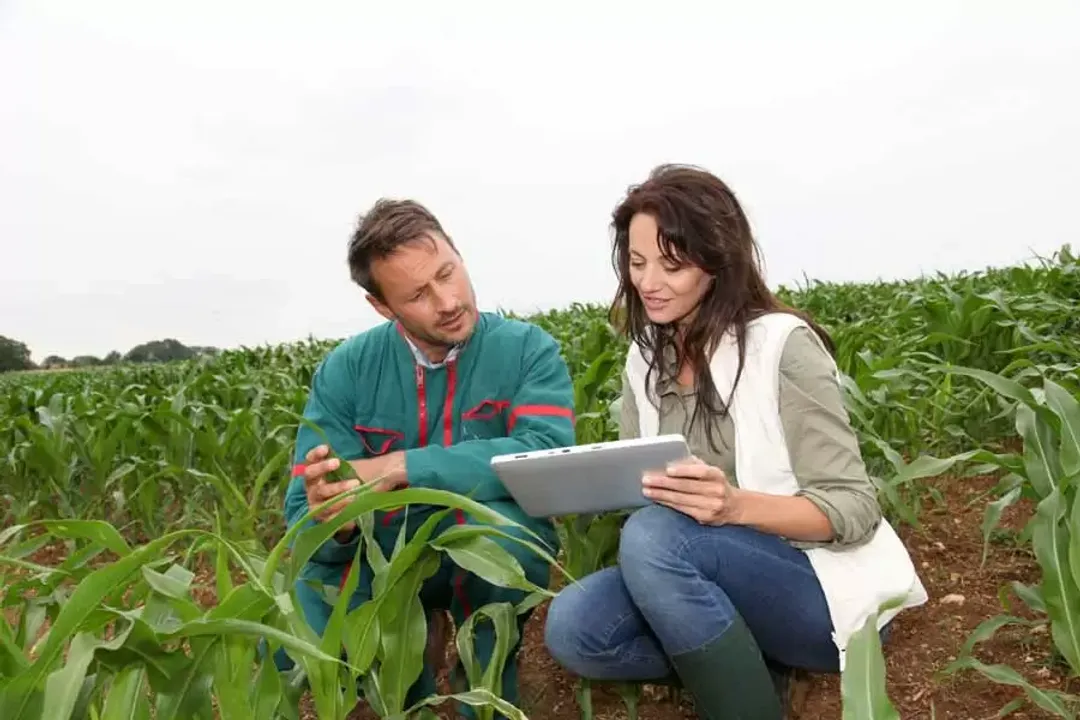
The sheer volume of American food, fiber, and fuel produced today means that success for U.S. farms and ranches is deeply tied to what happens beyond our borders. It might surprise some readers, but agriculture is a massive global enterprise, not just a local one. In fact, over 20% of all U.S. agricultural production is sold internationally. [2] This global reach isn't just about revenue; it's an economic engine. When a farmer exports a product, that single transaction supports jobs across the country—in trucking, warehousing, processing, and trade services. [2] Economists estimate that for every billion dollars in agricultural exports, roughly 7,550 jobs are generated nationwide. [6]
This reliance on international markets creates a rich landscape for careers that bridge the farm gate with global commerce. These roles go far beyond traditional agronomy or animal science; they require expertise in finance, logistics, law, and international relations. Understanding what careers are export-focused means looking at the entire chain that connects a field in the Midwest to a market in Asia or Europe.
# Trade Scale

The scale of international agricultural trade dictates the types of professionals needed. Data from the Economic Research Service shows that in 2023, U.S. agricultural exports hit $175.5 billion. [2] This massive financial flow necessitates a support structure staffed by specialists who can navigate the complexities of moving perishable goods across continents while adhering to varied international rules.
This reality creates distinct career pathways. If you enjoy data and forecasting, the Agricultural Economist role becomes central, as they analyze market fluctuations and policy impacts to guide pricing and strategy for global sales. [4] If you prefer the fast-paced action of the markets themselves, the Agricultural Commodities Trader role involves buying and selling products like grains and dairy on global markets, making decisions based on economic conditions and supply/demand factors worldwide. [4]
For those who prefer to focus on securing the right to trade in the first place, the presence of international agreements is paramount. One of the most significant challenges remains non-tariff barriers (NTBs)—rules or regulations that hinder foreign goods, such as differing food safety standards or specific sanitary/phytosanitary (SPS) rules. [2] Overcoming these requires specialized skill sets.
# Policy Access

Careers focused on policy and negotiation are absolutely vital to an export-focused agricultural sector. These professionals work to ensure the market doors stay open or that new ones are opened entirely.
# Analyst Roles
Agricultural Policy Analysts spend their time studying the effects of regulations and trade agreements. [4] They inform government agencies and think tanks on how these accords impact farm viability and agribusiness profitability. [4] In parallel, International Relations Professionals are needed to address the complex, interconnected policy needs of the food system, coordinating solutions across national and international governance levels.
The work of the Policy Analyst and the International Relations Professional often feeds into high-stakes negotiation tables. For instance, recent trade deals have involved complex reciprocal tariffs, where avoiding a punitive tariff rate required a country to commit to specific purchasing goals or regulatory acceptance. [2] A specialist in this area must understand the nuance of a regulatory commitment versus a tariff reduction.
# Legal Guidance
When rules are complex, legal minds become indispensable. The Agricultural Attorney advises on regulations, business planning, and compliance, which increasingly involves navigating international agreements and standards for issues like land use, labor, and environmental impact. [5] Furthermore, Language Translators who specialize in agricultural terminology are critical for building strong communication and relationships in international trade, especially since roughly 25% of U.S. farm products by value are exported annually. [5]
It’s interesting to compare the necessary mindset for the trader versus the policy expert. The commodities trader requires rapid financial acumen focused on short-term arbitrage and risk hedging to profit from immediate market shifts. Conversely, the Policy Analyst demands long-term, patient understanding of geopolitical shifts to secure market access agreements that might take years to finalize and yield results. [2][4] Both are export-focused, but their time horizons and primary tools—finance versus legislation—are vastly different.

# Supply Chain Logistics

Once a trade agreement is struck and the product is ready, the physical movement of goods across borders falls to logistics experts. The globalization of the food industry makes the Supply Chain Manager indispensable in agriculture. [4] These professionals coordinate the movement of raw materials and finished products, manage supplier relationships, and ensure efficient delivery, which is crucial for perishable agricultural goods. [4]
The chain is long, stretching from the field to the final consumer, and involves sectors that gain massive economic benefit from exports, including transportation, warehousing, and port operations. [2]
# Value and Processing
Export success isn't just about shipping raw commodities; it's about value-added products that command better prices globally and possess better shelf stability. This brings roles in Post-Harvest Technology and Food Processing to the forefront. [1] Professionals here focus on:
- Reducing food loss during storage and distribution. [1]
- Adding value through innovative processing techniques. [1]
- Enhancing food safety and shelf life—a prerequisite for long-distance export. [1]
Similarly, Food Scientists work on the chemical makeup of food to enhance preservation and packaging, directly supporting the ability to sell products overseas. [5] Furthermore, organizations like the Food Export Association of the Midwest and Northeast exist specifically for the development and expansion of international markets for U.S. food and value-added agricultural products, actively running Exporter Education and Market Entry programs like Buyers Missions. [8] Careers within these trade associations—focusing on market development, promotion, and technical assistance for exporters—are inherently export-focused.
# New Standards Compliance
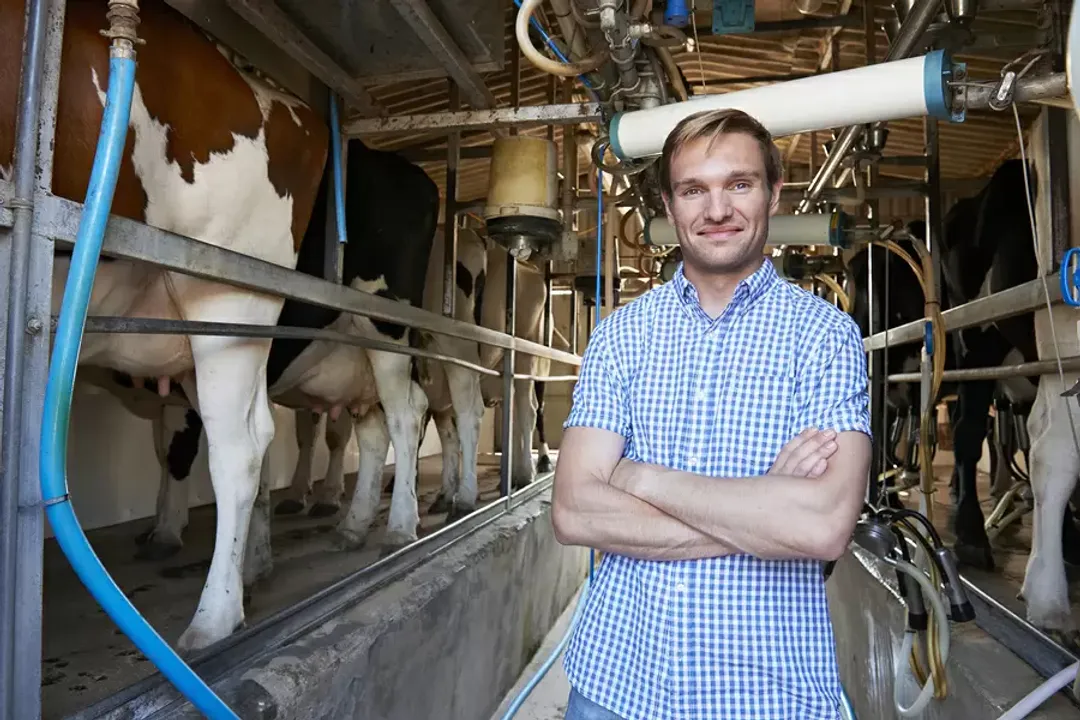
As global trade matures, the complexity shifts from simple tariffs to proving compliance with consumer and environmental standards. This is where modern technology intersects with export readiness, creating a new frontier for specialized careers.
The push for sustainability and traceability, which originates from consumer demand and international regulatory bodies, is becoming a de facto non-tariff barrier. A product might be scientifically safe, but if its supply chain lacks transparency regarding its environmental impact, market access can be denied. [2]
This creates a need for specialists who can bridge agricultural technology with global reporting requirements. For example, experts in Environmental and Climate-Smart Agriculture collaborate with businesses and policymakers on low-carbon systems. [1] Their ability to design systems that track and verify resource use, perhaps through platforms offering carbon footprint tracking or blockchain-based traceability, is what allows a product to qualify for premium export markets demanding proof of sustainable sourcing. [1][8]
If a business cannot digitally prove its environmental stewardship or trace its product back to its origin, it risks being locked out of lucrative foreign contracts, illustrating that expertise in how a product is grown is now just as important as what the product is.
# Sales and Field Support
While policy and processing handle the high-level and foundational needs, direct sales and support professionals drive the actual transactions that constitute exports.
Agricultural Sales Representatives are tasked with selling inputs, machinery, or specialized commodities to international buyers or domestic producers feeding the export chain. [4] As noted by one industry professional whose father transitioned from being a Regional Sales Rep to owning a seed distribution company, travel and client relationships are core to growing cross-border business segments. [7]
Beyond pure sales, direct field knowledge translated into actionable advice remains critical for global competitiveness. Agricultural Extension Agents serve to disseminate the latest research and technology to farmers, [1] ensuring that the production base is efficient enough to supply international demand profitably. [4] In the context of exports, this often means advising on efficiency gains that lower per-unit costs to remain competitive against foreign producers.
Ultimately, careers focused on exports are those that manage the distance—physical, regulatory, and cultural—between where food is grown and where it is consumed. They are the economists charting the course, the lawyers clearing the way, the supply chain managers keeping the product moving, and the technologists proving that the product meets the world’s evolving standards for safety and sustainability. [2][4]
Related Questions
#Citations
Top 10 careers in agricultural business in a global food economy
Agricultural Trade: Supporting U.S. Farms, Jobs and Communities
People with careers in ag, What's the best job you've ever ... - Reddit
12 Agriculture Career Focus Areas & 2 Agriculture Careers
U.S. agricultural exports supported more than 1 million jobs ...
Top Agriculture Careers for 2025 - Agricdemy
Agriculture & Forestry Careers | Jobs, Salary, Degrees
Careers Archive - Food Export Association of the Midwest USA and ...