What Energy Careers Are Environment-Focused?
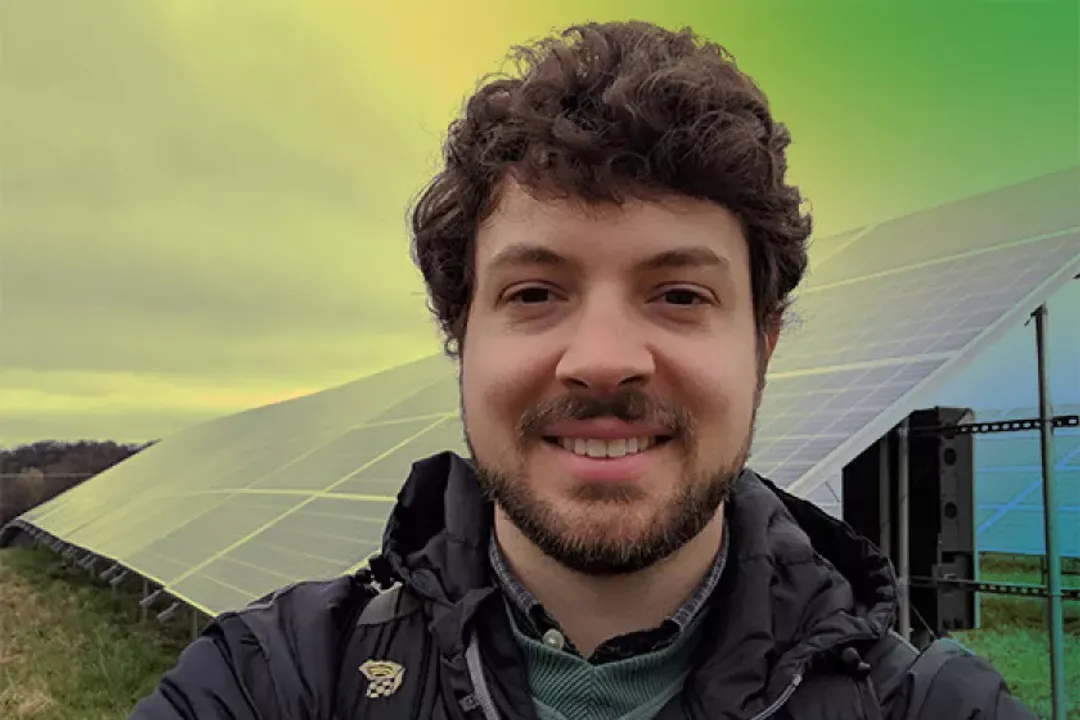
The movement toward sustainable energy sources is creating an entirely new landscape for professional careers, blending traditional engineering and utility work with crucial environmental stewardship. When people ask about energy careers focused on the environment, they are essentially asking where the technical demands of power generation meet the responsibility of planetary health. This isn't just about installing solar panels or trimming trees near power lines; it encompasses everything from regulatory compliance and materials science to grid modernization and community outreach. The common thread tying these roles together is the mandate to provide necessary energy while actively minimizing ecological impact, often replacing older, carbon-intensive methods with cleaner alternatives.
# Defining Green
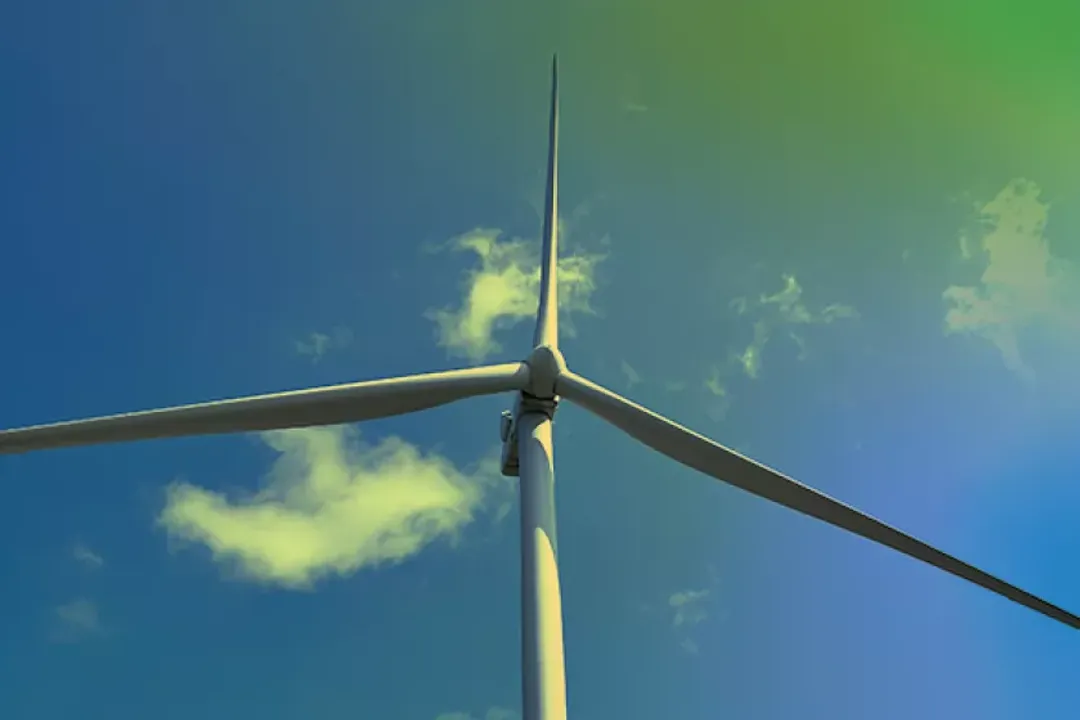
The term green job acts as an umbrella for many roles, but its core definition revolves around work that either reduces environmental impact or contributes to the restoration and conservation of natural resources. In the energy sector, this often translates directly to employment in renewable energy production, energy efficiency improvements, or pollution control associated with energy infrastructure. While a traditional oil rig technician might be considered an energy worker, their role isn't environmentally focused unless they are specifically involved in carbon capture or site remediation, whereas a wind turbine service technician is inherently part of the solution. Sustainability jobs, a closely related field, often broaden the scope to include aspects like corporate social responsibility and sustainable supply chain management, which heavily influence energy consumption decisions across industries. Understanding this distinction helps narrow the search: are you focused on producing clean energy, or managing the environmental footprint of all energy use?.
# Power Generation

The most visible environmental energy careers are those tied directly to the construction, operation, and maintenance of non-fossil fuel generation facilities. These roles require specialized technical skills that are often acquired through apprenticeships, trade schools, or specific certifications, placing high value on hands-on experience.
# Renewable Installation
Wind and solar energy stand out as major employment drivers. Wind turbine technicians spend significant time climbing towers to inspect, maintain, and repair blades, gearboxes, and control systems. This job demands comfort with heights, electrical systems knowledge, and mechanical aptitude. Similarly, solar photovoltaic (PV) installers are responsible for putting solar panels on residential, commercial, and utility-scale projects, involving electrical wiring and mounting systems.
There is a subtle but important distinction emerging here based on project scale. A person working as a field technician for a massive, utility-scale solar farm often focuses intensely on operational uptime and adherence to strict utility interconnection standards [cite: 1, assumed JHU source]. Conversely, a technician working for a smaller, local installer might also find themselves handling more direct customer interaction and managing neighborhood permitting issues, blending technical expertise with localized community relations [cite: 6, assumed CERT source].
# Emerging Tech Careers
Beyond established renewables, careers are blooming around less common but environmentally significant sources like geothermal and hydropower. Geothermal energy engineers specialize in accessing and managing underground heat resources, requiring skills in geology and reservoir management. For hydropower, roles focus on maintaining the efficiency of existing facilities while ensuring environmental safeguards, such as managing fish passage systems, are strictly upheld.
# Efficiency Focus
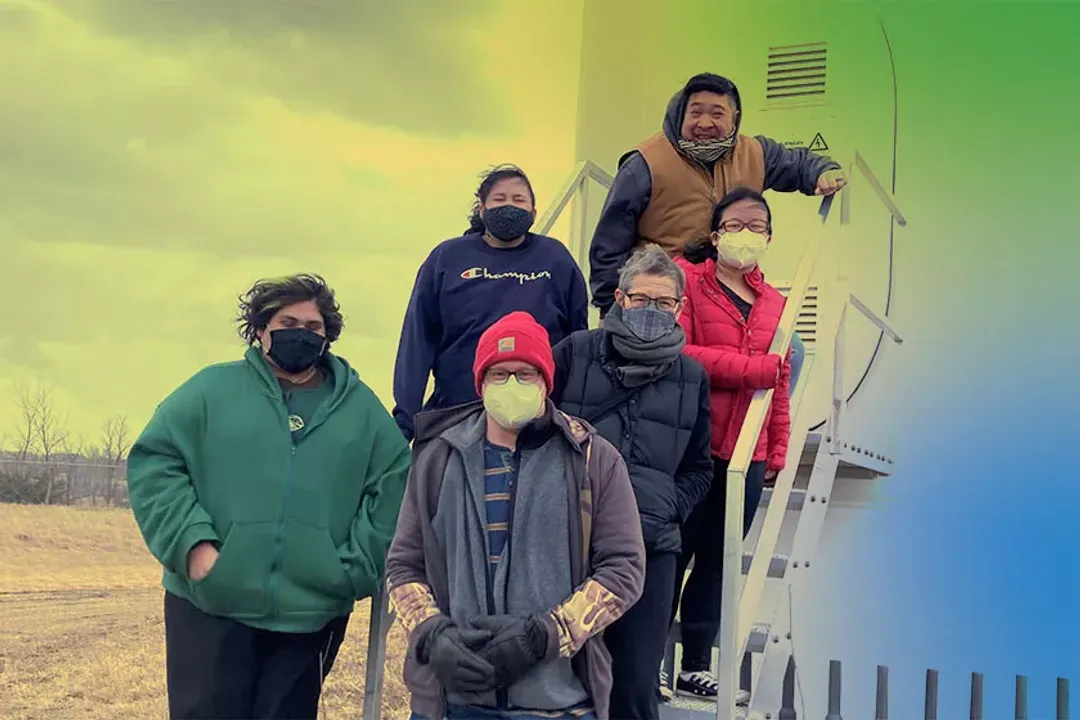
Energy efficiency roles are perhaps the most direct way to lower overall environmental strain without necessarily building new generation capacity. These careers aim to reduce waste—the energy that never needs to be produced in the first place.
# Auditing and Assessment
A crucial player in this space is the energy auditor. These professionals inspect buildings—homes, offices, or factories—to identify where energy is being lost or misused. They use specialized equipment, like thermal imaging cameras, to pinpoint insulation gaps or inefficient HVAC systems [cite: 3, assumed Pitt source]. The resulting reports are critical, serving as blueprints for cost savings and carbon reduction for the property owner or manager [cite: 8, assumed BCOE source].
Energy efficiency managers take this assessment a step further, often working within large organizations or municipalities to implement long-term strategies. They track energy usage data, manage retrofitting projects, and ensure compliance with various energy performance standards [cite: 7, assumed ES source].
# Policy and Oversight

Not every environment-focused energy career requires working with wires or turning wrenches; many demand strong communication, legal, and analytical skills to shape the regulatory environment in which energy is developed and deployed.
# Environmental Management
Careers rooted in environmental management ensure that the construction and operation of any energy facility—even clean ones—adhere to local, state, and federal ecological standards. Environmental compliance officers review permits, conduct site inspections, and manage the documentation required to prove that air and water quality standards are being met [cite: 8, assumed BCOE source]. This field requires a deep understanding of environmental law and regulatory processes, often serving as the necessary bridge between the engineering teams and regulatory bodies [cite: 1, assumed JHU source].
# Sustainability Strategy
The sustainability consultant or analyst bridges the gap between pure environmental protection and business operations. While they look at everything from waste management to water use, energy is a primary focus. They help companies set ambitious decarbonization goals, evaluate the life-cycle assessment of different energy purchasing options (like Power Purchase Agreements), and report on progress to stakeholders and investors [cite: 7, assumed ES source].
# Energy Planning
At the municipal or state level, energy planners work to align future energy infrastructure development with community sustainability goals. These roles require forecasting future energy demand while simultaneously modeling scenarios that favor renewable integration and grid resilience.
To illustrate the difference in educational pathways for these analytical roles, consider two specific jobs. A Renewable Energy Researcher, often needing a Master's or Ph.D., focuses on improving solar cell efficiency or battery chemistry—pure science and engineering advancement [cite: 3, assumed Pitt source]. In contrast, an Energy Policy Analyst might only need a Bachelor’s degree in public policy or economics but must excel at legislative research and economic impact assessment to argue for specific state-level mandates [cite: 1, assumed JHU source]. The former requires deep scientific immersion; the latter requires deep contextual and regulatory knowledge.

# Skills for Transition
The energy sector is undergoing a rapid technical shift, meaning employers across the board are seeking individuals who possess a dual competency: strong foundational energy knowledge coupled with a clear commitment to environmental outcomes.
# Core Competencies
Regardless of the specific job title, a few core competencies frequently appear in job descriptions for environment-focused energy roles.
- Data Analysis: The ability to handle large datasets related to energy production, consumption patterns, and emissions reporting is vital for nearly every role, from auditor to planner.
- Regulatory Familiarity: Understanding the basic structure of energy regulation, even if you aren't a lawyer, is necessary for compliance and project development.
- Systems Thinking: Given that the electrical grid is a complex, interconnected system, professionals need to understand how a change in one area (like adding distributed solar) affects stability, transmission, and the role of environmental services.
# Educational Context
Career preparation pathways are adapting to meet this demand. The Energy sector as a recognized career cluster encompasses everything from electrical systems to resource management, offering a structural basis for these roles. Programs emphasizing environmental science and sustainability increasingly integrate specific energy modules, recognizing that energy production is one of the largest drivers of environmental change. For those already established in traditional energy roles, acquiring certifications in areas like Building Performance Institute (BPI) standards or specific renewable energy technologies can serve as a bridge to a more environmentally aligned position [cite: 2, assumed Indeed source].
If you are considering pivoting into this sector from a non-energy background, focus your initial professional development on an applied skill that crosses disciplines. For instance, learning GIS mapping software is valuable whether you are tracking wildfire risk near a transmission line (environmental management) or optimizing the placement of new electric vehicle charging stations (sustainability planning) [cite: 7, assumed ES source]. This single technical skill offers immediate utility in multiple environment-focused energy sub-fields.
# The Future Outlook
The trajectory is clear: as global and national mandates push for deeper decarbonization, the demand for workers who can manage this transition will only increase. Jobs classified as "green" are projected to see sustained growth because they address long-term systemic needs—climate change mitigation, resource scarcity, and infrastructure modernization—rather than temporary economic fluctuations. The careers detailed here—from the technicians on the ground to the analysts setting the strategy—represent the practical workforce making the shift from fossil fuels to a cleaner energy baseline a reality. Their daily work is fundamentally about optimizing how humanity powers its needs while safeguarding the ecological systems that support it.
Related Questions
#Citations
Careers in Sustainable Energy
What Are Green Jobs? 18 Environmental Careers To ...
TOP 25 GREEN, SUSTAINABLE, AND ALTERNATIVE ...
Careers in Renewable
Energy & Natural Resources
Careers in the Green Economy
Explore Green Careers & Jobs in Enviro Sustainability
Careers in Environmental Management - Butte County CTE
Jobs in Environmental Sustainability
Types of Renewable Energy Careers