What Energy Careers Are Government-Based?
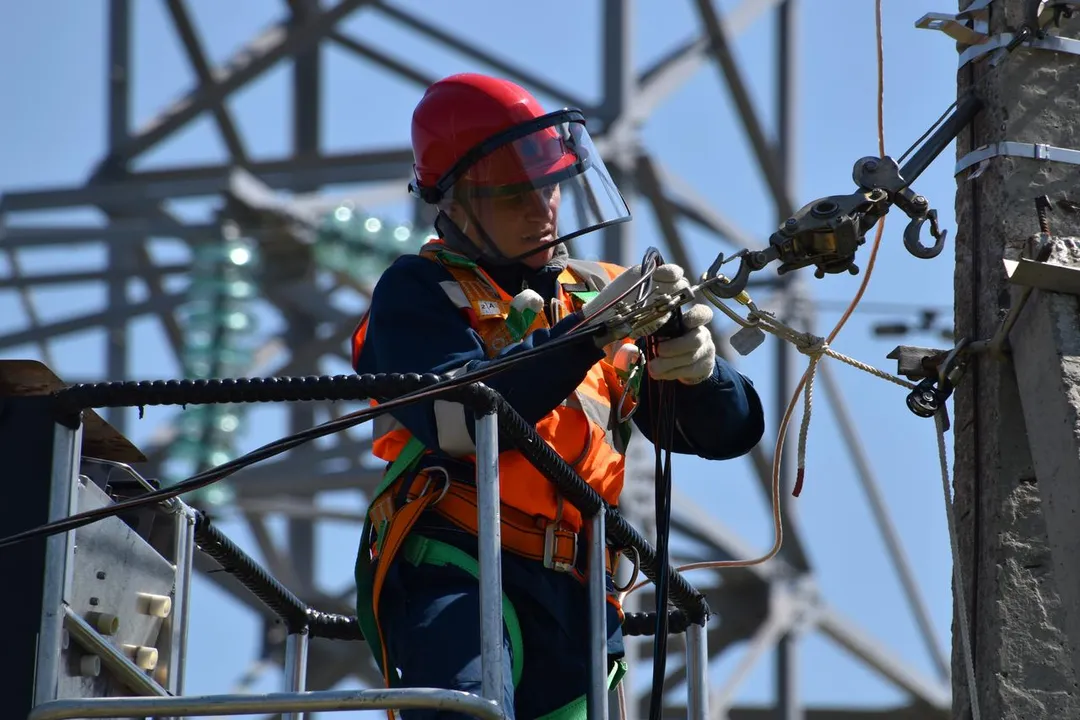
The landscape of energy careers in the public sector extends far beyond the typical image of a utility worker or a private sector engineer. Government-based energy jobs exist within numerous federal agencies, national laboratories, and independent regulatory commissions, all tasked with ensuring national security, regulating commerce, and advancing technological development. [1][7] These roles are critical because they shape the policies, standards, and foundational research that underpin the entire national energy infrastructure. [4]
# Agency Focus
The U.S. Department of Energy (DOE) serves as the most visible nexus for federal energy employment, often working closely with national defense and scientific research communities. [1][9] The DOE's scope is vast, covering everything from managing nuclear stockpiles and national security infrastructure to funding research into next-generation solar cells and grid modernization efforts. [4] Working for the DOE means engaging with mission-driven science and policy where the objectives are often centered on long-term national interest rather than quarterly earnings. [1]
The opportunities within the DOE aren't limited to scientists and engineers, though those roles are plentiful. The agency requires administrative staff, budget analysts, cybersecurity experts, and public affairs specialists to manage its wide-ranging portfolio. [4] For instance, a cybersecurity specialist at the DOE might be working to protect critical energy infrastructure from sophisticated nation-state threats, a duty that carries national security implications. [9]
# Regulatory Oversight
While the DOE focuses heavily on research, development, and environmental cleanup, other government bodies specialize strictly in the market and flow of energy resources. The Federal Energy Regulatory Commission (FERC) is a prime example of this regulatory track. [7] FERC oversees the interstate transmission of electricity, oil, and natural gas, as well as the siting of new liquefied natural gas (LNG) terminals. [7]
Careers at FERC often appeal to those with backgrounds in law, economics, finance, and regulatory compliance. An energy economist at FERC might analyze market trends to ensure fair pricing and reliable interstate flow, a position that requires intense scrutiny of market mechanics. [7] This contrasts with the research focus at a DOE national lab; here, the output is often a ruling, a market analysis report, or a compliance directive, rather than a physical prototype. [4][7]
# Finding Federal Openings
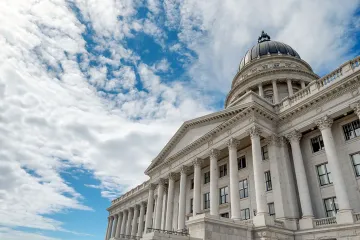
For individuals interested in pursuing energy careers within the federal government, the primary gateway is the official USAJOBS website. [2] Searching this platform specifically for roles within the Department of Energy or related bodies like FERC will reveal current vacancies. [2][7] It is important for prospective applicants to realize that federal hiring differs significantly from the private sector, where job hunting might involve directly applying to utility career sites like Duke Energy’s portal. [3]
When navigating the federal job boards, applicants need to be prepared for a detailed, often multi-stage application process that emphasizes specific qualifications and responses to structured questions, which is typical for government service. [2]
A strategy often overlooked by newcomers is to search using niche technical terms rather than broad titles. For example, instead of just searching "Energy Analyst," one might find highly specific roles by searching terms like 'Grid Modernization Analyst' or 'Nuclear Material Safeguards'. These specific phrases often map directly to specialized federal job series descriptions that may not appear under a generic title search, providing better access to specialized, impactful roles within agencies like the DOE. [2]
# Skill Pathways
Federal service recognizes several pathways for skill development and entry into the energy sector. One key area is apprenticeships. [5] The government actively supports apprenticeship programs across the energy industry, covering fields like electrical work, power line installation, and maintenance of energy infrastructure. [5] These programs often blend on-the-job training with related technical instruction, offering a direct path to skilled employment within sectors that feed into or support federal mandates. [5] This structured learning is often formalized by the government, ensuring a baseline of competency across the industry. [5]
Furthermore, the energy sector as a whole, including its public-facing aspects, demands expertise in areas like renewable energy technologies. [8] Government roles exist to regulate, fund, or research these fields. Whether it is drafting policy for offshore wind deployment or analyzing the grid impact of widespread electric vehicle adoption, the foundational knowledge needed often overlaps with what is learned in renewable energy training pipelines. [8]
# Mission vs. Profit Dynamics
The inherent difference between public sector energy employment and private sector employment often boils down to the primary measure of success. A career at a large private utility, for instance, is deeply intertwined with meeting regulatory requirements while serving customers and generating profit. [3] In contrast, many government energy roles are mission-first.
A federal scientist working on developing advanced battery storage for the Department of Energy might be tasked with achieving a performance benchmark that is not economically viable today but is necessary for national energy independence five or ten years down the line. [4] This focus on long-term strategic goals over immediate financial returns allows for research and regulatory activities that the private market might deem too risky or too slow to pay off. [1] It is this mandate for future-proofing the nation's energy supply—through security, research, and regulation—that defines the unique professional experience within government energy careers. [9][7]
# Specialized Government Functions
The need for governmental oversight means certain energy specialties are almost exclusively housed within public agencies. One important, though less visible, area is energy infrastructure security and material management. Agencies must ensure the safe storage and transport of special nuclear materials and maintain cybersecurity across vast power grids. [9] This necessitates dedicated federal personnel focused solely on compliance, inspection, and enforcement, as these are inherently governmental functions related to national security and public safety. [1]
While an outside contractor might perform an inspection, the authority to enforce standards, issue penalties, or secure highly sensitive materials rests with the federal employees in agencies like the DOE or FERC. [7][9] The specialized knowledge required—whether it's nuclear safeguards protocols or complex economic modeling for interstate gas tariffs—ensures that these specialized government tracks remain distinct from general industry employment. [4][7]
Related Questions
#Citations
Work at the U.S. Department of Energy
Viewing 1-25 of 59 jobs - USAJOBS - Search
Careers and Job Openings - Duke Energy
Energy | Apprenticeship.gov
26 Types of Energy Careers To Pursue | Indeed.com
Careers | Federal Energy Regulatory Commission
Careers in Renewable - Get Into Energy
Government Jobs - U.S. Department of Energy (DOE)