What Government Careers Are Regulatory?
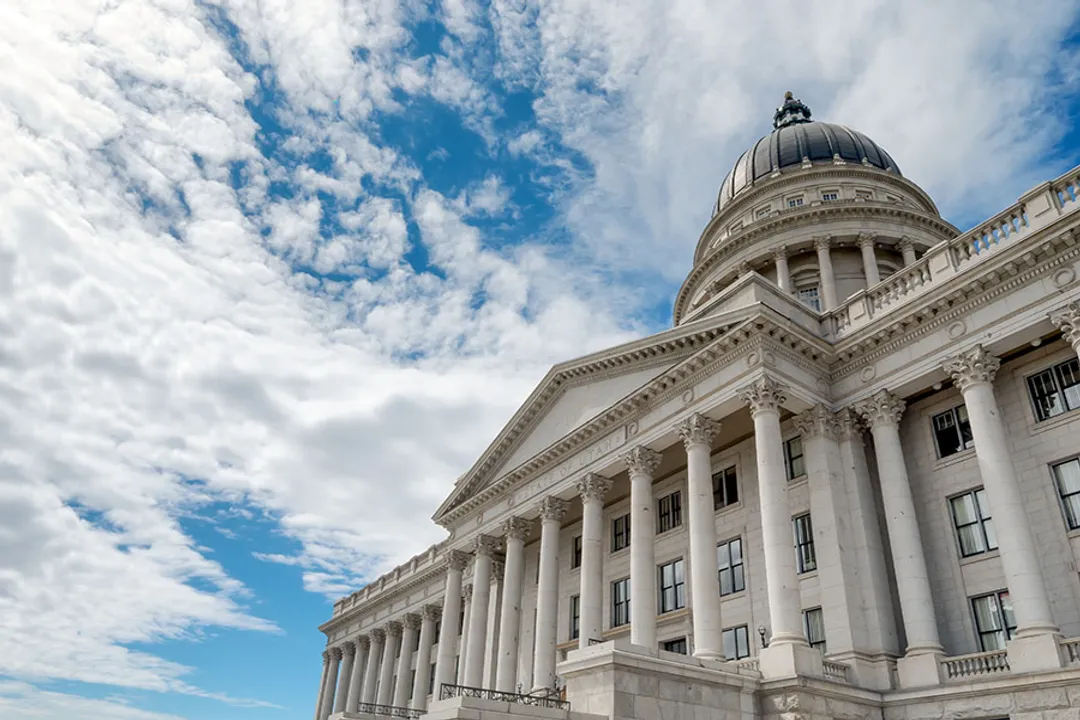
Government careers defined as "regulatory" form the essential backbone of how public policy translates into actionable standards across every sector of the economy and society. These roles are not confined to one department or level of government; rather, they represent a spectrum of activities centered on compliance, safety, public trust, and the orderly administration of law. [7][9] When an agency establishes a new standard for environmental protection, reviews a medical device for market release, or ensures adherence to immigration statutes, regulatory professionals are at the center of that process. [1][3][8]
# Core Activities

At its most fundamental level, regulatory work involves several key functions that maintain structure across industries. These functions include the formal process of rule-making, where agencies develop the specific criteria that regulated entities must follow. [7] Following the creation of rules, a significant portion of the work involves licensing and permitting, granting official permission for individuals or businesses to operate within a certain sphere, such as practicing medicine or building a power facility. [7] Finally, there is the crucial element of enforcement and monitoring, which involves inspecting facilities, auditing records, and investigating potential violations to ensure compliance with established mandates. [2][8]
A specialized manifestation of this is the Compliance Officer role, which exists across government agencies as well as regulated industries. In the public sector, these officers work to ensure the agency itself adheres to internal policies and external statutory requirements, or they may be tasked with auditing external entities to verify their adherence to federal or state laws. [2] Their duties often involve developing internal compliance programs, conducting risk assessments, and serving as the agency's internal experts on legal and regulatory interpretation. [2]
# Agency Scope
The diversity in regulatory careers mirrors the vast scope of government itself. At the federal level, regulatory bodies often focus on protecting large-scale national interests, such as public health, national security, or interstate commerce. Consider the difference in focus between two major agencies: the Nuclear Regulatory Commission (NRC) dedicates its efforts to safeguarding the public and the environment from the hazards of civilian use of nuclear materials, often requiring highly technical expertise from engineers and physicists to inspect and license nuclear power plants and materials handlers. [4] In contrast, the Food and Drug Administration (FDA) regulates the safety and efficacy of much more common items—foods, drugs, cosmetics, and medical devices—meaning their regulatory staff interact with a wider variety of businesses, demanding expertise in chemistry, biology, and clinical trials. [8]
Immigration law requires its own specialized regulatory oversight. The U.S. Citizenship and Immigration Services (USCIS) embodies regulatory work focused on administering immigration laws, where regulatory roles revolve around processing applications, adjudicating cases, and ensuring every action taken conforms precisely to complex, constantly updated statutes and policies. [3] This demonstrates that regulatory work exists wherever there is a need to manage complex legal frameworks applied to specific activities.

# Regulatory Context
To better understand the procedural side of these government jobs, it helps to look at the parallel field known as Regulatory Affairs (RA), which is prevalent in regulated industries like pharmaceuticals and medical devices. [6] While RA professionals work for private companies, their function—guiding a new product through the entire regulatory approval lifecycle—highlights the procedural rigor required in government. They must manage extensive documentation, interpret agency guidance, and prepare submissions that satisfy specific agency criteria. [6] Government regulators, in turn, must be equally adept at understanding and adjudicating these submissions, often spending time analyzing the very same types of technical data packages that industry RA specialists prepare. [6]
It is an interesting distinction to observe that some regulatory careers involve the creation of the environment, while others are focused on operating within it. A professional tasked with drafting new performance standards for emerging technologies, such as hydrogen fuel cells, is engaged in proactive policy design, considering safety standards alongside environmental impact and economic viability. [1] Meanwhile, another official may spend their day ensuring an existing manufacturing plant adheres strictly to the now-established standards for emissions or workplace safety. The former requires deep foresight into future technological landscapes, while the latter demands precise interpretation of existing legal text. [1][7] Thinking about your own background, if you possess strong analytical skills related to emerging science, you might be better suited for the proactive, rule-shaping roles, whereas a detail-oriented individual with a background in auditing or law might thrive in enforcement or adjudication. [1][2]
# Governmental Tiers
While federal agencies often capture the headlines regarding major regulations, the vast majority of licensing, local permitting, and day-to-day administrative law is managed at the state and local levels. [5] Every state government maintains agencies that regulate professions (doctors, lawyers, electricians), local business operations, environmental permits specific to that geography, and consumer protection laws that may differ significantly from federal standards. [5] For instance, while the FDA oversees nationwide drug approval, a state licensing board dictates if and how a local pharmacist can operate their business within that specific state. [8][5] Exploring state job portals, such as those maintained by individual state governments, reveals a huge volume of openings categorized under licensing and regulatory boards that directly affect local economies and public life. [5] This shows that career opportunities aren't limited to Washington D.C.; the closest state capitol or county seat likely houses numerous regulatory positions that need staffing. [5][7]
Aspiring government regulators should look closely not just at the agency's mission, but at its recent rulemaking agenda. A proactive step you can take is to review the Federal Register or state equivalent for proposed rules within an agency that interests you. [7] If a proposed rule relates to data security for financial institutions, for example, you can deduce that the agency will soon need compliance officers, policy analysts, and legal staff to manage the implementation and monitoring phase of that new requirement. [2] Targeting your application toward the skills required to manage the upcoming regulatory burden, rather than just the existing workload, positions you as a forward-thinking candidate ready to contribute immediately to the agency's priorities. [6]

# Necessary Qualifications
The required expertise for regulatory careers is necessarily broad, depending entirely on the subject matter being regulated. For the NRC, this means specialized scientific and engineering backgrounds. [4] For USCIS, deep knowledge of administrative law and policy implementation is key. [3] For FDA roles concerning medical devices, understanding clinical data review is paramount. [8] However, nearly all regulatory positions require a strong foundation in administrative law, the ability to interpret dense legal texts accurately, and excellent written communication skills to document decisions and rationale clearly. [2][6] In many cases, professionals entering these fields will hold advanced degrees in fields like public administration, law, public health, or a specific engineering discipline, demonstrating the high level of subject-matter expertise required to govern complex areas effectively. [1][4]
Related Questions
#Citations
Career Map: Regulatory Expert - Department of Energy
Compliance Officers : Occupational Outlook Handbook
Career Opportunities - USCIS
Career Opportunities | Nuclear Regulatory Commission
Jobs - The official website of Louisiana
Working in Regulatory Affairs: Careers, Salaries, and Trends
Regulatory And Licensing jobs - Careers In Government
Jobs and Training at FDA
Government Regulatory Jobs, Employment | Indeed