What Energy Careers Involve Engineering?

The realm of energy careers is deeply interwoven with engineering disciplines, forming the backbone of how we produce, move, and consume power across the globe. [1][7] From the earliest stages of resource extraction to the operation of cutting-edge renewable farms, engineers are the professionals responsible for making energy systems work safely, efficiently, and reliably. [4] This career path is not singular; rather, it branches out across traditional fossil fuels, nuclear power, and the rapidly expanding sectors of renewable energy, demanding specialized skills in fields like electrical, mechanical, chemical, and civil engineering. [1][7]
# Career Scope

Engineering roles within the energy sector span the entire lifecycle of a project: conception, design, construction, operation, and eventual decommissioning or modernization. [1] Energy engineers often specialize early on, focusing their expertise on a particular segment of the energy supply chain or a specific technology. [7] For instance, an engineer might focus entirely on the mechanical integrity of a natural gas pipeline, while another might dedicate their career to optimizing the aerodynamic shape of a wind turbine blade. [2]
The variety of work is substantial. Some positions are heavily focused on research and development, seeking incremental or radical improvements in efficiency or energy storage. [4] Others involve hands-on plant operations, requiring detailed knowledge of process controls and safety protocols to keep power generation running smoothly day in and day out. [1] Even roles seemingly removed from the power source, such as those dealing with energy efficiency in commercial buildings or designing smart city infrastructure, rely heavily on engineering principles applied to energy management. [3]
# Power Generation
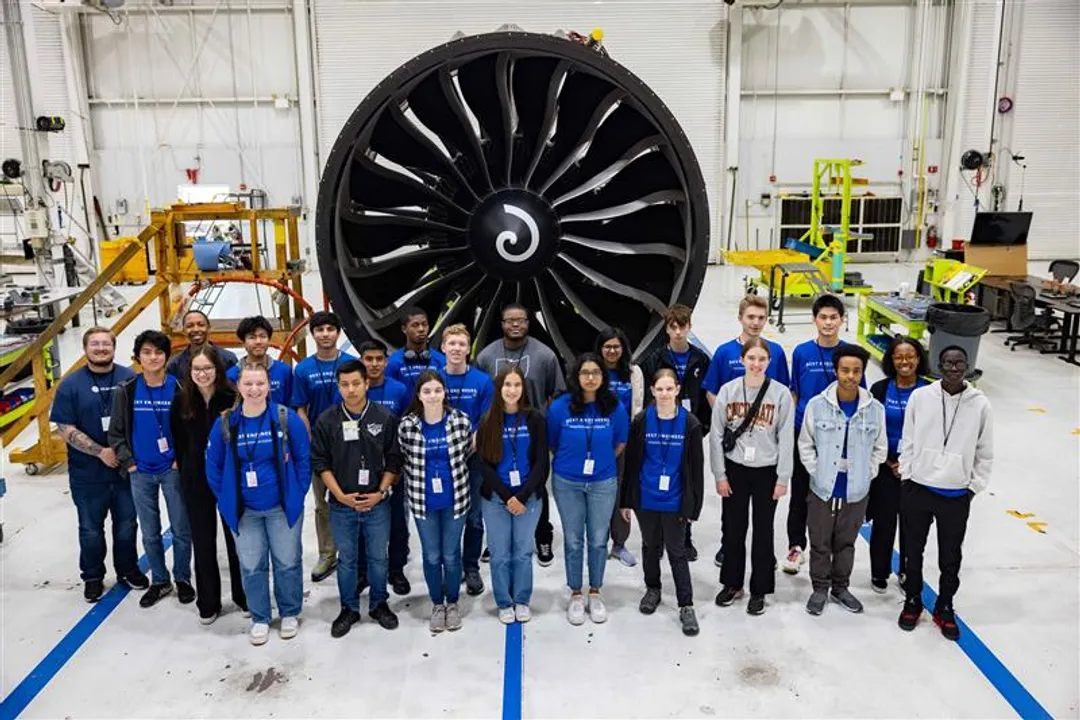
At the heart of the energy system lies power generation, where engineers tackle the challenge of converting raw resources into usable electricity. [7] In conventional power plants—whether fueled by coal, natural gas, or nuclear material—engineers design systems to manage high temperatures, extreme pressures, and complex thermodynamic cycles. [1] Mechanical engineers often oversee the steam turbines and generators, ensuring machinery maintains peak performance under continuous load. [4] Electrical engineers manage the intricate systems that convert the mechanical energy into electrical current and handle the initial step-up in voltage for transmission. [1]
The approach shifts significantly when moving to renewables. For solar energy, engineers design large-scale photovoltaic (PV) arrays, focusing on maximizing energy capture based on geographic location, panel tilt, and shading analysis. [8] This often involves civil engineering expertise for foundation design and electrical engineering for inverter placement and DC-to-AC conversion. [8]
When comparing the design philosophies, the difference is stark. A traditional thermal plant engineer focuses on thermal efficiency and pollution control systems, such as scrubbers or carbon capture readiness. [1] In contrast, a renewable energy engineer, particularly in the wind sector, must design for intermittent power output and structural resilience against variable weather conditions. [5]
# Transmission Grids

Once electricity is generated, it must travel, often hundreds or thousands of miles, to reach consumers—a task falling squarely on the shoulders of transmission and distribution engineers. [5] These roles are predominantly held by electrical engineers who specialize in power systems. [9] Their primary concerns include maintaining system stability, minimizing energy loss over distance, and protecting the grid from faults and disturbances. [5]
A power systems or transmission engineer calculates load flows, designs substation configurations, and selects the appropriate voltage levels for transmission lines. [5] This is a delicate balancing act. If generation exceeds demand or if a major transmission line fails, the system can collapse into instability, resulting in widespread blackouts. [1]
The modern grid is evolving toward a "smart grid," demanding engineers who understand digital controls, advanced sensor technology, and cybersecurity alongside traditional high-voltage theory. [5] An engineer working on grid modernization might implement wide-area monitoring systems to detect anomalies instantly, a significant departure from the more reactive maintenance approaches of the past. [5] To illustrate the complexity, consider a large utility balancing power from a nuclear plant in one state with peak demand from a heatwave in another; the engineer must constantly model and manage these flows in real time using sophisticated simulation software. [9]
# Renewable Focus

The drive for decarbonization has placed significant focus on engineers specializing in sustainable energy sources. [8] Roles in wind energy engineering can involve everything from the initial site assessment—analyzing wind patterns and accessibility—to the detailed structural analysis of the turbine tower itself. [5] A wind farm is essentially a massive distributed power plant, requiring coordination across multiple sub-disciplines. [2]
Geothermal energy engineers apply principles of earth science and mechanical engineering to tap into underground heat sources, designing heat exchangers and piping systems capable of handling highly corrosive subsurface fluids. [7] Bioenergy engineers, often chemical or mechanical engineers, focus on the processes of converting biomass—such as agricultural waste or dedicated energy crops—into heat, electricity, or liquid fuels. [1]
A key area where these roles intersect with traditional engineering is in energy storage. Whether designing massive battery banks to smooth out solar variability or engineering pumped-hydro storage systems, the goal is to store energy efficiently for later use, requiring expertise in electrochemistry, materials science, and large-scale mechanical installation. [8]

# Engineering Disciplines
While "Energy Engineer" is a common title, the underlying academic background dictates the specific contributions an engineer makes. [7]
| Discipline | Primary Energy Focus Areas | Typical Responsibilities |
|---|---|---|
| Electrical | Generation output, transmission, distribution, grid modernization, solar electronics [1][5] | Designing control systems, ensuring power quality, substation layout |
| Mechanical | Turbines (gas, steam, wind), HVAC, plant machinery, materials stress [4][7] | Analyzing mechanical stress, optimizing heat transfer, designing rotating equipment |
| Chemical | Fossil fuel processing, biofuels, hydrogen production, carbon capture and storage (CCS) [1] | Designing chemical reactors, optimizing fuel conversion processes |
| Civil | Infrastructure, pipeline routing, offshore wind foundations, transmission tower construction [4][8] | Site planning, structural integrity assessment, environmental impact mitigation |
| Petroleum | Oil and gas exploration, drilling mechanics, reservoir modeling [7] | Managing extraction efficiency, ensuring well integrity and safety |
It is important to note that many senior roles in the energy sector, especially those overseeing major projects or signing off on designs affecting public safety, require professional licensure, often referred to as a Professional Engineer (PE) license, which necessitates specific experience and examination beyond the initial degree. [10]
# Required Background
The foundation for nearly all energy engineering careers is a bachelor's degree from an accredited program. [10] Most employers seek graduates with degrees specifically in Electrical, Mechanical, or Chemical Engineering. [4] For those aiming to work in the upstream oil and gas sector, Petroleum Engineering degrees are standard. [7] Furthermore, specialized master's degrees or Ph.D.s become increasingly relevant for roles in advanced research, such as fusion energy development or novel battery technology. [4]
Beyond the academic credentials, practical experience is invaluable. Internships with utility companies or renewable developers provide essential exposure to real-world operational challenges that classroom study cannot replicate. [10] Developing proficiency in simulation software relevant to your specialty—be it finite element analysis for structural mechanics or power flow modeling for grid integration—is a non-negotiable skill set in today's job market. [10]
# Industry Outlook
The energy sector is currently undergoing a massive transformation, driven by climate concerns and the need for greater energy independence, which translates directly into high demand for skilled engineers. [3] Energy companies, including major utilities and independent power producers, consistently list engineering positions as critical hiring needs. [6][9]
The shift toward electrification and decarbonization means that demand for traditional power engineers remains steady, often focused on maintaining aging infrastructure while integrating cleaner technologies, but the growth is most pronounced in the renewable space. [3][8] This environment demands adaptability; an engineer trained in coal plant operations might successfully pivot to managing a natural gas facility designed for peaking power, utilizing existing knowledge of large-scale thermal mechanics while learning new emissions control standards. [7]
This dynamic hiring environment suggests that engineers entering the field now have significant career mobility. The foundational engineering science remains constant, but the application is constantly changing, rewarding those who commit to lifelong learning in areas like energy storage and grid modernization. [5] For those starting out, focusing on a core discipline while actively seeking cross-training in an adjacent area—like a mechanical engineer learning about battery management systems—will significantly boost long-term relevance in this evolving field. [3]
Related Questions
#Citations
Energy Sector Careers | Texas A&M University Engineering
Career Profile: Energy Engineering
The Energy Industry Seeks Engineers
Careers in Energy - Engineering
Career Map: Power Systems/Transmission Engineer
NextEra Energy Careers | Engineering Jobs
Example Career: Energy Engineers
Renewable Energy Engineering Jobs: Complete 2025 Career ...
Engineering Careers at Xcel Energy
How To Become an Energy Engineer in 5 Steps