What Manufacturing Jobs Are Environment-Focused?
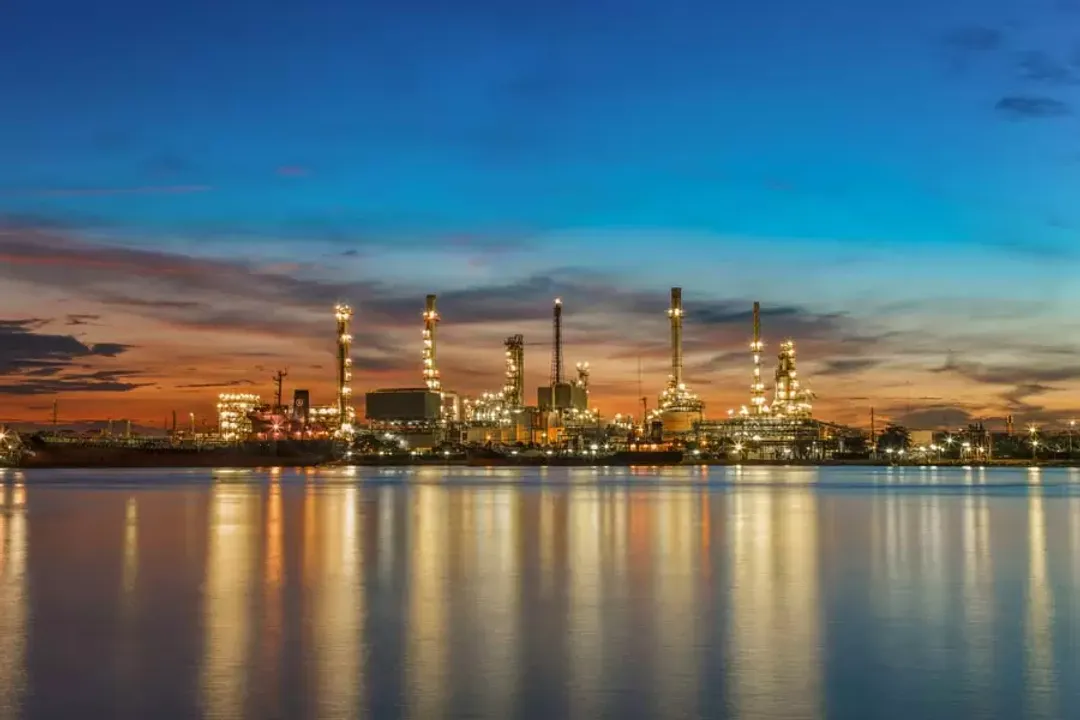
The movement toward sustainable operations isn't just happening in renewable energy fields; it is fundamentally reshaping the world of manufacturing, creating a new tier of necessary, specialized roles right on the factory floor and in the corporate offices that support them. For decades, manufacturing facilities have managed environmental compliance, safety, and energy use, but recent technological innovation and stakeholder demands have expanded these responsibilities significantly. This evolution means that professionals blending technical aptitude with environmental consciousness can find compelling, well-compensated careers within the industrial sector. The landscape of "green jobs" in manufacturing stretches far beyond just fixing pollution—it now encompasses everything from materials science innovation to the optimization of digital systems for resource conservation.
# Current Footprint

Manufacturing has always interacted with environmental regulations, making many existing jobs inherently "green" simply by virtue of enabling cleaner outputs or greater efficiency. These foundational roles are scaling up as companies commit to ambitious carbon reduction goals and tighter regulatory environments.
For example, the role of an Environmental Health and Safety (EHS) Tech directly supports plant compliance and worker protection, often using an environmental science background. A retiring industry veteran described loving the role of Environmental Operations Manager, which involved 24/7 oversight of power plants, steam production, wastewater treatment, hazardous waste management, and pollution control equipment maintenance, alongside developing waste minimization strategies. These hands-on operational roles are the bedrock of current environmental responsibility within a production facility.
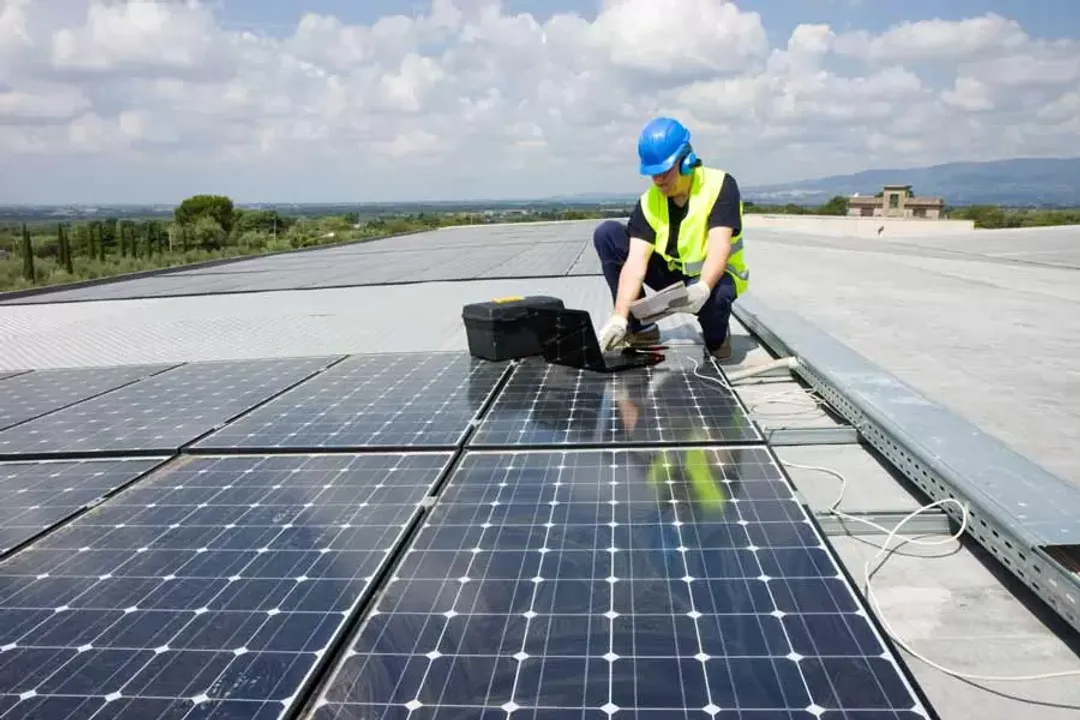
Beyond direct environmental management, roles focused on physical infrastructure are becoming greener. Automation Technicians are now essential as they implement the digital tools—like AR/VR, cloud IT, and remote sensing—that enhance efficiency and lead to cleaner production cycles. Similarly, Solar Panel Technicians are crucial in the deployment of on-site renewable energy sources necessary for reducing a plant’s reliance on fossil fuels.
# Innovation Paths
The next wave of green manufacturing jobs looks past basic compliance and focuses on a "fuller life cycle" approach, often driven by industry demands for resource efficiency and innovation inspired by nature. This area requires blending established engineering disciplines with forward-thinking sustainability concepts.
New roles are emerging that focus on Clean Process & Product Innovation and Resource Alternatives and Conservation. We can see this through specialized engineering and scientific functions:
- Process Engineers are now tasked with fundamentally redesigning production lines, not just for speed, but specifically to cut energy consumption and emissions.
- Materials Scientists and Biomimicry Manufacturing Specialists focus on innovation at the chemical and physical level, seeking materials derived from nature’s "genius" to create better, less wasteful products.
- Chemical Engineers are central to this shift, designing and monitoring processes to be less wasteful, consume less energy, and handle industrial waste more safely.
- Energy Managers implement on-site renewables and actively optimize plant power consumption, responding to a market segment projected for significant annual growth.
The idea that manufacturing is only about moving physical components is rapidly giving way to an understanding that many high-value green roles involve connecting systems. This includes planning for resource inputs and outputs at a macro level.
| Role Category | Example Job Title | Primary Focus in Green Manufacturing |
|---|---|---|
| System Optimization | Energy, Water & Material Balance Planner | Quantifying and balancing resource flows to maximize efficiency |
| Future Design | Industry Segment Futurist | Shaping long-term business strategy around sustainable solutions |
| Digital Efficiency | Smart Factories Architect | Designing predictive systems for energy-efficient factory operation |
| Material Science | Materials Scientist | Developing and utilizing next-generation, low-impact materials |
| Lifecycle Focus | Supply Chain Transparency Auditor | Ensuring environmental accountability across complex networks |

# Corporate Oversight
At the executive level, the drive for sustainability has cemented roles dedicated to governance and high-level strategy. The Chief Sustainability Officer (CSO), or Director of Sustainability, sets the policy framework for the entire organization, responding to demands from regulators, investors, and customers regarding supply chain operations and environmental impact. These are senior roles requiring years of experience, making them consequential decision-making positions.
In the financial sphere, Environmental, Social, and Governance (ESG) Analysts evaluate a company's environmental performance, helping investment and internal teams make decisions based on values alignment, often using detailed data analysis. Similarly, Environmental Accountants commercialize sustainability efforts by tracking the financial impact of green initiatives.
For those interested in compliance—a continuous need in manufacturing—the Compliance Manager ensures adherence to complex and evolving environmental laws, involving policy development, auditing, and staff training. These professionals must possess strong knowledge of regulatory landscapes, from local standards to federal guidelines.
# Essential Skills and Education
The breadth of these roles means that a single educational path is not required, though a strong technical grounding is often preferred for plant-side engineering roles. For jobs focused on heavy industrial processes or engineering design, a foundation in mechanical, chemical, electrical, or industrial engineering is valuable.
However, the crucial distinction for these green manufacturing jobs is layering specialized sustainability knowledge onto that technical base. Key areas of expertise include:
- Lifecycle Assessment (LCA): Understanding the environmental impact of a product from raw material extraction through disposal.
- Energy Management: Skills related to energy auditing and implementing efficiency measures, often validated by certifications like the Certified Energy Manager (CEM).
- Regulatory Frameworks: Familiarity with standards like ISO 14001 is key for compliance-focused roles.
- Digital Fluency: Being comfortable with Industry 4.0 technologies, data analytics, and digital twin modeling, which are used to create energy-efficient factories.
For operational safety and compliance roles, hands-on certifications can substitute for specific advanced degrees, showing dedication to the subject matter. For instance, professionals in EHS positions often possess certifications like OSHA 30, DOT, and HAZWOPER (hazardous waste operations and emergency response). In some cases, a professional may secure a role with environmental responsibilities even without deep safety experience, as safety protocols are sometimes considered easier to learn on the job than core environmental science.

# Balancing Livelihood and Lifestyle
One significant attraction for professionals moving into in-house manufacturing sustainability roles, as opposed to consulting, is the potential for better work-life balance and competitive compensation. Anecdotal accounts from those working as Environmental Health and Safety (EHS) technicians or corporate environmental managers suggest that salaries can be "great" and hours more regular than in other specialized environmental fields. This is supported by job postings showing salaries for Manufacturing Engineer or Sustaining Specialist roles ranging from the mid-seventies to near $100,000 annually.
It is important to note the dependency of work-life balance on the specific facility. An environmental engineer at a smoothly running plant with adequate staffing may enjoy a great paycheck with manageable deadlines. Conversely, a role at a "problematic" facility dealing with frequent incidents can be considerably more stressful. When transitioning from consulting, one may miss the "personal connection with the people on the floor" if moving into a purely corporate sustainability function.
For those aiming for operational improvement roles within the plant, framing experience around Return on Investment (ROI) is critical. When updating a resume, highlighting project outcomes that resulted in documented cost savings from reduced energy use or waste demonstrates tangible value, aligning with business objectives alongside environmental ones.
If an individual is looking to secure a position with a better schedule, it might mean focusing on corporate roles or on jobs centered around predictive and optimization-focused work, rather than immediate, 24/7 emergency response duties typical of plant operations management. For instance, a Data Analyst role focused on energy modeling or a Workforce Planner role assisting in the transition might offer more predictable office hours than a plant-floor technician managing immediate discharge compliance.
The future of manufacturing is inextricably linked to sustainability. From optimizing the physical production line to auditing global supply chains, environment-focused jobs are now the new baseline for operational excellence. These careers offer the chance to move beyond traditional environmental roles and integrate science and stewardship directly into the creation of goods that power the modern world.
#Videos
What It's Like to Be an Environmental Specialist in Manufacturing?
Related Questions
#Citations
Environmental Careers: 11 Most In-Demand "Green" Jobs in 2023
A Closer Look at Green Jobs in Manufacturing - ManpowerGroup
Forging the Future: Career Paths in Sustainable Manufacturing
Is anybody in manufacturing/production? : r/Environmental_Careers
5 fabulous green jobs that pay you to save the planet
Explore Green Careers & Jobs in Enviro Sustainability
$20-$62/hr Sustainable Manufacturing Jobs (NOW HIRING)
Climatebase
What It's Like to Be an Environmental Specialist in Manufacturing?