What Media Jobs Are Creative-Focused?

The path to a media career steeped in creativity often involves blending artistic inclination with practical, industry-specific execution. It is less about abstract art and more about applying visual, narrative, or experiential problem-solving within established media formats or digital platforms. [4][6] Many roles that feel purely technical—like web development—are actually deeply creative when viewed through the lens of user interaction and information architecture. [1] Understanding where your particular brand of creativity fits—whether in narrative structure, visual appeal, or functional design—is the first step toward securing a rewarding position. [3][4]
# Visual Arts
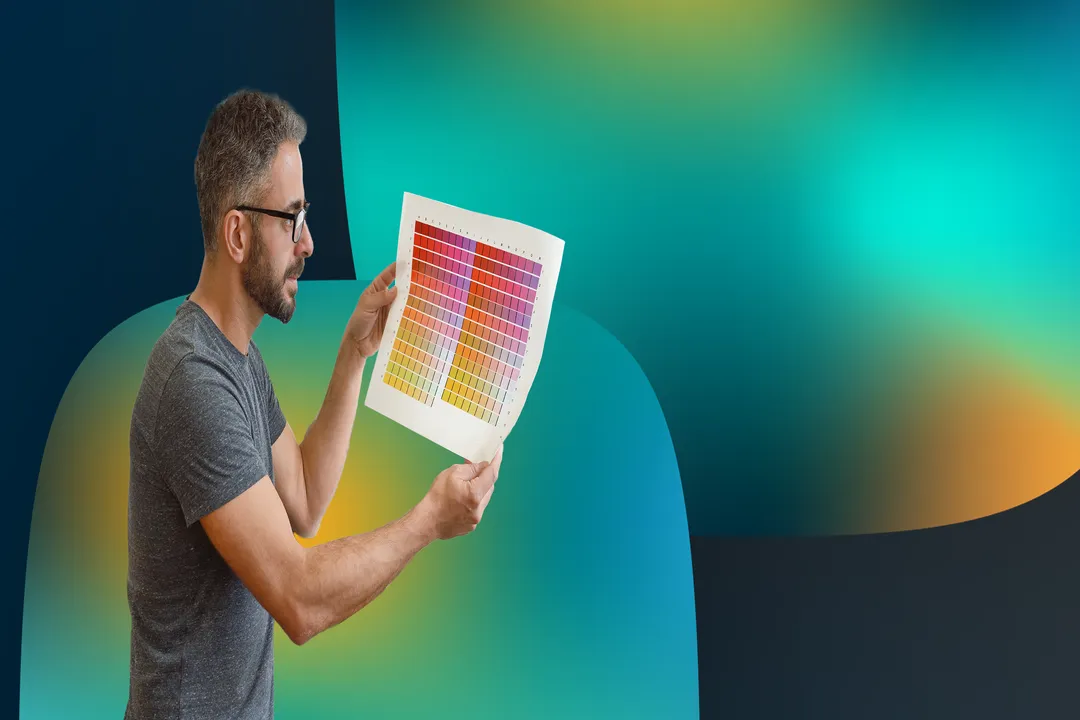
At the heart of many creative media jobs are roles centered on visual communication. These positions require a sharp eye for aesthetics, composition, and conveying a message through imagery. [6]
Graphic designers are archetypal creatives in the media sphere, responsible for conceptualizing and creating visual assets that communicate specific ideas or brand identities. [7] This might involve everything from designing print advertisements to crafting social media graphics. [6] Similarly, roles involving photography and videography demand creative direction in framing, lighting, and subject matter to capture the desired emotional impact or information. [3]
Film and video editors occupy a space where creativity is fundamentally tied to structure and pacing. They take raw footage and weave it into a coherent, engaging story or informative piece. [6] Their creativity lies in deciding what stays and what goes, and how rapidly or slowly the audience consumes the information. This is narrative construction executed through the manipulation of time and sight. [3]
When you look at general lists of careers suited for creative people, these visual roles consistently appear, often ranking highly in satisfaction or projected growth, especially when they merge with digital needs. [1][4]
# Content Crafting
Beyond the visual, media careers heavily rely on the creativity involved in language and information packaging. This is where writers, storytellers, and communicators do their essential work. [7]
Copywriters and content creators are tasked with developing written material that is not only grammatically sound but also persuasive or engaging enough to capture attention in a crowded information space. [4][8] The creativity here is in brevity and impact; transforming complex product benefits into short, compelling taglines or articles. [7] Technical writers, while seemingly more procedural, must employ creativity to simplify complicated processes, making the user experience intuitive through clear documentation. [4]
In the realm of brand building, the Creative Director often oversees the entire message, ensuring consistency across all creative outputs, from a television spot down to a website button color. [5][7] They combine visual strategy with narrative direction to build an authoritative voice. [8]
One area where creativity manifests differently across media types is in the nature of the problem being solved. For instance, a traditional magazine editor shapes a final, static product, applying creative judgment retrospectively to existing content. Conversely, a digital content strategist is often designing for a perpetually evolving platform, meaning their creativity must be prospective, anticipating user flows and iterative updates to a live environment. [3] This distinction between shaping what is and designing what will be can heavily influence job satisfaction and required skill sets. [3]

# Digital Interface
The modern media landscape is dominated by digital interaction, meaning creativity focused on user experience and interface design has become indispensable. [1][6] These roles require a unique blend of empathy, design intuition, and logical structuring.
User Experience (UX) Designers are fundamentally creative problem-solvers. Their goal is to design digital pathways—websites, apps, software—that feel natural and effortless to the end-user. [6] This involves mapping out user journeys, often through storyboarding or wireframing, processes that are inherently creative storytelling exercises applied to functionality. [1]
The User Interface (UI) Designer then takes those functional blueprints and applies the visual layer, ensuring the aesthetics align with the brand while maintaining clarity and accessibility. [6] This blends the skills of a traditional graphic designer with an understanding of digital constraints and interactivity.
These digital media roles are often cited in rankings for having strong job outlooks, as nearly every business requires a functional, aesthetically pleasing digital presence. [1] A successful digital product is a testament to creative synergy between visual appeal and functional logic.
# Marketing Demand
The arena of creative marketing consistently shows high demand, as businesses constantly seek novel ways to connect with consumers. [8] This field requires creativity to be both compelling and measurable.
Creative marketing jobs encompass advertising, campaign development, and digital outreach. [8] Success here depends on generating novel approaches that break through the massive volume of content consumers encounter daily. [1][8] Art Directors in advertising, for example, must constantly innovate visual concepts for campaigns, working closely with copywriters to ensure the combined message is memorable. [5]
Robert Half data suggests that some of the highest compensation within the creative sector is often found in roles that manage creative output, such as Senior Art Directors or Creative Directors, especially within marketing agencies or in-house corporate strategy teams. [5] This often means the creativity required evolves from pure execution to strategic oversight and team leadership. [7]
If you are looking to enter this specialized area, observe how different companies approach similar problems. For instance, analyze two competing brands' recent social media campaigns: one might succeed through humorous, short-form video creativity, while the other succeeds through detailed, narrative infographic creativity. [8] Identifying which style aligns with your innate creative strengths is important for long-term success. [7]

# Career Pathways
For those assessing career viability, it is useful to compare the general recommendations for creative people with specific rankings for media roles. [1][4] While careers like Fine Artist or Photographer are inherently creative, roles like Web Developer or Technical Writer, which require specialized technical skills alongside creative input, frequently appear in lists of best jobs due to higher stability or growth projections. [1]
For young professionals seeking entry, the key often lies in demonstrating applied skill immediately. [7] This means that while a traditional degree provides a foundation, the strength of your portfolio is the ultimate currency. [2][7] A great tip for visual creatives, such as those aspiring to be graphic designers or UI specialists, is to treat your portfolio presentation as the single most important piece of media you produce. [9] Utilizing dedicated platforms like Behance to host your work makes your best output immediately accessible to recruiters specifically seeking creative talent. [9]
Furthermore, recognize that creativity is not limited to the output but also the process of finding work. Engaging with professional networks and understanding the subtle requirements listed in specialized job postings—which often favor specific software proficiency over generic titles—is itself a creative act of career navigation. [2] You must creatively tailor your existing skills to match the explicit needs of the industry you are targeting.
# Skill Development
To thrive in these creative media jobs, continuous learning in tools and theory is necessary. [3] The industry shifts quickly, demanding adaptability.
A professional in this space must constantly update their proficiency in industry-standard tools. For a motion graphics artist, this might mean mastering the latest updates in animation software; for a UX designer, it means becoming fluent in new prototyping tools. [6] The creativity is expressed through the toolset available. Therefore, mastering the technical underpinnings is not secondary to the creative vision; it is the essential conduit for that vision to become realized media. [1]
In summary, creative media jobs span visual design, narrative construction, digital interaction, and persuasive marketing. Success depends on channeling one's innate creative drive through the specific technical and conceptual demands of the chosen media format, ensuring that the final product not only looks or sounds good but effectively solves the communication challenge it was designed to address. [4][5]
Related Questions
#Citations
Best Creative and Media Jobs of 2025 - U.S. News Careers
what career do you have that actually allows you to be happy? - Reddit
Career in Creative Arts & Media | Explore Roles, Skills & Work ...
12 Interesting Jobs for Creative People (With Salaries) | Indeed.com
10 Higher-Paying Marketing and Creative Jobs in 2026 - Robert Half
9 Stable Jobs for Creatives to Consider - USC Online
14 Creative Careers For Young Professionals | BestCompaniesAZ
Top Creative & Marketing Jobs in Demand 2025 | Market Trends
Find Creative Jobs :: Behance