What Careers Are Available in the Energy Industry?
The energy industry is undergoing a major transformation, shifting its foundations while simultaneously relying on established infrastructure to keep the world powered. This environment, characterized by global energy transitions, technological innovation, and critical infrastructure needs, translates directly into a vast landscape of career possibilities spanning nearly every skill set imaginable. Careers in this sector relate to the fundamental processes of extracting or harnessing power from various sources, refining that energy, and ensuring its safe and efficient distribution to both business and home consumers. [5] The breadth of opportunities means that whether your background is in engineering, geology, computer science, communication, or finance, there is a pathway to making a meaningful impact. [7][8]
# Sector Scope

The energy ecosystem is traditionally divided into sources that are non-renewable and those that are increasingly adopting renewable and clean technologies. [5] Non-renewable sources, including oil and natural gas, coal, and nuclear power, still account for a significant portion of current energy production, with oil and natural gas making up nearly 60% of that total. [5] Job sites in the oil and gas sector can be found offshore, but a significant concentration of jobs exists in western states such as Texas, Colorado, Utah, and North Dakota. [5]
In parallel, the drive toward decarbonization means that the clean energy market is experiencing rapid growth. [5][7] The industry is actively working to expand renewables, transform conventional power sources, strengthen electrical grids, and secure supply chains. [7] Experts project a significant shift, estimating that renewable energy could grow to constitute as much as 80% of total energy production by 2050. [5] This momentum is creating massive employment growth; as of recent reports, there were 3.5 million clean energy jobs in the U.S., with 150,000 new jobs created in the preceding year alone. [5] In total, the broader energy sector is responsible for 8.4 million U.S. jobs. [5] Considering a single job board source, over 27,000 available job posts were recently visible, demonstrating high current demand across various specializations. [1]
# Core Occupations
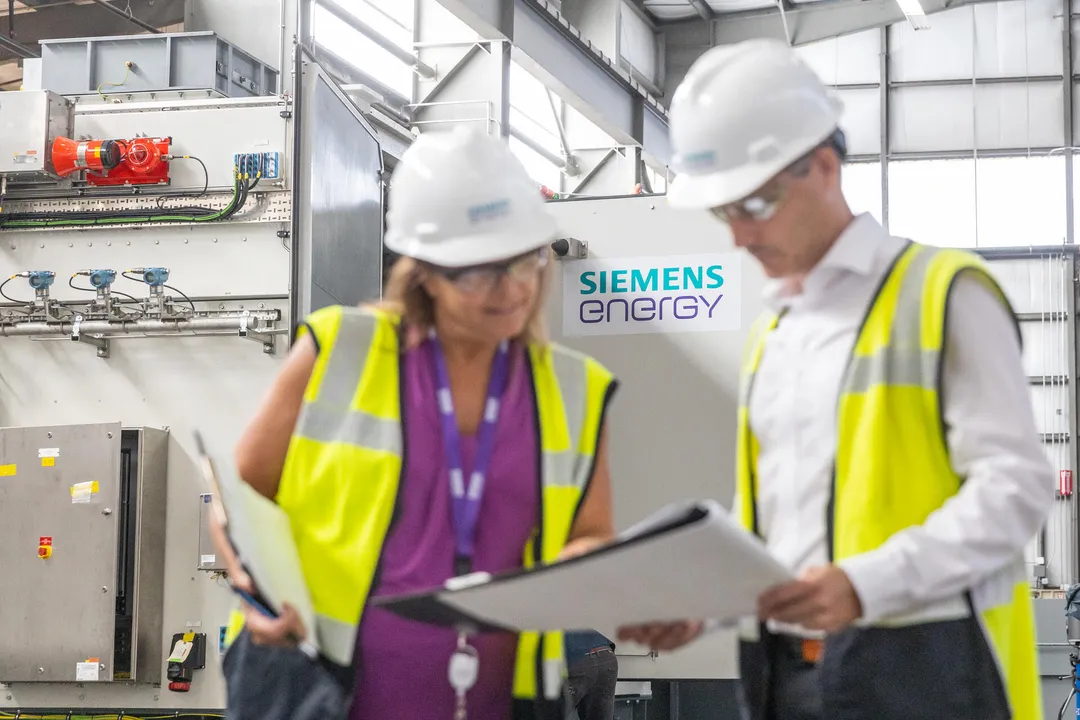
The technical spine of the energy industry remains heavily reliant on specialized engineering and skilled trades. These roles are responsible for the physical assets—from extraction to generation and transmission. [4]
# Engineering Focus
Engineering positions are central, with compensation often reflecting the complexity and the revenue impact of the assets managed. Petroleum engineers, particularly at the senior level, command high salaries because they solve complex extraction challenges that can affect billions in revenue. Similarly, Nuclear Engineers require specialized knowledge of nuclear systems and safety protocols, creating a talent pool that is both scarce and in high demand. Beyond traditional extraction and power generation, the growth in new technologies fuels demand for specialized engineers, such as those focusing on Geothermal Energy, where niche expertise in geothermal systems can lead to strong compensation.
The renewable side also demands engineering rigor:
- Wind Farm Site Managers oversee operations, coordinate maintenance, and ensure safety compliance at utility-scale wind installations.
- Solar Project Managers coordinate the complex engineering and construction teams required to bring solar farms online, managing budgets and regulatory hurdles.
- For those with advanced scientific backgrounds, roles like Nuclear Physicist represent the pinnacle of energy research, studying atomic nuclei and developing future methods like fusion power, commanding some of the highest reported salaries in the sector.
# Skilled Trades & Technicians
The industry requires a substantial workforce focused on installation, maintenance, and operation, often with pathways that do not strictly require a four-year degree. [4] Roles like Electrical Linemen (or Electrical Power-line Installers and Repairers) are vital for the safe distribution of electricity, requiring continuous, specialized training, including high-risk procedures like "live line" training where wires remain energized. [5][8]
The growth in renewables directly impacts technician demand:
- Wind Turbine Service Technicians are expected to see job growth much faster than average through 2030, offering strong earning potential, sometimes reaching 100K+ with the right training and experience. They are responsible for installing, maintaining, and troubleshooting turbine mechanics and electrical systems. [4]
- Solar Photovoltaic Installers are also projected to double in the next decade, indicating a massive need for on-the-ground installation expertise. [5]
Other essential technical roles include Industrial Machinery Mechanics and Power Plant Operators, who need extensive licensing and on-the-job learning to manage critical infrastructure 24/7. [4][8]
# Management Roles
As projects become larger and the industry becomes more complex—involving policy, finance, and sustainability goals—the need for skilled managers who can bridge technical output with business strategy has intensified. [6][5]
# Operational Leadership
Positions like Power Plant Manager command high salaries because these professionals oversee multi-billion dollar facilities that demand constant safe and efficient operation. They manage large teams, coordinate maintenance, and ensure regulatory compliance across power generation assets.
In the context of the energy transition, management roles are evolving:
- Energy Project Managers are essential for leading the development of new infrastructure, such as wind parks or grid modernization efforts. Success in these roles requires strong technical knowledge coupled with the ability to manage budgets, coordinate teams, and ensure all regulatory boxes are checked. [5]
- Sustainability Program Managers oversee multiple related projects to meet long-term environmental goals. These roles focus on defining strategy, managing interdependencies between initiatives (like carbon reduction or energy efficiency), and aligning outcomes with overall business objectives. [5]
# Business and Strategy
The modern energy sector requires professionals who understand finance and market dynamics as much as they understand turbines or pipelines. [5] Energy Trading Managers can see very high compensation because successful trading strategies directly impact profit margins, requiring deep knowledge of global markets and risk management. Furthermore, the digitization of the grid and operations has made Information Systems Managers indispensable, as they secure and maintain the complex computer networks critical to energy operations.
A key consideration for those advancing to these roles, regardless of their origin in the sector, is the need to master the environment surrounding the technology. One cannot effectively guide sustainable energy initiatives without a solid grasp of economics, policy, regulation, and finance. [5] This is where professionals with a background in technical fields can transition their expertise into high-level strategy by understanding these non-technical drivers. [5]
# High Pay
The energy sector is noted for offering some of the most lucrative career paths across industries, with compensation driven by specialized skill requirements, risk, and the critical nature of the infrastructure being managed. While the average annual pay across all roles hovers around $110,000, specialized positions far exceed this.
The highest earners are often found in roles that demand unique expertise or involve significant operational risk:
- Nuclear Physicists and Senior Petroleum Engineers frequently top salary lists.
- For those willing to work internationally or offshore, the compensation premiums are substantial; for instance, Drilling Supervisors in international markets can see daily rates equivalent to over $400,000 annually, reflecting the high-stakes nature of those operations.
It is interesting to compare compensation structures across the industry. While traditional sectors like oil and gas have shown consistent salary growth, the rapid expansion in renewables means that salaries in clean energy are quickly approaching parity, with some emerging roles like Biofuels Product Development Manager commanding premium pay due to specialized R&D needs. Furthermore, the data suggests that contract energy roles frequently offer 50% to 100% more than their permanent counterparts due to the project-based demands and the need for immediate, specialized skill deployment.

# Future Skills
The energy industry is in constant motion, meaning that while foundational technical skills remain relevant, the greatest earning potential is increasingly found at the intersection of established disciplines and emerging technologies.
Core competencies like strong mathematical ability, mechanical aptitude, and critical thinking remain foundational requirements for many roles, from maintenance to project construction. [5] However, two areas are particularly driving future earning premiums: digital fluency and regulatory expertise.
The industry’s digital transformation is creating new high-paying categories for those who can combine energy knowledge with advanced technology. Expertise in AI, machine learning, data analytics, and IoT is rapidly becoming essential, even in traditionally mechanical fields. Professionals who can bridge these digital skills with domain knowledge—for example, an engineer capable of implementing advanced analytics to optimize a power plant’s performance—command the highest packages.
Another area commanding a premium is safety expertise. Given the inherent risks involved in energy operations, professionals with advanced process safety management certifications, risk assessment skills, and deep OSHA compliance knowledge are highly valued across all energy types, including nuclear and fossil fuels.
It warrants a moment to consider the value proposition of cross-disciplinary knowledge in an evolving market. While a strong engineering degree provides a clear path to high salaries, the professional who pairs that engineering background with demonstrable expertise in energy policy or finance is uniquely positioned for leadership in the sustainable sector. [5] For example, a Policy Analyst focused on sustainability must possess strong analytical skills and sector knowledge to effectively shape strategies for efficiency and adoption, making their value higher than a purely technical expert operating in a silo. [5] This ability to navigate complex governance, economics, and technology simultaneously is what separates top-tier candidates in the modern energy transition. [5]
# Career Outlook
The outlook for careers in the energy industry is one of sustained demand, driven by the world's continuous need for power and the enormous capital investment required for the global low-carbon transition. [5] The industry is not just stable; it is growing in specialized areas.
For those interested in entering the field, there are multiple viable entry points. Traditional academic routes through engineering disciplines still provide the most direct path to senior, high-six-figure roles. However, the demand for technicians and tradespeople is high, often offering solid compensation without a traditional four-year degree, provided the individual is willing to commit to industry-specific training and licensing. [4][5] For example, the expected growth in wind and solar means that roles like Wind Turbine Service Technician offer excellent initial earning potential.
One actionable strategy for maximizing earnings involves geographic awareness. Professionals willing to relocate to areas where industry concentration is highest—such as Texas for oil and gas, or certain regions experiencing major utility build-outs—often see compensation premiums that exceed the national average, effectively boosting their purchasing power beyond just the salary figure. Furthermore, being open to international assignments, especially in regions undergoing significant energy development, frequently opens the door to contracts that offer substantial financial premiums and allowances over domestic positions.
Ultimately, the energy sector rewards those who are adaptable. Whether one is working to maintain legacy infrastructure or developing the next generation of grid storage, continuous professional development—be it through certifications, advanced degrees, or cross-functional project experience—will be the determining factor for long-term success and maximizing lifetime earnings within this essential global industry. [7]
Related Questions
#Citations
Map a Career in Energy
Energy career cluster | Explore Careers - CareerOneStop
Get Into Energy Jobs
Careers in Sustainable Energy - Johns Hopkins University
Working at Siemens Energy: Careers & Job Opportunities
Careers in Energy - North Dakota Studies
Jobs in the Energy industry - Energy JobSearch
The 15 Best Paying Jobs in Energy: Your Complete Salary Guide for ...