What Careers Are Available in Healthcare?

The landscape of healthcare employment is vast, encompassing far more than just the physicians and nurses seen in dramatic television portrayals. From highly technical diagnostic specialists to the administrative staff ensuring billing accuracy, the field offers a diverse array of roles catering to nearly every educational background and interest level. [2][4][8] Understanding the breadth of opportunities requires looking past the obvious clinical roles and appreciating the complex infrastructure supporting modern medicine. [1][9]
# Direct Care

Careers directly involved in patient treatment and recovery form the backbone of the industry. This category includes physicians and surgeons, who require extensive education, often concluding with residencies, to diagnose illnesses and treat injuries. [1] Medical assistants and physician assistants work closely with doctors, often providing routine care, taking medical histories, and sometimes even performing minor procedures, depending on state regulations and supervision levels. [4][8]
Within the nursing field, there is significant variation in responsibility and required training. Registered Nurses (RNs) typically need an Associate’s or Bachelor’s degree and are responsible for assessing patients, administering medications, and developing care plans. [1][4] Licensed Practical Nurses (LPNs) or Licensed Vocational Nurses (LVNs) often have shorter training paths and work under the direction of RNs or physicians, focusing on essential bedside care. [8] At the entry level, Certified Nursing Assistants (CNAs) provide crucial daily support, assisting with hygiene, mobility, and feeding. [7] It is interesting to note the educational trade-off here: while an RN path might require a Bachelor of Science in Nursing (BSN) for higher-level management or specialized clinical roles, an aspiring imaging technician might achieve immediate career entry with an Associate's degree in their specific technical field, offering a quicker route to a good income, though perhaps with a different long-term ceiling for clinical autonomy. [4]
# Allied Health
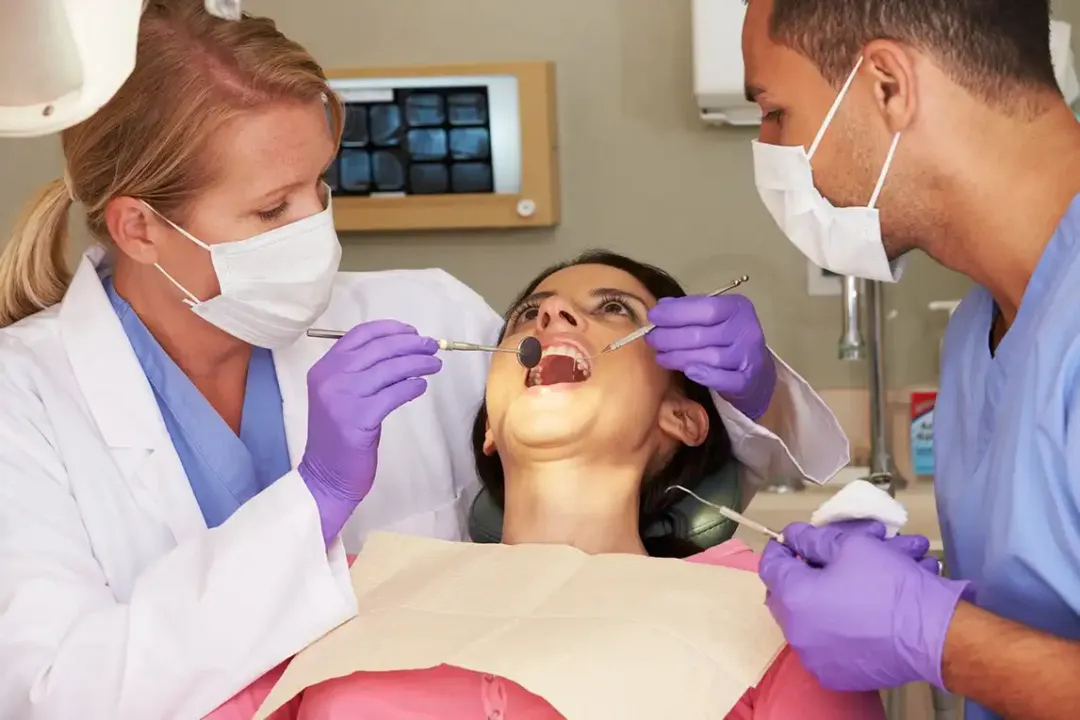
The term Allied Health Professions describes a wide range of professionals who are essential to diagnosis, treatment, and rehabilitation but are distinct from physicians and nurses. [8] This area often requires specialized certification or an Associate's degree. [8]
# Therapy Roles
Rehabilitation is heavily reliant on specialized therapists. Physical Therapists (PTs) help patients regain movement and manage pain after injury or illness, often requiring a Doctor of Physical Therapy (DPT) degree. [1] Occupational Therapists (OTs) concentrate on helping individuals adapt their daily activities to improve their ability to perform everyday tasks. [1][8] Speech-Language Pathologists work on communication and swallowing disorders. [1] These roles demand deep expertise in human biomechanics and psychology, often necessitating advanced graduate degrees. [4]
# Diagnostics
These are the professionals who interpret the hidden data of the body. Radiologic Technologists operate imaging equipment like X-ray, MRI, or CT scanners to create diagnostic images. [1][4] Medical Laboratory Scientists analyze blood, tissue, and fluid samples to identify diseases or conditions, a highly technical role requiring meticulous attention to detail. [8] In many smaller healthcare settings, the administrative staff often needs to manage basic insurance pre-authorizations alongside patient check-in, blurring traditional lines of responsibility in a way that formal training curricula sometimes lag behind the practical, daily needs of a small clinic. [6]

# Medical Technicians

Often overlapping with allied health, technicians usually focus on operating specific equipment or performing defined laboratory procedures, often following rigorous protocols. [8]
- Phlebotomists: Draw blood for testing. [8]
- Cardiovascular Technologists: Assist with invasive and non-invasive heart procedures. [1]
- Dialysis Technicians: Operate the machines that filter blood for patients with kidney failure. [8]
The required training for these roles is frequently shorter than for licensed therapists, often requiring postsecondary nondegree awards or associate degrees, making them accessible entry points for those focused on technical skill mastery. [1][4]
# Support Services

No healthcare facility can function without a strong administrative and logistical foundation. These roles ensure that patient care is documented, paid for, and properly managed. [9]
# Administration
Medical and Health Services Managers oversee the business operations of clinics, departments, or entire facilities, demanding a background in both health administration and business principles. [1] Medical Secretaries and Admitting Clerks manage scheduling, filing, and communication flow. [8]
# Health Information
Medical Records and Health Information Technicians are crucial for maintaining the confidentiality and organization of patient data, a duty that has become increasingly complex with the transition to electronic health records (EHRs). [1][9] They ensure compliance with strict privacy regulations like HIPAA. [8]
# Pharmacy Support
While Pharmacists require doctoral degrees (PharmD) to dispense medication and consult on drug interactions, Pharmacy Technicians assist them by counting, packaging, labeling, and managing inventory under direct supervision. [1][8]

# Specialized and Emerging Fields
The healthcare sector is dynamic, requiring experts in non-clinical areas as well as niche patient populations.
# Public Health and Research
Careers in public health focus on population-level wellness, disease prevention, and health education rather than individual treatment. [6] Epidemiologists study disease patterns in populations, while Health Educators create programs to encourage healthier lifestyles. [1] These roles often look for Master of Public Health (MPH) degrees. [4]
# Specialized Settings
Some career paths are defined by where the work occurs. For example, the Air Force actively recruits for numerous healthcare roles, including medical assistants, nurses, and various technicians, often providing on-the-job training or accelerated educational paths for service members while delivering care within a structured military environment. [5] Similarly, roles within specialized care settings, such as hospice or home health, require professionals adept at providing sensitive, continuous care outside of traditional hospital walls. [3][7]
When comparing career paths listed by state-specific resources (like those in Florida) versus national outlooks (like the Bureau of Labor Statistics), there is often a difference in emphasis. State data might highlight immediate local needs for Certified Nursing Assistants or Medical Coders due to regional demographics, whereas national data often projects growth rates for higher-education roles like Nurse Anesthetists or Physical Therapists. [1][6]
# Educational Prerequisites and Growth
The entry barrier for healthcare careers varies dramatically, which affects career planning.
| Career Level | Example Roles | Typical Entry Requirement |
|---|---|---|
| Entry Support | CNA, Phlebotomist | Short-term training/Certificate [8] |
| Technician | Radiologic Tech, Pharmacy Tech | Associate's Degree [1][4] |
| Professional | Registered Nurse, PT | Associate's or Bachelor's Degree [4] |
| Advanced Practice | Nurse Practitioner, Physician | Master's or Doctoral Degree [1] |
For those entering the field immediately after high school, roles like Medical Assistants or Dental Assistants offer a relatively fast transition into clinical settings with focused training programs. [4][8] However, advancement into roles with greater autonomy, such as becoming a Nurse Practitioner or a specialized diagnostic expert, almost always requires subsequent graduate-level education. [1][4] Considering the long-term investment, students should map out not just the first job, but the necessary subsequent certifications needed to progress toward their desired clinical endpoint. [2]
Ultimately, the healthcare field is built on specialization, yet requires immense coordination. Whether one is charting patient vitals, sterilizing surgical tools, managing insurance claims, or performing complex surgery, every position contributes to the central mission of improving or maintaining health outcomes. [9]
Related Questions
#Citations
Healthcare Occupations - Bureau of Labor Statistics
Top 25 Healthcare Careers in 2026 [+ Salary & Career Growth]
Search Jobs and Careers in Healthcare with University Health
Healthcare Career Path Guide | Ultimate Medical Academy
Healthcare Careers - U.S. Air Force
Post College Healthcare Careers | Your Florida Career - FloridaShines
Baptist Careers
Medical Job Types and Roles With Descriptions | Indeed.com
Allied Health Professionals Careers | Explore a Range of Healthcare ...