What Careers Are Available in Transportation?
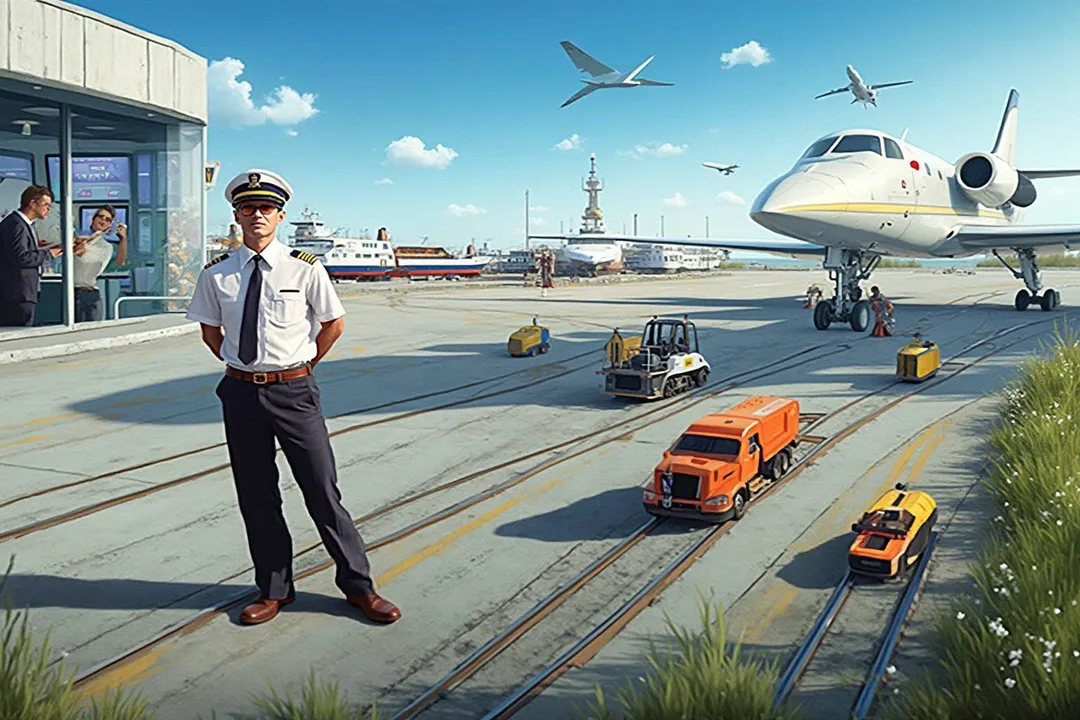
The world relies on the constant, coordinated movement of people and goods, making the transportation sector one of the most fundamental areas of employment. Whether you envision yourself in the cockpit of an aircraft, behind the wheel of a heavy truck, managing complex supply chains from a desk, or building the roads and bridges that make transit possible, careers in this field are abundant and diverse. [1][5] The Transportation, Distribution, and Logistics (TDL) cluster encompasses a vast range of occupations that keep economies functioning and connect communities. [6]
# Sector Breadth

Understanding the sheer scope of transportation jobs requires looking beyond just the drivers and pilots. The U.S. Department of Transportation highlights that careers exist across engineering, planning, compliance, administration, and safety, often within federal, state, or local government entities. [2] Employment opportunities are frequently categorized into broader sectors, which often include transportation operations (the actual movement), material moving (handling cargo), support services (maintenance and repair), and infrastructure development. [9] The Bureau of Labor Statistics further details roles across the transportation and material moving occupations, covering everything from flight engineers to taxi drivers. [4]
For many, the entry point is operational—the tangible act of moving something or someone from Point A to Point B. However, to sustain that movement, a large backbone of support staff, planners, and technical experts is required. [1]
# Moving People
When people think of transportation careers, moving passengers is often the first image that comes to mind. These jobs range from highly skilled aviation roles to essential ground transportation services. [7]
Commercial pilots, for instance, require extensive training and certification to operate aircraft, a path demanding significant upfront commitment. [1] Similarly, train engineers must master the operation of complex railway systems. [4] On the ground, careers such as flight attendants focus heavily on passenger safety and service within the air travel ecosystem. [7]
However, opportunities also abound in public and private road transport. City and school bus drivers, as well as operators of long-haul tractor-trailers, form the essential network of daily transit. [4] While the core function of driving is similar across these roles, the work environments and necessary licensing differ significantly. For example, securing a role as a local transit operator for a municipal service often means relatively stable, daytime hours and deep community involvement, contrasting sharply with the multi-day routes common for over-the-road commercial freight haulers. [1] This distinction means that whether you prefer fixed routes or dynamic scheduling, there is a passenger-focused driving career available. [3]

# Moving Goods
The movement of freight—from raw materials to consumer goods—is heavily supported by the logistics side of the industry, which is deeply intertwined with transportation operations. [6]
The most visible roles here are often within trucking. Truck drivers remain one of the largest employment categories within the broader transportation umbrella. [4] Beyond the driver, however, managing the flow of goods requires specialized administrative and technical expertise.
Key logistics positions include:
- Dispatchers: These professionals coordinate the routes, schedules, and movement of vehicles, ensuring efficient use of driver time and fuel. [1][7]
- Logisticians and Supply Chain Managers: These individuals plan and direct the storage and distribution of goods, often using complex software to model scenarios and predict demand. [6]
- Material Moving Occupations: This category covers workers who load, unload, and move materials within warehouses, freight yards, and distribution centers, often operating forklifts or similar equipment. [4][5]
In supply chain management, the focus shifts from the immediate act of driving to optimizing the entire process. A successful logistics manager needs to balance speed, cost, and inventory levels. An interesting dynamic here is the contrast between manual handling roles and planning roles; while material movers focus on the physical accuracy of inventory counts and placements, logisticians look at aggregated data across hundreds of shipments to identify bottlenecks or opportunities for consolidation. [6]
# Infrastructure Support
For any vehicle, aircraft, or vessel to move safely and efficiently, the underlying physical systems must be robust and well-maintained. This brings us to the crucial, yet often less visible, careers focused on transportation infrastructure and maintenance. [9]
Government bodies at all levels invest heavily in creating and sustaining the physical assets required for transport. This translates into high demand for:
- Civil Engineers: Designing highways, railways, ports, and airports. [2]
- Maintenance Workers: Performing repair and upkeep on roads, bridges, and transit vehicles. [4]
- Planners: Determining future transportation needs, assessing traffic flow patterns, and ensuring compliance with safety and environmental standards. [2]
Roles within infrastructure often demand specific technical knowledge, frequently requiring degrees in engineering or specialized trade certifications for skilled labor positions. Working for a state Department of Transportation (DOT) or a municipal public works department places you directly in the business of maintaining the public right-of-way—the very ground that supports commercial and passenger movement. [2]

# Technology Integration
The future of transportation is increasingly digital, which opens up unique career avenues that blend traditional operational knowledge with modern technology skills. [1] The drive for efficiency, safety, and reduced environmental impact relies on sophisticated electronic systems.
Roles that emphasize technology include:
- Telematics Specialists: Managing the GPS and sensor data streaming from fleets to monitor driver behavior, vehicle health, and route adherence. [1]
- Data Analysts: Interpreting large datasets related to traffic congestion, shipping delays, and fuel consumption to refine long-term operational strategy.
- Software Developers: Creating the route optimization algorithms or warehouse management systems that dispatchers and managers rely on daily. [3]
It is worth noting that while entry-level positions in fields like trucking may rely less on high-level coding, the administrative and high-management levels are rapidly demanding digital fluency. An effective mid-level operations supervisor today must not only understand how a truck moves cargo but also how to extract actionable insights from the software tracking that cargo. This blending of physical and digital expertise is becoming a defining characteristic of desirable talent in the sector. [3]
# Entry Paths
The diversity of roles means that educational and experience requirements vary widely. For hands-on, operational careers, the focus is often on licensing and practical experience. [1] Obtaining a Commercial Driver's License (CDL) is the gateway to many crucial freight and bus driving jobs. [7] Similarly, aircraft maintenance technicians require specialized technical schooling and FAA certification. [4]
For planning, engineering, and management positions, higher education is usually the expected prerequisite. A bachelor's degree in logistics, supply chain management, or civil engineering provides the necessary theoretical foundation to tackle complex, large-scale problems. [3][6] Many government positions specifically list these degrees as minimum requirements for career-track employment. [2]
For students just beginning to investigate this field, exploring internships within logistics firms or shadowing local public works crews can provide invaluable experience that clarifies which specific niche—from mechanics to management—best suits their aptitudes. [1] The sector is always absorbing new talent, making continuous skill acquisition, whether through formal schooling or on-the-job credentialing, key to long-term success.
Related Questions
#Citations
9 Careers in Transportation To Explore | Indeed.com
Careers | US Department of Transportation
Top 10 transportation industry jobs and who's hiring | Handshake
Transportation and Material Moving Occupations
Careers in Transportation, Distribution, & Logistics
Transportation, distribution, and logistics career cluster
10 Careers in Transportation You Should Consider - Techneeds
Find Transportation & Logistics Careers, No… - SkillUp Coalition
5 Most Common Sectors of Transportation Job - M&W Logistics