What Careers Are Available in Agriculture?

The world of agriculture extends far beyond the image of a farmer working a traditional field; it encompasses a vast network of specialized careers touching science, business, technology, and public service. The modern Agriculture, Food, and Natural Resources Career Cluster, for instance, is broken down into several distinct pathways, including production, processing, distribution, environmental service, horticulture, and agriscience. This breadth means that individuals with backgrounds ranging from biology and engineering to marketing and journalism can find meaningful work supporting the system that feeds and clothes the world.
# Business Side
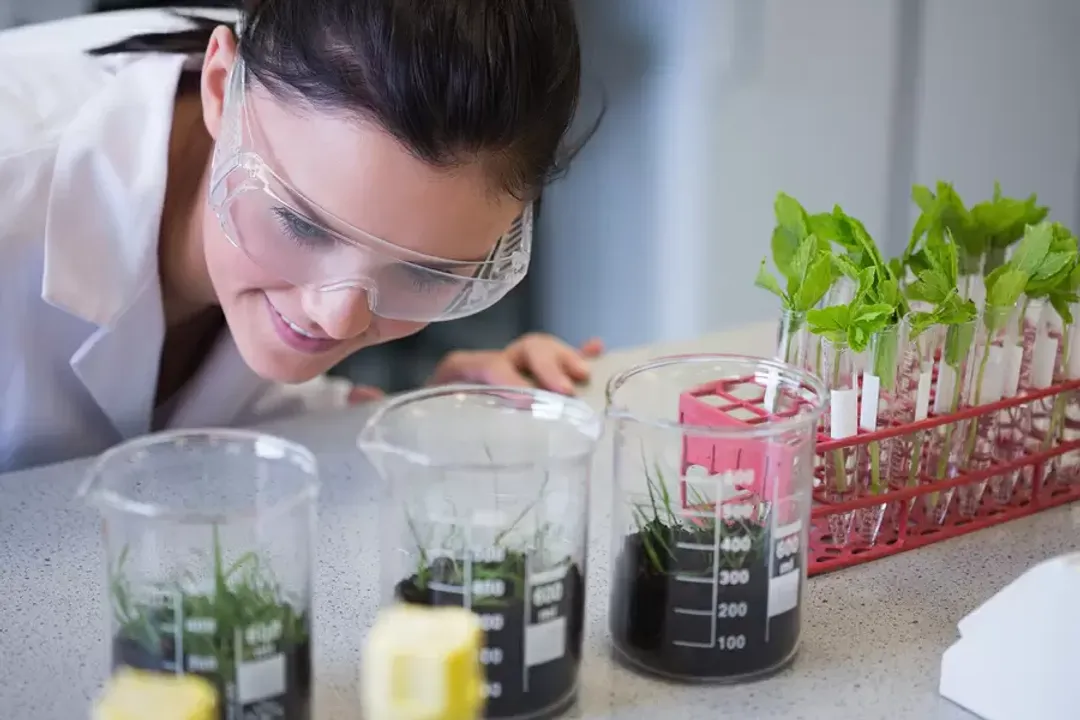
One of the most expansive areas within this cluster is Agribusiness. This category covers the essential commercial operations that keep the supply chain moving, often requiring a strong foundation in economics, finance, and marketing.
Careers here include:
- Agribusiness Management: Overseeing the operational and financial health of farms, food processors, or agricultural supply companies.
- Sales and Marketing: Professionals market inputs like seeds, fertilizers, or machinery, or sell commodities like grain or meat to domestic and international markets.
- Finance and Lending: Working for banks or credit unions that specialize in agricultural loans, requiring an understanding of commodity risk and farm economics.
Consider that an ag business professional today often needs to understand global supply chain logistics as much as local commodity prices. A manager focused on crop insurance, for instance, must analyze climate modeling data alongside historical yield reports to accurately assess risk for a farm operation. This is a role that bridges pure finance with environmental forecasting.
# Plant Science
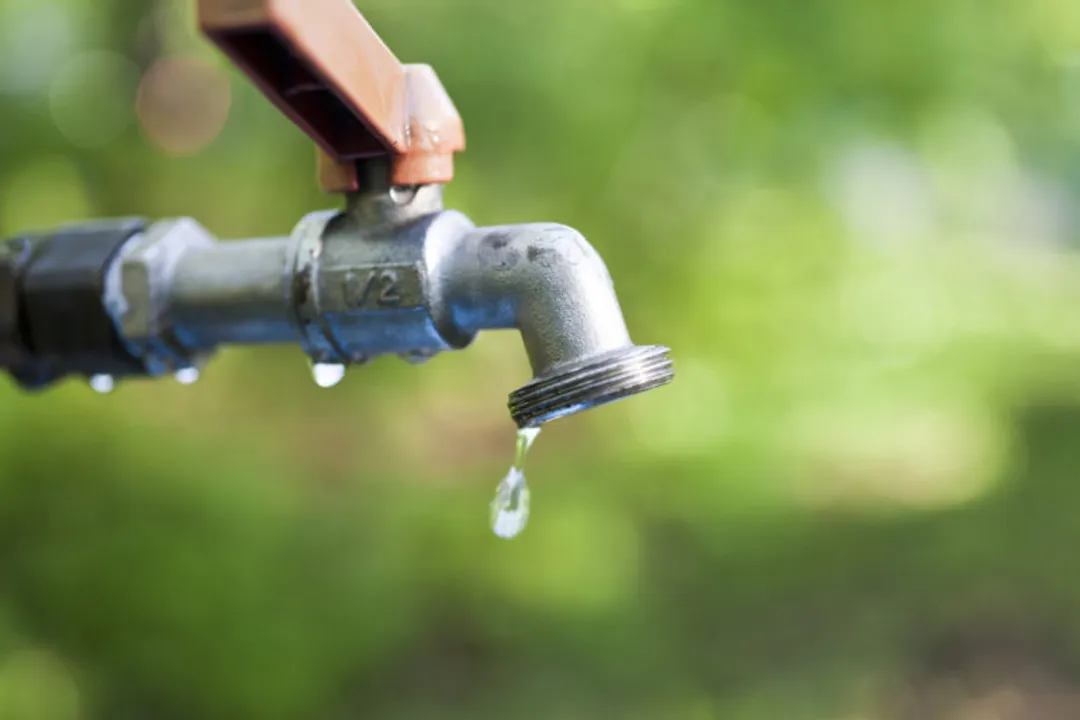
For those drawn to botany and crop production, plant science careers focus on optimizing yield, quality, and sustainability from the ground up. These roles frequently involve research, testing, and on-site consultation.
Key scientific tracks include:
- Agronomy and Crop Science: Specialists in soil fertility, pest management, and maximizing yields for staple crops.
- Horticulture: This focuses specifically on the cultivation of fruits, vegetables, flowers, and ornamental plants, often working in nurseries, greenhouses, or landscaping firms.
- Plant Pathology: Diagnosing and developing solutions for plant diseases, which is critical for preventing widespread crop loss.
Many plant scientists work in research and development for seed companies or independent research institutions, creating the next generation of resilient plant varieties.

# Animal Focus
The animal science pathway addresses everything related to livestock, poultry, aquaculture, and companion animals. While production management is central, the field is highly scientific, often requiring advanced study in biology or veterinary science disciplines.
Specific roles within animal science include:
- Animal Nutritionists: Developing precise feed formulations to optimize animal health, growth rates, and efficiency.
- Genetics and Breeding: Working to improve herd or flock quality through selective breeding programs.
- Animal Health and Welfare Specialists: Ensuring regulatory compliance and ethical treatment standards across large-scale operations.
Even roles that seem purely production-focused, such as a dairy farm manager, now integrate complex data from milk quality sensors and automated feeding systems, blending traditional animal husbandry with data analysis.
# Engineering Mechanics
The intersection of agriculture and engineering is vital for modernizing production, making processes more efficient, safer, and less labor-intensive. This often falls under Agricultural Engineering or Agricultural Mechanics.
These professionals are responsible for:
- Precision Agriculture Systems: Designing and implementing GPS-guided equipment, variable-rate fertilizer applicators, and drone monitoring systems.
- Irrigation and Water Management: Developing efficient water delivery systems to conserve resources while meeting crop needs.
- Machinery Design: Creating or modifying tractors, harvesters, and other farm implements for specific environmental or crop demands.
# Information Education
Knowledge transfer is a constant requirement in agriculture, leading to numerous careers in education, communications, and public outreach. These roles ensure that research findings reach the producers who need them and that the public understands agricultural practices.
Examples of these positions include:
- Agricultural Education Teachers: Instructing students in high school or post-secondary settings on agricultural sciences and practices.
- Extension Agents: University-affiliated professionals who work directly with local farmers, providing research-based advice and running local outreach programs.
- Ag Communications and Journalism: Creating educational materials, managing public relations for agricultural firms, or reporting on industry news.
# Public Service Policy
For those interested in large-scale impact, regulation, and national food security, government careers offer a distinct path. Agencies like the United States Department of Agriculture (USDA) employ thousands across the country in diverse capacities.
USDA careers, for instance, can range from policy analysis and international trade negotiations to scientific research in federal labs and inspection services safeguarding the food supply. Furthermore, careers in agricultural law or public policy focus on shaping the regulations that govern land use, commodity subsidies, and environmental protection related to farming.

# Environmental Natural Resources
As environmental stewardship becomes increasingly important, careers linking agriculture directly to natural resource management have gained prominence. This often overlaps with environmental science careers, focusing on sustainability within production systems.
These roles include:
- Conservation Specialists: Working with landowners to implement best management practices for soil health, water quality, and wildlife habitat.
- Forestry Management: Overseeing sustainable harvesting, reforestation, and the health of forest resources, which are often intertwined with agricultural landscapes.
- Sustainability Coordinators: Developing and implementing corporate or farm-level strategies to reduce the environmental footprint of food production.
# The Tech Data Nexus
Perhaps the most rapidly evolving sector involves the integration of data science and advanced technology into traditional agricultural methods. This area requires professionals who are adept at handling large datasets generated by modern farming equipment.
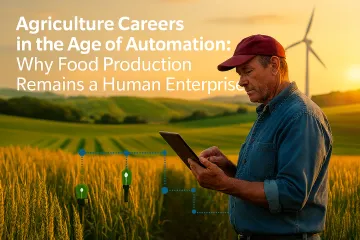
While many sources list Ag Tech, the actionable advice for someone entering the field is recognizing the need for cross-disciplinary skills. A career in soil mapping via drone imagery requires proficiency in GIS software and a foundational understanding of soil science principles—a biologist who can code, or a programmer who understands nutrient cycling, holds significant advantage in the current market. Roles here often involve data scientists, remote sensing specialists, and robotics programmers who are focused specifically on making inputs like water and fertilizer more precise, thereby increasing efficiency and reducing waste.
# Career Paths Summary
The variety of opportunities means that the educational route is rarely singular. While a degree in agronomy or animal science opens doors to production research, an MBA with a focus on supply chain management can lead directly to high-level positions in commodity trading or food distribution. Many paths require specialized certificates or advanced degrees, particularly in regulatory or pure research roles.
| Career Cluster | Example Job Title | Primary Focus | Source Cite |
|---|---|---|---|
| Ag Business | Marketing Specialist | Sales, economics, supply chain | |
| Plant Science | Agronomist | Soil health, crop yield, pest control | |
| Animal Science | Nutritionist | Feed formulation, animal health | |
| Engineering | Precision Ag Technician | GPS systems, machinery integration | |
| Government | Food Safety Inspector | Regulation, public health | |
| Natural Resources | Conservation Planner | Land use, environmental impact |
Whether one seeks a hands-on role in advanced greenhouse operations or a desk job analyzing global trade agreements affecting grain exports, the agricultural sector of today demands specialized skills across almost every academic discipline. The industry's need for technical innovation and sustainable practices ensures a demand for new talent well into the future.
#Videos
Careers in Agriculture - From the Classroom to the Crop Field
Related Questions
#Citations
12 Careers in Agriculture To Explore (With Salaries) | Indeed.com
Careers in Agriculture - The Georgia AG Experience
Career Profiles | Careers in Agriculture and Food - AgCareers.com
Careers in agriculture - Reddit
Top 5 Careers in Agriculture in 2025
Agriculture, Food & Natural Resources career cluster - CareerOneStop
Careers - USDA
Careers in Agriculture - From the Classroom to the Crop Field
Agriculture & Forestry Careers | Jobs, Salary, Degrees