How Do You Start a Career in Healthcare?

Entering the healthcare field is a compelling choice, given the consistent demand for skilled professionals across numerous specialties. [1][3] Whether your interest lies in direct patient interaction, laboratory work, or behind-the-scenes administration, there is a clear pathway for almost every aptitude and time commitment. [5][7] The challenge often isn't finding an opening, but rather discerning which of the many entry points is the right first step for your personal goals. [8]
# Understanding Self

Before diving into applications and course catalogs, spending time on self-assessment provides a strong foundation for career decisions. [6] Healthcare is a broad industry, encompassing roles that are highly technical, deeply personal, emotionally taxing, or primarily organizational. [9] It is helpful to consider what kind of work environment truly suits you. [5] Do you thrive under the high-pressure, immediate demands of emergency care, or would you prefer a more structured, predictable setting?
One crucial element to consider is the level of direct patient contact you desire. [5] Some people are drawn immediately to roles like nursing or physical therapy, where providing hands-on care is central. Others might find their niche in areas like medical coding, health informatics, or as a medical records technician, where the focus is on managing the data and logistics that keep care flowing. [1][9] If you aren't sure, shadowing opportunities or informational interviews can provide invaluable real-world context that a course description simply cannot. [6] A clear picture of your preferred level of interaction will help filter the dozens of potential career tracks. [9]
# Exploring Options

The healthcare sector features career paths ranging from short-term certifications to doctoral-level professions. [7] Understanding the education required is essential for mapping out a realistic timeline. [6] Many resources group careers by their necessary credentials, which is a useful way to visualize the commitment involved. [9]
# Fast Entry
For individuals needing to enter the workforce quickly, several roles offer pathways requiring less than two years of post-secondary education, often achievable through certificate or associate degree programs. [2][10] These "fast pathways" often fill critical staffing needs in areas like patient support and diagnostics. [2] Examples frequently cited include roles such as:
- Certified Nursing Assistant (CNA): Often requiring just a few weeks to a few months of training, CNAs provide fundamental care under the supervision of registered nurses. [2] This is frequently recommended as a practical starting point, as it offers immediate clinical exposure. [4]
- Phlebotomist: Focused on drawing blood for tests, training can often be completed relatively quickly. [2]
- Medical Assistant: These professionals handle both administrative tasks and basic clinical duties, depending on state regulations. [2][7]
These entry-level positions are not just temporary placeholders; they serve as vital stepping stones. [10] Gaining experience as a CNA, for instance, provides firsthand insight into the realities of bedside care, which can strongly inform a later decision to pursue an Associate Degree in Nursing (ADN) or a Bachelor of Science in Nursing (BSN). [2]
# High Demand Roles
Beyond the fastest routes, several occupations currently show significant demand, often aligning with aging populations and technological advancements. [3] While some require minimal training, others necessitate advanced degrees.
| Career Field | Typical Entry Education | Demand Driver |
|---|---|---|
| Registered Nurse (RN) | Associate or Bachelor’s Degree | Direct patient care needs across settings [3][7] |
| Medical and Health Services Manager | Bachelor’s Degree, often Master’s for leadership [3] | Administrative complexity and facility operations [1] |
| Physical Therapist Assistant (PTA) | Associate Degree [3] | Rehabilitation needs and post-acute care [9] |
| Radiologic Technologists | Associate Degree [3] | Reliance on diagnostic imaging technology [7] |
A common thread across many in-demand roles is the need for specific licensure or certification following education. [6] For example, while an Associate Degree prepares you to be an RN, you must pass the NCLEX exam to be licensed. [7]
# The Decision to Accelerate
When comparing the speed of entry, one interesting observation emerges: the perceived difference between a quick job and a good long-term career path. Someone seeking to become a Registered Nurse might see a two-year Associate Degree as fast, but someone coming from a non-healthcare background might view the necessary prerequisites and licensing exams as a significant hurdle. [4] Conversely, a six-month Phlebotomy certificate gets you working in a clinical environment almost immediately. My own analysis suggests that for those unsure about the long-term commitment, aiming for a foundational role (like CNA) first, rather than a mid-level role (like PTA), often yields a better ROI on time. The foundational role proves your aptitude for the environment before you invest two years in a specific associate program that might not fit once you experience the day-to-day reality. [2][4]

# Education Pathways

Once a general area of interest is established, the next step involves formal education and training. [6] The required level of schooling varies dramatically, from short courses to doctoral study. [7]
# Short Programs
As noted, many vital roles require only specialized training programs or certificates. [2] These programs are specifically designed to focus only on the necessary occupational skills, maximizing efficiency. [10] For instance, many diagnostic or administrative support roles are accessible through these shorter paths. [2] You will often find these programs offered through community colleges, technical schools, or specialized vocational institutions. [6]
# Degree Options
For roles with greater responsibility, autonomy, or salary potential, a formal degree is the standard requirement. [7]
- Associate Degrees: These two-year programs, commonly offered by community colleges, are a gateway to many licensed roles, such as Registered Nurse or Radiologic Technologist. [3][7] They provide a blend of general education and focused clinical training.
- Bachelor’s Degrees: A four-year degree is often the entry point for management, public health, or specialized clinical roles. It is also the preferred path for those aiming for graduate study later on. [1] Furthermore, some employers may prefer or require a bachelor's degree for certain non-licensed roles as an indicator of broader critical thinking skills. [6]
It is worth noting the difference in educational philosophy between institutions. Some specialized healthcare colleges focus almost entirely on career preparation, offering accelerated tracks, while large universities blend healthcare training with broader liberal arts requirements. [7][9] Your choice here should align with whether you prioritize deep specialization quickly or a broader academic base.
# Advanced Practice
Many healthcare careers offer a ladder for advancement into roles with increased autonomy, prescribing authority, or diagnostic responsibility. [1] These generally require graduate study beyond a bachelor’s degree, such as a Master of Science in Nursing (MSN) to become an Advanced Practice Registered Nurse (APRN) or a Doctor of Physical Therapy (DPT). [7] While these paths take significantly longer—often four to eight additional years post-undergraduate—they typically correlate with higher earning potential and more independence in practice. [1][3]
# Building Experience
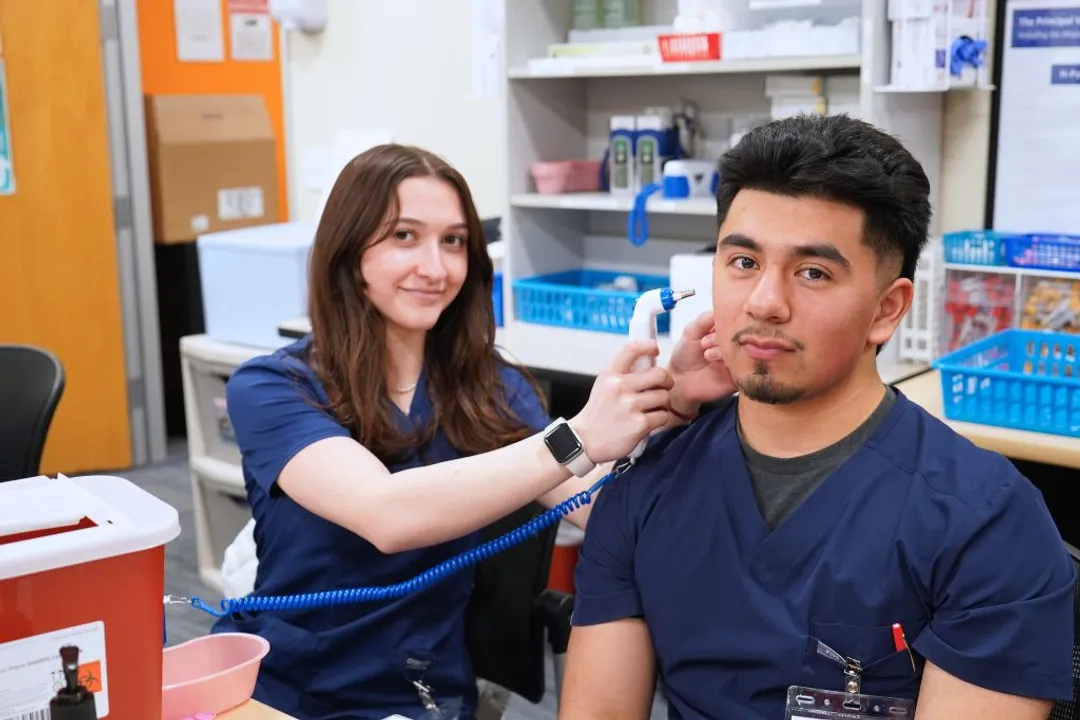
Formal education is essential, but in healthcare, practical experience often speaks louder than GPA. [5][6] Employers frequently look for candidates who have demonstrated competence in a real-world setting, even if that setting wasn't a paid job. [5]
# Gaining a Foothold
If you are starting with no prior experience, securing a position that places you near the point of care is a smart maneuver. [4] This could involve volunteering, shadowing, or taking the fastest entry-level job available. [2][6]
- Volunteering: Hospitals, nursing homes, and community clinics always need volunteers for non-clinical tasks like greeting patients, running errands, or staffing information desks. This provides exposure to the hospital culture, HIPAA compliance standards, and professional interaction norms. [6]
- Shadowing: Directly observing a professional in the role you aspire to can clarify expectations and confirm your interest. [6]
- Entry-Level Work: Taking that CNA or Medical Assistant role, even if you plan to pursue an RN degree later, is invaluable. [4] It teaches you teamwork, patient interaction under stress, and the rhythm of the healthcare environment.
One often-overlooked avenue, which I've observed in community discussions, is focusing on the support side if clinical roles feel too distant initially. Think about working in medical records, hospital registration, or even environmental services within a clinical setting. While not direct patient care, mastering the logistical flow of a clinic or hospital from a non-clinical angle provides deep operational expertise that can be incredibly valuable when you transition into an administrative management track later on. [1]
# Internships and Practicums
For roles requiring licensure, internships, externships, or clinical practicums are usually mandatory components of the curriculum. [7] These are structured periods where you apply learned skills under direct supervision. Treat these experiences as extended job interviews. Be punctual, professional, and proactive in asking thoughtful questions. [5] Successful completion often leads directly to job offers from the facility where you trained, as the employer has already vetted your competency. [6]

# The Job Search
Once qualifications are met, the focus shifts to securing the right position. [8] The standard job application process applies, but certain customizations are critical for healthcare roles. [5]
# Tailoring Applications
Your resume must clearly communicate not just what you studied, but how your education prepared you for the specific duties of the job description. [5] If you completed a clinical rotation in a cardiovascular unit and are applying for a role in a general medical ward, you should explicitly connect the transferable skills learned—such as sterile technique or electronic health record (EHR) proficiency—to the new setting. [6]
For roles that require certifications, ensure all credentials, including expiration dates, are clearly listed. If your state requires specific licensing exams (like the NCLEX for RNs), clearly state that you have passed or when you are scheduled to take it. [7]
# Networking
The healthcare industry relies heavily on professional networks and reputation. [5] Many open positions, especially specialized ones, are filled through internal referrals before they are ever posted publicly. [6] Attending career fairs hosted by hospitals or professional organizations can put you directly in touch with recruiters and department heads. [5] If you volunteered or completed an externship, maintaining professional contact with those supervisors is essential, as they become your most powerful references. [6]
# Career Advancement
Starting a career is just the first step; healthcare rewards continuous learning and specialization. [1] Once you have a few years of experience in an entry-level position, reassessing your goals becomes important. [7]
# Moving Up
If you began as an LPN (Licensed Practical Nurse) and now want to become an RN, you might look into LPN-to-RN bridge programs, which acknowledge your existing clinical knowledge and accelerate the degree process. [2] If you are in a technical role like a Medical Coder, you might pursue specialization certifications (like the CPC from the AAPC) to focus on complex areas like surgery or oncology billing, which typically command higher salaries. [1]
Healthcare offers a unique structure where lateral moves often provide the best foundation for vertical advancement. For example, moving from a small community hospital to a large university medical center, even if it's the same job title, exposes you to more complex cases, varied technologies, and a higher volume of management exposure. This broader experience then better prepares you for mid-level leadership positions years down the line. [6] The best advice for sustained career momentum is to treat every role, no matter how small, as a temporary training ground for the next position you want, rather than just a destination. [5]
Related Questions
#Citations
Start Your Career | HHS.gov
7 Fastest Ways To Start Your Healthcare Career Now - Nurse.org
How To Start an In-Demand Career in Healthcare (With Examples)
Fastest way to get into healthcare with no prior experience? - Reddit
How to Start a Career in Healthcare as a High School Student | Outset
5 Steps to Starting an Essential Healthcare Career - East Ohio College
Healthcare Career Path Guide | Ultimate Medical Academy
How to Get Started in the Healthcare Field | CALRegional
Careers A-Z - Explore Healthcare Careers - Mayo Clinic College of ...
How You Can Start a Career in Healthcare in Less Than Two Years