What careers are available in offshore wind energy?
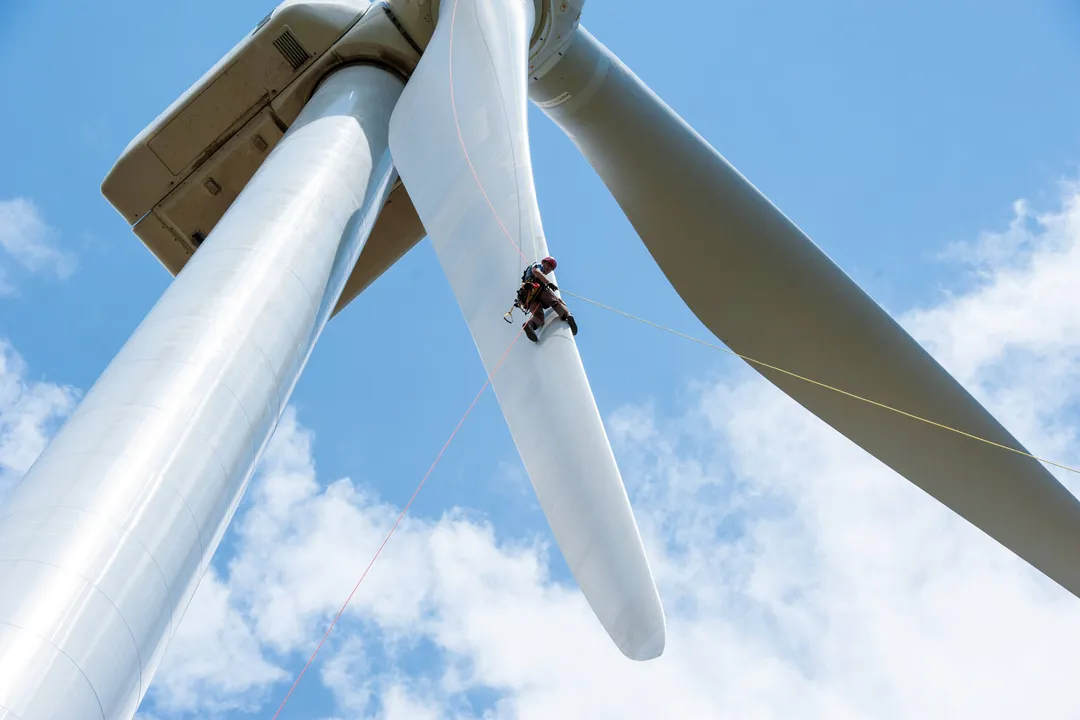
The offshore wind sector is rapidly expanding, creating a diverse ecosystem of jobs that extend far beyond the technicians seen working atop the massive turbines. While the image of a specialist working hundreds of feet above the ocean surface is compelling, the industry requires thousands of professionals across planning, manufacturing, installation, operations, and administration. [1][2] These roles touch upon nearly every traditional engineering and maritime discipline, signaling significant opportunities for career transitions and new entry points into renewable energy. [7]
# Project Stages
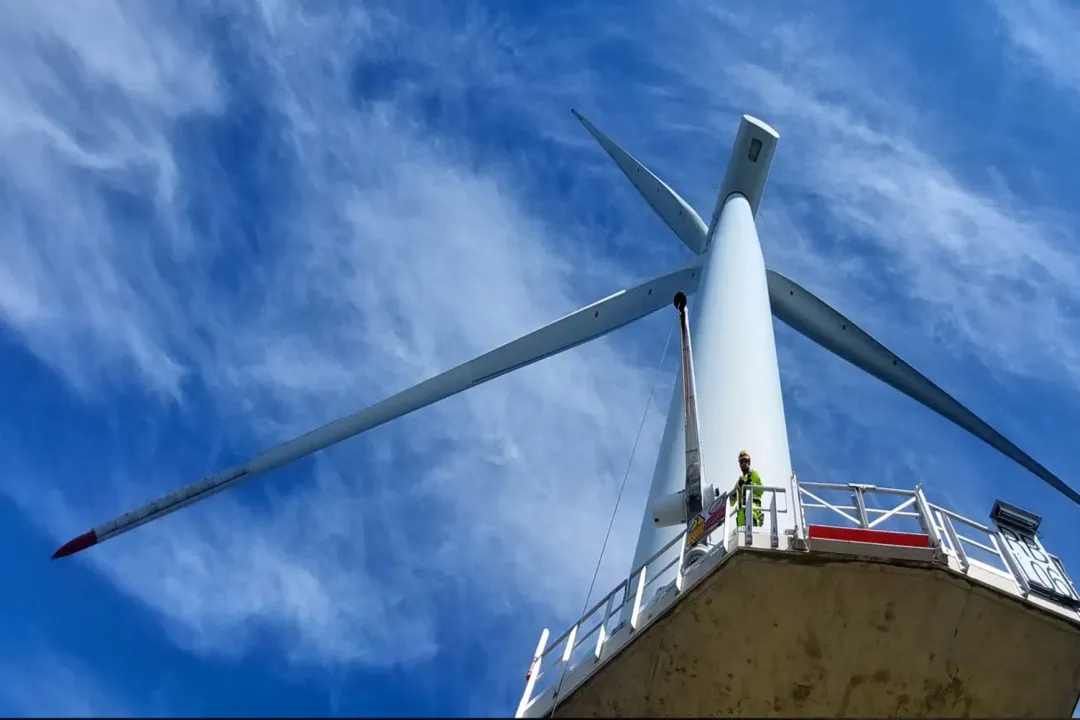
Understanding the career paths in offshore wind often means viewing the industry through the lens of a project's lifecycle: development, construction, and operations and maintenance (O&M). [1][2]
# Development
Before a single turbine is placed, years are spent on planning and securing permissions. This initial stage demands expertise in environmental science, geotechnical engineering, real estate, and regulatory compliance. [2][7] Roles here focus on site assessment—analyzing seabed conditions, surveying existing marine traffic, and performing detailed environmental impact studies. [1] Professionals in this area ensure the project adheres to complex federal and state regulations, which can involve extensive community outreach and public hearings. [7] Think of roles like Offshore Wind Developers, Permitting Specialists, and Geotechnical Engineers performing initial site investigations. [1]
# Construction
The construction phase is capital-intensive and time-sensitive, requiring specialized logistics and heavy engineering expertise. [6] This is where the massive infrastructure takes shape, from manufacturing components onshore to installing foundations and erecting the turbines at sea. [1] Jobs include Vessel Captains and Heavy Lift Operators managing the specialized fleets needed for component transport and installation. [6] Onshore, Supply Chain Managers coordinate the complex choreography of delivering turbine blades, nacelles, and tower sections to the port staging areas. [1] The skills needed here often overlap significantly with the offshore oil and gas sector or large-scale maritime construction, suggesting that experience in those fields can be directly transferable, albeit requiring new safety certifications specific to wind. [5]
# Maintenance
Once a wind farm is generating power, the focus shifts to ensuring maximum uptime through Operations and Maintenance (O&M). [1] This longest phase of a project's life demands specialized technicians who can perform scheduled checks and emergency repairs, often in harsh marine environments. [8] While O&M roles are highly technical, they also include Control Room Operators who monitor performance remotely from onshore facilities, using data analytics to predict potential failures. [2] This remote monitoring capability represents a significant area of growth, allowing experienced personnel to contribute directly to asset health without needing to travel offshore daily. [8]
# Technical Careers
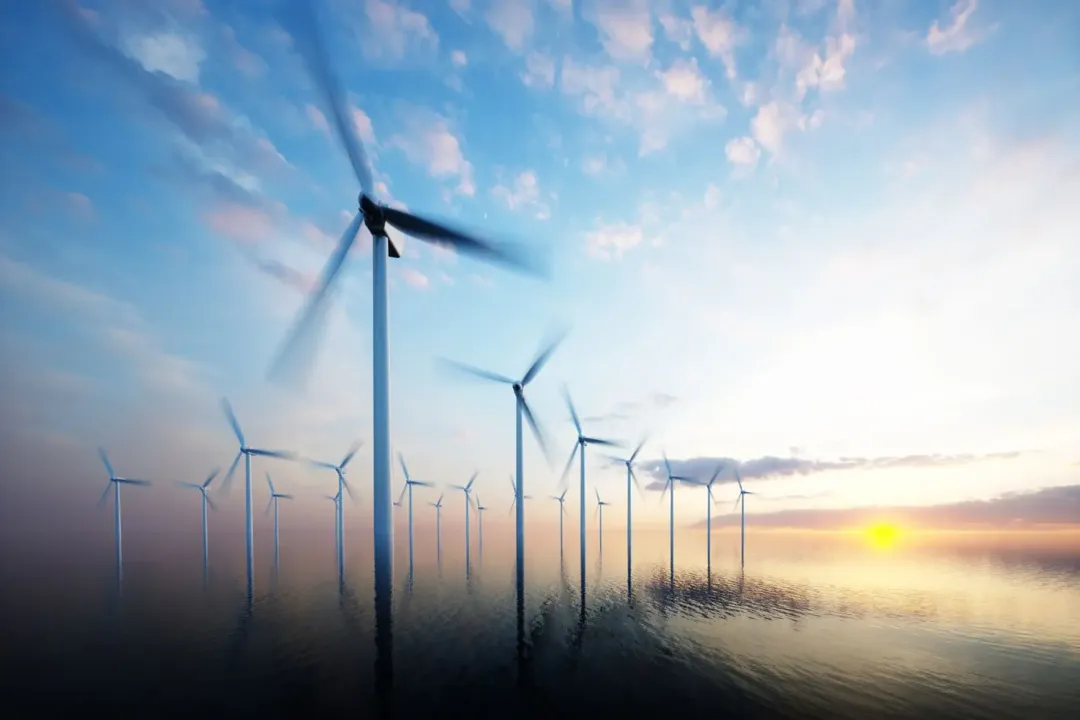
The most visible career path involves the direct, hands-on servicing of the turbines, though it is far from the only technical option available. [6]
# Turbine Technicians
Offshore Wind Turbine Technicians are central to keeping the turbines running safely and efficiently. [8] Unlike their onshore counterparts, offshore technicians face unique challenges related to continuous exposure to the marine environment, requiring specialized training in areas like survival at sea and working at height from specialized vessels. [6] Technicians must be proficient in mechanical, electrical, and hydraulic systems. [8] Successful candidates often possess prior experience in fields requiring high levels of technical certification, such as avionics, industrial maintenance, or maritime engineering. [2][8]
A useful consideration for those aiming for offshore technician roles is the difference in required physical presence. While an onshore technician might service multiple sites in a single day locally, an offshore technician operates on a rotational schedule, perhaps working 14 days on a specialized service operation vessel (SOV) followed by 14 days off. This schedule requires strong self-discipline and preparedness for extended periods away from home, a trade-off for working on cutting-edge technology in a high-demand field. [5][6]
# Maritime Support
The sea itself requires a dedicated workforce to support the assets. This includes Crew Transfer Vessel (CTV) Operators who ferry technicians to the turbines, and Jack-Up Vessel Crews responsible for placing foundations and servicing components that require a stable platform. [6] Expertise in dynamic positioning, complex vessel maneuvering, and specialized heavy-duty marine equipment is essential for these maritime roles. [6]
# Engineering Depth
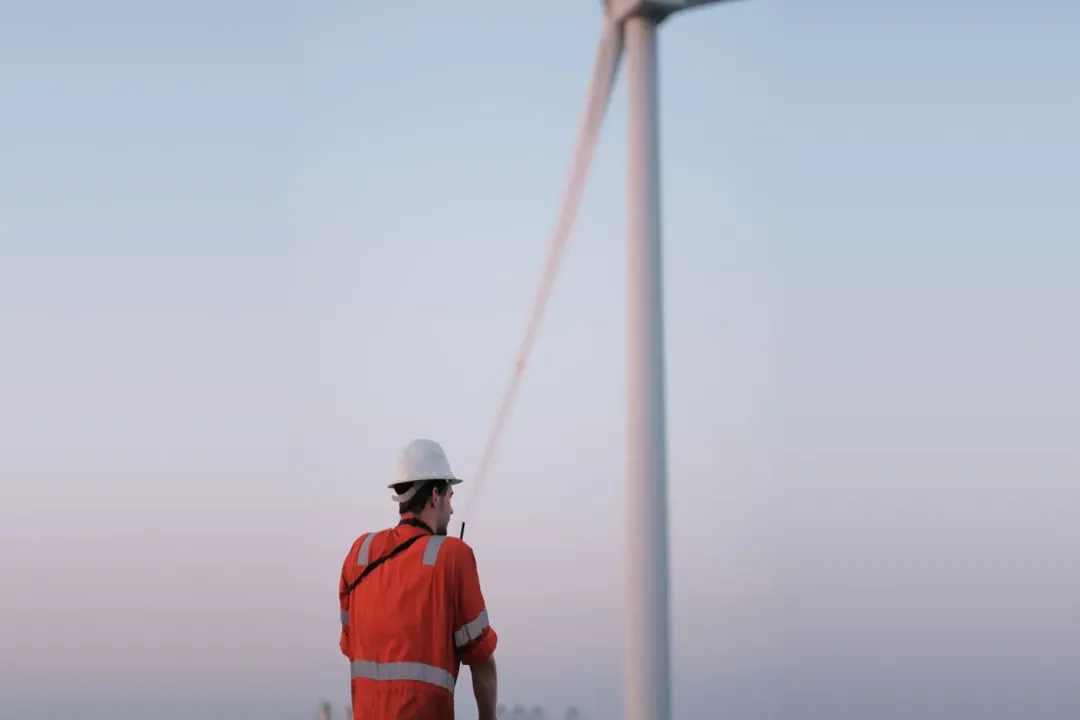
Engineering roles anchor the design and performance of the wind farm, spanning from the underwater foundations to the power grid connection.
# Foundation and Structure Design
Designing structures to withstand decades of dynamic ocean forces requires deep expertise in civil and structural engineering. [1] Geotechnical Engineers analyze soil stability for the monopile or jacket foundations, while Structural Engineers model the fatigue life of the steel or concrete structures against wave action and wind loading. [2] This specialized area demands advanced knowledge of materials science under corrosive, high-stress conditions.
# Electrical Systems
Connecting a multi-gigawatt farm miles offshore to the onshore grid is a massive electrical undertaking. Substation Engineers focus on the design and maintenance of the offshore high-voltage alternating current (HVAC) or high-voltage direct current (HVDC) converter stations. [1] Furthermore, Grid Integration Specialists work to ensure that the intermittent power supply meshes smoothly with the existing national transmission network, requiring advanced modeling and power systems analysis. [2]
# Business and Oversight
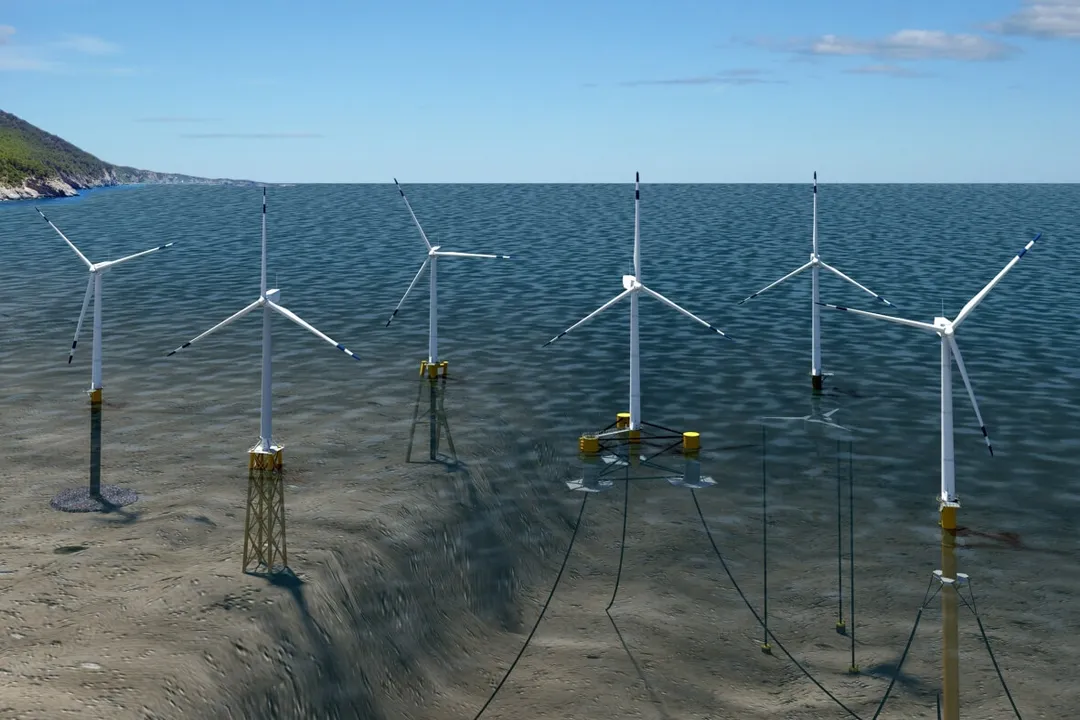
For every technical job at sea, there are several crucial roles onshore ensuring the project moves forward legally, financially, and environmentally soundly. [7]
# Project Management
The sheer scale and regulatory complexity of offshore wind necessitate expert Project Managers and Construction Managers who can coordinate hundreds of contractors, manage multi-billion dollar budgets, and keep timelines intact. [1] These individuals must possess strong leadership and risk management skills to navigate unexpected weather delays or supply chain disruptions. [2]
# Environmental Compliance
The industry's commitment to being "green" requires rigorous monitoring to avoid negative impacts on marine ecosystems, bird migration patterns, and fishing grounds. [7] Environmental Scientists and Marine Biologists play a key part throughout the project, from baseline studies during development to monitoring during operation. [1][7] They are tasked with developing mitigation strategies, such as noise dampening during pile driving, which directly influences construction methods and timelines. [7]
# Finance and Law
As large infrastructure investments, offshore wind farms require specialized Financial Analysts who understand long-term power purchase agreements and fluctuating commodity costs, as well as Energy Lawyers specializing in maritime law, contract negotiations, and leasing rights for federal waters. [7] These roles often require prior experience in large-scale infrastructure financing, such as major pipeline or power plant development. [1]

# Skills and Entry
The variety of roles means that the barrier to entry isn't universally one specific certification; rather, it depends entirely on the chosen career track. [3] For someone transitioning from conventional power generation, their electrical or mechanical aptitude is immediately valuable. [2] For a recent college graduate, a degree in marine engineering, environmental policy, or data science might be the best starting point. [7]
If you come from a background in commercial fishing or military service, you possess an inherent understanding of the sea and extreme weather conditions that few office-based professionals have. Translating that practical, operational knowledge into formalized certifications—like specific rigging qualifications or specialized welding certifications for subsea components—can open doors quickly to construction or heavy maintenance support roles. [5] The key takeaway is that offshore wind is absorbing talent from established heavy industries, meaning that specialized, hard-won experience often trumps generalist qualifications when it comes to earning a spot on the deployment vessels. [1][3]
Related Questions
#Citations
Exploring Offshore Wind and the Careers it Offers - Get Into Energy
Wind Career Map | Department of Energy
Careers in Wind Energy - Bureau of Labor Statistics
Offshore Wind Jobs, Employment - Indeed
Career In Offshore Wind : r/windturbine - Reddit
Offshore Wind Jobs - Crewlinker
What Type of Jobs Are Made Available by Offshore Wind?
Wind Turbine Technician Jobs (US) - careers - Ørsted
What Types of Jobs Are Provided By Wind Energy - NCW