Are careers in bioethics in demand?
The actual demand for careers in bioethics hinges less on whether the field itself is expanding—which it clearly is due to rapid technological and medical advances—and far more on the specific educational credentials an individual holds and the sector they target. [4][9] Bioethics has become an established discipline, moving from purely academic discussions to practical application within hospitals, research labs, and regulatory bodies, creating specialized needs rather than broad, high-volume hiring. [5]
# Sector Presence
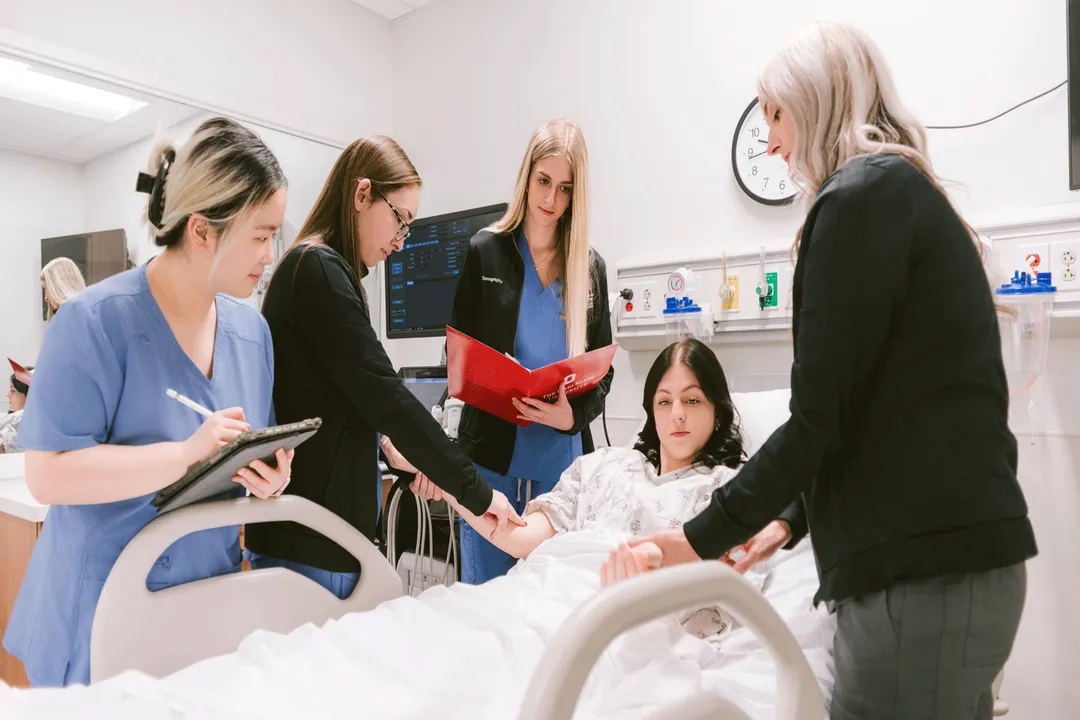
Professionals with training in bioethics find opportunities across several distinct areas of modern life where ethical conflicts frequently arise. [3] One major area is the clinical setting, where ethics committees and consultants help navigate complex patient care decisions, such as end-of-life directives or conflicts over resource allocation. [8] Another significant employer is the research community. Here, bioethicists are essential for ensuring studies involving human subjects adhere to strict moral and regulatory guidelines, often working directly within Institutional Review Boards (IRBs). [1][6]
Beyond healthcare facilities, public policy represents a growing sector. Governments and non-profit organizations require experts to study the ethical implications of new public health initiatives, genetic technologies, or broader access-to-care issues. [5] Furthermore, some bioethicists transition into consulting roles, advising biotech companies, pharmaceutical firms, or even technology developers on the ethical parameters of new products and services. [1] In essence, any field dealing with life, health, or human enhancement intersects with bioethics, creating demand points, though perhaps not always advertised under the formal title of "Bioethicist". [9]
# Educational Tiers
The title of "bioethicist" is not universally defined, leading to significant variation in what employers expect, which directly impacts job accessibility. [2] Many discussions surrounding career prospects highlight a general frustration: a foundational bachelor's degree in bioethics or a related field can open some entry points, but these roles are often administrative or supportive rather than purely analytical or consultative. [7]
For those seeking substantive decision-making roles, an advanced degree is often expected, if not required. [6] A Master of Arts or Science in Bioethics is frequently cited as the minimum credential necessary to secure positions within established ethics committees or as full-time IRB administrators. [6][8] These roles demand the ability to interpret complex regulations and apply nuanced ethical theories consistently. [9]
However, the highest levels of authority, such as leading an academic center, drafting national health policy, or holding senior advisory positions in major medical institutions, typically require terminal degrees like a JD (Juris Doctor), MD (Doctor of Medicine), or a PhD in philosophy or a related science with a heavy focus on bioethics. [3][8] This stratification means that job market demand is highly segmented by credential level. A Master's holder might compete for a handful of specialized coordinator roles, while a PhD competes for one of a few endowed chair or director positions. [2]
| Education Level | Typical Entry Roles | Potential for Authority | Primary Sector Focus |
|---|---|---|---|
| Bachelor's (BA/BS) | Research Assistant, Regulatory Support | Low | Entry-level research, administrative support |
| Master's (MA/MS) | IRB Specialist, Clinical Ethics Coordinator | Medium | Hospital Committees, Institutional Oversight |
| Terminal (JD/MD/PhD) | Professor, Director, Senior Policy Advisor | High | Academia, Government Policy, Biotech Leadership |
| [1][6][8] |

# Navigating Job Market Nuance
While the need for ethical guidance is undeniably growing—driven by breakthroughs in artificial intelligence, personalized medicine, and gene editing—the rate at which official jobs are created can lag behind this need. [4] This creates a market where opportunities exist, but they require proactive identification rather than simply applying to numerous advertised openings. [2] The growth in the field of ethics far outpaces the growth in available positions explicitly named "Bioethicist". [4]
When you review career profiles, it becomes clear that many successful individuals in this area entered via a related discipline first, acquiring bioethics expertise along the way. [5] For instance, a nurse practitioner who pursues certification in clinical ethics gains immediate practical authority in a hospital setting that a recent MA graduate might lack. [8] This suggests that pairing bioethics specialization with a strong existing professional license or deep disciplinary knowledge is a powerful combination for job seekers.
To effectively position oneself in this environment, simply possessing the relevant degree might not be enough to stand out in a competitive pool for specialized posts. [7] Aspiring professionals must translate their academic training into demonstrable, applied skills. If you are pursuing a Master's, for example, focusing your thesis or capstone project on a highly specific, in-demand area—like data privacy ethics in large-scale electronic health record systems or the regulatory pathway for novel cell therapies—can make your profile much more attractive to a niche employer than a general overview of Kantian ethics applied to medicine. [1][9]
# Strategic Positioning
Given the specialized nature of the work, positioning yourself means thinking creatively about where ethical expertise is needed, even if the job description doesn't scream "bioethics". [3] Instead of waiting for the perfect IRB opening, consider looking at roles within clinical research management or quality assurance departments. These positions inherently require someone who understands the ethical foundation of study protocols and patient consent documentation, providing a gateway for an ethics professional to embed their expertise within a larger operational team. [1][5]
Another crucial element for career traction involves understanding the local context of demand. While national headlines focus on large universities or federal agencies, many immediate openings exist at regional hospitals, smaller medical device manufacturers, or state-level public health departments. [3] These organizations may not have the budget for a full-time senior bioethicist, but they often need part-time consultants or dedicated coordinators to manage specific compliance challenges, such as setting up a new clinical trial review process or dealing with a high-profile institutional challenge. [2] Being geographically flexible, or highly connected within a specific regional medical community, can significantly decrease the competition you face compared to national searches centered in major academic hubs. [4] The key is often demonstrating experience in the messy, day-to-day reality of applying abstract principles, an experience that sometimes trumps theoretical fluency alone. [6]
Related Questions
#Citations
16 Jobs You Can Do With a Bioethics Degree | Indeed.com
Bioethics Careers Thread - Reddit
New Medical Marvels Mean More Work for Bioethicists
Bioethics Grows, But Will Jobs Follow? - HCPLive
What careers are there in bioethics?
What Can You Do with a Bioethics Master's Degree? | Ohio State ...
Meet A Bioethicist - Johns Hopkins Berman Institute of Bioethics
Bioethicists Today: Results of the Views in Bioethics Survey - PMC