What Construction Careers Involve Design?
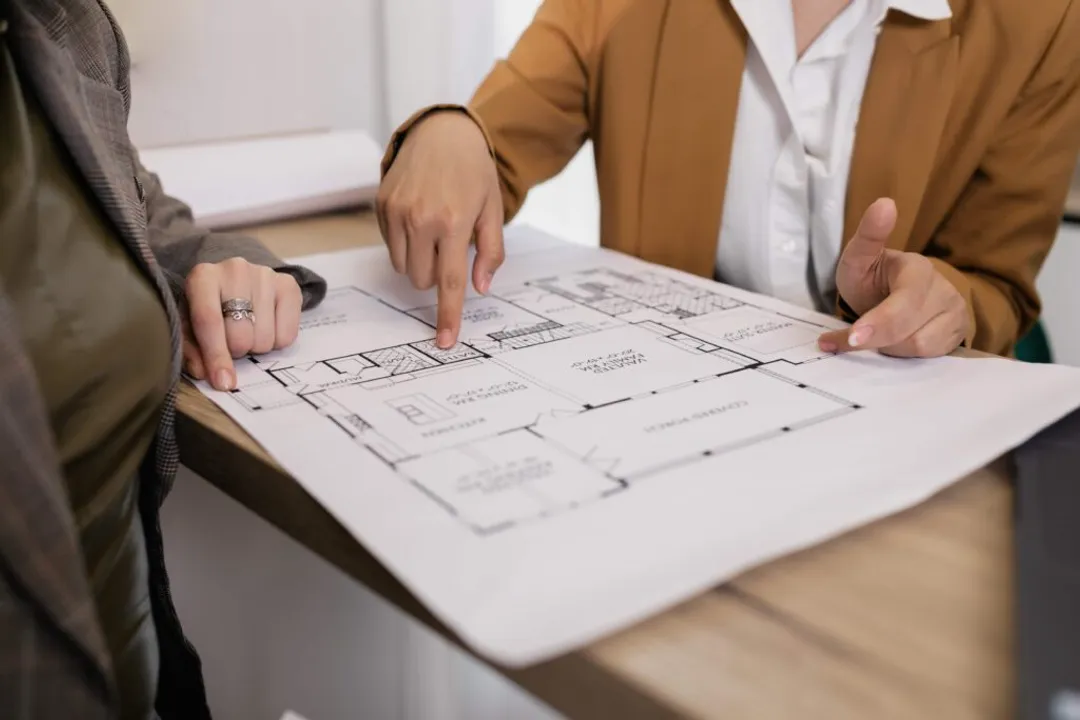
The world of construction is far broader than just pouring concrete or raising steel frames; it fundamentally relies on careful conception and meticulous planning executed long before the first shovel hits the dirt. Many careers within the broader Architecture and Construction Career Cluster are centered squarely on the act of design, which involves transforming an abstract need into tangible, buildable plans. [4][8] The industry, which builds and maintains everything from residential homes to major infrastructure like highways and dams, requires a diverse set of experts who can conceptualize, document, and cost-analyze the future built environment. [3]
# Cluster Scope

The entire construction sphere is often categorized into several key sub-clusters, showing the wide net cast by the field. [8] While it encompasses the skilled trades—the hands-on work of carpenters, electricians, and plumbers [3][8]—it also heavily features roles dedicated to the initial stages of creation. These include Architecture & Civil Engineering, which merges design with technical expertise, and Construction Planning & Development, which focuses on preconstruction activities like site analysis and feasibility studies. [8] A strong construction industry signals broader economic health, and the field anticipates significant job growth, meaning roles that bridge concept and execution are increasingly important. [3][5] For those drawn to the creative problem-solving that precedes physical labor, design-focused careers within construction offer rewarding paths, whether you are working on designing a single building or an entire municipal pipeline system. [1][8]
# Design Foundation

At the highest level of design influence are the architects, civil engineers, and landscape architects. [4] Architects are tasked with planning and designing structures—residences, factories, theaters—ensuring they are not only attractive and functional but also safe and compliant with codes. [7][9] They blend artistic vision with technical science, using shapes, patterns, and textures to define a structure’s style. [7] Civil engineers, on the other hand, concentrate on the necessary infrastructure: roads, bridges, airports, and water systems. [5][9] Their work involves planning, designing, and overseeing the construction and maintenance of these large-scale public works, using advanced computer software to model and simulate their designs before construction begins. [9]
Designers, in general, focus on the aesthetics, or the look and feel, of a space, blending that with its intended functionality to create environments that are pleasing and comfortable to inhabit, whether in a commercial office or a private home. [7] This creative process relies on a foundation of technical knowledge, often requiring specialized degrees in architecture or engineering disciplines. [9]

# Drafting Details

If the architect or engineer creates the initial vision, the drafter transforms that vision into the precise instructions needed by the builders. [7] This is where technical precision meets design intent. Drafting and design professionals contribute ideas and draft plans for various engineering disciplines, including civil and mechanical projects. [1]
Within the construction sector, architectural drafting is exceptionally popular because new construction and business expansions are constantly occurring. [1] Architectural drafters might specialize in residential homes, commercial buildings, or industrial plants, needing a deep understanding of materials and structure types. [1] Similarly, civil drafting is tied directly to infrastructure work. Civil drafters take the concepts from civil engineers and architects and convert them into the detailed, technical working drawings required for everything from highways and bridges to dams and canals. [1]
These professionals depend heavily on technology, using sophisticated CAD (Computer-Aided Design) software like AutoCAD, Civil 3D, and REVIT to create their plans. [1] Their accuracy is paramount; their final product must reflect a clear knowledge of drafting practices and the specifications provided by the design team. [1] For example, an electrical drafter prepares initial and advanced wiring plans for industrial, commercial, and residential applications, coordinating the layout for electrical engineers and project managers. [1]
# Engineering Blueprint

The roles of specialized engineers are critical links between abstract design and executable plans. Structural engineers, for instance, represent a focused area within civil engineering, concentrating specifically on ensuring that buildings, bridges, and other structures can withstand gravitational loads, lateral forces like wind, and seismic activity. [9] They must collaborate closely with architects to ensure the structural integrity of the aesthetic design. [9]
The connection between design and practical execution is so intertwined that some professionals are studying Construction Management, which often includes strong elements of design review and technical application. [1] An Associate in Occupational Studies (AOS) Degree in Construction Management is one path offered for those seeking specialized education in this sector. [1] In essence, the design phase establishes the what and why, while the engineering review phase validates the how it will stand up under real-world conditions. [9]
# Construction Management
While some might see construction management as purely logistical, it deeply involves design interpretation and conceptual development. [5][9] A Construction Manager is often the ultimate decision-maker on site, overseeing scheduling, budgeting, and implementation. [9] Crucially, they participate in the conceptual development of the project. [5] This participation requires them to understand the design intent from the beginning, ensuring that the final build aligns with the architect's or engineer's vision. [5][9] They act as the essential bridge, communicating technical requirements derived from the design documents to the various trade supervisors and subcontractors. [9]
# Estimating Cost Vision
The Construction Estimator is another role firmly seated at the intersection of design and finance, acting as an early interpreter of the designer’s work. [9] Estimators determine the expected cost of a project before construction starts. [9] This requires a deep dive into the plans and specifications provided by engineers and architects to accurately quantify the required materials, labor, and equipment. [9] Their contribution is not just mathematical; they often visit the jobsite, review the finalized design documents, and then present cost forecasts along with recommendations on how project costs can be reduced without sacrificing quality. [9] This advisory role means estimators must possess design knowledge to suggest viable, less costly material substitutions or alternative structural approaches that still meet the required performance standards. [9]
# Field Versus Office
There is a significant discussion among industry professionals regarding the synergy between hands-on construction experience and office-based design roles like drafting or VDC (Virtual Design and Construction). [2] One strong perspective suggests that individuals with field experience, even if residential, have an immediate edge over applicants with purely academic software knowledge. [2] Knowing how pieces assemble in the real world allows a CAD modeler to create drawings that are buildable, thus avoiding costly mistakes on site. [2] It seems that understanding what needs to be modeled is often more valuable than just knowing how to use the modeling software itself. [2] For instance, someone who has been a hands-on electrician or plumber understands code requirements like vent placement or grease trap sizing far more intuitively than someone learning from a textbook alone, even if the latter can generate the formal drawing. [2]
If one is aiming for a design role, especially in specialized areas like Building Information Modeling (BIM) coordination—managing the digital model's data—prior on-the-job construction knowledge can substitute for, or significantly boost, formal training in software like Revit. [2] It is worth considering that while a formal CAD/Revit certificate provides foundational language and skills, a practical background in building might be the most significant factor in landing that first design-adjacent job, especially with design-build contractors. [2] Classes might give a leg up, but real-world context proves invaluable when moving between design types, such as transitioning from residential framing knowledge to commercial building systems. [2]
# Technology Integration
The design phase in modern construction is inseparable from digital tools, particularly BIM, which stands for Building Information Modeling. [2] BIM goes beyond simple 2D drafting; it involves creating intelligent, data-rich 3D models. [2] While Revit is a widely used Autodesk product for creating these models—and is often associated with BIM—it is important to note that Revit is not BIM; BIM is the concept of modeling with trackable data, of which Revit is a prime example. [2] Professionals in roles like CAD Technician or Civil CAD Designer specialize in applying this technology to create precise documentation. [4][1] A professional with BIM skills is highly sought after, as they manage the digital middle-ground between the design office and the field team. [2]
To make the leap into these technology-heavy roles, many professionals seek specialized certifications, such as a professional certificate in AutoCAD/BIM from a reputable institution. [2] However, the transition is often smoother for those who already understand the language of the building trades, which makes mastering the software's application to real components easier. [2]
The trend toward sustainability also affects design careers. As the industry adopts new eco-materials and focuses on minimizing resource use, professionals in design and preconstruction must increasingly integrate these forward-thinking concepts into their initial planning and drawing stages. [3][8] For instance, a designer must consider material choices based on environmental impact right alongside structural demands. [8]
# Career Movement
The paths within construction design are not always rigid lines. A person starting in one specialty can often transition to another with the right supplemental knowledge. For example, an individual with strong construction experience who masters CAD software might start in architectural drafting but could transition later into the Mechanical, Electrical, and Plumbing (MEP) disciplines. [2] MEP work often carries the promise of better job security and financial prospects due to the highly specialized nature of building codes concerning utility placement, venting, and mechanical systems. [2] Mastering MEP design requires understanding the specific codes related to plumbing, the proper placement of electrical components, and knowing the separate engineering stamps required for each discipline. [2] It’s important for aspiring designers to recognize that while specialization helps maintain focus, personal initiative is the ultimate factor in determining career advancement. [2] A history in the Navy as an engine room mechanic, for example, provided one professional with the necessary background knowledge to excel in pipe design, illustrating how varied prior experience can translate unexpectedly well into specialized design work. [2]
The variety of work available is immense, ranging from specialized drawing for mass-produced manufactured products—like appliances or furniture—to the monumental task of designing entire transportation networks. [1][7] Whether one's passion lies in the aesthetic detail of a custom cabinet layout or the massive load-bearing calculations for a skyscraper foundation, the construction industry has a design-centric role waiting for skilled individuals who can bridge creative concepts with buildable reality. [1][9]
To truly stand out in this competitive landscape, especially when aiming for design roles, one must think strategically about the sequence of learning. While formal software training is clearly advantageous, prioritizing a period of on-the-ground experience first can be more impactful than stacking degree upon degree before stepping into an office role. [2] Imagine a candidate who has spent two years as an assistant site supervisor, understanding why a specific flashing detail always fails, versus a candidate fresh out of a design program who only knows the theory. The former brings context that elevates their CAD drawings from mere lines on a screen to functionally sound components of a structure, offering an immediate advantage in design-build firms that value practical knowledge highly. [2]
Furthermore, a key difference emerges when comparing architectural design to MEP design concerning code knowledge. While architectural design deals heavily with structural aesthetics and spatial relationships, MEP design involves a different set of hard rules tied to public health and safety concerning utilities. [2] For instance, knowing the exact size requirements for an underground grease tank or the necessary clearances for HVAC ducting is specialized design knowledge that shifts the focus from form to system integration. [2] For a designer looking for long-term stability, achieving some level of LEED certification in the MEP field often becomes a desirable long-term goal, recognizing the industry's push toward energy efficiency and sustainable system performance. [2] This specialization highlights that "design" in construction isn't a single discipline but a spectrum of technical translation, from the visual layout to the hidden mechanical performance of the final product. [8]
Related Questions
#Citations
Design/Pre-Construction - Pathway Planit
10 Fastest Growing Jobs in Architecture & Construction - BigFuture
Architecture and construction career cluster - CareerOneStop
Would construction experience help with getting a design job? : r/cad
Construction & Design - Related.jobs
Construction - Advance CTE
Careers In Design And Construction | House Plans and More
Career Paths for Drafting and Design Students - ITI Technical College
Construction Career Options | The Best Picks - Buildern