What Logistics Careers Involve Analytics?
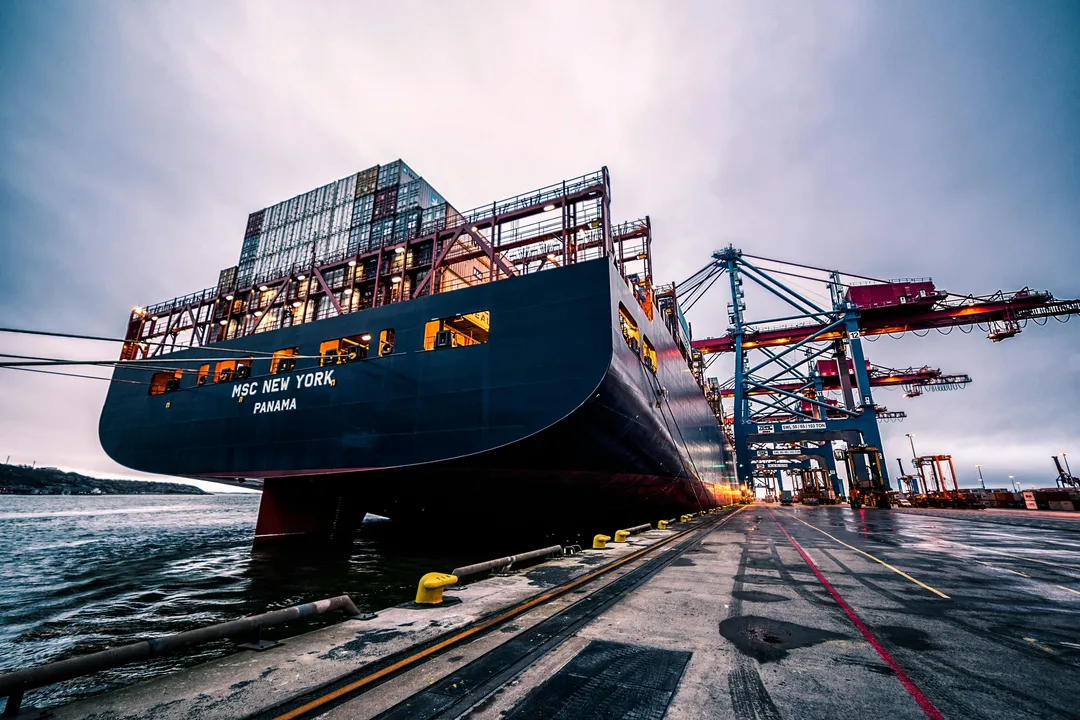
The modern supply chain no longer runs on tribal knowledge or educated guesses; it operates on terabytes of collected data. Logistics, the critical function ensuring goods move from origin to destination efficiently, has transformed into a field where analytical proficiency is not merely beneficial—it is foundational. Professionals working in logistics careers involving analytics are the engineers building the efficiency of tomorrow’s distribution networks, translating raw throughput numbers and GPS pings into measurable cost savings and enhanced service reliability. [3]
# Data Drivers
The influx of digital tracking, from warehouse sensors to real-time fleet monitoring, has made data the most valuable commodity in logistics. This data deluge necessitates specialized roles focused entirely on its interpretation. The most common title for these data practitioners is the Logistics Analyst or Logistics Management Analyst. [5][6] In a global context, the Global Logistics Analyst sharpens this focus specifically on international movement, navigating cross-border complexities. [7] These positions exist because traditional methods cannot cope with the sheer scale and complexity of modern e-commerce and global manufacturing requirements. [3] These analysts are tasked with moving past simple reporting to provide predictive insights, identify hidden bottlenecks, and recommend changes that directly affect the bottom line through cost and time savings. [5][6]
# Analyst Functions
The day-to-day work of a logistics analyst centers on using quantitative methods to refine existing processes. A significant portion of the job involves maintaining logistics databases and then interpreting the resulting information. [6] For instance, they might analyze data related to transportation costs, back orders, or delivery performance to generate key reporting metrics like on-time delivery rates or inventory turns. [6] In terms of operations, an analyst might look at historical movement data within a facility to suggest a reorganization of the warehouse layout, ensuring high-demand items are positioned optimally to cut down picking times. [3] The application of analytic methods like data mining or cost-benefit analysis allows them to understand, predict, and control logistics processes, essentially prescribing solutions rather than just documenting history. [6]

# Application Areas
The analytical function permeates several key areas within the supply chain ecosystem, each demanding a slightly different analytical focus.
# Transport Optimization
One of the most impactful uses of data science in this field is smart planning and route prediction. [3] Analysts feed real-time variables—such as current traffic density, weather forecasts, and shipment priority—into sophisticated models. The goal is to generate the most efficient routes that minimize transit time and, consequently, fuel consumption and driver idle time. [3] This is not just about finding the shortest path; it’s about minimizing the Total Landed Cost of a shipment by balancing time penalties against fuel expenditure.
# Demand Forecasting
Inventory accuracy hinges on accurate demand forecasting. [5] Analysts look beyond simple sales history, integrating market trends, seasonality, and external economic shifts to create predictions. [3] If a logistics manager can accurately project a spike in demand for a specific product line based on advanced modeling, they can proactively position safety stock or adjust inbound supplier schedules, successfully avoiding costly stockouts or the expense of holding excess inventory. [3][5]
# Risk Planning
In a world prone to unexpected shutdowns, from port congestion to geopolitical events, analysis is crucial for resilience. [3] Analysts review data to flag potential weak spots in supplier performance or map out alternate transportation corridors that are historically less susceptible to disruption. For a Global Logistics Analyst, this means constantly assessing trade regulation changes or customs bottlenecks across different international lanes. [7]
# Technical Skillset
Success in these analytical roles requires a specific marriage of logistics domain understanding and hard technical abilities. While communication and critical thinking are always required attributes, [6][7] the tools of the trade are distinctly technical. Analysts must be proficient with statistical analysis, modeling, and optimization techniques.
Knowledge of specific software is frequently listed in job requirements. This often includes standard office suites, but more critically, database interaction skills using tools like SQL or Access. Furthermore, specialized systems like ERP knowledge, and data analysis platforms like SAS or business intelligence (BI) tools are essential for extracting and visualizing insights. [3] In some engineering-focused logistics roles, familiarity with design software such as AutoCAD may also be necessary. Educational backgrounds reflect this need, favoring degrees in fields like Business Analytics, Statistics, Industrial Engineering, or Mathematics, alongside logistics management. [5]

# Domain Context
Pure mathematical skill, however, is rarely sufficient alone. A major challenge highlighted in the industry is the shortage of talent that possesses deep logistics expertise alongside advanced data science capabilities. [3] A professional who only understands statistical regression might propose an optimal inventory level that ignores current warehouse labor agreements or local hazardous materials transport regulations. Conversely, a veteran logistics manager who avoids data modeling might miss significant, multi-million dollar savings hidden in their own historical rate data. The analyst’s value lies in merging these worlds. For example, when modeling container flow for a global supply chain, the analytical model must treat the declaration of Harmonized Tariff Schedule (HTS) codes not as a suggestion, but as an unchangeable input constraint dictated by customs law; ignoring this constraint invalidates the entire model's practicality. [7]
# Measuring Impact
The output of logistics analytics must be translated into quantifiable business value. A common way to demonstrate this is through calculating the reduction in Total Landed Cost (TLC) achieved by an analytical intervention. Suppose an analyst identifies that shifting 15% of high-volume, low-urgency shipments from premium air freight (costing \5.00 per unit, 2-day transit) to a slow steam service combined with optimized regional truck consolidation (costing \1.50 per unit, 7-day transit) is feasible without missing crucial customer deadlines. If the total volume for that lane is 100,000 units monthly, the savings are calculated simply:
Presenting the findings this way—a direct monthly impact of over fifty thousand dollars—is far more persuasive to executive leadership than presenting a statistical correlation between delivery time variance and fuel expenditure, making the analyst a direct contributor to organizational profitability. [5]

# Future Demand
The outlook for logistics careers involving analytics appears strong, driven by persistent industry growth and the increasing complexity of global commerce. [5][8] Projections show job growth for logisticians, including analysts, is expected to be significantly faster than the average across all occupations, with thousands of job openings anticipated yearly. [5][8] Furthermore, because the integration of data science into logistics is relatively recent, there is often a noted labor shortage in these highly skilled planning and analyst roles compared to other logistics functions. [8] For those entering the field, this suggests that combining a logistics-focused education with strong quantitative skills offers a secure and potentially lucrative career trajectory, often leading toward senior manager or executive roles in supply chain operations. [5]
#Videos
What is the role of a Logistics Data Analyst ? | Career Guide - YouTube
Related Questions
#Citations
Data Analytics for Logistics and Supply Chain Management
Is there a chance of getting a job in Logistics with Data Analyst ...
What is the role of a Logistics Data Analyst ? | Career Guide - YouTube
What does a Global Logistics Analyst do? Career Overview, Roles ...
Logistics Management Analyst Career Guide - Florida Tech
Example Career: Logistics Analysts - West Virginia University
Logistics Analyst - National Network for the Transportation Workforce
Logistics Career Path: Skills, Jobs, Education and More - ASCM