Are careers in pharmaceutical logistics growing?
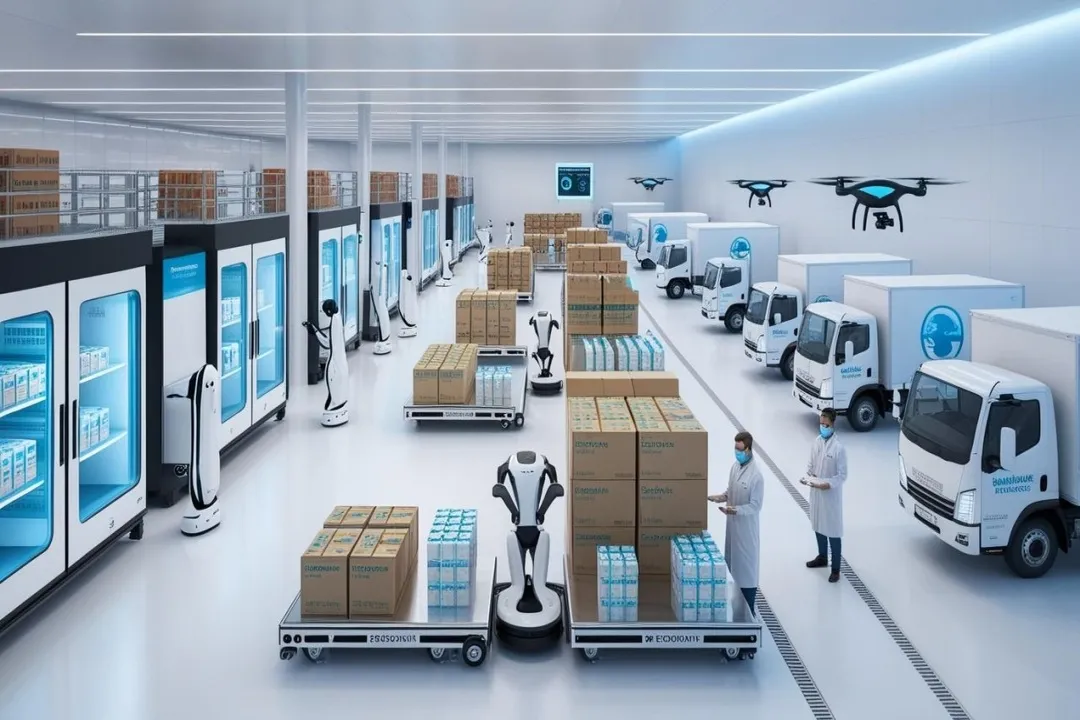
The pharmaceutical logistics sector is undeniably in an expansion phase, a direct result of both a growing global demand for medicines and the increasing complexity of the products themselves. [1][5] This expansion means that careers within the specialized supply chain management of life sciences are not just stable; they are actively increasing in scope and necessity. [2][8] Understanding this growth requires looking beyond simple movement to the advanced regulatory and scientific demands placed upon every shipment.
# Market Scale
Market analysis confirms a significant upward trajectory for the industry that supports the movement of medical goods. Projections estimate the life science logistics market will expand to a valuation reaching approximately USD 262.51 billion by the year 2034. [1] This represents substantial growth from current figures, indicating sustained investment and reliance on sophisticated distribution networks over the next decade. [3][7] Reports consistently highlight that the pharmaceutical logistics market is experiencing a healthy compound annual growth rate (CAGR), solidifying its position as a critical component of global healthcare delivery. [3][7][9]
# Growth Drivers
Several interconnected factors are pushing this expansion forward, creating a constant need for skilled logistics professionals. [5]
# Biologics Demand
A leading driver is the rising demand for biologics. [1] Unlike many traditional, shelf-stable small-molecule drugs, biologics—which include advanced therapies, vaccines, and complex proteins—often require stringent, continuous temperature monitoring and control. [1][8] This specialization elevates the complexity of the logistics function significantly. [8]
# Cold Chain Necessity
The stringent requirements for biologics place a heavy emphasis on cold chain management. [1] Maintaining specific temperature ranges from the manufacturing site through various transfer points to the final destination is non-negotiable for product efficacy and patient safety. [8] This mandates that logistics operations heavily invest in specialized equipment, validated processes, and personnel trained explicitly in handling temperature-sensitive pharmaceuticals. [8]
# Globalization
The general trend toward globalized healthcare means that pharmaceuticals are crossing more borders than ever before. [5] Managing international distribution requires deep expertise in navigating diverse customs regulations, import/export laws, and varying national standards for drug security and handling. [9]

# Career Focus
The increasing complexity in product type and regulatory environment naturally translates into a demand for specialized talent rather than just general logistics workers. [8] The jobs being created are often highly focused on compliance, quality, and technology integration. [5][8]
# Specialized Expertise
The core requirement in pharma logistics centers on adherence to strict standards, such as Good Distribution Practices (GDP). [8] Professionals are needed who understand not just the how of shipping, but the why behind regulatory mandates concerning handling, documentation, and security. [8] This encompasses roles in quality assurance, audit management, and specialized transportation planning. [5][8] The focus shifts from simply moving product to ensuring the integrity of the product throughout its entire transit life. [8]
# Shifting Roles
While traditional roles like warehousing and fleet management remain essential, the skill sets required are evolving. Success in many modern logistics roles within this industry now requires proficiency in the data management systems that track these specialized shipments. While the overall volume is up, the type of role shifts. A generalist transporter might be less valued than a specialist in Serialization and Traceability protocols necessary for regulatory adherence across borders, demanding a higher base level of technical skill for entry into senior roles. [8]
# Operational Evolution
The way pharmaceutical logistics is conducted is changing, mirroring broader industry trends toward digitalization and efficiency. [1][5]
# Technology Integration
The industry is adopting advanced supply chain technologies to manage traceability and control requirements more effectively. [5] Systems like advanced Warehouse Management Systems (WMS) and Transportation Management Systems (TMS) tailored for life sciences are becoming standard tools rather than optional upgrades. [1][5] Professionals who can integrate data streams, use predictive analytics for inventory positioning, and manage these digital platforms are highly sought after. [5]
# Work Location
The environment for logistics jobs is somewhat varied concerning location flexibility. While many planning, analytical, and vendor management roles within corporate supply chain divisions may permit remote or hybrid work structures—a common desire in the modern job market—roles directly tied to physical operations often require on-site presence. [4] This means that site supervisors, quality control personnel conducting physical audits, or inventory managers still need to be physically present, suggesting a split demand based on the function within the broader logistics structure. [4]

# Career Trajectory
The persistent need for secure, compliant, and timely movement of essential medicines suggests a durable career path. [2][5] Factors like aging global populations and increasing access to advanced healthcare solutions worldwide provide a continuous underlying demand that supports market expansion. [2][5]
Given the market trajectory emphasizing speed and cold chain integrity, those looking to enter or advance should prioritize certifications related to Good Distribution Practices (GDP) alongside proficiency in specific Warehouse Management Systems (WMS) or Transportation Management Systems (TMS) relevant to life sciences. Simply knowing "trucking" or "warehousing" is no longer enough; demonstrating fluency in validated, compliant systems is the modern entry ticket. [8] This dual focus—regulatory understanding married to technical capability—positions professionals well for long-term growth within this expanding sector. [5][8] The sustained nature of healthcare needs ensures that this specialized logistics niche will remain highly relevant for the foreseeable future. [2][9]
Related Questions
#Citations
Life Science Logistics Market to Reach USD 262.51 Billion by 2034 ...
Why the Pharma Job Market Is Shifting (And What It Means for Your ...
Pharmaceutical Logistics Market Size, Share | Growth 2033
Is Wanting to Stay Fully Remote Hindering My Career Development ...
Pharma Career Trends to Watch in 2024 - PharmiWeb.jobs
Pharmaceutical Logistics Market Trends, Key Players, and Future ...
Global Pharmaceutical Logistics Market Trends, Share 2032
Pharmaceutical Supply Chain Careers: What You Need to Know
Pharmaceutical Logistics Market - Companies & Size