What Agriculture Jobs Involve Technology?
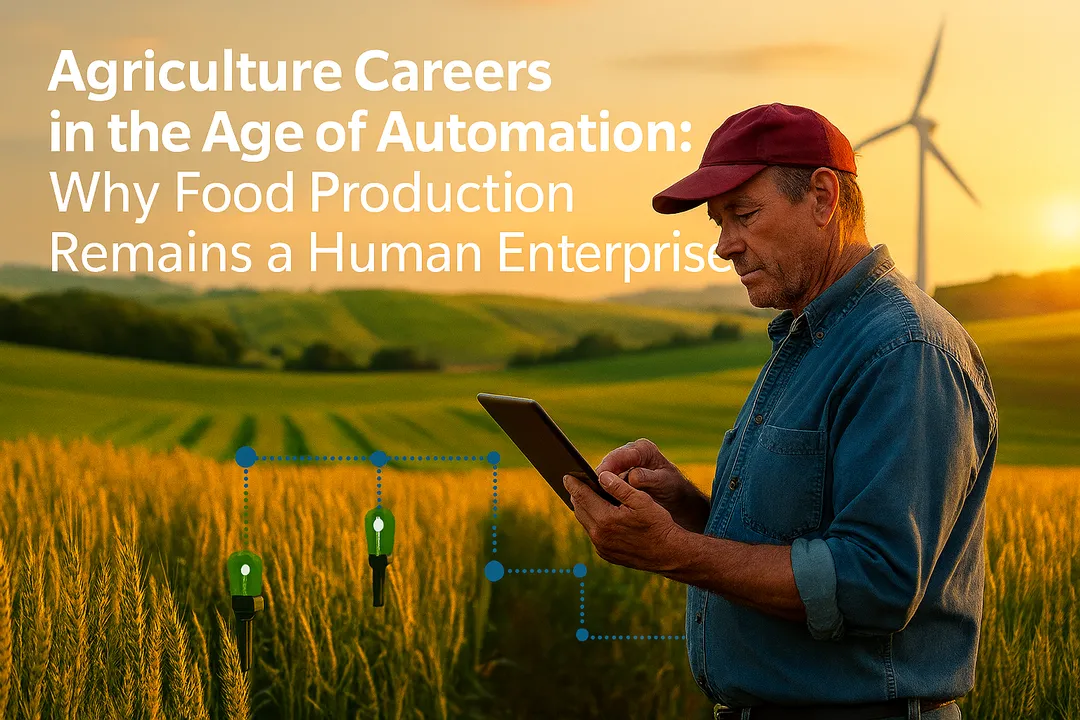
The intersection of the green fields and blinking servers is no longer a futuristic concept; it is the operational reality of modern agriculture. Today’s farms, ranches, and research facilities rely heavily on digital tools, automation, and advanced data analysis, creating an entirely new class of jobs that demand skills far outside the traditional scope of farming knowledge. [4][7] From managing complex sensor networks to developing algorithms for crop yield prediction, agriculture technology careers merge STEM expertise with an understanding of biological systems. [1][9]
# Diverse Roles
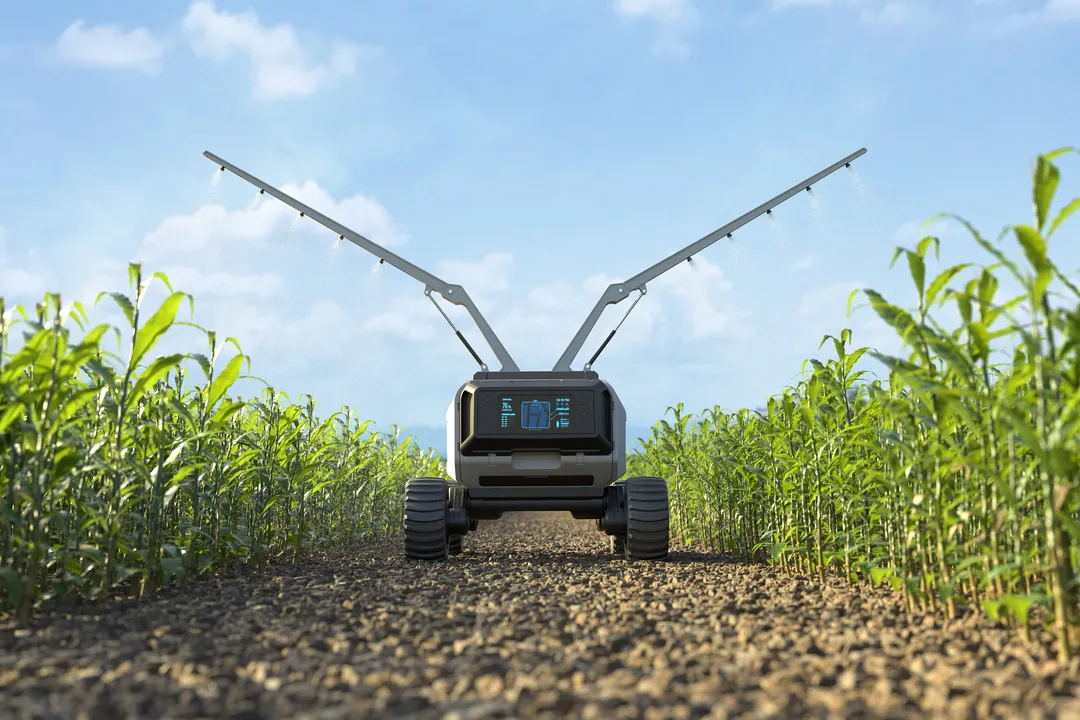
The variety of positions available reflects the breadth of technology being adopted across the agricultural supply chain. [5] It is incorrect to assume that all Ag Tech jobs involve being physically present on a tractor fitted with sensors; many roles are deeply embedded in software development, data management, or laboratory research. [3][1] For instance, while one person might be programming a robotic arm for harvesting fruit, another could be running statistical models on regional climate data to advise on seed selection for the next season. [2][5] This spectrum means opportunities exist for individuals with backgrounds ranging from pure computer science to specialized biology. [7][4]
# Data Science
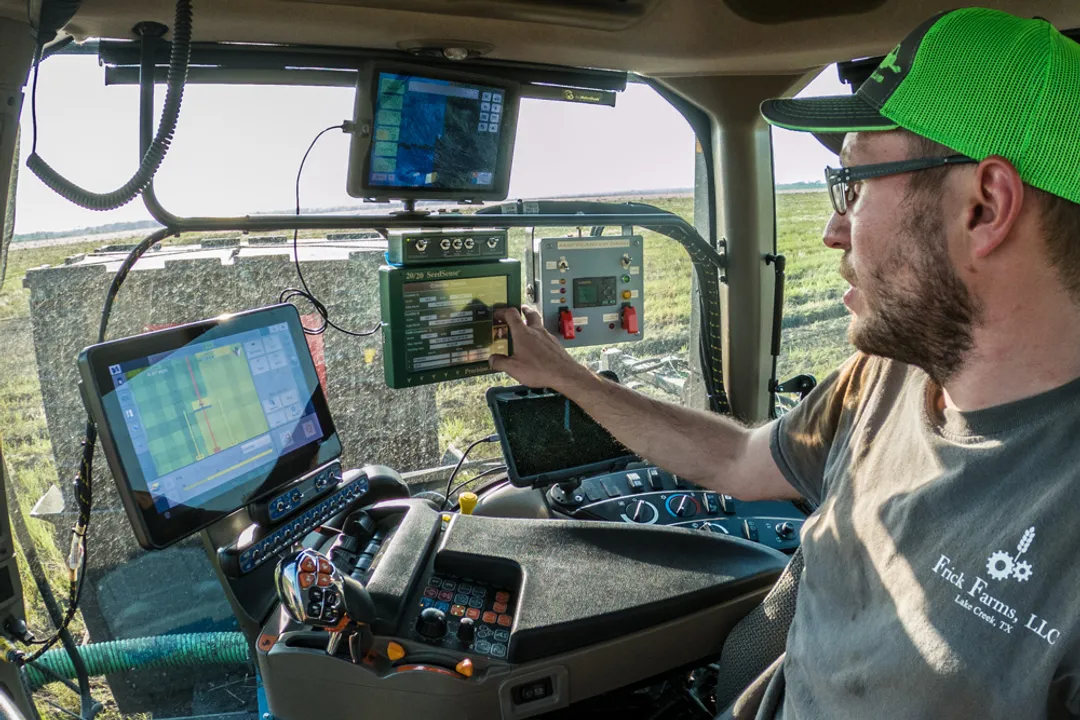
Perhaps the most rapidly growing area involves the capture, processing, and interpretation of the immense amounts of data generated by modern farming operations. [8] Roles like Data Scientist, Biostatistician, and Data Analyst are critical in turning raw information into actionable field decisions. [5][1]
These specialists work with data streams originating from various sources, including soil moisture probes, aerial drone imagery, GPS trackers on machinery, and even weather stations installed on the property. [2][8] A GIS Specialist uses Geographic Information Systems to map out field variability, creating prescription maps that tell automated equipment exactly where and how much fertilizer or water to apply. [5][4]
Consider the sheer volume. If an average modern grain farm uses hundreds of sensors generating data points per hour, the role of the Data Analyst shifts from processing large datasets annually to real-time dashboard interpretation—a fundamental difference from traditional data entry roles. [1] This shift requires personnel who are not just comfortable with spreadsheets but who understand database management and predictive modeling. [7]

# Physical Automation
The drive toward efficiency and reducing labor dependency has placed Engineering and Robotics professionals squarely in the agricultural sector. [5] Agricultural Engineers are tasked with designing, building, or refining the physical tools used on the farm. [9][1]
This includes:
- Designing more efficient irrigation systems that minimize water waste. [2]
- Developing automated planting or harvesting machinery. [9]
- Integrating sophisticated navigation systems so autonomous tractors can operate safely without constant human intervention. [8]
Roles such as Robotics Technician focus specifically on the maintenance and repair of these complex electromechanical systems. [5] When a multi-million dollar piece of equipment breaks down, specialized tech knowledge is needed immediately to prevent costly downtime during critical planting or harvesting windows. [2]
# Field Observation
Monitoring vast tracts of land efficiently demands technologies that transcend walking every acre. This has popularized roles centered around Remote Sensing and Unmanned Aerial Vehicles (UAVs), commonly known as drones. [2]
A Remote Sensing Analyst takes imagery captured by satellites or farm drones, processes it using specialized software, and identifies patterns invisible to the naked eye—such as early signs of pest infestation, nutrient deficiency, or localized water stress. [5][2] These analyses lead directly to targeted interventions, moving away from blanket applications of chemicals or water across an entire field. [8] This expertise blends aerial photography interpretation with agronomic knowledge to provide insights on plant health and canopy density. [2]
# Specialized Science
Technology doesn't replace the scientists who understand plants, animals, and soil; it gives them far superior tools. [6] Agronomists, for example, now use modeling software and genomic data to select seed varieties best suited for specific microclimates on a farm. [5]
In animal agriculture, the integration is just as deep. Veterinary roles are evolving into Veterinary Technicians who manage health monitoring systems in livestock, tracking activity levels, temperature, and feeding patterns via electronic tags. [5] These continuous health metrics allow for proactive care rather than reactive treatment, improving animal welfare and productivity. [7]
It is important to note that while Artificial Intelligence and machine learning can process patterns better than humans in many defined tasks, roles demanding high levels of on-the-ground judgment, complex unstructured problem-solving, and direct relationship management remain distinctly human domains. [6]
# Supporting Roles
Technology integration requires a strong underpinning of information technology and business strategy. [3] Software Developers and IT Specialists are frequently employed by large agricultural companies or farm co-ops to write, deploy, and maintain the specific farm management software that farmers use daily. [1][5]
Furthermore, as product development accelerates, roles related to the business side are also becoming highly technical. Supply Chain Management professionals now use sensors and blockchain-like technologies to track food from the farm gate to the consumer, ensuring transparency and rapidly identifying points of failure or contamination. [5] Even marketing in agriculture requires technical understanding to effectively communicate the value of tech-driven products to potentially less tech-savvy end-users. [5]
For those coming from a traditional farming background, the most actionable advice is to focus not just on learning a new software platform, but on understanding what data the software is collecting and why it matters for agronomic outcomes—linking the digital interface back to tangible yields. [4]

# Essential Skillsets
While specific technical proficiencies change rapidly—moving from basic GPS knowledge to advanced machine learning algorithms—certain foundational skills appear consistently across the required profiles. [4] Critical thinking and problem-solving abilities are essential because agricultural systems are inherently complex, involving unpredictable variables like weather and pest pressure. [4][6]
The ability to communicate technical findings to non-technical stakeholders, such as a farm owner or field manager, is also highly valued. [4] A programmer who designs a brilliant new sensor array will see little adoption if they cannot clearly explain the return on investment and operational procedure to the person who needs to use it every day. [9]
The evolution of agriculture careers shows that success in this sector increasingly depends on dual literacy: fluency in both the language of the field and the language of computation. [7][1] This combination of expertise and experience in applying technology directly to physical biological problems is what defines the modern agricultural professional. [6][9]
Related Questions
#Citations
Agriculture Technology Jobs, Employment - Indeed
Tech-Focused Agriculture Jobs
Are there any careers that involve a mix (or merge) of computer ...
Agriculture Technology - Career Pathway Guide
13 Tech Jobs in Agriculture To Consider - AgHires
Agriculture Technology Jobs That AI Can't Replace
Bayer Agriculture Technology Jobs
Agriculture Technology - USDA NIFA
Agriculture Technology Systems Pathway