What Are Common Agriculture Job Titles?
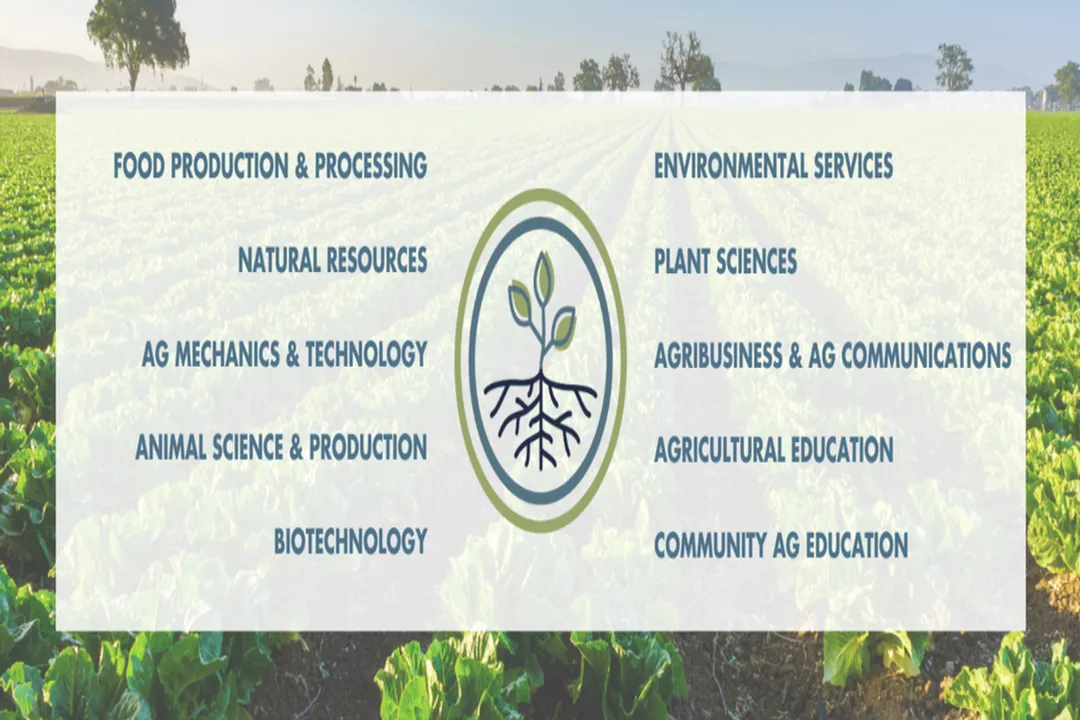
The world of agriculture employment stretches far beyond the classic image of someone driving a tractor at sunrise. While those vital roles remain central, the sector today encompasses a vast array of professions touching everything from molecular biology and data science to international trade and consumer marketing. [1][6] Understanding the job market in this cluster requires looking past the obvious and recognizing the technical, administrative, and scientific positions that support the entire food and natural resources system. [6]
# Field Production
The foundation of the agriculture career cluster rests on the work done directly on farms and ranches. [2] These roles are hands-on, requiring dedication and often specialized knowledge of machinery and animal husbandry. [1]
One of the most recognized positions is the Farm Manager or Ranch Manager. These individuals are essentially the CEOs of the operation, responsible for everything from planning crop rotations and managing budgets to overseeing daily labor and ensuring regulatory compliance. [1][5] They need a blend of practical, decades-long experience and modern business acumen. [5]
Beneath the manager are the essential hands executing the day-to-day tasks:
- Farm Workers and Laborers: These individuals perform fundamental tasks such as planting, cultivating, harvesting crops, and maintaining facilities. [2][6]
- Equipment Operators: Operating and maintaining the complex machinery used in modern farming—tractors, combines, sprayers—is a specialized role that demands mechanical skill and attention to detail. [2][5]
- Livestock Workers: This includes specialized roles like Dairy Farm Workers, Poultry Workers, or general Animal Caretakers who manage the health, feeding, and breeding of animals. [1][6] In some regions, roles like Apiarists (beekeepers) focusing on pollination services or honey production are also classified here. [3]
It is worth noting how the definition of "farm equipment operator" has shifted; today, this job often demands proficiency in GPS guidance systems and telematics software, essentially requiring the skills of a field-level data technician alongside mechanical aptitude. This blending of skills means that entry-level requirements are steadily rising, even for seemingly purely manual positions. [4]
# Ag Science
Agriculture is increasingly driven by data, biotechnology, and environmental stewardship, creating high demand for professionals with advanced scientific training. [5][6] These careers often require at least a bachelor's degree, and frequently advanced degrees, placing them firmly in the technical sector of agribusiness. [8]
Agronomists are prime examples of this high-level expertise. They study soil management and crop production, advising farmers on the best seeds, fertilizers, and pest control strategies to maximize yield and sustainability. [1][5] Their work is critical for maximizing output on limited acreage. [6]
Other key scientific roles include:
- Soil Scientists: Focusing specifically on the physical, chemical, and biological properties of soil to improve fertility and land use. [6]
- Animal Scientists: Working on breeding programs, nutrition, and improving the overall health and productivity of livestock. [1][5]
- Agricultural Engineers: These professionals design and improve machinery, irrigation systems, and agricultural structures, often incorporating automation and robotics. [6]
The intersection of biology and data is also booming. Professionals in agricultural biotechnology apply knowledge of genetics and molecular biology to develop hardier or higher-yielding crop varieties. [5] When reviewing career trajectories across the sector, roles explicitly tied to Ag Technology—such as precision agriculture specialists who manage sensor networks and satellite imagery—often show higher projected growth rates compared to baseline production roles, signaling where future investment and hiring focus is concentrating within the broader industry. [8]

# Business Ag
For every acre planted or animal raised, there is a corresponding need for sophisticated business management, sales, and marketing to move the product to market. [1][5] These roles are vital for profitability and connecting the farm gate to the consumer. [6]
Agribusiness Managers form the administrative backbone, handling finance, logistics, human resources, and marketing strategy for large operations or agricultural companies. [5][6] They require strong organizational skills and an understanding of market fluctuations. [1]
Sales and marketing are essential for revenue generation:
- Agricultural Sales Representatives: These individuals sell inputs—seeds, feed, chemicals, or heavy equipment—directly to producers. [5][6] A key difference here from general sales is the need for technical product knowledge; an effective seed salesperson must also function as a part-time consultant. [1]
- Marketing Specialists: Focused on promoting agricultural products, whether it’s fresh produce, processed foods, or commodities, to consumers or industrial buyers. [1]
- Commodity Buyers and Traders: These specialists work for processors or large trading houses, negotiating the purchase of grains, livestock, or other raw materials based on futures markets and supply needs. [5] Notice that roles like a Farm Manager require both traditional field knowledge and business acumen, often acting as a bridge between the labor force and commodity markets, whereas a dedicated Commodity Buyer focuses almost purely on market dynamics. [1][5]
# Inspection and Regulation
Ensuring food safety, quality standards, and compliance with environmental regulations requires dedicated professionals acting as auditors and inspectors across the supply chain. [3][6] These roles often fall under governmental or large institutional oversight. [7]
Food Safety Inspectors check processing plants, storage facilities, and distribution centers to make sure products meet federal and state safety mandates. [3][6] This requires meticulous attention to detail and deep knowledge of public health codes. [3]
Other regulatory and quality assurance positions include:
- Meat Graders and Poultry Inspectors: These federal workers, often employed by agencies like the USDA, evaluate carcasses and products for quality, wholesomeness, and accurate labeling. [3][7] This is specialized work that requires specific certification and a strong stomach, quite different from office-based agribusiness jobs. [7]
- Agricultural Inspectors: These professionals may focus on preventing the spread of pests or diseases between farms or monitoring pesticide application compliance. [6]
- Environmental Specialists: Working within or alongside agricultural organizations to develop and monitor sustainable practices, manage water quality, and ensure land stewardship. [6]

# Education and Extension
The transfer of knowledge from researchers to the practical farming community is facilitated by a dedicated group of educators and outreach specialists. [2]
Agricultural Extension Agents are perhaps the most direct link between university research and the local farm community. [2][5] They host workshops, conduct on-site testing, and provide advice tailored to local soil types and microclimates. [5] These roles combine research interpretation with community engagement. [2]
Other educational paths include:
- Agricultural Teachers: Instructing high school students in vocational agriculture programs, often managing school farms or FFA chapters. [2][5]
- Researchers and Professors: Working at universities or private research facilities to develop new techniques, crop varieties, or animal health treatments. [6]
- Policy Analysts: Analyzing the impact of legislation and regulations on the agricultural sector, often working for government agencies, lobbying groups, or large trade associations. [2]
# Veterinary Medicine
The health of livestock, poultry, and companion animals in agricultural settings is overseen by specialized medical professionals. [1]
Veterinarians specializing in food animals (large animal vets) are essential for herd health management, preventative medicine, and on-site emergency care for farms and ranches. [1][5] This contrasts sharply with small animal practice due to the economic impact of herd diseases and the need for scale in treatment plans. [5]
The support staff is equally important:
- Veterinary Technicians assist vets with diagnostics, surgery preparation, and administering treatments on the farm. [1]
- Animal Nutritionists work closely with vets to formulate precise diets that support health goals without wasting expensive feed resources. [5]
In reviewing job opportunities across the board, it becomes clear that while traditional farming roles offer immediate entry points, the fastest growth and highest specialization premiums are increasingly being paid to those who can bridge the physical world of production with the digital world of data analysis and complex regulatory compliance. [8] Successfully navigating this landscape often means choosing a specific niche—be it soil chemistry, drone mapping, or international grain sales—rather than seeking a generalized "agriculture job". [1][6]
Related Questions
#Citations
12 Careers in Agriculture To Explore (With Salaries) | Indeed.com
Careers in Agriculture - The Georgia AG Experience
20 Agriculture Jobs That Might Surprise You - Farm Flavor
People with careers in ag, What's the best job you've ever ... - Reddit
Career Profiles | Careers in Agriculture and Food - AgCareers.com
Agriculture, Food & Natural Resources career cluster - CareerOneStop
10 Unique Jobs in Agriculture - USDA
[PDF] AGRICULTURAL JOB MARKET REPORT
What do they typically do - Occupation Profile | NC Careers.org