What Are Common IT Job Titles?

The world of information technology presents a seemingly endless list of job titles, often leading to confusion for newcomers and even seasoned professionals trying to navigate career paths. What one company calls a "Systems Administrator," another might label a "Platform Engineer," while a third uses "Infrastructure Specialist." Understanding the common buckets these roles fall into is the first step in deciphering this complex occupational landscape. [7][5] Roles generally cluster around core functions: building things (development), maintaining things (infrastructure/operations), protecting things (security), managing things (project/product), and helping users with things (support). [2][4]
# Support Jobs

The front line of IT often involves roles dedicated to direct user assistance and maintaining the day-to-day health of end-user equipment. These positions are critical because they ensure business continuity by quickly resolving immediate technical hiccups. [7]
A foundational title here is Help Desk Technician or Service Desk Analyst. [7][1] These individuals primarily handle initial contacts, troubleshooting common issues via phone, email, or ticketing systems. They are the triage experts, often solving Tier 1 problems directly or escalating more complex issues to specialized teams. [2]
Moving up the ladder, you frequently encounter Desktop Support Technician or IT Technician. [7][5] While there is overlap with the help desk, these roles often require more hands-on work, such as physically setting up new workstations, installing specialized software, or performing hardware replacements at a user's desk. [1] Some organizations, particularly in government or education sectors, might have titles like IT Technician I or IT Specialist which can cover a broad range of physical and software support duties, sometimes blending help desk functions with basic server or network monitoring, depending on the team size. [6][9] In smaller environments, one person might cover all these support needs, highlighting how scope, rather than just title, defines the daily work. [9]
# Infrastructure Roles
This category deals with the backbone of the organization: the servers, networks, storage, and cloud environments that allow applications and data to function. These titles often reflect a specialization in a particular technology stack or physical domain. [5]
Network Engineer is a classic title, focused on designing, implementing, and managing the connectivity that keeps everything talking—routers, switches, firewalls, and wide-area networks. [7][2] Relatedly, Network Administrator often focuses more on the daily maintenance, monitoring, and configuration changes within that existing network structure. [5]
In the realm of servers and systems, the Systems Administrator (or SysAdmin) title has traditionally been broad, managing operating systems, storage, and sometimes light networking tasks on physical or virtual servers. [7][2] However, as environments shift toward the cloud, new titles have emerged to reflect this change. Cloud Engineer or Cloud Administrator specifically manages resources on platforms like AWS, Azure, or Google Cloud, focusing on IaaS, PaaS, and virtualization technologies. [1][5]
It is interesting to observe the evolution from traditional on-premises management to modern cloud operations. In many growing companies, the progression might look like this: starting as a SysAdmin handling on-prem servers, then specializing to become a DevOps Engineer or Site Reliability Engineer (SRE) once the focus shifts to automating infrastructure deployment and management using code, blurring the line between operations and software development. [4]
| Role Category | Common Titles | Primary Focus Area |
|---|---|---|
| Core Infrastructure | Network Engineer, Systems Administrator | Hardware, Operating Systems, Connectivity |
| Modern Operations | Cloud Engineer, DevOps Engineer, SRE | Automation, Cloud Platforms, System Uptime |
| Data Storage | Storage Administrator | Managing SAN/NAS, Backup, and Disaster Recovery |
| Virtualization | Virtualization Specialist | Managing Hypervisors and VM lifecycles |
| Source Synthesis | Note the overlap between Admin and Engineering titles depending on the organization's size and maturity. [7][5][2] |

# Development Focus
The people who create the software, websites, and internal applications usually fall under the Developer or Engineer umbrella, though specialization is common. [5][2]
A Software Developer or Software Engineer builds applications. The specific title often dictates the area of focus. For example, a Front-End Developer works on the client-side—what the user sees and interacts with in a web browser—using HTML, CSS, and JavaScript frameworks. [1] Conversely, a Back-End Developer focuses on the server-side logic, databases, and APIs that power the application. [7]
When roles become more specialized in the web space, titles like Web Developer (often encompassing both front and back-end for smaller projects) or Mobile Developer (focusing on native or cross-platform apps for iOS/Android) appear. [5]
As complexity increases, titles like Solutions Architect or Software Architect emerge. These individuals design the high-level structure of a software system, making fundamental technical decisions that guide the entire development team. [5][7] They look at the big picture, ensuring the system is scalable and maintainable, often before much coding even begins. [4]
# Data & Information Roles
Data has become a central asset, leading to specialized roles focused on managing, interpreting, and protecting it. [2]
The Database Administrator (DBA) is responsible for the integrity, performance, and security of databases, often managing complex SQL or NoSQL clusters. [7] They ensure that data retrieval is fast and that backups are reliable. [5]
In the realm of analysis, titles like Data Analyst focus on cleaning, processing, and interpreting data sets to answer specific business questions, often utilizing reporting tools. [1] Stepping into more predictive territory, a Data Scientist typically employs statistical modeling, machine learning, and advanced programming to uncover deeper insights or build predictive models. [5][2] The distinctions here can be subtle; sometimes, a "Business Intelligence Developer" performs tasks that blend analysis with light application development to create dashboarding solutions. [7]
# Security Domain
As IT systems become more interconnected, the need to secure them has created a distinct and rapidly growing segment of IT careers. [5][7]
The entry point is often the Information Security Analyst or Cybersecurity Analyst. These professionals monitor systems for breaches, analyze threat intelligence, and perform vulnerability assessments. [1][7] They are often the first responders when an alert fires.
Moving up, the Security Engineer focuses more on building protective mechanisms—implementing firewalls, intrusion detection systems, encryption protocols, and securing the CI/CD pipeline. [5] An Information Security Manager oversees the strategy, policy creation, and compliance efforts for the entire security program. [2] At the executive level, the Chief Information Security Officer (CISO) holds ultimate responsibility for the organization's security posture, reporting directly to the board or CEO on risk tolerance and investment. [2]
# Leadership and Strategy
Not every IT role involves direct technical implementation; many focus on planning, delivery, and guiding teams. [4]
Project Manager is a common title across all industries, but in IT, they shepherd technology initiatives from conception to completion, managing timelines, budgets, and stakeholder expectations. [2][1] A closely related, but distinct role, is the Product Manager, particularly prevalent in software companies. The Product Manager defines what needs to be built (the vision, requirements, and market need), while the Project Manager handles how and when it gets built. [4]
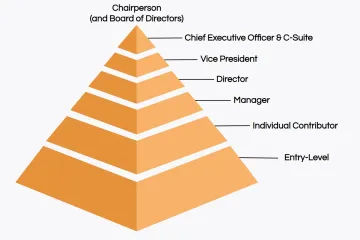
Organizational leaders often hold titles reflecting their domain. A Director of IT Operations might oversee all the SysAdmins and network staff, while a CIO (Chief Information Officer) or CTO (Chief Technology Officer) sets the high-level technological direction for the entire business. [5]
When comparing job descriptions across different companies, one helpful pattern emerges, particularly when looking at how smaller versus larger entities structure their teams. In a very small business or a local municipal department, the "IT Manager" might be doing everything from fixing the printer (a Help Desk task) to managing the cloud migration (a Cloud Engineer task). [6][9] In contrast, a large enterprise breaks these down. A common observation from those working in system administration communities is that titles often signal autonomy. A "Technician" usually follows defined procedures (Tier 1), while an "Engineer" is expected to design solutions for novel problems (Tier 3). [7][9] If you see the word "Senior" or "Lead" appended, it almost always implies responsibility for mentoring others and owning entire system components independently, regardless of the core function. [1][5] This structural difference between centralized (large org) and generalized (small org) roles is crucial for candidates to recognize during their search.

# Architecture and Design
Architecture roles focus on setting standards and creating blueprints rather than day-to-day maintenance or feature coding. [4]
Enterprise Architect sits at the highest level, focusing on how all the different technology systems fit together across the entire business to meet strategic goals. [5] They look at technology from a business alignment perspective over a long horizon. [7]
Solutions Architect is more project-focused, designing the specific architecture for a particular system or application, ensuring it integrates correctly with existing infrastructure. [4][5] This role acts as a translator, bridging the gap between high-level business requirements and the technical teams who will implement the build. [4] The expertise required here means these roles are typically filled by individuals who have significant, proven experience in multiple technical domains, such as development, networking, and security. [7]
# Original Insight Integration
It is worth noting for those mapping out a career progression that the specific nomenclature can vary dramatically based on industry sector, which is sometimes less obvious than the role's function. For instance, a Systems Administrator in a financial trading firm might spend 80% of their time on high-frequency, low-latency network tuning and Linux kernel optimization, whereas a Systems Administrator in a K-12 school district might focus 80% of their time on user account provisioning and managing the student information system's uptime. [9] In both cases, the title is the same, but the required deep expertise—low-level kernel tuning versus high-volume user management—is vastly different. Knowing which specialized environment you prefer should guide which job posting you prioritize, even if the title looks familiar. [6]
Furthermore, when reading job postings that list a huge array of required skills, pay close attention to the seniority implied by the required tools versus the required outcomes. If a posting for a "Technical Specialist" lists Python, AWS, SQL, and PowerShell, but the primary stated goal is "resolve user-reported issues and patch systems," the role is functionally closer to a senior system administrator or support engineer. [1] If, however, the primary goal is "design and deploy automated infrastructure using Terraform and maintain the deployment pipeline," the title, even if it's "Specialist," actually points toward a DevOps or SRE function. [4] The actionable tip here is to always score the job description based on the output responsibility—Is it maintenance/resolution, or is it design/automation?—and use that as the true indicator of the role's level and trajectory. [5][7]
# Emerging and Blended Roles
Technology seldom stays neatly categorized, leading to the creation of roles that blend responsibilities from two or more traditional domains. [4]
The DevOps Engineer is perhaps the most prominent example of this blending. This role sits at the intersection of development and operations, focusing on process automation, continuous integration (CI), and continuous delivery (CD) pipelines. [4] They aim to make the entire software delivery process faster and more reliable. [7]
Similarly, Site Reliability Engineer (SRE), a concept often associated with Google's approach, takes DevOps principles and applies rigorous software engineering methodologies to operations tasks, prioritizing error budgets and toil reduction. [4]
In the realm of IT governance, roles like IT Auditor or Compliance Analyst bridge the gap between technical infrastructure and regulatory requirements, ensuring that systems meet standards set by bodies like NIST or GDPR. [2] While they may not write code or manage hardware, their expertise in mapping technical controls to policy requirements is essential for trust and legal operation. [5]
Navigating IT job titles requires a degree of interpretation, as definitions are fluid and constantly adapting to new technology trends. [1] While the broad categories—Support, Infrastructure, Development, Data, Security, and Leadership—provide a solid map, the specific naming conventions used by any given employer will always require a closer look at the actual day-to-day responsibilities listed in the description. [2][7]
Related Questions
#Citations
132 IT Job Titles to Consider | Indeed.com
Types of IT Jobs - JobTrain
Understanding IT Teams: Roles, Collaboration, and Value - Aha.io
Job titles, disambiguated : r/learnprogramming - Reddit
IT Job Titles - redShift Recruiting
IT Job Titles Options - Illinois Department of Innovation & Technology
IT job titles decoded: Navigating an IT career path - Spiceworks
Job Title Examples Every IT Professional Should Know