What Are Common Retail Job Titles?
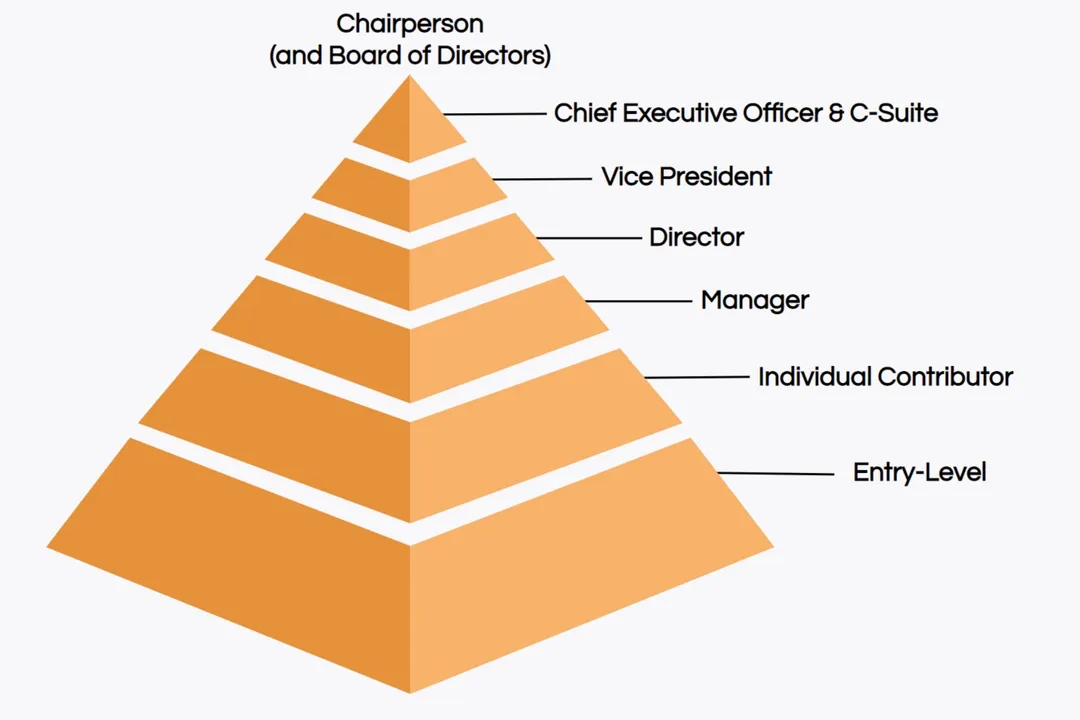
The world of retail encompasses a vast ecosystem of job titles, extending far beyond the simple image of someone standing behind a checkout counter. Whether you are looking for your first job, aiming for a career change, or simply curious about how large operations function, understanding the nomenclature used in the industry is the first step. Retail roles are structured hierarchically and functionally, covering everything from direct customer interaction and managing physical inventory to overseeing digital sales and leading entire departments or stores. [1][2][5]
# Frontline Sales
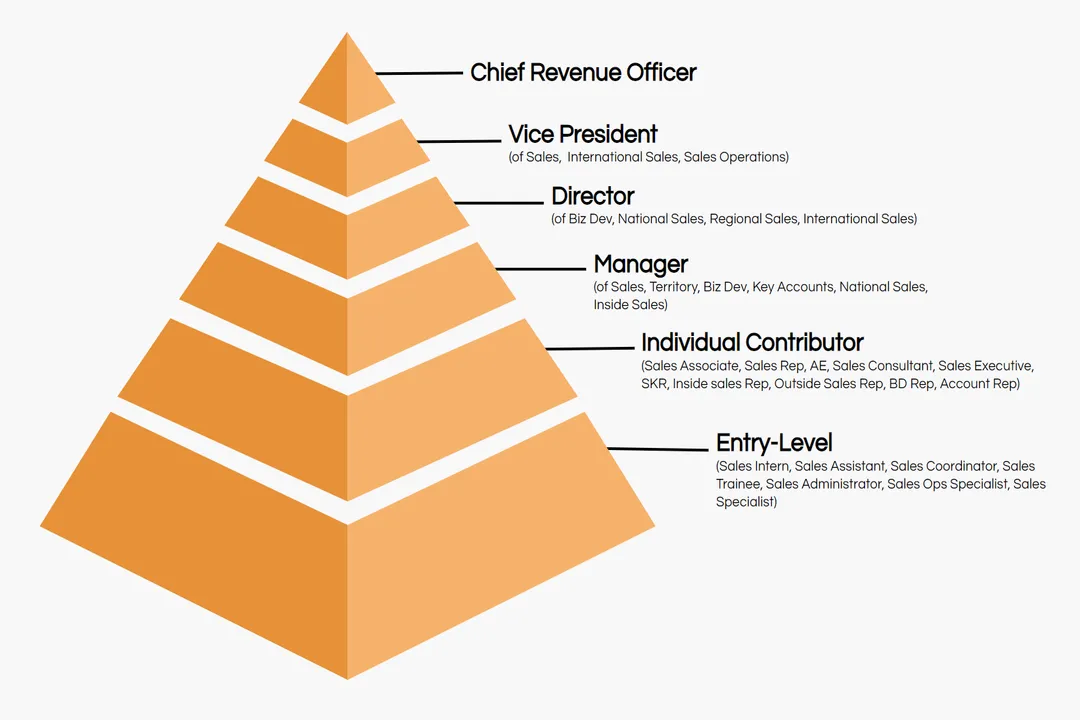
The most visible positions in retail are those interacting directly with customers on the sales floor. These roles are the face of the brand and are crucial for driving immediate revenue and customer satisfaction. [4][9]
# Sales Associate
The Sales Associate is perhaps the most universally recognized retail title. [4][5][8] Responsibilities often center on greeting customers, answering product questions, demonstrating merchandise, and actively selling. [1][5] In modern retail environments, the scope of this job has expanded significantly. A Sales Associate might now be expected to handle returns, process in-store pickups for online orders, and manage stock retrieval from the backroom, blending traditional selling with operational tasks. [5][9]
# Cashier
Often overlapping with or reporting to the Sales Associate role, the Cashier focuses primarily on transaction processing. [5] This position requires accuracy and efficiency with Point of Sale (POS) systems, handling various payment methods, accurately counting change, and sometimes managing promotional codes or gift card activations. [4] Speed and maintaining a positive attitude during the final point of contact with the customer are key performance indicators for this role. [8] Some larger retailers consolidate this into a "Customer Service Associate" title, reflecting the dual responsibility of handling both cash and general inquiries/returns. [2][4]
# Customer Service
While some stores use this as a generalized term, dedicated Customer Service Representatives often work at a specific service desk. [2][5] Their domain includes managing complex transactions, processing exchanges and refunds that Sales Associates cannot handle, addressing customer complaints, and sometimes coordinating special orders or warranty claims. [1] This role demands strong problem-solving skills and a high degree of patience. [4]
# Operations and Stock
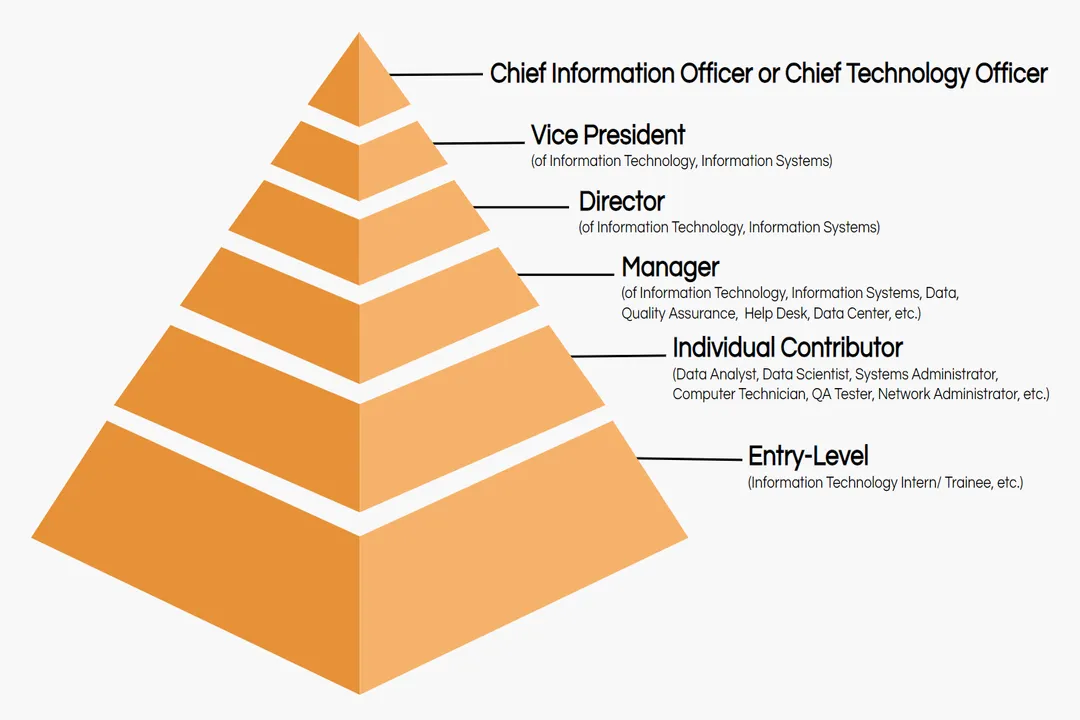
Behind the scenes, a dedicated team ensures that products are available, organized, and ready for purchase. These roles are essential for maintaining the visual standards and inventory integrity of the store. [3][7]
# Stock Team
Roles like Stocker, Merchandise Associate, or Stocker/Receiver handle the flow of goods from the delivery truck into the store's storage area and onto the sales floor. [3][5] This involves unloading shipments, verifying manifests against purchase orders, organizing the stockroom, and performing physical inventory counts. [7] The efficiency of the stock team directly impacts floor availability; if they are slow, popular items will be constantly "out of stock" on the shelves, regardless of what is in the back. [3]
# Inventory Specialist
In larger or specialized stores, the Inventory Specialist may take a more analytical approach to stock management than a general Stocker. [7] This individual might be responsible for using handheld scanners or inventory software to conduct cycle counts, investigate inventory discrepancies, and communicate stock needs or overstock situations to management or corporate buying teams. [1] This requires a methodical and detail-oriented mindset. [3]

# Specialized Skill Roles
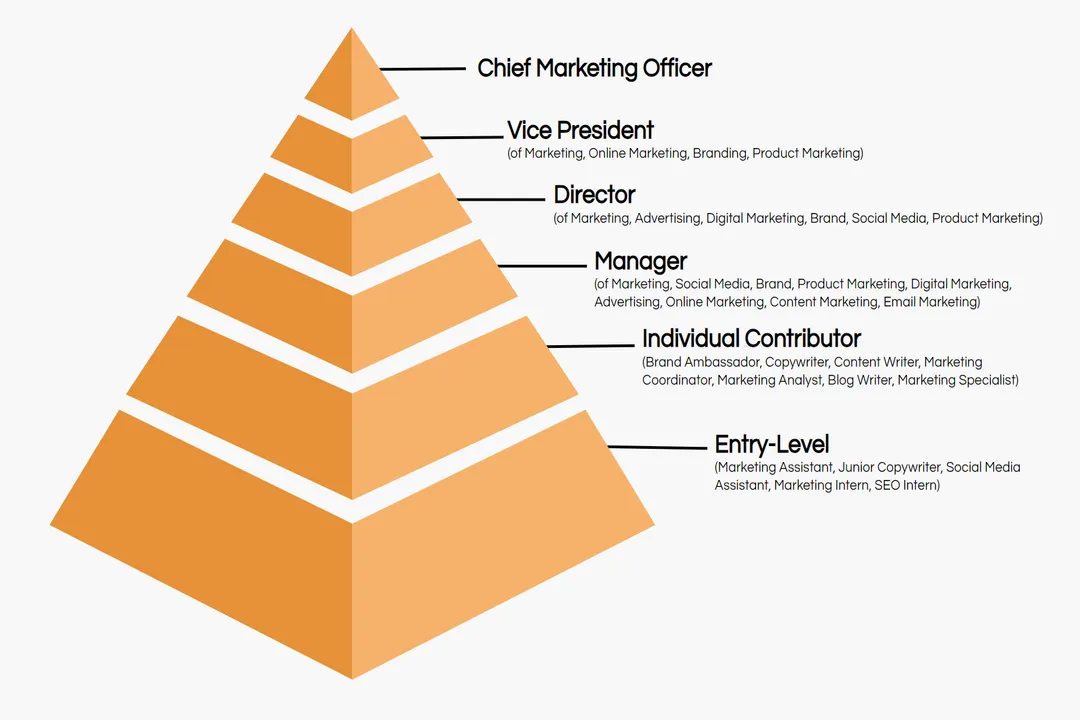
Certain retail environments require employees with specific expertise related to the merchandise, adding a layer of technical knowledge to the typical sales duties. [2][3]
# Visual Merchandiser
The Visual Merchandiser is responsible for the aesthetic presentation of the store. [5][9] This role moves beyond simple stocking to focus on how products are displayed to maximize appeal and drive suggestive sales. [3] They execute corporate planograms—detailed diagrams showing exactly where every item should be placed—and create engaging window displays. [2][5] This position blends artistic skill with adherence to strict brand guidelines. [9]
# Department Expert
In specialty retail, you often find titles like Electronics Specialist, Cosmetics Advisor, or Fitting Room Attendant. [3][5] These individuals possess deeper product knowledge than a general Sales Associate. [2] For instance, a Cosmetics Advisor needs familiarity with skin types and product formulations, while an Electronics Specialist must understand technical specifications. [3] Their value lies in providing consultative sales rather than transactional assistance. [5]
# The Management Ladder
As individuals progress in retail, they move into roles with greater responsibility for scheduling, training, performance management, and store results. [1][4] The progression is often clearly defined, though the exact titles can vary between national chains and independent operations. [7]
# Key Holder
The Key Holder is one of the first supervisory steps beyond the associate level. [4][8] This title signifies trust, as the individual is typically entrusted with store keys and access codes. [4] Key Holders often have the authority to open or close the store, perform manager overrides on the POS, handle complex cash deposits, and provide minor supervision when a manager is not physically present. [1][7] Their primary focus is on operational accountability during their shift. [4]
# Assistant Store Manager
The Assistant Store Manager (ASM) steps up to support the Store Manager in day-to-day leadership. [7][9] This role often involves shift management, ensuring all departments (sales, stock, service) are adequately staffed and performing, and handling escalated customer issues. [4] An ASM might be specifically tasked with managing one major area, such as scheduling or inventory audits, allowing them to develop expertise in a specific management function before taking on a full store leadership role. [1]
It is worth noting that the transition from Key Holder to Assistant Manager often requires a fundamental shift in mindset; the Key Holder manages tasks and processes, whereas the ASM must begin mastering people management—coaching, performance reviews, and conflict resolution—which often proves a bigger hurdle than mastering operational procedures.
# Store Manager
The Store Manager (sometimes titled General Manager or Store Director) holds ultimate accountability for the performance of a single retail location. [4][7] This is a full business management role, involving P&L (Profit and Loss) oversight, budgeting, strategic scheduling, hiring and firing decisions, and driving local marketing efforts. [1][9] They are responsible for translating corporate strategy into local execution and fostering a positive and productive team culture. [4][7]

# Corporate and Support Structure
While not always physically on the sales floor, numerous crucial roles support the daily operations of brick-and-mortar stores. [7] These jobs are typically based at a corporate office, distribution center, or regional hub. [1][9]
# District and Regional Management
District Managers (DMs) oversee a collection of stores, often ranging from 8 to 20 locations, within a specific geographical area. [1][7] The DM acts as the key link between corporate headquarters and the Store Managers, ensuring brand standards, sales targets, and operational compliance are met across their district. [4] Regional Managers then oversee several DMs, dealing with broader market trends and larger-scale strategic planning. [9]
# Corporate Support Roles
Many essential functions exist to enable store success. [7] These include:
- Buyer/Merchandiser: Deciding what products the company will stock and in what quantities. [1][9]
- Loss Prevention Specialist: Focusing on identifying and preventing internal theft, external shoplifting, and process errors that lead to shrinkage. [4]
- Retail Trainer: Developing and delivering the curriculum for onboarding new hires and upskilling existing staff on new products or procedures. [1]
- E-commerce Coordinator: In an omnichannel world, roles dedicated to ensuring the online storefront functions correctly and that the physical store interacts smoothly with digital fulfillment are becoming standard. [5]
# The Blurring Lines in Modern Retail
One significant observation across current retail job listings is the rapid convergence of roles, largely driven by technology and customer demand for speed and flexibility. [5][9] Where once an employee was strictly a "Cashier" or strictly a "Stocker," the title Omnichannel Associate or Universal Associate is increasingly common. [5]
This new reality means that even entry-level employees are expected to pivot quickly. For example, during a slow sales period, an associate might be expected to pull online orders from the shelves (stock function), process the transaction (cashier function), and then assist a walk-in customer with product information (sales associate function). [5] This requires adaptability and a functional familiarity with the entire retail tech stack, from the cash register software to the inventory management system used for order picking. [1][5]
To put the scope of these roles into perspective, consider a typical mid-sized store:
| Role Category | Example Title(s) | Primary Focus Area | Key Skillset Required |
|---|---|---|---|
| Entry Level | Sales Associate, Cashier | Transaction & Immediate Customer Help | Friendliness, Speed, POS Proficiency |
| Operations | Stocker, Receiver | Inventory Flow and Organization | Physical Stamina, Attention to Detail |
| Specialist | Visual Merchandiser, Product Expert | Aesthetics and Deep Product Knowledge | Creativity, Technical Acumen |
| Supervisory | Key Holder, ASM | Shift Accountability and Process Adherence | Trustworthiness, Basic Conflict Resolution |
| Leadership | Store Manager | P&L, Team Development, Strategy | Business Acumen, People Leadership |
| [1][3][7] |
An often-overlooked aspect for new entrants is the requirement for local context understanding. A Store Manager in a busy metropolitan downtown district, for instance, must focus heavily on security and high-volume throughput, whereas a manager in a suburban mall setting might prioritize specialized department training and personalized loyalty program enrollment. The job title might be the same—Store Manager—but the day-to-day execution is distinctly different based on the trade area and customer base the store serves. [4] Successfully navigating retail careers means recognizing not just the title you hold, but the unique business challenges your specific location presents. [7]
The breadth of positions, from the Stocker moving freight to the District Manager analyzing district-wide performance reports, illustrates that retail is a complex service and logistics industry, not just a sales floor. [1][9] Understanding these common titles provides a map for anyone looking to find their starting point or chart their path toward executive roles within the industry. [2][4]
Related Questions
#Citations
Retail Work: The Definitive Guide | Indeed.com
15 Common Retail Job Titles & Positions For Your Store (2026)
What types of jobs are available in Retail? - ETC
10 Most Popular Types of Retail Jobs - ZipRecruiter
All Retail Industry Job Titles - Joblist
What other retail places would y'all recommend working at? : r/Target
Job Titles: The Definitive Guide - Ongig
Retail and Consumer Products Job Descriptions - Comeet